

Spend enough time in a kitchen and eventually something goes wrong. Not a near-miss, not a singed finger — something that leaves a mark, costs money, or sends someone to the ER. The people who’ve cooked through forty or fifty years of real meals have quietly built a set of rules around that reality, and those rules work. What’s striking isn’t the rules themselves — it’s how consistently younger cooks wave them off, right up until they don’t.
Some of these habits look almost comically cautious on the surface. A few feel like they belong in a middle school home-ec class. But every single one exists because somebody learned the hard way — and the consequences of ignoring them range from a nasty burn to a grease fire that takes out a ceiling. Here’s what experienced homeowners over 60 actually do differently, and why it matters more than most younger cooks want to admit.
#1 – Never, Ever Use Water on a Grease or Oil Fire
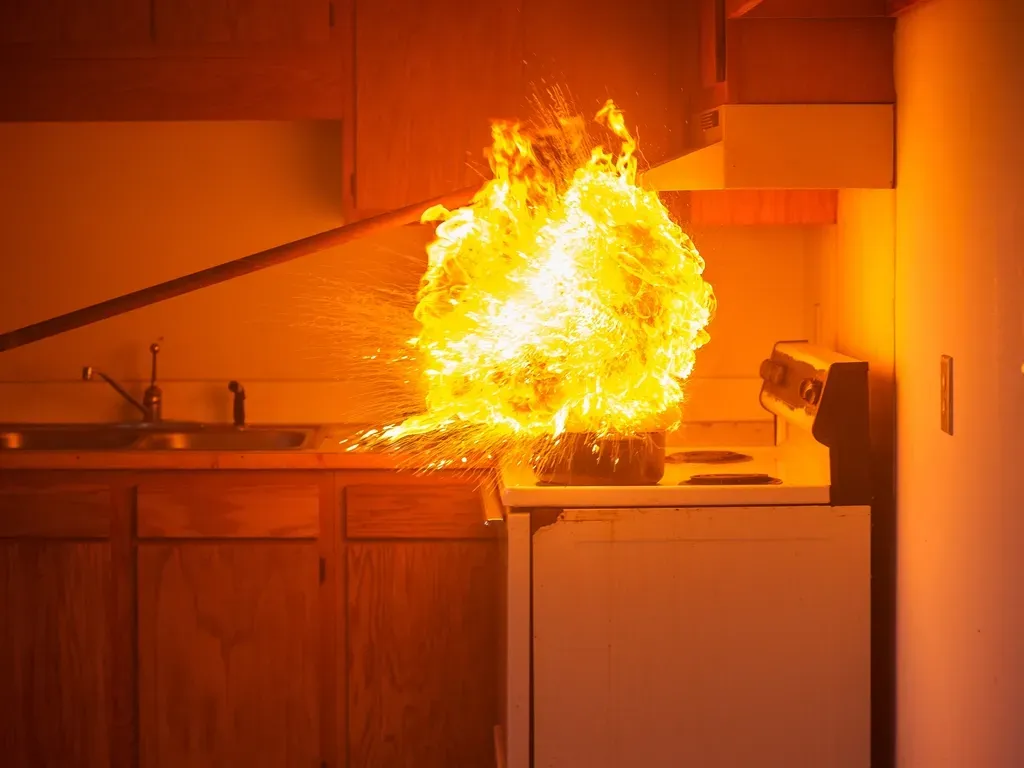
This is the rule that separates people who’ve actually seen a kitchen fire from people who haven’t — and it’s the single most dangerous mistake a younger cook can make in the moment of panic. Water and hot oil don’t mix. The water instantly vaporizes and expands, launching burning oil outward in a fireball that can engulf a stovetop, a ceiling, and a person in seconds. It turns a completely containable situation into a catastrophic one.
Cooking oil, fat, or grease is the initial fuel source in more than half of all kitchen fires, and those fires lead to 75% of injuries and 78% of direct property damage in cooking-related blazes. Experienced homeowners keep a lid near every pan they’re using with oil — it’s there specifically for this moment. Slide it over, cut the oxygen, turn off the heat, back away. That’s the whole move. The instinct to grab the nearest liquid and throw it at a fire is exactly what decades of kitchen experience teaches you to override, and it’s the most important override of all.
Fast Facts
- Grease fires are the most frequent type of kitchen fire and spread with alarming speed
- Water on a grease fire causes instant steam expansion — making the fire dramatically worse
- The correct move: slide a metal lid over the pan, turn off the burner, and step back
- Baking soda can help smother a very small grease fire — but a lid is faster and safer
- A Class K or Class B fire extinguisher is the right tool when a lid isn’t an option
#2 – Smoke Alarms Must Be Tested Monthly – Not Just Installed and Forgotten
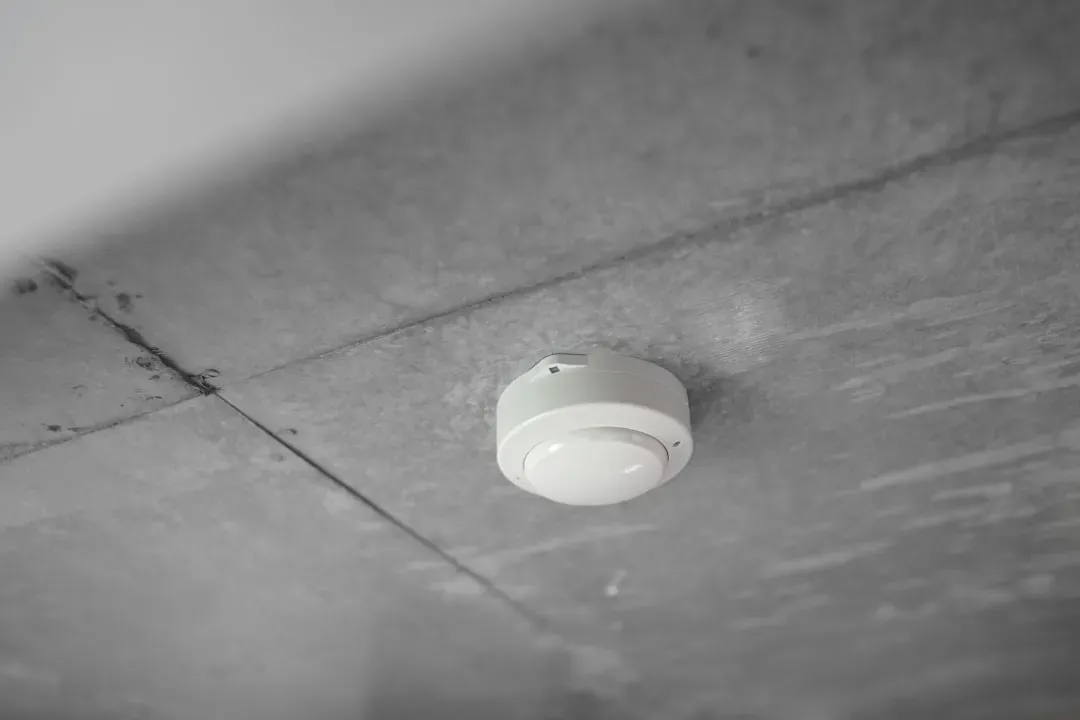
Installing a smoke alarm and calling it done is one of the most quietly dangerous things a homeowner can do. According to the NFPA’s latest data, working smoke alarms reduce the risk of dying in a home fire by more than 60 percent — but the majority of civilian home fire deaths still occur in homes with no working alarms at all. Experienced homeowners test theirs on the first of every month, the same way they check the oil in their car. It takes ten seconds.
That number becomes more alarming when you realize that 99% of U.S. households now have at least one smoke alarm — yet 61% test them less frequently than the recommended once a month, and a full third say they never test them at all. Younger homeowners install and ignore. Experienced ones install, test, and replace batteries before the alarm starts chirping at 2 a.m. The device is useless if it’s not working, and the only way to know it’s working is to test it.
#3 – Never Leave the Stove Unattended While Something Is Cooking
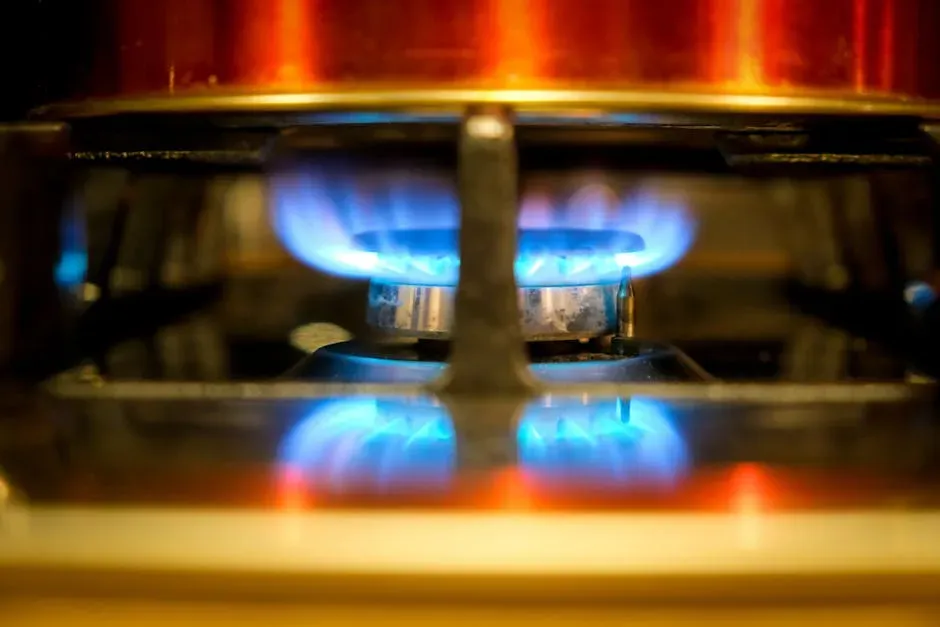
This is the rule younger cooks dismiss most confidently — and it’s also statistically the deadliest habit to ignore. Unattended cooking accounts for 28% of cooking fires and 48% of cooking fire-related deaths, making it the single leading factor in both categories. Nearly half of everyone who dies in a cooking fire was gone “just for a minute.” Experienced homeowners simply do not leave the kitchen when the stove is on. Full stop.
A nationwide survey of 1,500 Americans found that 72% admitted to leaving the stove unattended, and 50% have forgotten to turn off the stovetop after cooking entirely. If you absolutely must step away, turn the burner off. The pot of soup will survive being reheated. Experienced cooks over 60 aren’t being paranoid — they’re doing basic math on a risk that younger cooks consistently underestimate until it’s sitting right in front of them.
#4 – Never Use a Damp or Wet Dish Towel as an Oven Mitt
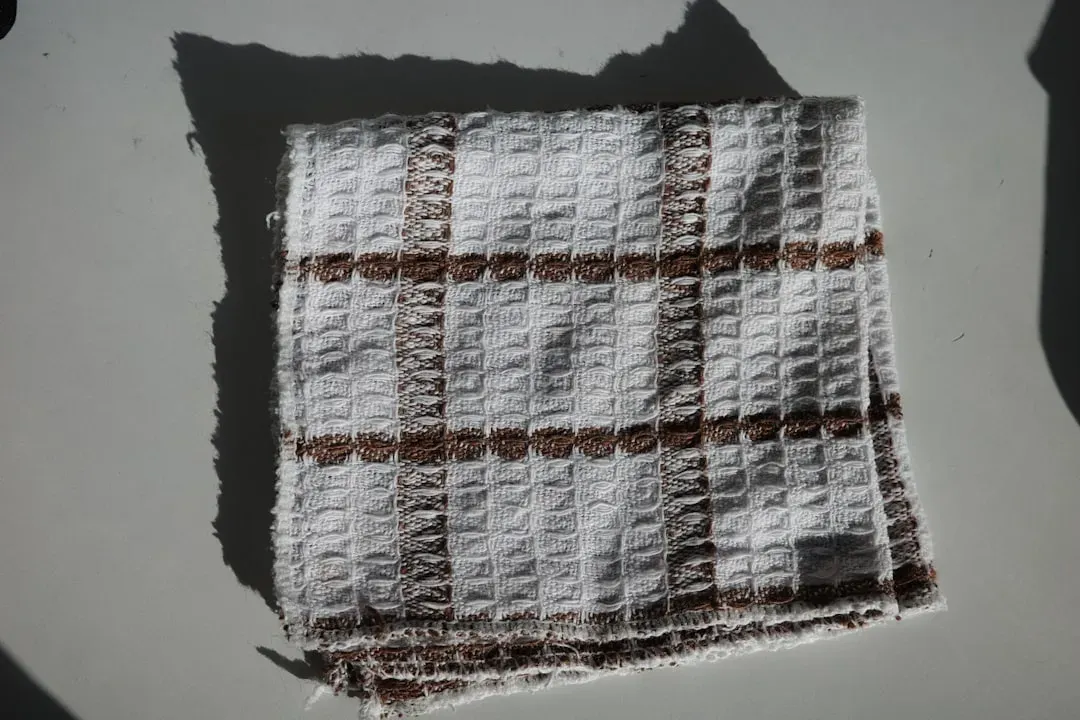
This is probably the most common shortcut in any kitchen, and experienced cooks will tell you it’s one of the most reliable ways to burn yourself. A moist dish towel doesn’t insulate — it conducts. Wet fabric transmits heat almost instantly, and one second of contact with a 400°F pan teaches that lesson in a way you don’t forget. That’s why seasoned homeowners don’t keep dish towels hanging near the stove at all — it removes the temptation before the temptation wins.
Keep two dry oven mitts within arm’s reach whenever something is on the heat, and replace them the moment they get threadbare or singed. Never use a towel as a substitute — towels can also catch fire near an open flame, which turns a minor shortcut into a major problem fast. A survey of home cooks found that only 1 in 3 own fire-resistant oven mitts or towels. Younger cooks grab whatever’s closest. Experienced ones grab what actually works.
#5 – Always Turn Pot Handles Inward – Every Single Time
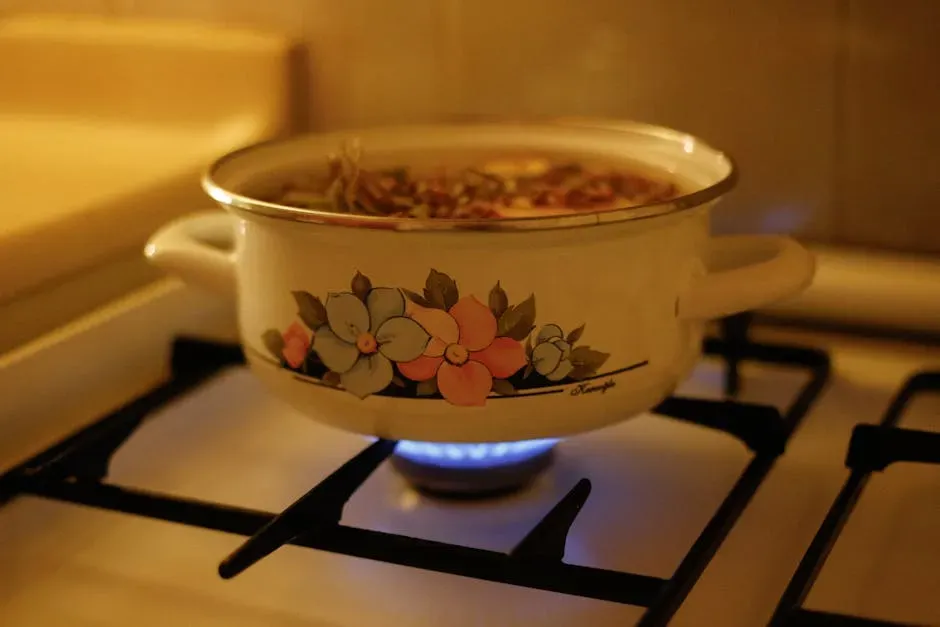
It sounds almost insultingly simple. But experienced homeowners do this automatically, without thinking, on every pot they touch — and the reason is burned into their memory. A handle sticking out over the edge of the stove is an accident waiting for a hip bump, a passing child, or a single distracted second to trigger it. A pot of boiling pasta water doesn’t forgive careless geometry.
Turn the handle toward the center of the stovetop — or toward your dominant side over the counter — every time you set a pot down. This rule gets dismissed by younger cooks as nitpicky. Seasoned homeowners treat it as non-negotiable muscle memory. One pot of scalding water to the floor — or worse, to a child reaching up — is all it takes to wire this habit in permanently. The good news is that it takes about three days to make it automatic.
At a Glance: 5 Habits Experienced Cooks Do Without Thinking
- Lid near the pan — always ready to smother a grease flare-up instantly
- Handles turned inward — every pot, every time, without exception
- Dry mitts within reach — not a towel grabbed off the counter
- Stove off before leaving the room — no exceptions for “just a minute”
- Alarm tested monthly — same day, same routine, every month
#6 – Sharp Knives Are Safer Than Dull Ones
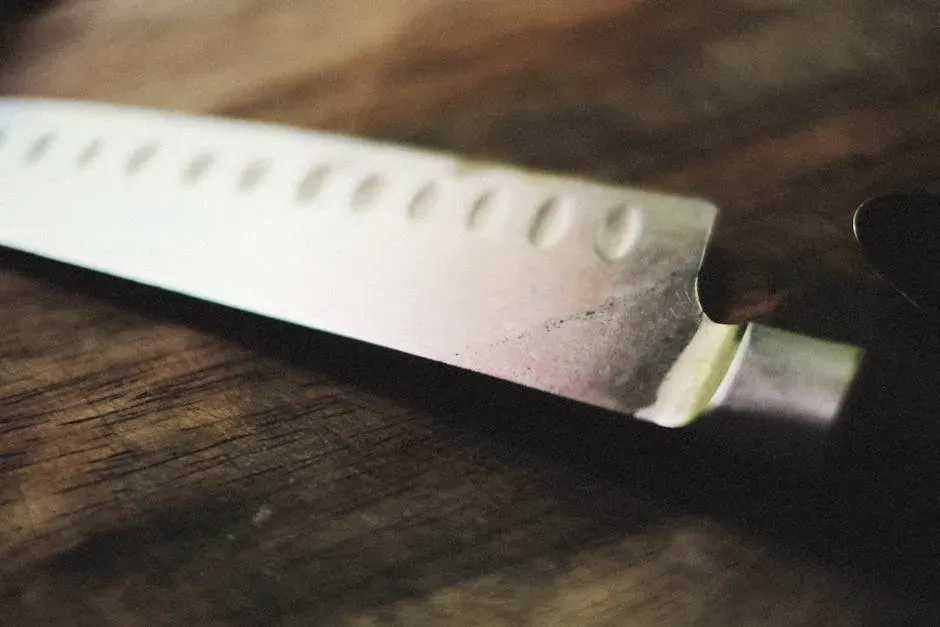
Ask a younger cook which knife is more dangerous and they’ll point to the sharpest one in the block. Experienced homeowners will point to the dullest — and they’re right. A dull knife requires more force to cut, which makes slipping dramatically more likely. A sharp knife goes exactly where you direct it. A dull knife goes wherever it slips to, and it doesn’t care that your fingers are in the way.
The Consumer Product Safety Commission links more than 100,000 cut injuries a year to kitchen incidents — and a significant number of those happen when someone reaches blindly into a drawer full of loose knives. Seasoned homeowners keep blades sharp, stored on a magnetic strip or in a knife block where you can see them, never rattling around in a drawer. It’s a habit that looks fussy until the moment it isn’t.
#7 – Wipe Up Spills the Second They Happen – No Exceptions
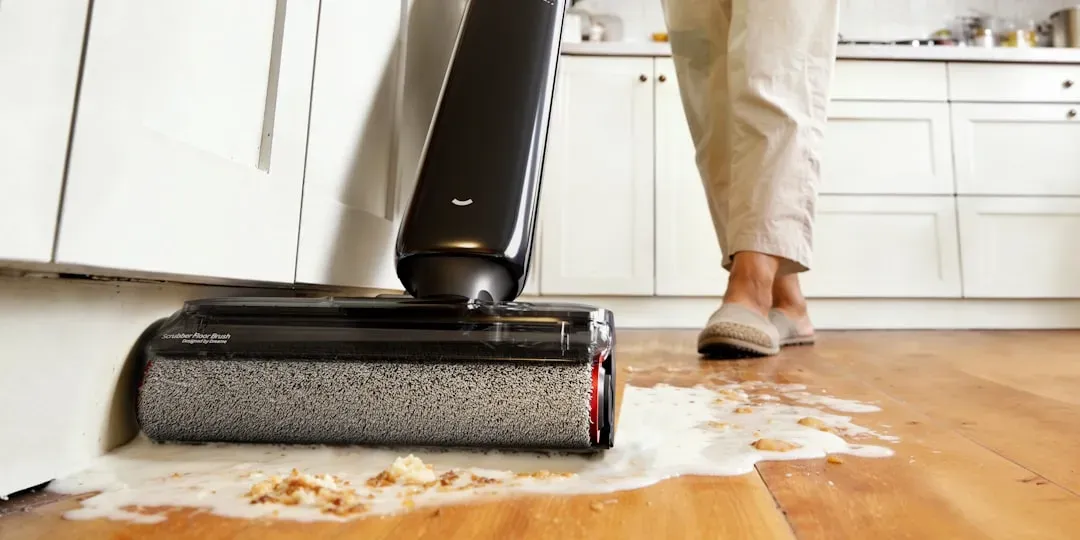
Younger cooks leave a puddle of oil or a splash of water on the floor until after dinner. Experienced homeowners wipe it up before they take another step — and the reason isn’t fussiness, it’s physics. Falls are the leading cause of injuries in adults over 65, and kitchens are particularly dangerous because of wet floors. But a slick tile floor doesn’t care how old you are. The drop of oil you step over three times is the drop that eventually takes you down.
There’s also a fire dimension to spills that younger cooks miss entirely. Oil or grease on a cooktop can catch and smoke, and on an electric burner it can ignite. Clean up every spill immediately — stovetop and floor both. The real habit here is reflexive: spill happens, towel comes out. No mental negotiation, no “I’ll get it in a second.” Experienced homeowners stopped negotiating with that impulse a long time ago.
#8 – Use Separate Cutting Boards for Raw Meat and Everything Else
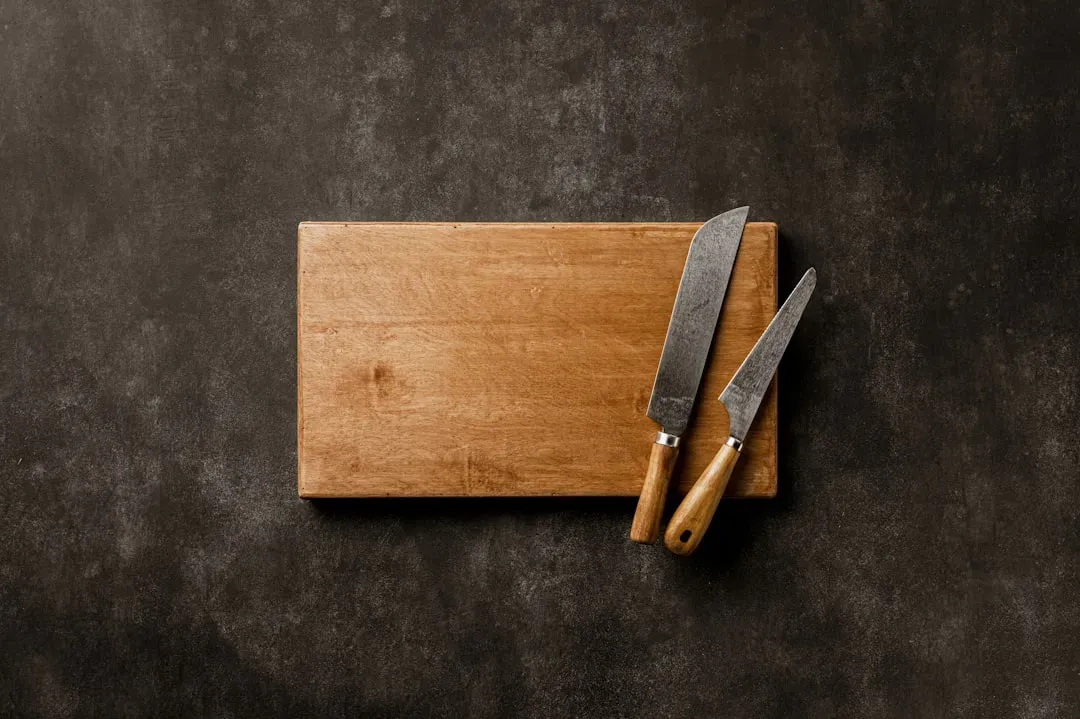
This rule sounds like it belongs in a food safety class, which is exactly why so many younger cooks treat it as theoretical. But chicken juice sitting on a wooden board doesn’t disappear with a quick rinse — it penetrates and lingers, and the next time you slice tomatoes on that board, you’re mixing the two. Cross-contamination is how healthy people end up profoundly sick from a meal they cooked at home.
Experienced homeowners often use color-coded boards — red for raw meat, green for produce — so the rule enforces itself visually with zero mental effort. The habit takes about two seconds per meal to follow and has prevented more than one urgent care visit. As bodies age, foodborne illness can become a significantly more serious issue, which is part of why this rule is non-negotiable for cooks who’ve been at it for decades.
Quick Compare: How Experienced vs. Younger Cooks Handle the Basics
- Cutting boards: Experienced — color-coded, one per protein | Younger — one board, quick rinse
- Knife storage: Experienced — magnetic strip or block | Younger — loose in the utensil drawer
- Spills: Experienced — wiped immediately, every time | Younger — “I’ll get it after dinner”
- Oven mitts: Experienced — two dry mitts always within reach | Younger — nearest dish towel
- Stove unattended: Experienced — burner off before leaving | Younger — “just a minute”
#9 – Always Wear Closed-Toe Shoes While Cooking
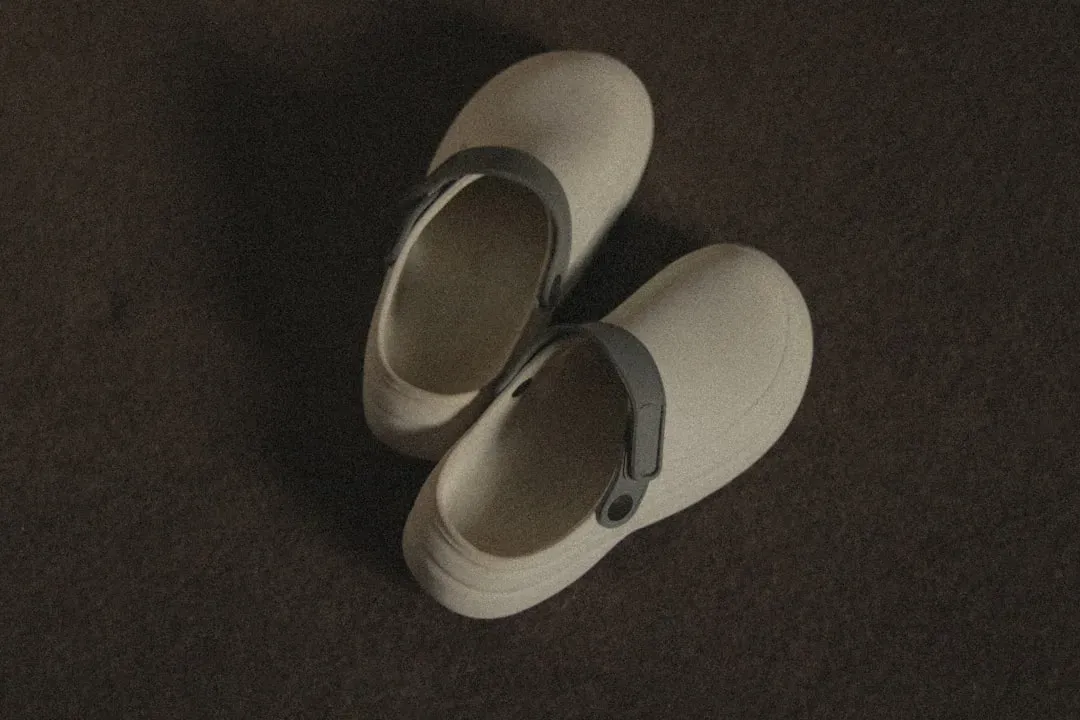
This one gets laughed off constantly. Younger cooks pad around the kitchen barefoot or in flip-flops without a second thought. Experienced homeowners won’t do it, and the reasoning is pretty straightforward: think about what’s actually happening in a kitchen. Boiling water. Heavy cast iron. Sharp knives. Glass dishes. A dropped chef’s knife or a shattered glass at bare feet is a completely different injury than one that hits the toe of a shoe.
Wear fitted clothes and closed shoes, tie back long hair, and remove loose jewelry before you start cooking. A dangling bracelet near a gas flame or a loose sleeve over a burner isn’t a hypothetical — it’s a real ignition scenario. Older homeowners who’ve spent decades cooking don’t treat any of this as paranoia. They treat it as basic protective gear for a room that contains open flame, boiling liquid, and sharp edges within arm’s reach of each other.
#10 – Keep a Real Fire Extinguisher in the Kitchen – And Know How to Use It
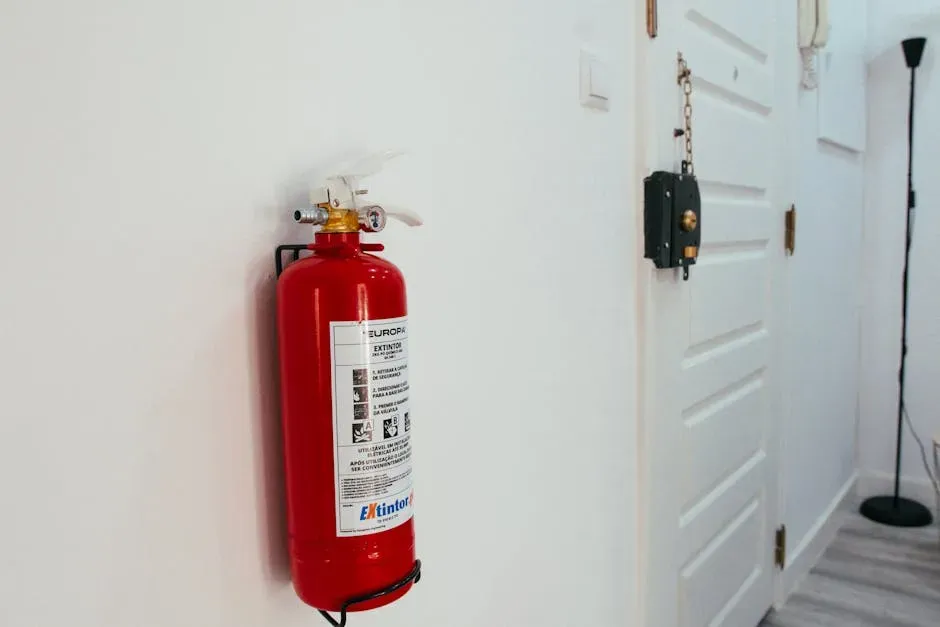
Younger cooks often think a fire extinguisher is something for extreme situations that won’t happen to them. Experienced homeowners know better. According to NFPA data, an average of 158,400 home cooking fires occur in U.S. homes every year — not commercial kitchens, home stoves just like yours. State Farm reported paying nearly $234 million in cooking fire losses between 2024 and 2025 alone, with the average single claim exceeding $73,000. A mounted extinguisher isn’t a sign of anxiety; it’s a sign of someone who’s done the math.
Knowing how to use it matters as much as having one. A nationwide survey found that 40% of home cooks don’t have a fire extinguisher in their kitchen at all — and among those who do, many couldn’t confidently explain how to operate it under pressure. Experienced homeowners keep an extinguisher mounted and accessible, not stuffed behind the stock pots in the back of a lower cabinet. They know where it is, how to pull the pin, and when to use it versus when to get out. That knowledge is the part you can’t improvise under pressure.
#11 – Wash Your Hands Before and After Handling Raw Proteins – Every Time
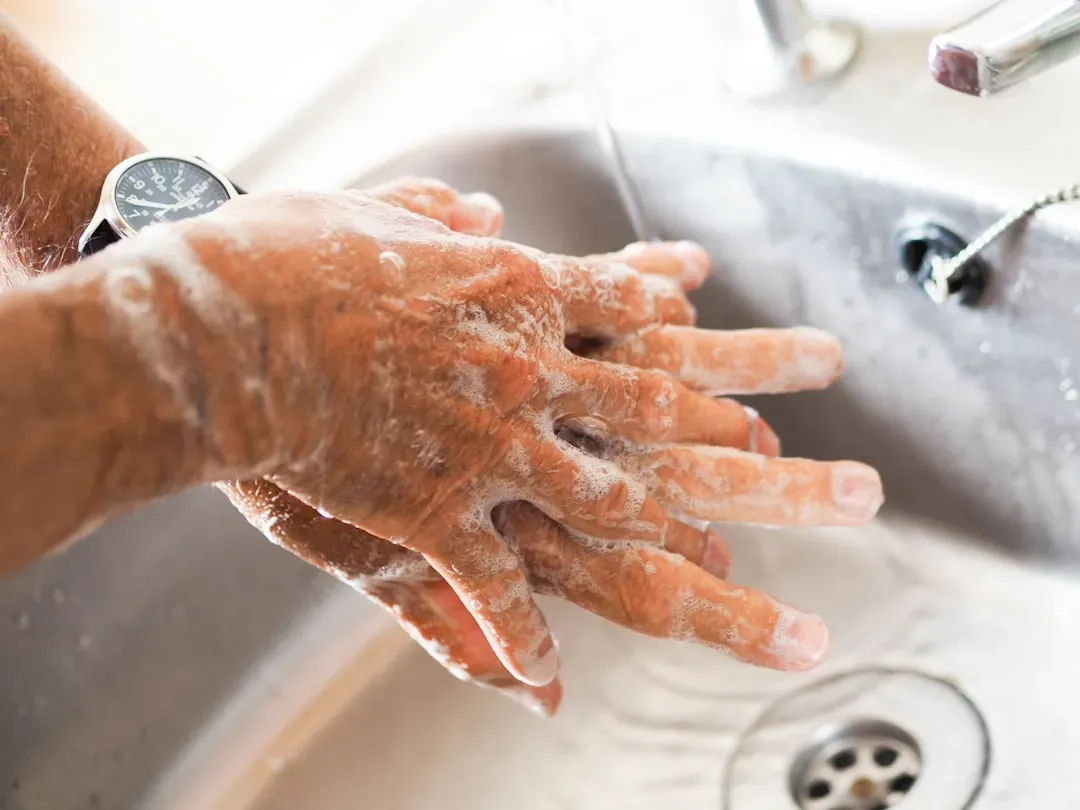
Younger cooks treat this like the obvious rule everyone already follows. Studies say otherwise — research consistently shows that a majority of food handlers skip handwashing after handling raw meat, even in home kitchens. That’s not a fringe behavior; it’s the norm. And the consequences aren’t minor stomach discomfort: they can be serious illness, particularly for anyone older or immunocompromised.
Experienced homeowners don’t just rinse — they scrub with hot soapy water for a full 20 seconds, and they wipe down the sink itself afterward. The sink is often the most contaminated surface in the kitchen, precisely because people assume rinsing their hands there cleaned it. The cutting board gets sanitized, the counter gets wiped, and the sink gets cleaned too. It’s a 90-second routine that closes the loop most younger cooks leave open.
#12 – Keep the Kitchen Well-Lit – Especially Where You Cut

Younger cooks often work in dim or partial lighting without registering it as a hazard. Experienced homeowners take kitchen lighting seriously. Cutting vegetables in poor light means your eyes aren’t tracking the knife edge properly — add any level of fatigue or distraction and the margin for error disappears fast. This is the rule that feels trivial until the night you nick a finger and realize you genuinely couldn’t see what you were doing.
Good lighting also pairs with counter organization: clear surfaces, under-cabinet lights on, and heavy objects stored at waist height rather than overhead. Reaching up for a cast iron skillet in a dimly lit kitchen is exactly the kind of moment that produces dropped pans, pulled muscles, and bad falls. Experienced homeowners keep workspaces bright and uncluttered not because it looks nice, but because it removes a whole category of accidents before they can happen.
Worth Knowing: The Hidden Hazards Most Younger Cooks Overlook
- Dim task lighting is a direct contributor to knife cuts — your eyes guide the blade
- Heavy pans stored overhead create drop and fall risks, especially in low light
- The kitchen sink is often the most bacteria-contaminated surface in the home
- Loose clothing ignition causes 7% of all home cooking fire deaths (NFPA data)
- Electric ranges carry a cooking fire rate 2.6 times higher than gas ranges
#13 – Never Cook in Loose, Flowing Clothing or Dangling Fabric Near the Stove

This rule gets treated as old-fashioned right up until a billowing sleeve brushes a gas burner. Loose fabric near an open flame can ignite in under a second — not gradually, not with a warning smell, but suddenly. While clothing is the first item ignited in less than 1% of home cooking fires, it accounts for 7% of all cooking fire deaths — a wildly disproportionate share that tells you everything about how fast and catastrophic fabric ignition is. Experienced homeowners dress accordingly: fitted sleeves, nothing dangling from cuffs or waistbands near flame.
The rule extends to the stovetop perimeter itself — no decorative towels draped nearby, no pot holders hanging over an adjacent burner, no paper products stacked next to the range. Experienced homeowners keep the area around the stove clear of flammable material entirely, every single time they cook. State Farm specifically flags keeping towels, potholders, and paper products at least three feet away from heat sources as one of the most actionable things a home cook can do. It’s not a special precaution for special occasions. It’s just how they set up before the first burner comes on.
Taken together, these 13 rules aren’t about fear — they’re about the quiet confidence that comes from thinking things through before something goes wrong. The experienced homeowners who swear by them aren’t anxious cooks; they’re fast, capable ones who’ve learned that a small number of fixed habits make everything else possible. The kitchen stays a place of joy when the foundations are solid. Which one of these surprised you most — or which one are you guilty of skipping?