

Flight attendants see thousands of passengers board every single month, and after years working the aisle, the ones who can spot a poorly packed traveler before they even reach the gate will tell you the same thing: the same mistakes keep showing up, trip after trip, on the same type of passenger. Travelers over 60 aren’t inexperienced. Most of them have logged more miles than half the crew. But the rules quietly changed, the fees quietly multiplied, and nobody sent them the memo.
Some of the mistakes below will cost you real money — U.S. airlines collected a staggering $7.27 billion in baggage fees in 2024 alone. Others cost something harder to replace: a vacation day lost to a pharmacy hunt, a medical scare that was completely preventable, or a beautiful city you spent hobbling through instead of exploring. A few of the payoffs on this list will genuinely surprise you. Keep reading.
#15 — Packing Medications in a Checked Bag Instead of Your Carry-On

This is the mistake flight attendants quietly dread seeing most. It seems harmless until the moment it isn’t. Checked bags get delayed, rerouted, and lost — and your blood pressure medication does not magically reappear when you need it in Rome. The TSA strongly recommends placing all medications in your carry-on for exactly this reason: immediate access when it matters. Always keep prescriptions in their original labeled bottles, and pack enough for the full trip plus a few extra days as a buffer.
The danger goes beyond inconvenience. Cargo holds reach extreme temperatures that can degrade certain medications, including insulin and other injectables. Anything refrigerated, anything injectable, anything you cannot replace at a corner drugstore in a foreign country belongs in your carry-on — full stop. This is the single most medically consequential packing mistake on this list. But the overhead bin problem coming up next is what gets travelers in trouble before they ever reach their seat.
Fast Facts
- TSA officially recommends all medications travel in your carry-on for immediate access.
- Cargo holds can reach temperature extremes that degrade insulin, injectables, and some liquid medications.
- Medically necessary liquids — including prescription liquids — are exempt from the 3.4 oz limit; declare them at the checkpoint.
- Pack at least 2–3 extra days of every medication as a buffer against delays or lost bags.
- For international trips, bring a doctor’s letter listing prescriptions, dosages, and conditions — customs in some countries requires it.
#14 — Overstuffing a Carry-On Until It Won’t Fit Overhead
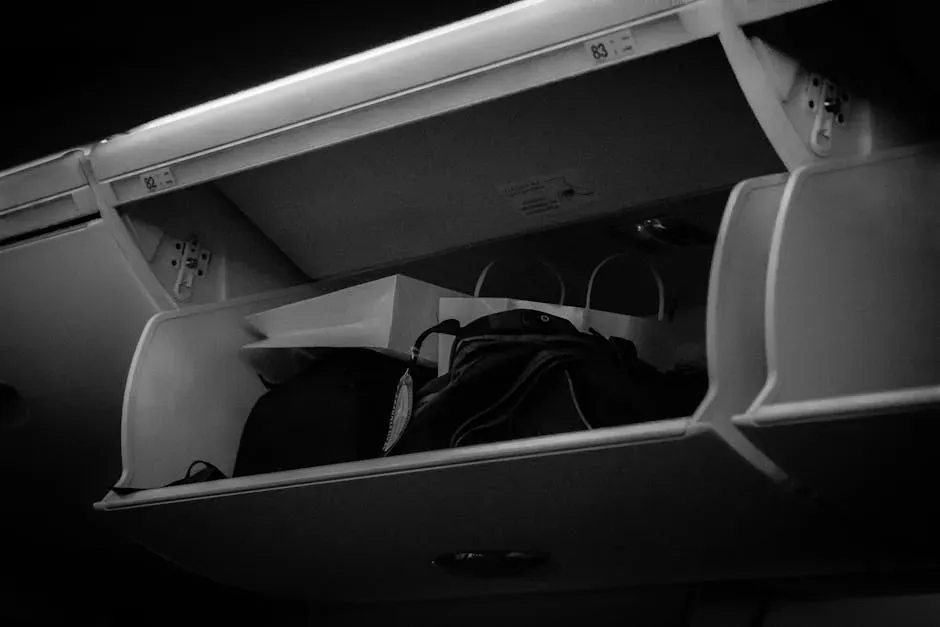
Nothing grinds boarding to a halt faster than a passenger standing in the aisle, wrestling a bursting carry-on into an overhead bin that clearly isn’t going to cooperate. Flight attendants notice this constantly — and what most passengers don’t realize is that lifting luggage is not part of a flight attendant’s job description. Many airlines have explicit policies preventing crew from helping with bags because of injury liability. So when that bag won’t go in, the entire plane waits while you figure it out alone.
When your zipper looks like it’s hanging on by a thread and the sides are visibly bowing outward, you’re not just inconveniencing everyone around you — you’re setting yourself up for stress before the flight even pushes back. The fix is simple: pack to about 85% capacity. Leave room for the bag to close properly and for anything you might pick up along the way. What happens right after this at the check-in scale, though, catches even more travelers completely off guard.
#13 — Never Weighing Luggage Before Leaving the House
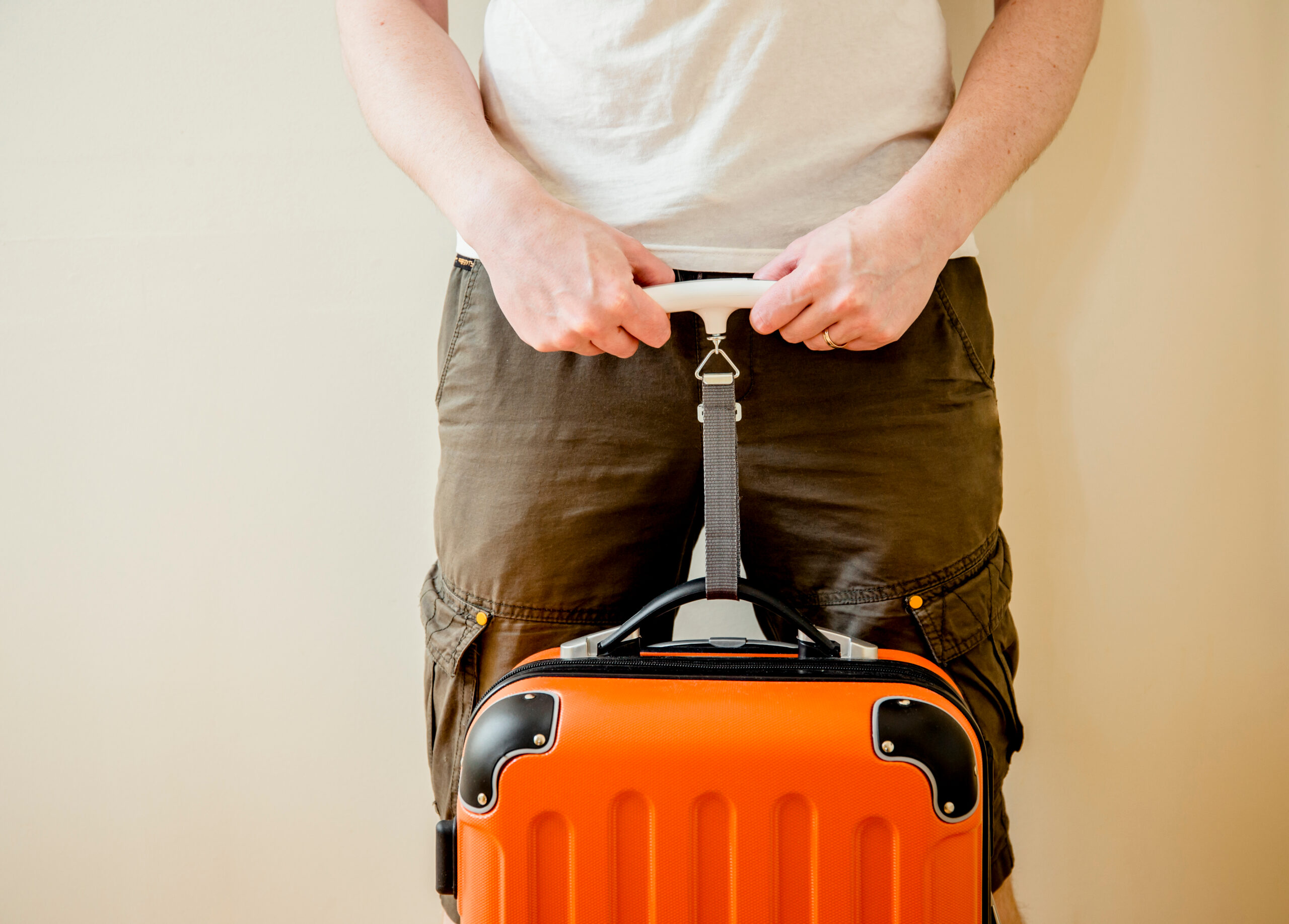
Standing at the check-in counter while an agent calmly tells you your bag is four pounds over is one of the most avoidable and most expensive moments in modern travel. Most major U.S. airlines set the standard checked bag limit at 50 pounds, and fees for bags exceeding that threshold can run $100 to $200 per bag depending on the airline and route. Some carriers have even quietly tightened their policies in 2025. Travelers over 60 who’ve packed the same way for decades are often the most blindsided by this — because the cutoffs shifted without much fanfare.
A portable luggage scale costs less than $10 and takes about fifteen seconds to use. That’s it. That’s the entire fix. For a $10 investment, you avoid the humiliation of repacking at the counter, the panic of choosing what to leave behind, and the very real possibility of handing an airline $100 or more in fees. There’s also a smarter strategy for heavy items altogether — and the next slide reveals exactly what seasoned travelers do instead.20
#12 — Packing Heavy Shoes and Bulky Jackets Instead of Wearing Them
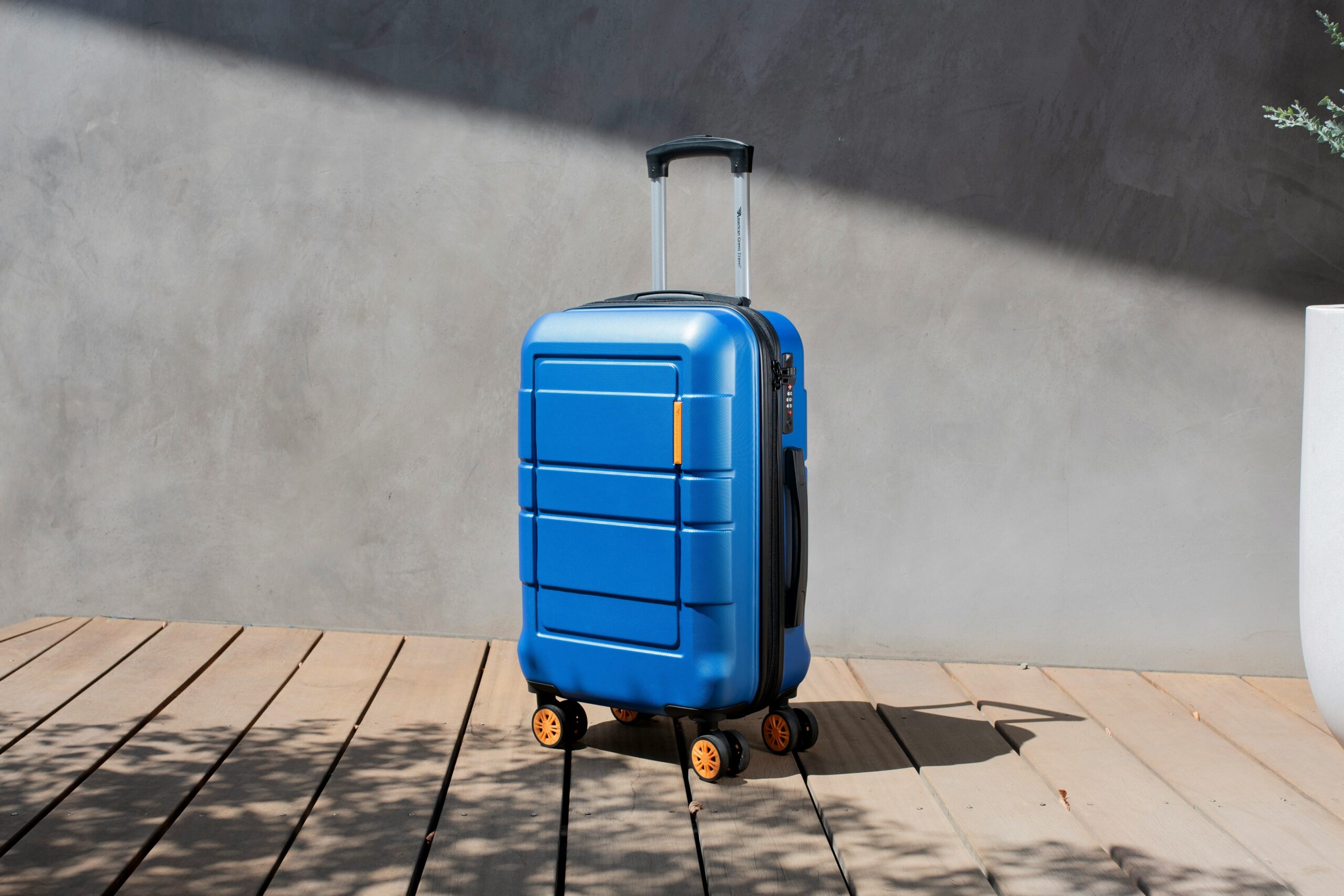
This is one of the oldest tricks in the flight attendant playbook, and it’s still one of the least used. If you’re bringing boots, heavy sneakers, or a thick winter jacket, wear them on travel day. Your heaviest, bulkiest items should be on your body — not eating up the first quarter of your suitcase before you’ve packed a single shirt. You can always remove layers once you’re in your seat and stow them in the overhead bin.
Yes, it slightly complicates security because you may need to remove an extra layer or two. That’s a two-minute inconvenience in exchange for a bag that actually closes and a checked bag that comes in under the weight limit. Wearing your heaviest shoes and thickest jacket can free up a remarkable amount of suitcase real estate — space you can fill with things you’ll actually use. The way you’re folding your clothes, though, is probably wasting just as much room, which is exactly what’s coming next.
#11 — Folding Clothes Flat Instead of Rolling Them

The fold-versus-roll debate has been settled for years, and flight attendants who literally live out of suitcases have a clear winner. Flight attendant Kat Kamalani shared the case for rolling in a widely viewed video: “Make sure you are rolling your clothes rather than folding, ’cause first, nobody wants a wrinkled shirt or wrinkled pants, and second, you get way more clothes in the bag than you do folding.” Travelers over 60 who were taught to fold everything neatly are quietly leaving serious packing space on the table every single trip.
“Make sure you are rolling your clothes rather than folding — you get way more clothes in the bag than you do folding.”
Kat Kamalani, flight attendant and travel creator
Rolled clothes tuck into the corners and crevices of your luggage in ways that flat-folded items simply can’t. Pair rolling with packing cubes or light compression bags and you can fit a genuinely surprising amount into a smaller bag with zero wrinkle penalty. One flight attendant found she could fit a full two-week wardrobe into a single 21-inch carry-on this way. Packing cubes take the whole system even further — but most travelers over 60 have never tried them, which is exactly what the next section is about.
#10 — Ignoring Packing Cubes Entirely
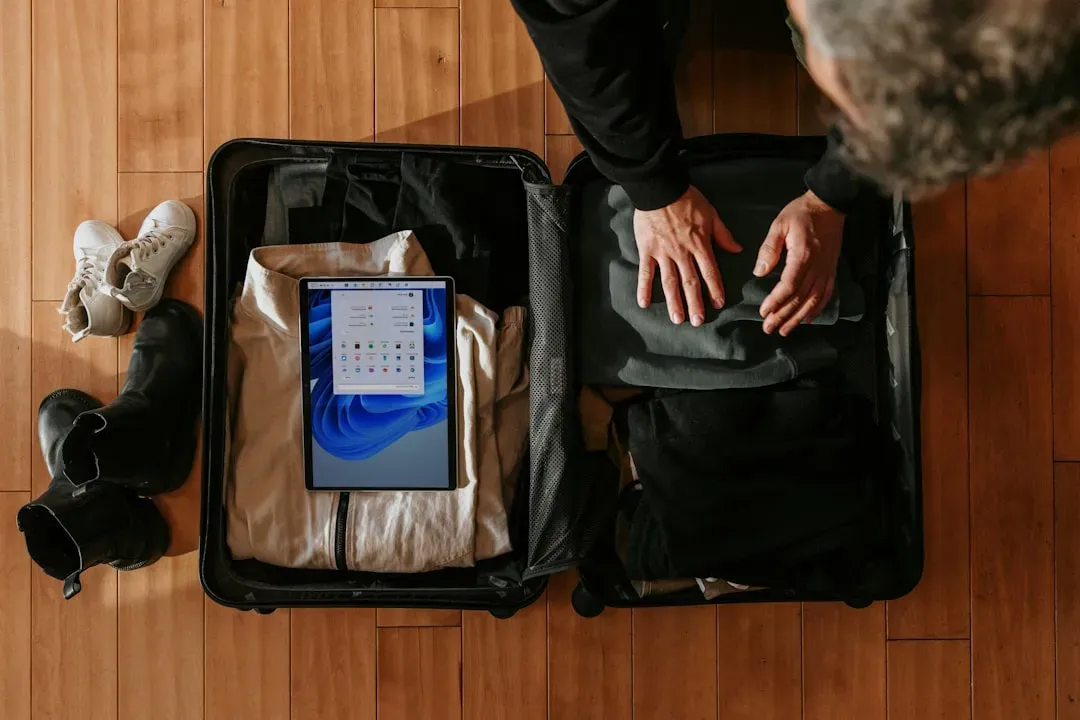
If you’ve never used packing cubes, you’re essentially cramming rolled clothes into a suitcase and hoping nothing shifts into chaos mid-flight. Flight attendants who travel hundreds of days a year are nearly unanimous on this one. Packing cubes act like portable drawers inside your bag — each cube holds a category, everything stays where you put it, and finding one shirt no longer requires unpacking everything on the hotel bed at midnight.
The organizational benefit alone is worth it for longer trips, but the space savings are real too. Compression cubes can reduce the volume of soft clothing by 30% or more. After years of testing every system available, flight attendants consistently land on compartmentalized packing as the most efficient approach. The cubes don’t just save space — they save your sanity on day six when you actually need to find something fast. That said, none of this matters much if you’re packing without a plan in the first place, which is what the next mistake is really about.
Quick Compare: Folding vs. Rolling vs. Packing Cubes
- Flat folding: Familiar but wastes corner space; prone to creasing
- Rolling: Fills gaps and curves in luggage; fewer wrinkles on knits and casual wear
- Packing cubes: Organizes by category; compression versions can cut clothing volume by 30%+
- Best combo: Roll clothes, then load into cubes — the system flight attendants actually use
#9 — Packing Without a Written List (And Paying for It)
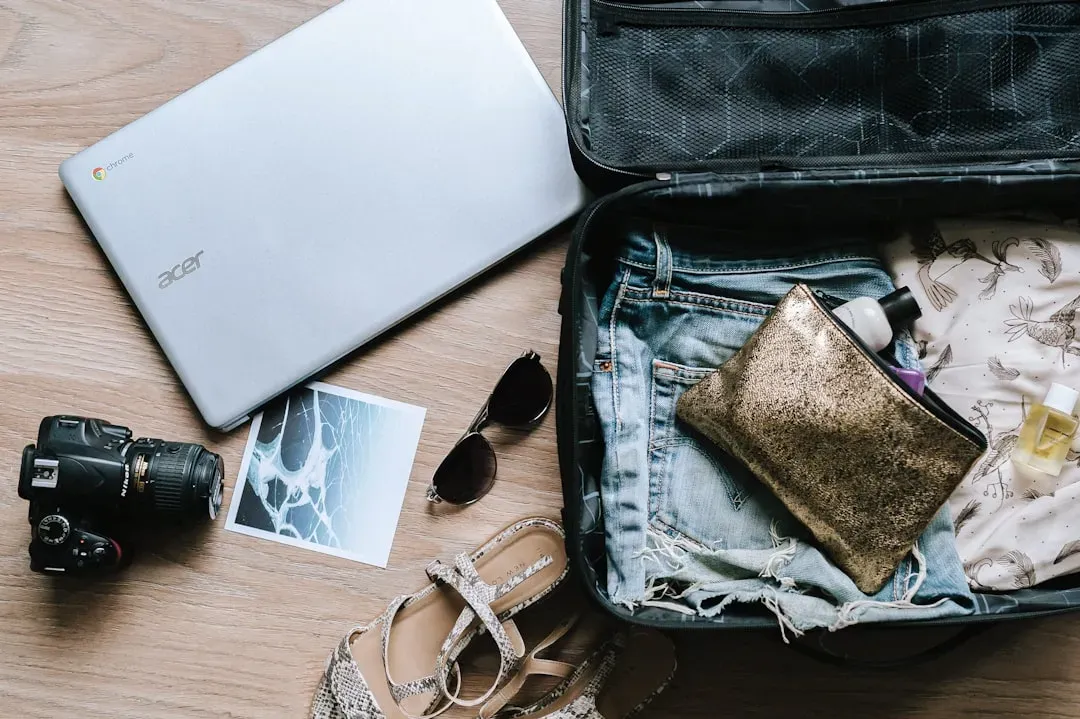
Most travelers over 60 have taken enough trips to feel entirely confident they know what to bring. That confidence is precisely what gets them into trouble. Memory under packing pressure is not reliable — especially when you’re managing travel documents, medications, logistics, and everything else that comes with departure week. Without a written list, the natural response is to compensate for uncertainty by overpacking, or to forget essentials entirely and discover the gap somewhere inconvenient.
Flight attendants see the same forgotten items over and over: phone chargers, travel adapters, the one medication left on the bathroom counter. Starting a packing list three or four days before departure and adding to it as things come to mind is genuinely more effective than packing the night before with a clear head and a clean conscience. The passengers who board the calmest and most prepared are almost always the ones who gave themselves that runway. The next mistake is subtler, but it creates real problems the moment travelers hit security.
#8 — Putting Liquids in Bags That Will Explode at Altitude
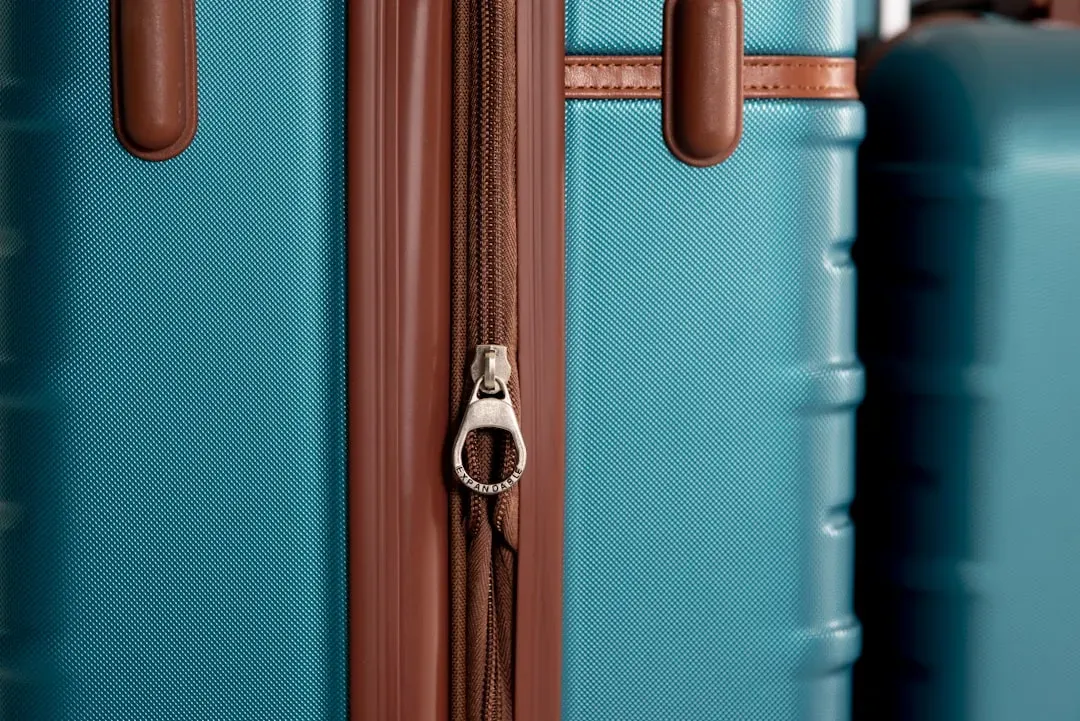
You packed your shampoo perfectly in a neat zip-lock bag. Then the plane reached cruising altitude and everything in your suitcase smelled like lavender for the rest of the trip. The change in cabin pressure causes liquids to expand, and if your containers rely on snap-top lids or aren’t completely full, you’re going to have a very fragrant problem. Flight attendants see this constantly — passengers mid-flight discovering their favorite conditioner has soaked every shirt they packed.
The fix is choosing travel containers with screw-on caps rather than snap or flip tops, and filling them as close to full as possible to minimize the air gap that causes expansion. Always place liquids inside a sealed zip-lock bag regardless — it’s a second line of defense that costs nothing. One leaking bottle of product can ruin every item of clothing in a checked bag. But there’s a separate liquid mistake that gets travelers pulled out of the security line before they even reach the gate, and that’s what comes next.
#7 — Not Knowing the Real Rules for Liquids and Medications at Security
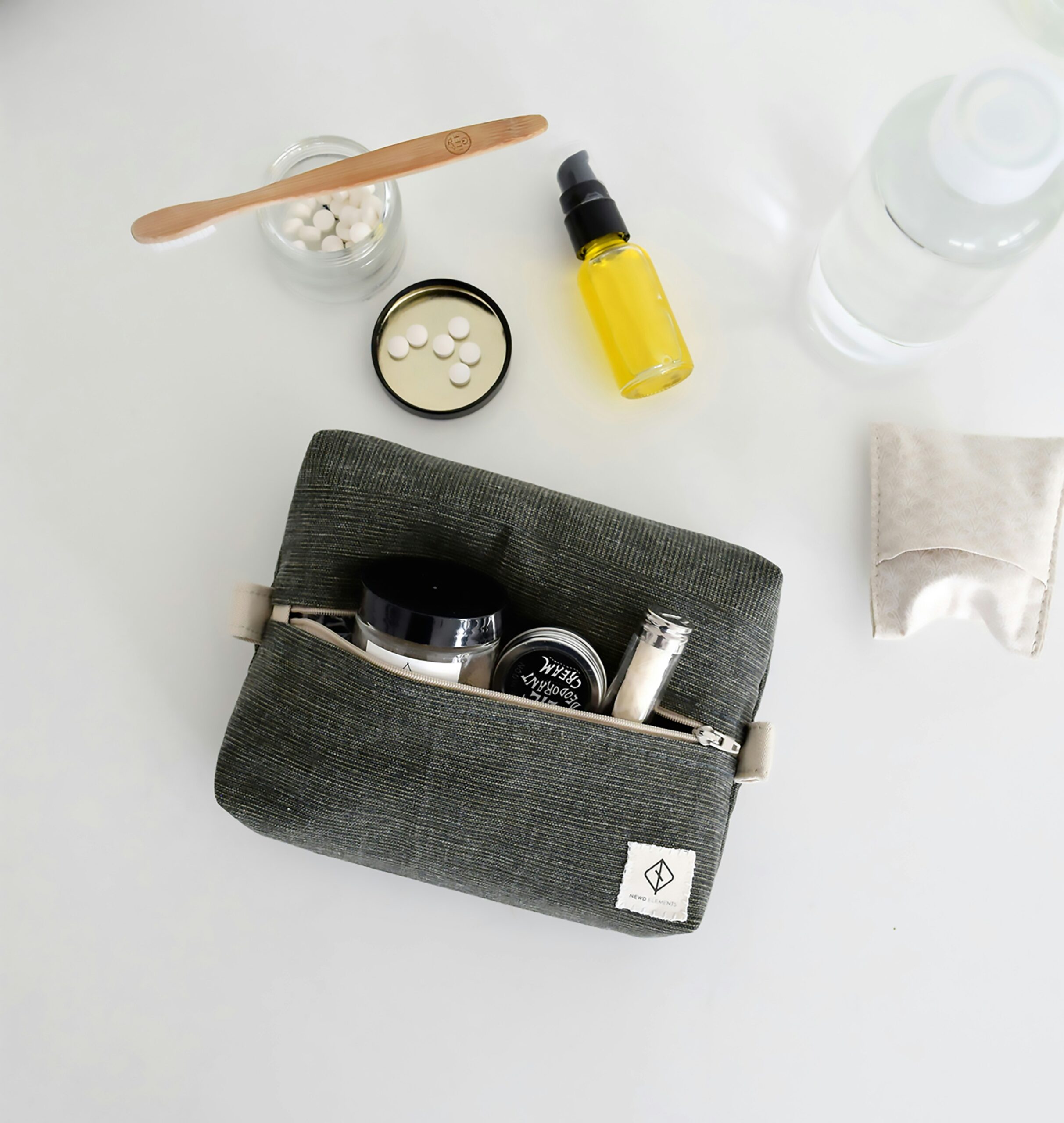
Most travelers over 60 know the 3.4-ounce liquid rule. Very few know that medically necessary liquids — including prescription medications in liquid form — are explicitly exempt from it in reasonable quantities. The TSA states that medication in liquid form is allowed in carry-on bags in excess of 3.4 ounces, and it is not even necessary to place medically required liquids in a zip-top bag. But you must tell the officer that you have medically necessary liquids at the start of the screening process, or you risk a slow, avoidable delay.
The real trap is the weekly pill organizer — something most travelers over 60 use purely out of habit. Transferring pills into an unmarked organizer without keeping the original prescription labels can trigger additional screening and create a headache at the checkpoint that eats into your travel day. For international travel, customs rules vary widely: some countries require the original prescription bottle and may even require a doctor’s letter. Always pack more medication than you think you’ll need in case of delays. What happens with the wrong shoes on a long travel day, though, is a different kind of painful — and that’s what’s next.
Worth Knowing: TSA Medication Rules at a Glance
- Liquid medications are exempt from the 3.4 oz limit — no zip-top bag required for medically necessary liquids.
- Declare liquid medications to a TSA officer before you enter the screening lane — not after.
- Pill organizers are fine domestically, but keep original labeled bottles for international flights and customs.
- Insulin, GLP-1 injectables (Ozempic, Mounjaro), and eye drops all qualify as medically necessary liquids.
- A doctor’s letter is not required domestically but is strongly recommended for controlled substances or international travel.
#6 — Packing Brand-New or Poorly Fitted Shoes for Sightseeing

Flight attendants watch passengers hobble off the plane in obvious agony after long trips, and the culprit is almost always shoes that had no business being in that suitcase. Brand-new shoes that feel fine during a quick try-on at home become instruments of torture somewhere around mile three of cobblestones in a foreign city. Long walking days magnify every small footwear problem — a slightly tight toe box, a heel that rubs, an arch that offers zero support.
Bring shoes that are already broken in. Period. Add moisture-wicking socks, lightweight insoles, and if your ankles tend to swell on flights or in heat, compression socks make a genuine difference. Stylish shoes have their place for dinners and evenings out, but they shouldn’t be your primary walking shoe for a trip that involves real mileage. Most experienced travelers over 60 admit that bad shoes ruined at least one major trip before they finally learned this. Turns out the number of pairs you’re bringing matters almost as much as the fit — and the next slide explains why fewer is almost always better.
#5 — Packing Four or Five Pairs of Shoes “Just in Case”
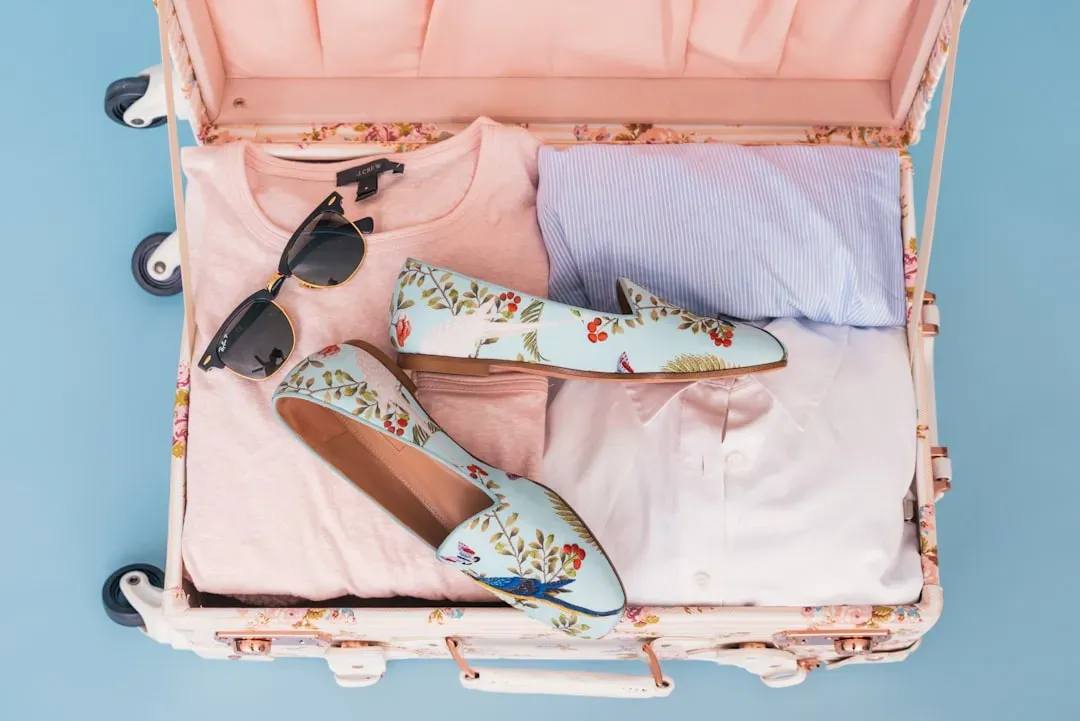
Shoes are the single biggest space-waster in any suitcase, and travelers over 60 tend to overpack footwear more than almost any other category. A fourth pair of shoes almost always stays in the bag for the entire trip — taking up room, adding weight, and contributing nothing to the actual vacation. Most trips genuinely need only two or three pairs: sturdy walking shoes, a casual option for lighter days, and possibly one dressier pair for evenings.
The weight impact alone is significant. A single pair of sneakers can weigh two pounds or more. Two extra pairs that never leave the suitcase add four pounds to a bag you’re going to haul through airports, up hotel stairs, and across train platforms. Flight attendants consistently note that travelers struggling most with their luggage at the overhead bin are almost always the ones who packed “just in case” footwear for every hypothetical scenario. The clothing trap below is just as stubborn — and it starts long before anyone opens a suitcase.
#4 — Packing Clothes That Don’t Mix and Match (The “Outfit Island” Trap)
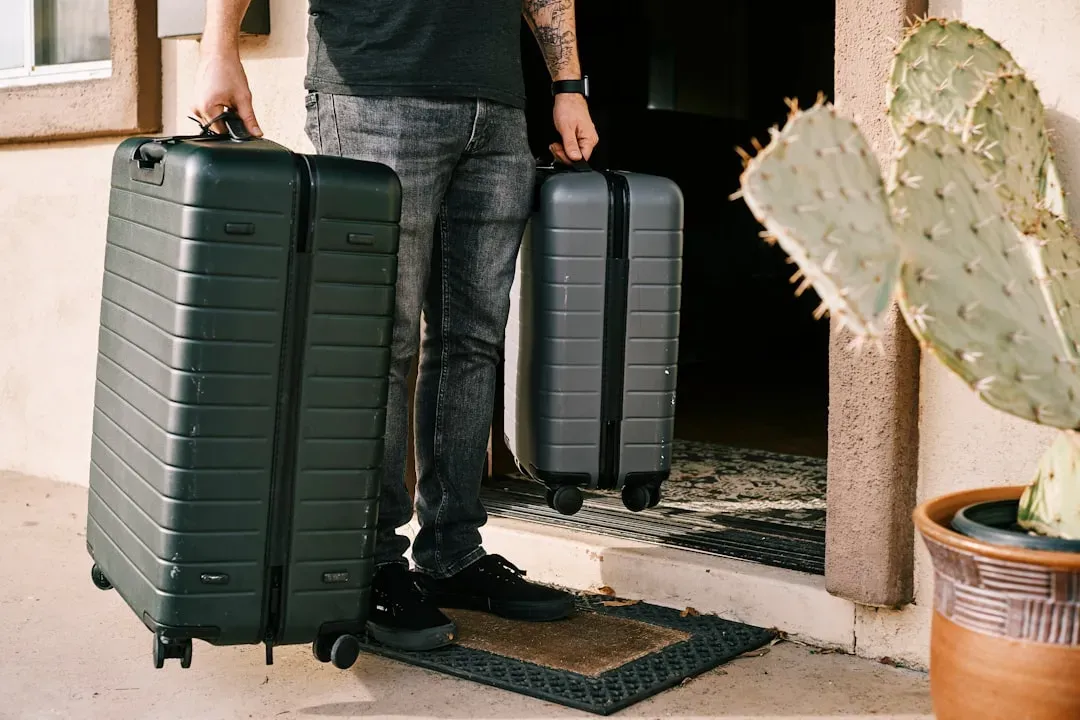
Travelers over 60 often pack in complete, standalone outfits — a specific top for Tuesday, a specific pair of pants for Wednesday’s dinner reservation. Flight attendants and veteran travel bloggers call this the “outfit island” trap, and it quietly doubles the size of almost any suitcase. When nothing works together, you need a separate piece for every occasion instead of a flexible wardrobe that covers the whole trip with far fewer items.
The solution isn’t to plan less — it’s to plan smarter. Choose wrinkle-resistant pieces that work for both day and evening. Stick to a two- or three-color palette so every top pairs with every bottom without a second thought. That single shift can cut the clothing portion of your suitcase nearly in half. When you streamline this way, you also end up with a bag that’s lighter, easier to manage, and far less stressful to repack on checkout morning. None of it helps much, though, if you ignored the weather forecast — which is the avoidable disaster coming next.
#3 — Skipping the Weather Forecast and Packing Blind
Flight attendants see the consequences of this one constantly and it’s almost always avoidable. Travelers arrive in light linen to a rainy European city in May, or haul a heavy winter coat to a Caribbean island in January because it “felt cold when they left home.” Packing without checking an updated forecast doesn’t just mean discomfort — it means buying replacement items at destination prices, which are almost always brutal.
The real trap is checking the forecast two weeks out and packing based on that. A two-week forecast is essentially decorative. Check it 48 hours before you start packing, and again the night before you leave. One versatile layer for unexpected temperature swings covers nearly any scenario without requiring you to prepare for every hypothetical. A light packable rain jacket weighs almost nothing and has saved more vacations than any piece of gear on this list. Mistake #2 is one that practically signals “easy target” to anyone watching at the baggage carousel — and it’s far more common than most people realize.
#2 — Leaving Bags Unlabeled and Untracked
Here’s a number that should alarm every traveler who checks a bag: U.S. airlines collected a record $7.27 billion in baggage fees in 2024, with American, United, and Delta leading the haul. That’s an enormous volume of bags moving through a system — and a meaningful percentage of them go missing or get delayed. Yet the majority of travelers over 60 still don’t use luggage trackers, and many don’t even attach a proper name-and-contact label to the outside of their suitcase. If your bag goes missing, that label is often your only fast path to getting it back.
Technology has made bag tracking almost effortless. The second-generation Apple AirTag — released in early 2026 and priced at $29 for a single unit — slips inside any bag and lets you watch your luggage move through the system from your phone in real time. It even integrates directly with more than 50 airline customer service teams so agents can help locate a delayed bag using your live tracking link. According to data cited by Apple, carriers using this Share Item Location feature have seen baggage delays drop by 26% and “truly lost” luggage incidents fall by 90%. The passengers who recover their bags fastest are almost always the ones who can show an agent exactly where it is sitting. But the single most consequential packing mistake on this entire list — the one flight attendants mention first — is the one coming up right now.
Why It Stands Out: Luggage Trackers in 2026
- Apple AirTag (2nd gen, 2026): $29 single / $99 four-pack — works via the global Find My network of hundreds of millions of Apple devices.
- Share Item Location feature partners directly with 50+ airlines including Delta, United, and Lufthansa.
- Carriers using AirTag’s Share Item Location report 26% fewer baggage delays and 90% fewer truly lost bags.
- Android users: Tile trackers offer comparable tracking and are compatible with non-Apple devices (Tile Premium subscription required for some features).
- A physical luggage tag with your name, phone number, and email is still your cheapest and most reliable first line of defense.
#1 — Packing a Bag So Heavy You Can’t Manage It Alone
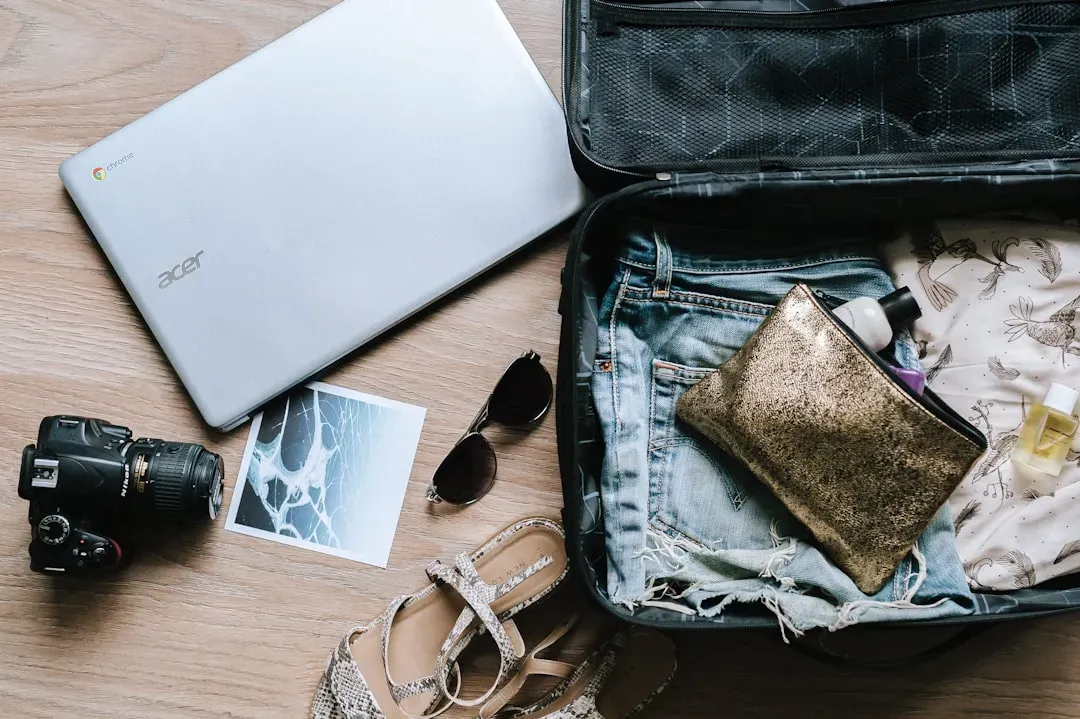
Flight attendants have watched this scenario play out thousands of times: a traveler — often over 60, often alone — arrives at the gate with a bag they physically cannot handle independently. It cascades into everything. The boarding process slows down. The overhead bin situation becomes a group problem. And that’s just the airport. A bag that’s too heavy to manage alone becomes a serious liability on train platforms, cobblestone streets, steep hotel staircases, and any destination where a porter or cart simply isn’t available — which describes most of the world’s most beautiful places.
The true cost of an overloaded bag isn’t just the airline fee. It’s the time at baggage claim, the physical strain through every leg of the journey, the energy burned before you’ve seen a single thing worth seeing. The golden rule flight attendants apply to their own bags: if you can’t lift it comfortably and get it into the overhead bin without help, it’s too heavy. A lighter bag doesn’t mean a lesser trip. It means you arrive at every destination with something left over — the energy to actually enjoy it.
The honest truth is that most of these mistakes aren’t about inexperience. They’re about habits that made perfect sense for decades and simply haven’t kept pace with tighter airline policies, smarter packing tools, and the very real physical demands of traveling in your 60s, 70s, and beyond. Flight attendants aren’t judging. They’re watching the same patterns repeat thousands of times a year and quietly wishing more passengers had gotten the memo before they reached the gate. Now you have it — share it with someone who needs it before their next trip.