

You’ve traveled internationally. You’ve navigated foreign cities without a tour guide, packed light for two-week trips, and never once missed a flight that mattered. So you’d think stepping onto a cruise ship for the first time at 60-plus would feel natural – and then the final bill arrives, the shore excursion leaves without you, and you spend three nights directly above the nightclub wondering where it all went sideways. Veteran cruisers see it happen on practically every sailing: sharp, seasoned travelers getting blindsided by a world that runs by its own rulebook.
The cruel irony is that cruising punishes confident assumptions harder than it punishes total ignorance. A first-timer who knows nothing asks questions. A traveler who’s been to 40 countries assumes they’ve already figured it out – and that’s exactly when the ship gets you. A few of these will feel obvious in hindsight. The last one has ended actual dream vacations. Here’s what the veterans actually say.
#14 – Assuming the Headline Price Is What You’ll Actually Pay
The fare on the booking page is genuinely just the opening bid. Cruise lines operate on cashless cruise cards that charge every expense to an invisible onboard tab – cocktails, spa treatments, souvenirs, specialty coffees – and because nothing feels like spending real money in the moment, that tab has a way of quietly doubling the cost of a vacation before the final morning arrives. Most first-timers don’t check the account until checkout day, and the number waiting for them is a genuine shock.
Then there are automatic gratuities, which arrive as a separate line item entirely. At some lines these run as high as $25 per person per day – not per room, per person – and they apply across the entire length of the voyage. Budget for both before you board, and check your onboard account every single evening the way you’d check your bank app at home. The passengers who do that never look surprised on the last morning.
#13 – Booking the Cheapest Cabin Without Checking Where It Actually Sits on the Ship
Inside cabins and “guaranteed” fares look like bargains until the ship assigns you a room sandwiched between the laundry facility and a late-night lounge. As travelers get older, where the cabin sits on the ship matters enormously – not for prestige, but for sleep. Nightclubs, live music venues, and theater spaces directly above or below a cabin create noise that doesn’t stop until 2 AM, and that matters far more when you’re not the one down there dancing.
The fix takes ten minutes and costs nothing: pull up the ship’s actual deck plan before booking and map your cabin against the entertainment venues, the pool deck above, and the engine room below. Midship cabins on lower-to-middle decks are almost universally the quietest and the most stable when seas get rough – and they rarely cost meaningfully more than the noisiest options. Never let the booking engine pick your cabin location for you.
#12 – Skipping Travel Insurance Because “Nothing Has Gone Wrong Before”
Experienced travelers have long track records of things going right, and that track record becomes the enemy when they step onto a ship. On land, a medical emergency means getting to a hospital. In the middle of the Atlantic, it means the ship’s onboard medical center – which bills at rates that will stun you – and potentially a medevac evacuation that most people are completely unprepared to pay for out of pocket. An air medical evacuation from the Caribbean to the U.S. mainland alone can run around $20,000, and evacuations in Alaska or the South Pacific can exceed $100,000 – none of it typically covered by standard health insurance or Medicare abroad.
What catches over-60 travelers specifically off-guard is that many travel insurance policies carry age-related restrictions or pre-existing condition exclusions buried in the fine print. You need a policy that explicitly covers medical evacuation from a vessel at sea, not just trip cancellation. Experts recommend a minimum of $150,000 in medical evacuation coverage for cruise passengers. Read the policy before you buy, not after you need it. Veteran cruisers treat comprehensive travel insurance exactly the way they treat their passport: completely non-negotiable.
Worth Knowing: What Cruise Medical Coverage Actually Costs You
- A doctor’s in-office consultation onboard runs $109–$150 during regular hours – more nights and weekends
- Air medevac from Caribbean waters to the U.S. mainland: approximately $20,000
- Air medevac from Alaska, South Pacific, or Australia: can exceed $100,000
- Medicare generally does not cover medical care in international waters or foreign ports
- Pre-existing condition waivers on travel insurance typically must be purchased within 14–30 days of your initial trip deposit
#11 – Arriving the Same Day the Ship Departs
This is one of the most preventable disasters in cruising, and it hits experienced travelers especially hard because they’ve done same-day travel a hundred times without incident. The difference is simple and absolute: a delayed flight doesn’t hold the ship. Not for weather, not for mechanical issues, not for anything. The ship will sail on schedule, and you will watch it leave from an airport gate or a delayed runway with no good options ahead of you.
The cost of missing embarkation is brutal – you’d be responsible for booking last-minute flights to the ship’s next port at your own expense, often overnight, often international. A single extra hotel night in the departure city is dramatically cheaper than that scramble, and it comes with a real bonus: you board rested, you’ve already explored the city, and embarkation morning feels like a pleasure instead of a sprint. Every veteran cruiser who’s ever cut it close books the night before now. Every single one.
#10 – Not Downloading the Cruise Line’s App Before Boarding
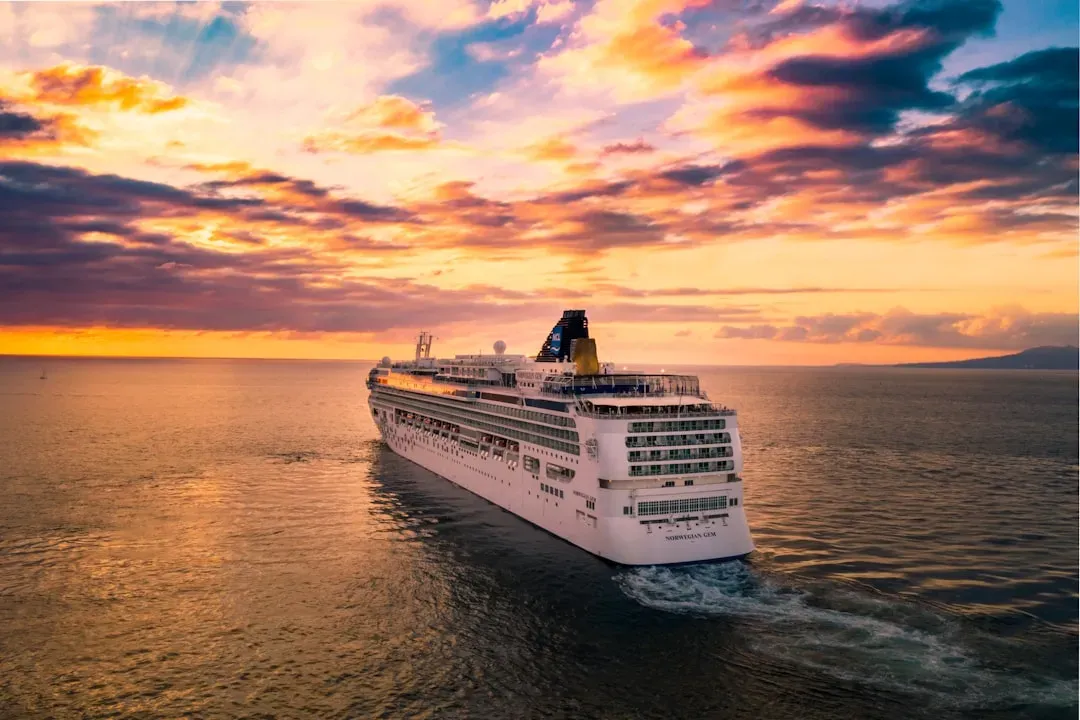
Every major cruise line now runs its daily operations – dining reservations, entertainment bookings, daily schedules, onboard messaging, account tracking – through a dedicated smartphone app. Passengers who don’t set it up before boarding spend the first half of day one fighting the technology instead of enjoying the ship. The learning curve isn’t steep, but it’s genuinely annoying when you’re also trying to find your cabin and figure out where lunch is.
The real trap for first-time cruisers is assuming the ship will operate like a hotel, with printed schedules, walk-up dining, and front desk conversations. On modern mega-ships, that’s increasingly not how it works. Popular show bookings and specialty dining slots can sell out within hours of the reservation window opening – and that window often opens weeks before you board. Set up the app at home, link your booking number, and grab reservations the moment they become available. It takes 20 minutes and prevents a surprising amount of frustration.
#9 – Only Eating at the Buffet

The buffet is right there, it’s included, it’s familiar, and it’s open essentially all day. So first-time cruisers – especially those trying to feel like they’re getting their money’s worth – gravitate toward it constantly and never leave. Veterans watch this happen on every sailing and wince a little, because those passengers are eating the least interesting food on the ship while the real dining experience sits one deck down, empty.
The main dining room is fully included in your fare and serves a multi-course sit-down dinner every evening with regional menus, made-to-order dishes, and staff who can accommodate nearly any dietary preference. Specialty restaurants do cost extra, but veteran travelers consistently say they’re worth it – from Japanese teppanyaki to upscale steakhouses to celebrity chef concepts that genuinely rival land-based restaurants. Book them early through the app. They fill up within the first 48 hours of boarding.
Quick Compare: Where to Actually Eat on a Cruise Ship
- Buffet (Lido deck): Included, convenient, crowded at peak hours – best for casual breakfasts and lunches
- Main Dining Room: Included, multi-course, waiter service – the most underused option among first-timers
- Specialty Restaurants: Extra fee ($25–$60+ per person) – celebrity chef concepts, steakhouses, sushi bars; book as early as possible
- Room Service: Included or small fee; ideal for sea days or late arrivals back from port
#8 – Ignoring Dietary Needs Until It’s Too Late

Cruise ships are remarkably accommodating to dietary restrictions – gluten-free, low-sodium, diabetic-friendly, allergen-aware – but the kitchen needs advance notice to make it work. Without it, you’re choosing from whatever happens to be available that evening, which is fine for some nights and frustrating on others. For over-60 travelers managing real health conditions, this isn’t just a comfort issue. It’s a question of whether dinner is actually safe to eat.
The time to notify the cruise line is at booking, not at dinner on night one. Most lines have an online dietary needs form or a dedicated department that communicates your requirements to the kitchen before you ever board. Once on the ship, reconfirm with your dining room head waiter on the first evening – they’ll plan around your needs for the entire voyage. It takes five minutes and changes every single meal you eat for the rest of the trip.
#7 – Booking Shore Excursions Without Honestly Checking the Physical Demands
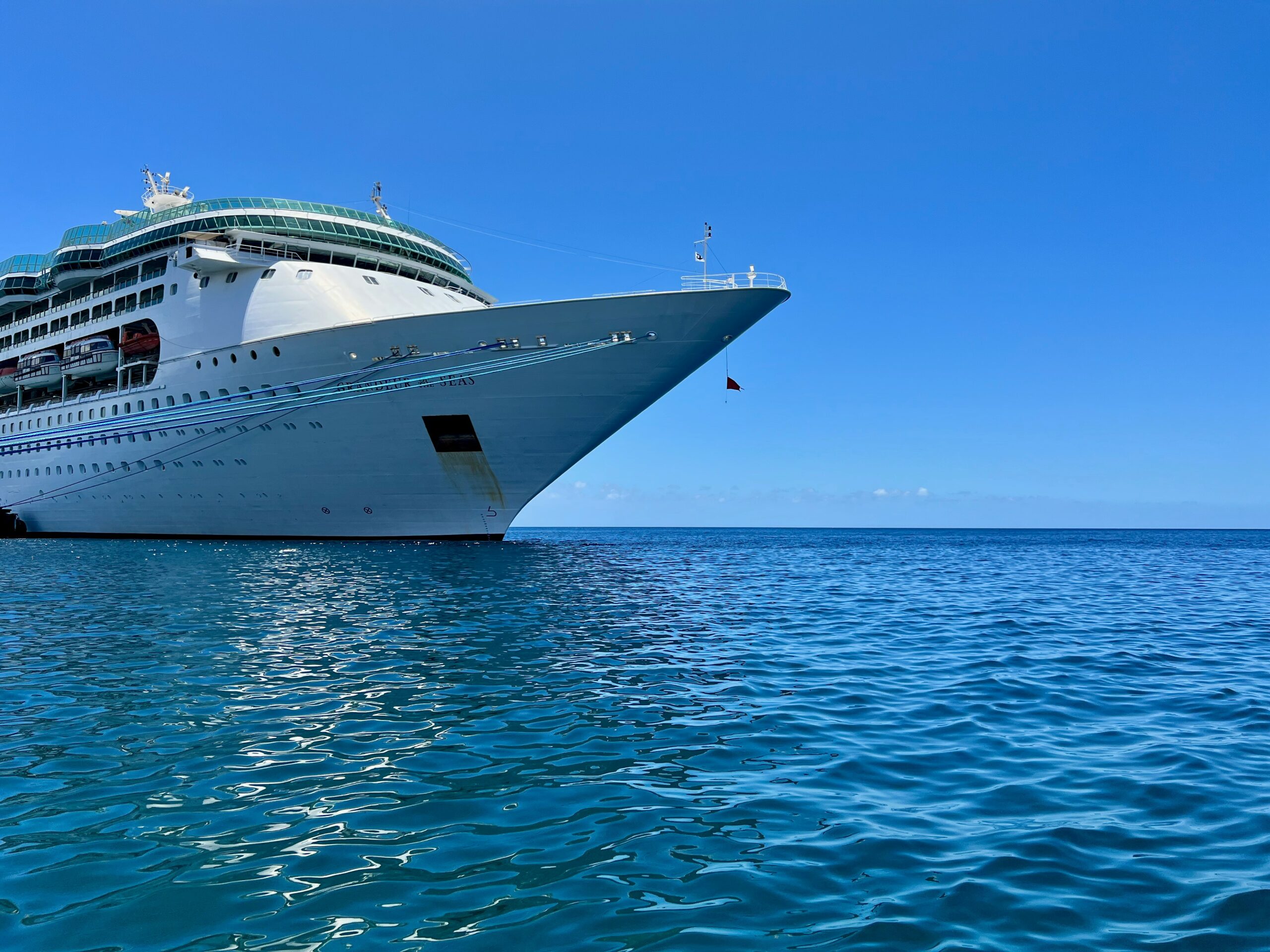
This is the one that active, confident over-60 travelers walk into most squarely – because they’ve hiked before, they’re in good shape, and the photos look beautiful. Then they’re three miles into a cobblestone walking tour in 95-degree Caribbean heat and someone in the group is in real distress. The excursion description mentioned “moderate walking” and technically wasn’t wrong. It just didn’t mention the hills, the uneven surfaces, or the fact that “moderate” varies wildly by who’s writing the copy.
The consequences of overestimating your capacity on a shore excursion are serious in a way that land travel usually isn’t – you could end up stranded, overheated, or injured in a foreign port with limited medical resources and a ship that sails at a fixed time regardless of your situation. Read the small print on every excursion listing: it will include fitness levels, total distances, surface types, number of stairs, and climate conditions. If anything is unclear, call the Shore Excursions desk and ask directly. Honest self-assessment before booking isn’t pessimism. It’s what separates a great day ashore from an emergency.
#6 – Not Understanding How Tender Ports Work
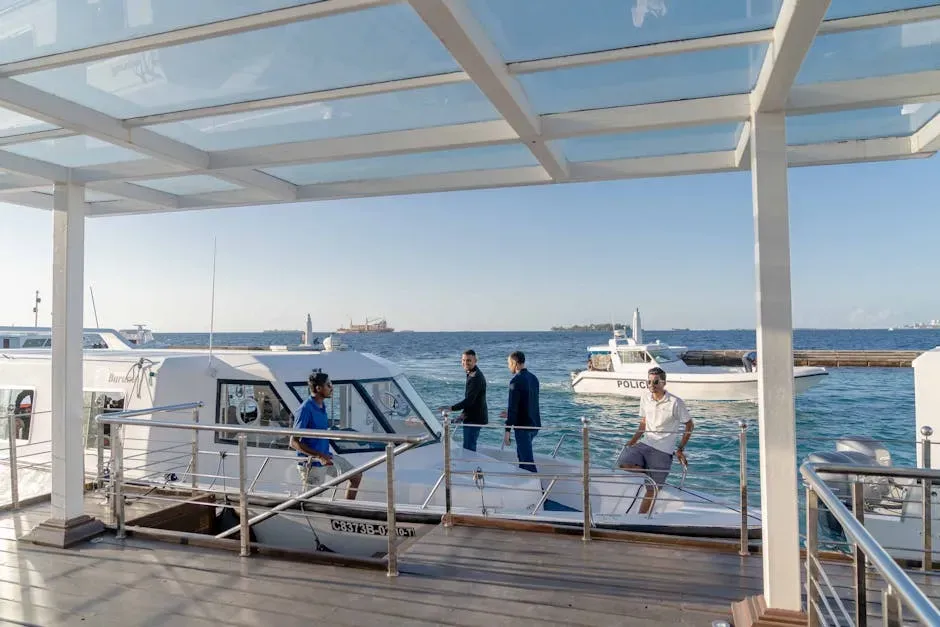
Most first-time cruisers picture arrival at every port the same way: the ship docks, a gangway extends, you walk off. At tender ports – where the harbor is too shallow or too small for the ship to dock – that’s not what happens. Instead, passengers are ferried ashore in small boats called tenders, and the line for those boats on a busy morning can consume one to two full hours of your port day if you don’t know the system. That’s a significant chunk of a day you paid good money to enjoy.
Booking a cruise line excursion at a tender port almost always comes with priority disembarkation, which can save between 30 and 90 minutes over independent travelers waiting in the general tender queue. Check your itinerary before you board and identify which ports require tendering – those days need earlier wake-ups and more patience built in. Wandering down to the tender deck at 10 AM without a plan on a busy port day is a reliable way to watch your time ashore vanish.
Fast Facts: Tender Ports
- Common tender destinations include Santorini (Greece), Bora Bora, Dubrovnik, and many Caribbean anchorage stops
- Tender queues on busy mornings can run 60–120 minutes for general boarding
- Cruise line excursion bookings almost always include priority tender access
- Tender boats run on a schedule – the last one back to the ship has a fixed cutoff time
- Rough seas or high winds can suspend tendering entirely, canceling your port day without warning
#5 – Misreading Ship Time Versus Local Port Time
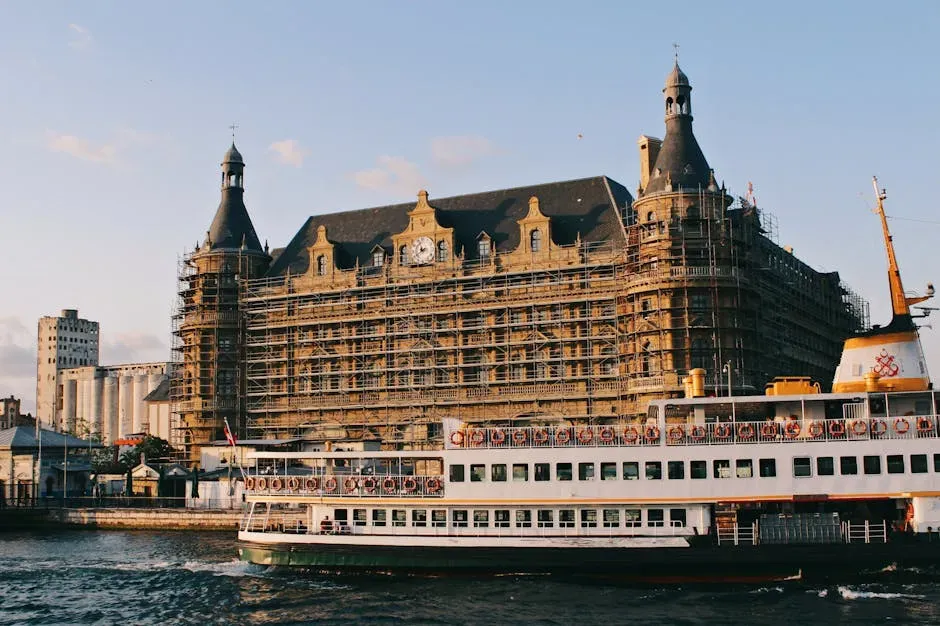
This mistake sounds almost too minor to mention – and then it costs someone a dinner reservation, a booked excursion departure, or an entire afternoon in port. Ships frequently operate on a single fixed time zone throughout a voyage, even as the ports they visit fall in different zones. So while you’re docked in a city where the local clock reads 9 AM, the ship’s official time might be 8 AM. Your excursion leaves at 8:15. You are not on it.
The smartphone is the specific villain here: the moment your phone connects to a local cell tower in port, it automatically updates to local time – and most people glance at their phone clock without thinking. Veterans solve this with a simple habit: keep a dedicated watch set to ship time for the entire voyage, and check the ship’s app for all scheduled events rather than the phone clock. It’s a tiny adjustment that prevents a specific, maddening kind of frustration.
#4 – Overpacking (Yes, Even Experienced Travelers)
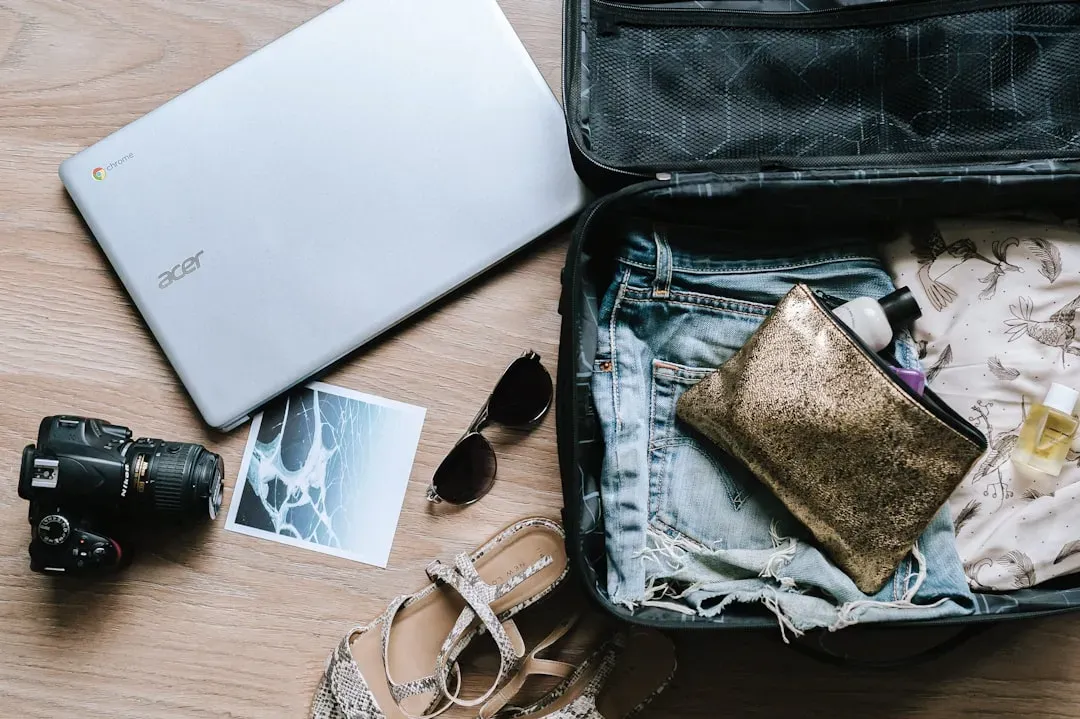
You’ve packed for international trips. You know what you’re doing. And cruising will still get you, because the packing dynamic on a ship is genuinely different from any other kind of travel. Cruise cabins – even comfortable ones – are significantly smaller than a standard hotel room, with far less storage. A full week of outfits for two people fills the space almost completely, and there’s no closet overflow, no spare chair to drape things on, no room under the bed that isn’t already taken.
The specific trap for over-60 first-timers is packing for every “what if”: what if there’s a formal night, what if it gets cold, what if there’s a themed event? Check your specific ship’s dress code before you pack – formal nights have relaxed considerably on most mainstream lines in recent years. And on embarkation day, keep one critical category of items in a carry-on rather than checked luggage: a change of clothes, swimsuit, sunscreen, all medications, and any valuables. Checked bags can take four to six hours to reach your cabin. That first afternoon aboard shouldn’t be spent in your boarding clothes waiting for a suitcase.
#3 – Assuming Seasickness Won’t Be an Issue

Well-traveled people dismiss this one confidently, and then they spend day two of their dream vacation lying completely still in a darkened cabin hoping it ends. Seasickness has nothing to do with how experienced a traveler you are, how strong your stomach normally is, or how many boats you’ve been on before. It has to do with your inner ear, the specific rolling motion of a ship in open swells, and ocean conditions that no one can predict. It can hit people who’ve never had a stomach problem in their lives.
The mistake isn’t getting seasick – it’s failing entirely to prepare for the possibility. Over-the-counter options like meclizine (Bonine) or dimenhydrinate (Dramamine) work best when taken before symptoms begin, not after. Prescription scopolamine patches, available from your doctor before departure, are highly effective for multi-day ocean crossings. Pack remedies regardless of your confidence level, request a midship cabin on a lower deck where movement is least pronounced, and talk to your doctor if you have any concerns before you ever leave home.
#2 – Treating the Gratuity System Like a Land Hotel
Hotel guests are used to tipping a handful of people – the bellhop, maybe housekeeping. On a cruise ship, gratuities are a structured, built-in component of how the entire crew actually gets paid. Most crew members earn base salaries well below what land-based hospitality workers make, and tips – through the automatic daily gratuity system – make up a significant portion of their real income. Not understanding this going in leads to both financial surprises and unintentionally shortchanging people who worked hard for you all week.
The automatic daily gratuity is charged per person, not per cabin, and multiple cruise lines raised their rates again in 2025 and into 2026. What many first-timers don’t realize is that an additional 18–20% gratuity is automatically added to every bar tab, every spa service, and every specialty dining bill – on top of the daily per-person charge. On a typical seven-night cruise for two, daily gratuities alone can add up to $250 or more before a single drink is poured. Know the full picture before you board, budget for it honestly, and don’t try to navigate around a system that directly feeds the people cleaning your cabin twice a day and bringing you coffee every morning.
#1 – Assuming the Passport Situation Is the Same as Any Other International Trip
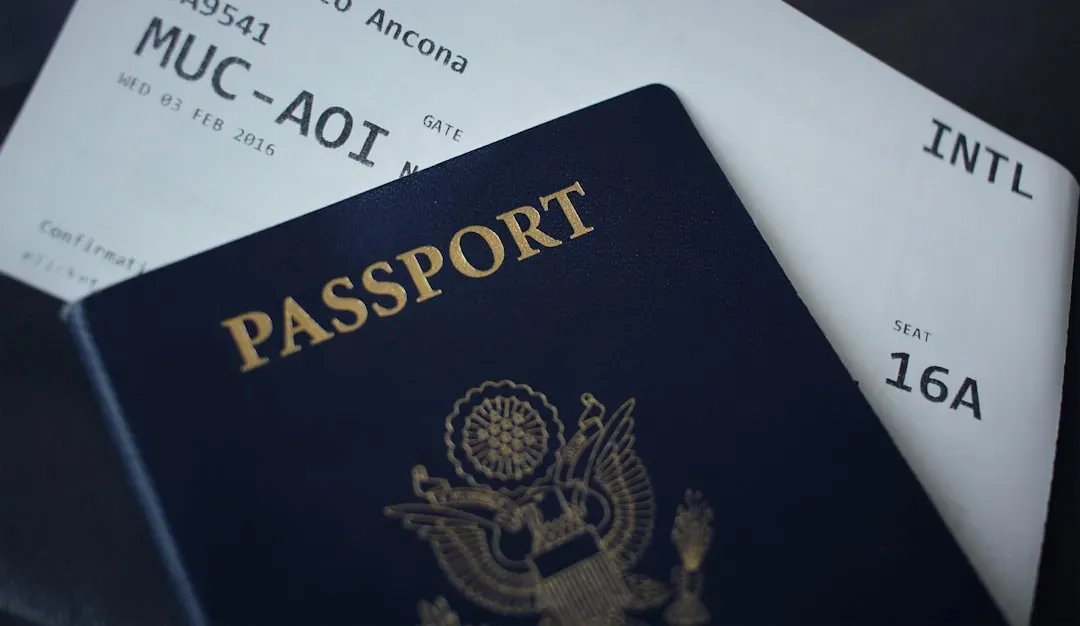
This is the single most consequential mistake on the entire list – and it’s the one that ends actual dream vacations. Many cruises are technically “closed-loop” sailings, meaning they depart and return to a U.S. port, which legally allows boarding with certain non-passport documents like a birth certificate and government ID. Experienced travelers see that legal minimum and assume it means they’re covered. They are not covered. They are one medical emergency away from a serious problem.
Here’s the specific nightmare: if you fall ill in a foreign port and need to fly home, a birth certificate will not get you onto an international flight. You would be stranded in a foreign country, without documentation, while your ship sails. And passport expiration is its own trap – many countries require at least three to six months of validity remaining beyond your travel dates, and a passport that’s technically “valid” can still get you turned away at a foreign port of entry. Always sail with a valid passport book no matter what the minimum requirement says, and check the expiration date the moment you book, not the week before you leave.
The through-line in all 14 of these is the same quiet truth: cruising is its own ecosystem, and it rewards people who treat it like one. The travelers who get blindsided aren’t careless – they’re experienced at other kinds of travel, and that experience quietly works against them. The ship doesn’t care how many countries you’ve visited. It runs on its own time, its own financial system, and its own rules. Every mistake on this list is completely avoidable once you know it exists. Which one caught you off-guard? Drop it in the comments.