
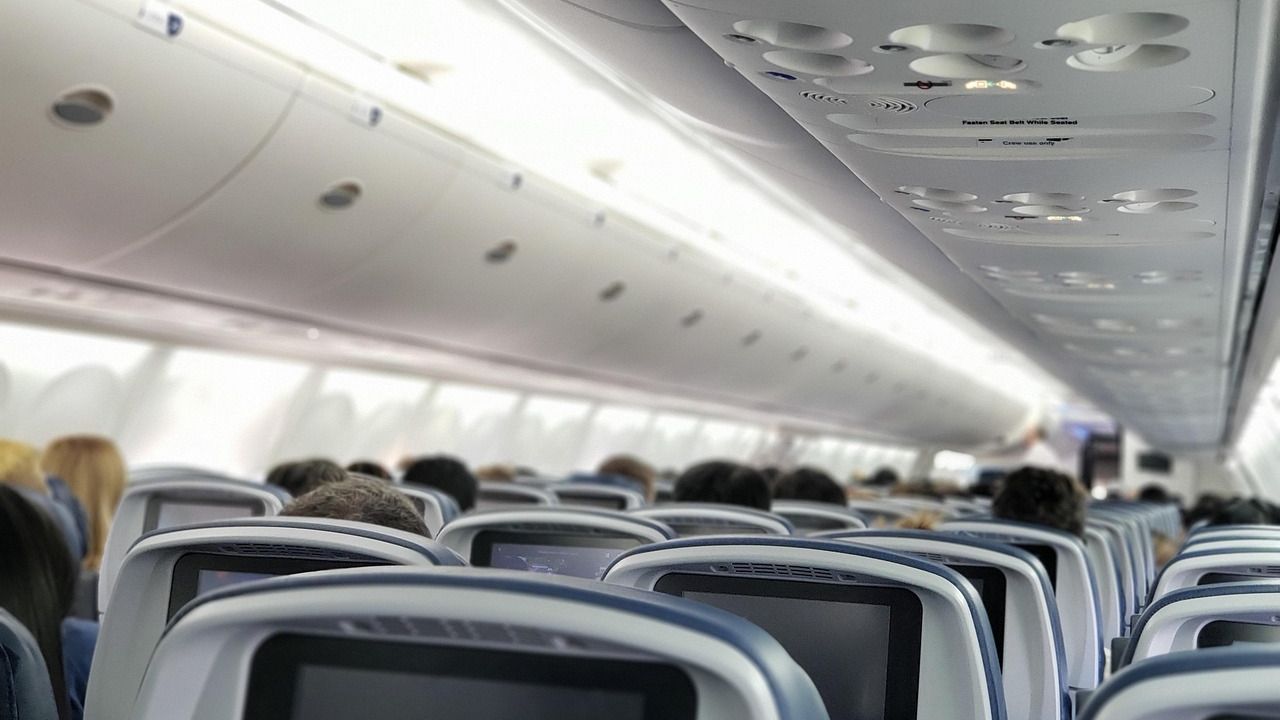
There’s a small, unspoken theater that plays out on almost every flight. Someone gets assigned the middle seat. They settle in, wedged between two strangers, and then they do nothing. No elbow claimed, no territorial nudge, no sigh. They just sit there, perfectly composed, while the people on either side quietly negotiate their inch of shared armrest. That stillness is worth examining.
Most of us read the middle seat as a loss. The data actually tells a more complicated story, one that touches on social psychology, personal space, power dynamics, and the strange sociology of the modern airplane cabin. It turns out the person who chooses not to fight might understand something the rest of us don’t.
The Most Avoided Seat in the Sky
Most passengers clearly have a preference, with roughly two thirds preferring a window seat, just under a third preferring an aisle seat, and only about one in sixty actively preferring the middle. That number isn’t surprising. What is surprising is how much psychological weight gets loaded onto that middle seat before the plane even leaves the gate.
Choosing your seat on an airplane is a big deal to travelers. People obsessively check seat review sites before picking a seat or even pay more for a certain position on the plane. That behavior reveals something real: for many passengers, the seat choice isn’t about comfort alone. It’s about control, identity, and how we signal our standing in a shared space.
The Armrest Debate Nobody Has Actually Resolved
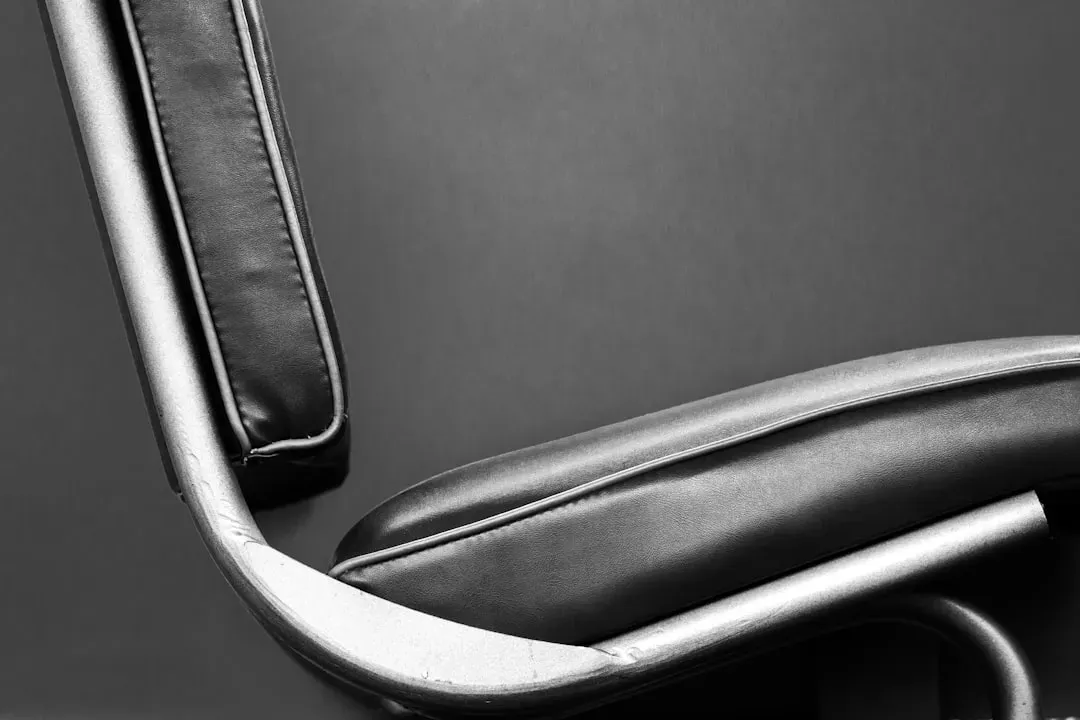
In the airplane context, the armrest has gained an outsized symbolic importance in the passenger experience. As airlines move toward more tightly packed seating arrangements, the armrest has become a flashpoint for the issue of the lack of personal space on the plane, provoking numerous “armrest wars” among adjacent passengers.
A 2023 survey by online booking platform Kayak polled more than 1,000 adults and found that more than half, specifically 57 percent, disagree with the idea that if you’re in the middle seat, you get to claim both armrests. This is a striking finding, because most etiquette professionals and frequent flier writers land firmly on the opposite side of that argument. Travel writer Benét J. Wilson has noted that the middle-seat passenger deserves both armrests, pointing out that the window person has the fuselage and control of the shade, while the aisle person has access and can put their leg out when flight attendants aren’t serving.
Power and Personal Space: What Psychology Actually Says
Chris Lipp, a social psychologist at Tulane University who studies power dynamics, says airplane seat rituals expose how confident we feel in public spaces. People who feel more powerful are less sensitive to sitting next to someone, he notes. They’re comfortable with less interpersonal space, less worried about others encroaching, and less vigilant because they don’t feel threatened.
Research published in Experimental Brain Research found that participants with a higher sense of power showed a less defined differentiation between close and far space compared to participants with a lower sense of power. This effect was replicated even in non-social contexts after participants were reminded of a moment of personal power. Social power, the perception of power over others’ behavior, appears to affect the multisensory representation of the self in space by blurring the differentiation between one’s own personal zone and the space of others.
The Paradox: Not Claiming Is a Form of Claiming
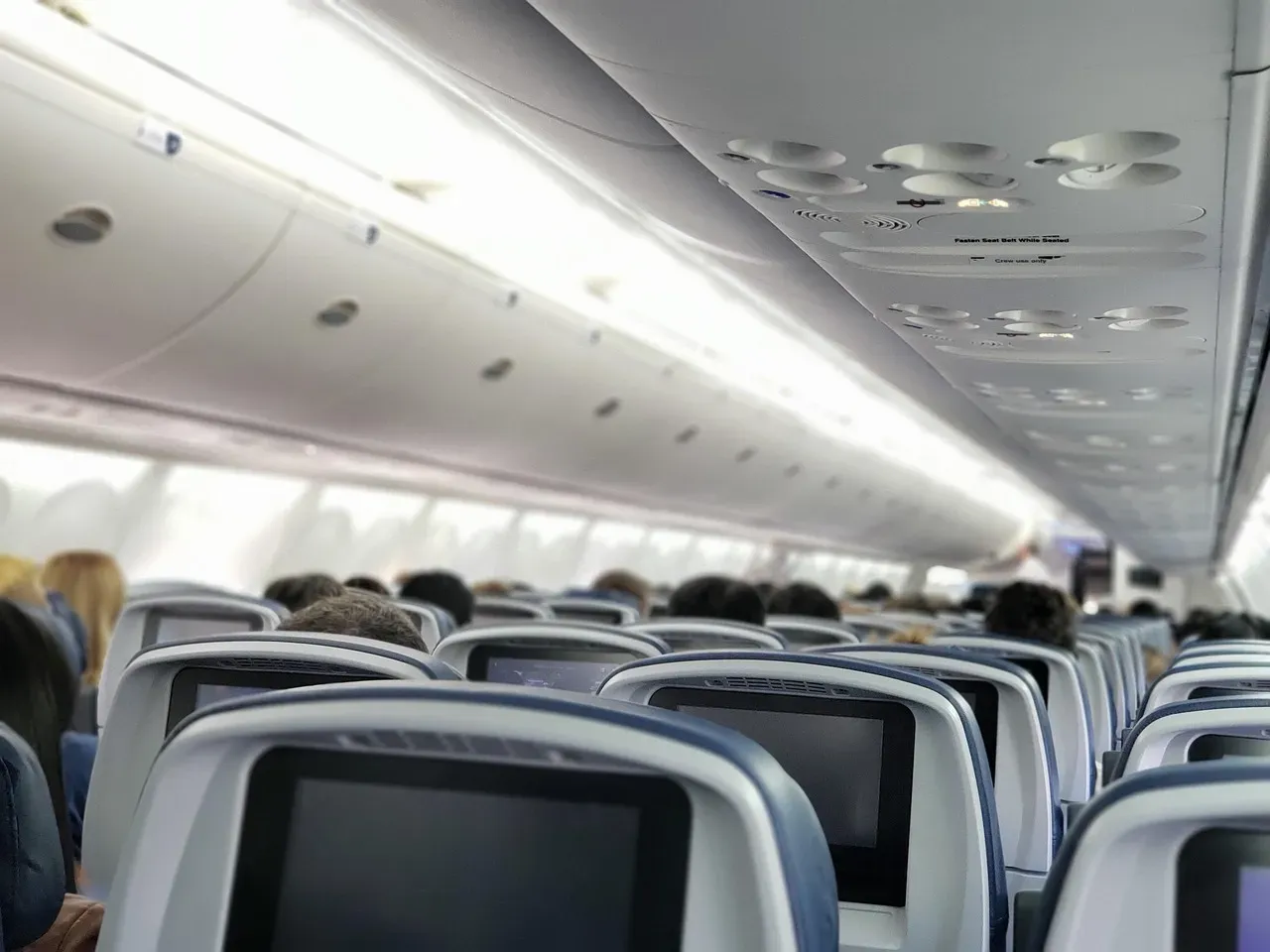
Lipp notes that truly powerful people can tolerate the middle seat. They will claim both armrests without hesitation, exuding a confidence that likely extends beyond the cabin. Anxious travelers, by contrast, either guard the armrest like a border wall or avoid it completely to prevent any contact.
There’s a subtler version of this, though, and it’s the one this article is really about. The person who doesn’t reach for the armrest at all isn’t necessarily anxious. They may be operating from a different place entirely: a kind of settled indifference to the whole contest. As University of Washington psychologist Jonathan Bricker has observed, being okay with the middle seat, especially on a long flight, is an exercise in acceptance and a willingness to allow what is to simply be what is. That’s not passivity. That’s a specific kind of composure.
Emotional Reaction to Armrest Intrusion Is Rarely Just About the Armrest
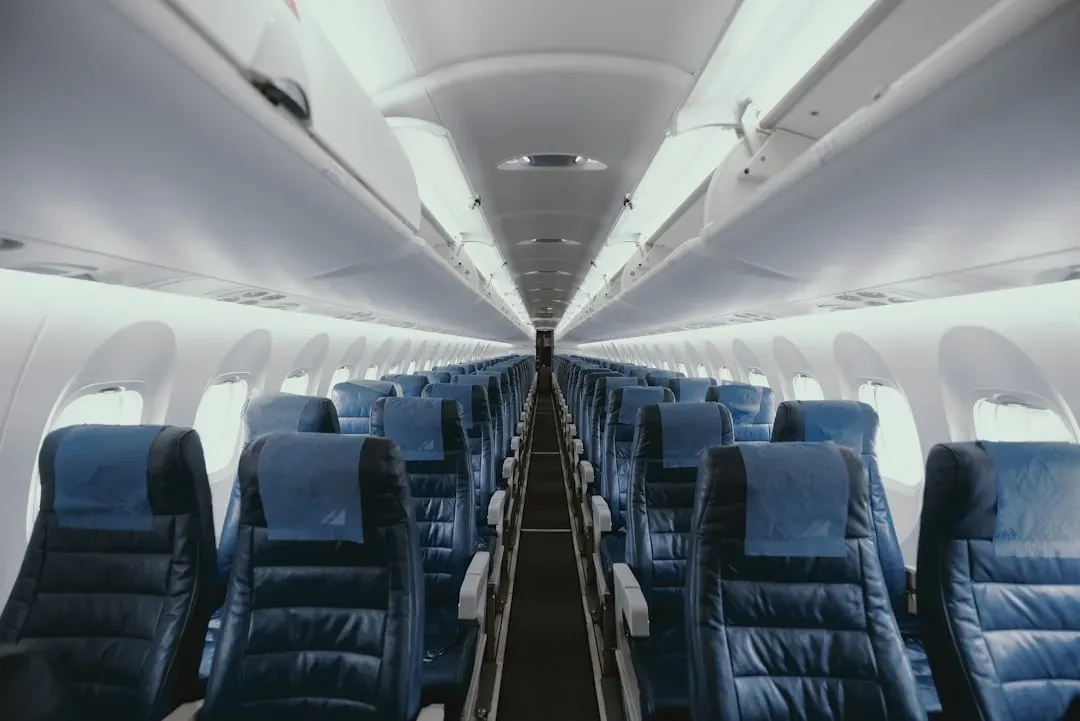
The outsized emotional reaction to armrest intrusion is likely not just about the armrest itself, but rather the accumulation of physical discomfort created by multiple intrusions. This is further compounded by factors unique to air travel, specifically the increased difficulty in removing oneself from uncomfortable situations and the increased amount of time one may need to tolerate personal space invasions. This creates higher levels of stress about the prospect of direct confrontation.
This leads many people to employ non-direct coping strategies, from dropping hints and passively reclaiming space, to simply ignoring the issue and distracting themselves. Even outside of airplane travel, it is unusual for people to confront others directly about space intrusions. The person who simply doesn’t engage with the armrest fight skips the entire emotional loop. They never get stressed, never feel violated, never need to cope.
The Plane as a Social Microcosm of Inequality
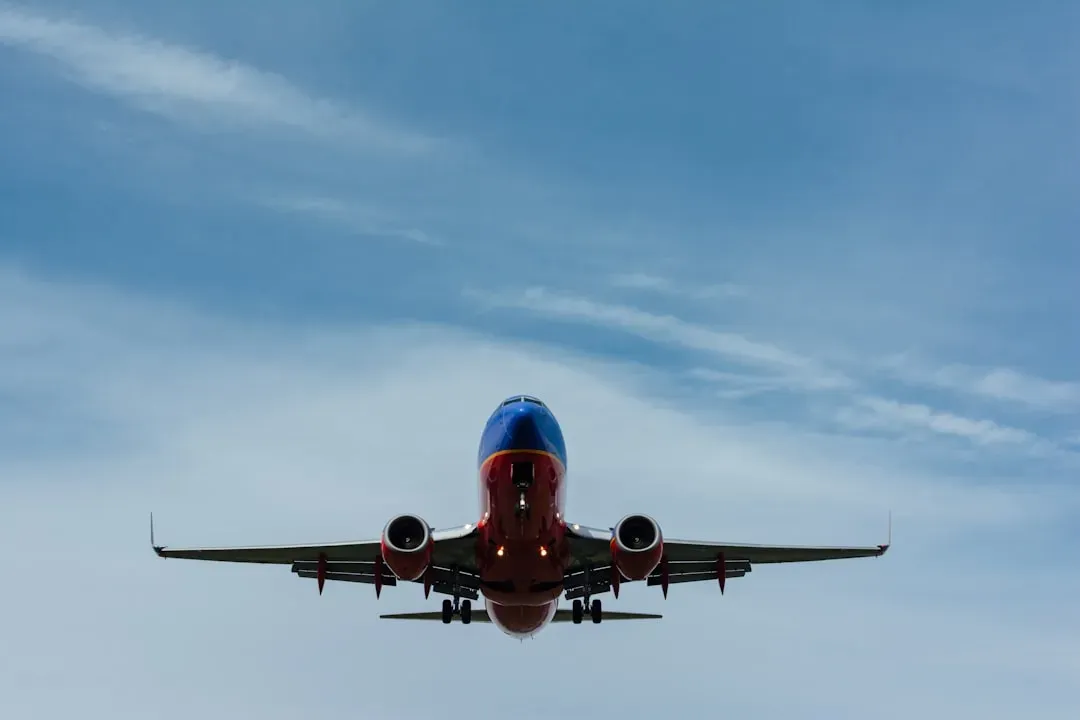
Research published in the Proceedings of the National Academy of Sciences argues that the modern airplane is a social microcosm of class-based society, and that the increasing incidence of air rage can be understood through the lens of inequality. The researchers examined how temporary exposure to both physical and situational inequality, induced by the design of environments, can foster antisocial behavior.
Air rage incidents are more likely when the plane has a first-class cabin, according to this study from researchers at the University of Toronto and Harvard Business School. The odds increase when economy passengers have to pass through first class to get to their seats, reinforcing the sense of inequality. Simply having a first-class compartment made an air rage incident nearly four times more likely, an effect equivalent to a nine-hour flight delay. The middle-seat passenger, caught in the economic and spatial bottom of this hierarchy, who still chooses calm, is operating against some very strong psychological currents.
Seat Preference as a Window Into Personality
According to psychologist and University of Washington Professor Jonathan Bricker, who devoted his PhD thesis to the anxiety of air travel, people who actually prefer the middle seat are usually easy going, talkative types. That’s a small group, as we know. More interesting is what the avoidance of the middle seat reveals about everyone else.
Seat location also reflects travelers’ approach to control and efficiency, according to performance psychology specialist Sam Wones. Strategic planners are highly conscientious and prefer control. The window and aisle seats are, in this framing, tools for managing anxiety. The middle seat offers no such tool. Sitting there comfortably, without grabbing for the armrest, means you brought your own steadiness with you.
Proxemics: Why the Fight Over Inches Is Hardwired
Proxemics is the study of how humans use physical space during interactions and how that space influences communication, behavior, and emotions. The term was coined in 1963 by American anthropologist Edward T. Hall, who defined it as the interrelated observations and theories of how people use space as a specialized elaboration of culture. Hall’s foundational work laid the groundwork for decades of research into how the distances we maintain from others reflect our relationships, cultural backgrounds, and emotional states.
Personal space is the region surrounding a person which they regard as psychologically theirs. Most people value their personal space and feel discomfort, anger, or anxiety when their personal space is encroached. The armrest, in this light, isn’t a piece of molded plastic. It’s a physical boundary marker, and the fight over it is an instinctive territorial response to encroachment. In modern society, especially in crowded situations, it can be difficult to maintain personal space, and many people find such physical proximity to be psychologically disturbing and uncomfortable, though it is accepted as a fact of modern life.
The Numbers Behind the Crowded Cabin
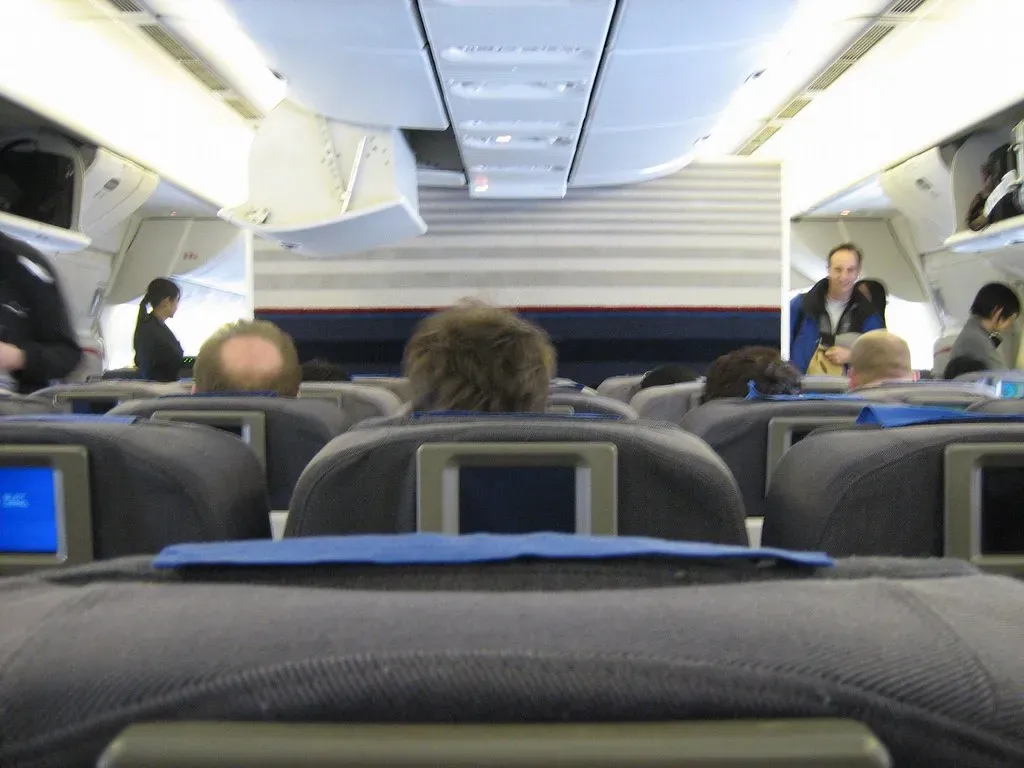
Total full-year air traffic in 2024 rose more than ten percent compared to 2023, sitting above pre-pandemic levels. Capacity was up significantly as well. The overall load factor reached a record high for full-year traffic, meaning planes are consistently more full than they have ever been. More full planes mean more guaranteed middle seats and less room for territorial buffer.
More than half of passengers say their seat neighbor often infringes on their personal space during the average flight, according to a 2024 survey of more than 3,100 U.S. passengers. That stat captures the baseline friction. Smaller seat sizes on airplanes are leading to increased discomfort experienced by airplane passengers, as Penn State researchers have noted. The middle-seat passenger who sits calmly in all of this isn’t oblivious to the pressure. They’ve simply decided it isn’t worth the energy.
Stillness as Strength: What the Non-Claimer Actually Signals
A passenger willing to argue about sharing an armrest is probably willing to argue about just about anything. So much of air travel etiquette depends on collective goodwill and a “we’re all in this together” attitude that not everyone will adhere to. The person who steps back from the armrest skirmish entirely is, in a sense, opting out of the whole social stress loop that the cramped cabin creates.
There’s a strong argument that this restraint is actually a high-status move, not a low one. Research on personal space boundaries has found that individuals with low anxiety show expanded personal space during social interactions, while those with high anxiety show shrinkage. To voluntarily compress your own territorial response, without being forced to, is to demonstrate something anxiety-driven behavior cannot: genuine ease. The quietest passenger in the middle seat may simply be the one who arrived at 30,000 feet already knowing who they are.
The armrest was never really about the armrest. It’s a small proxy for a much bigger question about how we hold ourselves in conditions we didn’t choose. The person who lets it go isn’t losing. They already moved on to something else.