

There’s a familiar scene that plays out every time a Gemini starts planning a trip. One destination is never quite enough. A week in the mountains would be perfect, but so would a coastal getaway, a city break, and maybe a side trip to that small town someone mentioned once at a dinner party. Before long, the “vacation” has quietly doubled in size.
It sounds like enthusiasm. It looks like spontaneity. Psychology, though, suggests something quieter is happening underneath the itinerary.
The Twin Sign and the Double Itinerary

Geminis are said to have a dual nature, as symbolized by twins. The twins represent a dual-natured personality, sometimes contradictory but also adaptable, with the capability to view life from different angles. That capacity to see life from multiple angles is genuinely one of the sign’s greatest strengths, but it comes with a less comfortable side effect.
Gemini is represented by the twins and the duality part of their nature is one of inner conflict. One twin wants one thing, and the other wants the opposite. The Gemini might play devil’s advocate with themselves, able to see both sides to an argument, the pros and cons of any decision. Apply that to vacation planning and you get two destinations, two hotels, two experiences crammed into one trip.
What Decision Paralysis Actually Looks Like

Decision paralysis, also known as analysis paralysis or choice paralysis, is the state of over-analyzing or overthinking a situation to the point where a decision is never made. It’s like being caught in a mental tug-of-war, where the fear of making the wrong choice outweighs the potential benefits of making any choice at all.
Decision paralysis doesn’t usually feel dramatic. It often feels like circling. You go back and forth between options. You research, compare, replay conversations, imagine outcomes, and try to predict how you’ll feel months or years from now. For a Gemini planning a holiday, this loop can quietly swallow weeks of mental energy before a single booking is made.
The Gemini Indecisiveness Is Well Documented

Due to their intelligence, Geminis can be overly analytical, which can lead to indecisiveness. Don’t ask your Gemini friends to pick a dinner spot or Netflix movie; they’ll agonize for hours over what to choose. They can also be anxious or nervous about making decisions, especially big decisions like moving or changing careers.
Geminis’ innate curiosity and desire to explore all options can lead to decision-making difficulties. They might find it challenging to settle on one choice when faced with multiple possibilities. This indecisiveness can result in missed opportunities or delayed progress. Framing a vacation as “two experiences in one” is, psychologically speaking, a way of never fully choosing either.
The Psychology of Wanting Everything at Once

The paradox of choice holds that even though having more choices seems better, it is only better up to a certain extent. Past this critical point, having more choices becomes overwhelming and leads to less overall satisfaction. This well-established concept in psychology maps directly onto the “two vacations” pattern.
Psychologist Barry Schwartz coined the phrase “Paradox of Choice” to describe his consistent findings that, while increased choice allows us to achieve objectively better results, it also leads to greater anxiety, indecision, analysis paralysis, and dissatisfaction. Choosing both destinations is a way of avoiding the discomfort of closing off any option entirely, which is a known psychological response to overabundant choice.
Defense Mechanisms and Anxiety About Being Wrong
Defense mechanisms are psychological strategies used by our unconscious mind to maintain our psychological well-being. They often distort or manipulate our experiences, perceptions, and thoughts to reduce feelings of anxiety. What looks like adventurous over-planning in a Gemini may actually be a defense mechanism working exactly as designed.
Defense mechanisms are psychological strategies used by individuals to protect themselves from overwhelming anxiety and emotional distress. Initially proposed by Sigmund Freud in the early twentieth century, these mechanisms serve to distort reality, helping individuals cope with internal conflicts or external threats that trigger anxiety. Choosing two destinations sidesteps the anxiety of the wrong single choice entirely.
Regret Aversion: The Deeper Driver

Fear of regret is a psychological factor that plays a significant role in decision paralysis. We’re hardwired to avoid pain and seek pleasure, and the anticipation of future regret can be a powerful deterrent to decision-making. In the context of vacations, imagining the regret of having missed the beach while you were in the mountains is enough to make some people book both.
Decision paralysis is a form of cognitive bias deeply rooted in the fear of failure, encouraging individuals to make decisions based on anticipated feelings of regret in the future, suggesting that an individual is likely to choose the option with the least prospects of regret. Regret aversion may seem like a tool to enhance decision-making, but it leads to overthinking and a fixation on negative outcomes, which thwarts decision-making capacities.
The Fear of Missing Out Makes It Worse

Worrying about the consequences of missing group activities, especially when they involve social bonding, heightens the fear of missing out, or FOMO. FOMO is the perception that others are living more fulfilling lives or having more fun. As many as roughly seven in ten Americans have experienced a fear of missing out at some point in their lives, according to a study by OnePoll.
McGinnis distinguished between FOMO (Fear of Missing Out) and FoBO (Fear of Better Options), highlighting these as opposing forces leading to FoDA (Fear of Doing Anything). Too much FoMO drives exhaustion from an overly active social life, while too much FoBO leads to loneliness from avoiding social connections. This imbalance can result in paralysis, rendering individuals unable to act or make decisions.
Indecisiveness, Identity, and the Weight of Choices

What looks like hesitation on the surface often reflects a deeper fear: that one decision could define everything that follows. This concern explores how identity, control, and perceived irreversibility become tightly linked. Decision paralysis often develops when choices feel tied to long-term identity, security, or life trajectory.
Many individuals, especially those who seek to avoid making mistakes, will over-analyze every decision down to the most minute details. They may fear that the wrong choice will lead to negative consequences, even when the risks are relatively low. This fear of making the “perfect” choice, or avoiding the “worst” decision, results in prolonged indecision and a constant cycle of reevaluation. For Gemini personalities, that cycle often ends with simply booking everything.
The Maximizer Trap
Satisficers seek an option that is “good enough,” while maximizers are constantly on the hunt for the best option. Schwartz found that satisficers are consistently happier than maximizers and less likely to be clinically depressed. Geminis, with their tendency to see every angle and weigh every option, often fall squarely into the maximizer camp.
Rather than empowering us to make better choices, our virtually unlimited access to information often leads to greater fear of making the wrong decision, which in turn leads to spinning our wheels in a seemingly inescapable purgatory of analysis paralysis. The two-vacation solution feels like a creative workaround, but it leaves the underlying anxiety completely untouched.
What Psychology Suggests About Breaking the Pattern

Decision avoidance strategies allow people to forego or abandon effortful deliberation by postponing, bypassing, or delegating a decision. Such strategies are thought to reduce regret, primarily by allowing decision makers to evade personal responsibility. The problem is that this evasion rarely delivers the relief it promises, and often just shifts the anxiety forward in time.
Delaying a decision preserves optionality and temporarily reduces the risk of regret. However, prolonged inaction can reinforce the belief that choosing is inherently dangerous. Recognizing this loop is the first real step. By recognizing our patterns of overthinking and targeting them with effective strategies, we can take steps to ensure we aren’t paralyzed by the very choices meant to empower us.
Conclusion
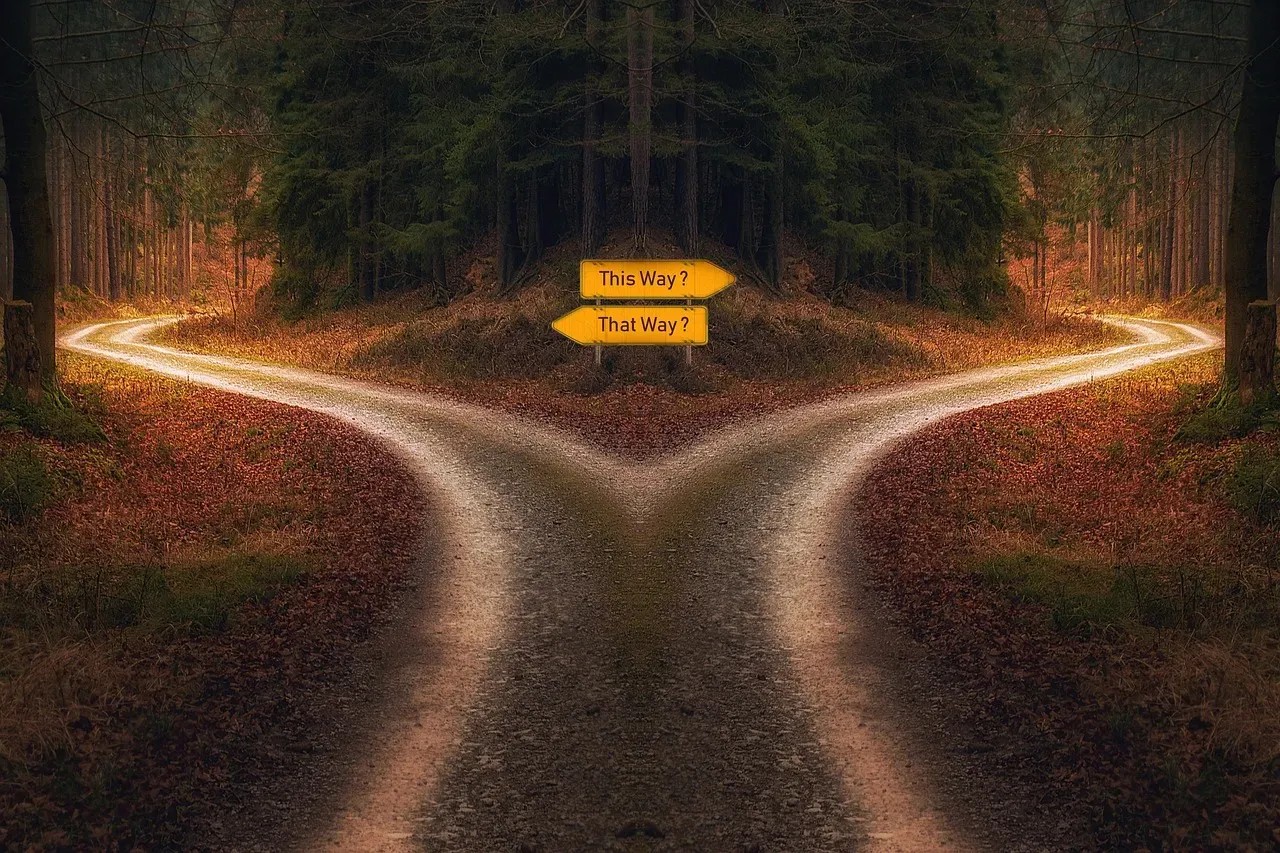
The “two vacations in one” impulse isn’t a flaw in Gemini’s character. It’s a creative expression of a very real psychological pattern, one that most people experience in some form, not just those born under the sign of the twins. The dual nature that makes Gemini compelling and adaptable is also the same quality that makes standing at a crossroads feel unbearable.
Psychology doesn’t ask us to stop wanting both things. It asks us to notice when the wanting is actually a shield against the discomfort of commitment. Choosing one beach, one mountain, one honestly good trip, and trusting it will be enough is, in its own quiet way, a form of courage.