
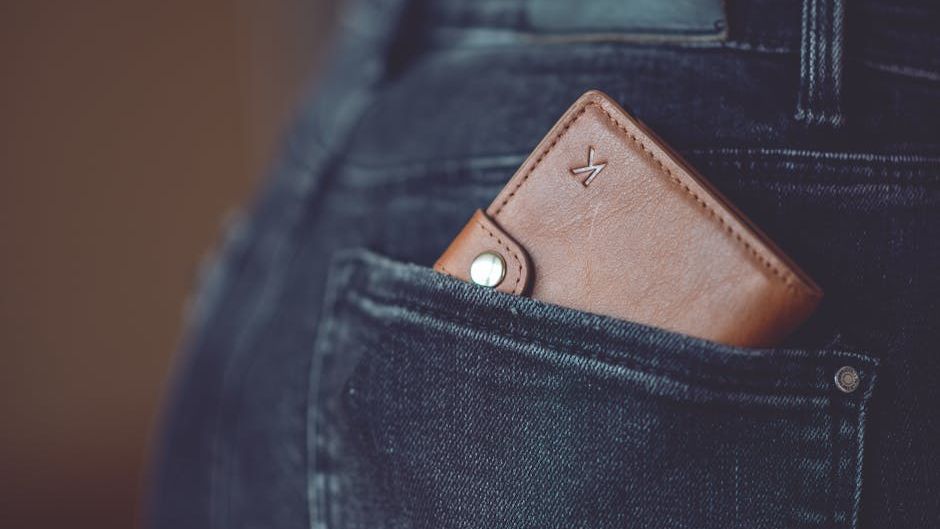
Most travelers spend weeks planning their itineraries, packing the perfect outfits, and researching the best restaurants. Yet one of the most overlooked parts of travel prep takes less than five minutes and could save you from a nightmare situation thousands of miles from home. It’s not about what you pack into your bag. It’s about what you need to take out of your wallet.
The risks of losing your wallet or having it stolen multiply enormously when you’re traveling. You’re far more likely to find yourself shoulder-to-shoulder in crowds at airports, on busy streets, or on public transportation than you ever would be in your own neighborhood. The consequences, too, are on a completely different level. So before your next international trip, let’s go through the eight things you absolutely need to leave at home. Let’s dive in.
1. Your Social Security Card
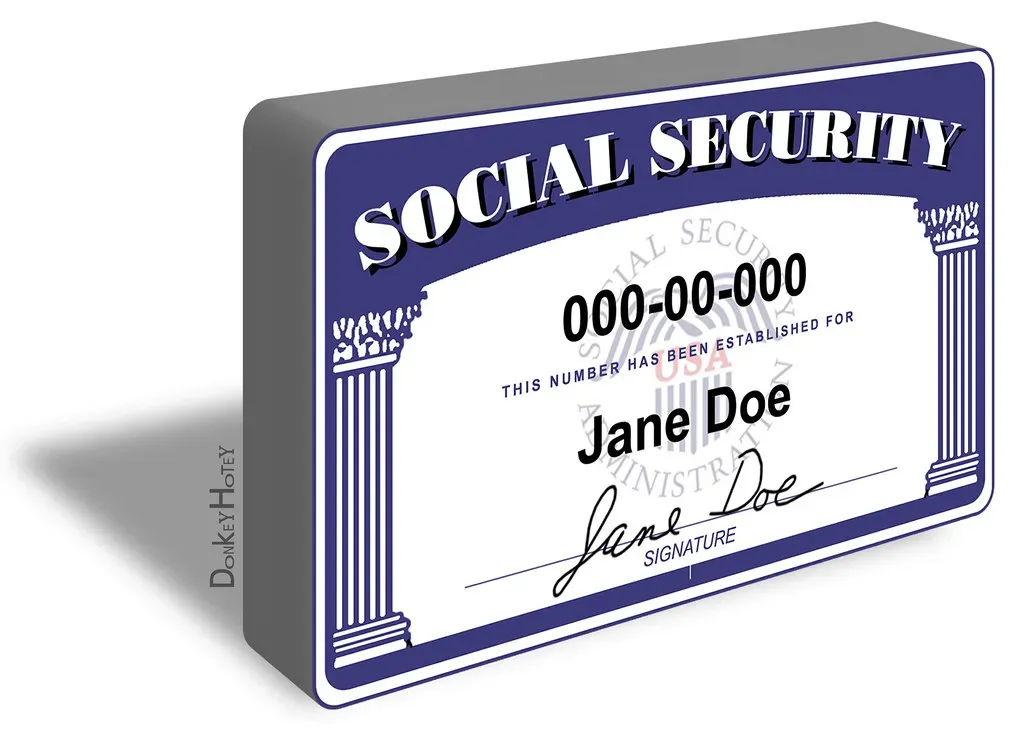
Here’s the thing: your Social Security card is one of the most dangerous items you could possibly carry in your wallet, whether at home or abroad. Most people tuck it away early in life and simply forget it’s there. That’s a major problem.
Carrying your Social Security card is essentially an open invitation for identity theft. A skilled thief needs only your Social Security number to open credit cards or take out loans in your name. The smart move is to memorize the number and leave the physical card securely locked at home.
Someone illegally using your Social Security number and possibly assuming your identity can cause serious, long-lasting problems. Identity thieves can use your number and other personal information to apply for loans and credit cards and open cellphone and utility accounts in your name. The damage can follow you home long after your trip is over. Just memorize it. There’s truly no reason to ever carry it.
2. Your Primary Debit Card
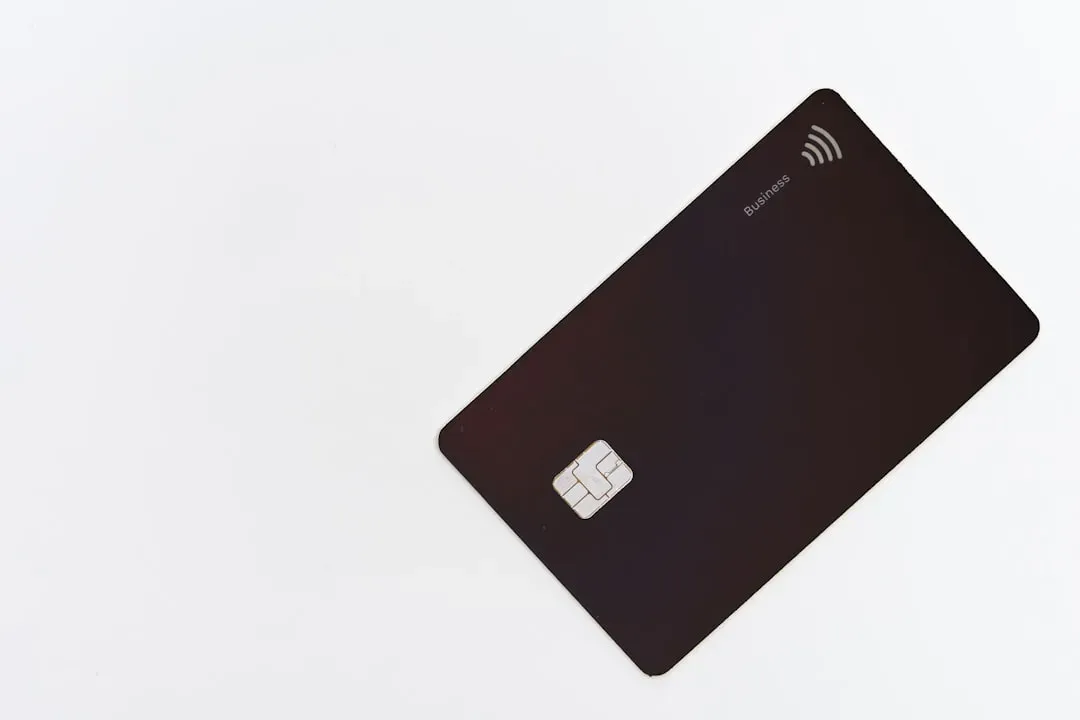
A lot of travelers assume their debit card is the safest option because it’s “their own money.” Honestly, that logic works against you. When it’s your own money, a thief drains your real account, and getting it back is a completely different battle compared to disputing a fraudulent credit charge.
Due to their direct link to bank accounts, debit cards are particularly attractive to criminals. Unlike credit cards, which offer more robust fraud protection, debit cards can leave users vulnerable to immediate financial loss.
It’s wise to avoid using a debit card for purchases while abroad. Because a debit card pulls funds directly from your bank account, potential charges incurred by a thief will stay on your account while your bank investigates. The better approach is to limit debit card use strictly to ATM cash withdrawals, and use a credit card or cash for purchases. Think of your debit card as a key to your financial house. You wouldn’t hand that key to a stranger, so why carry it everywhere?
3. Multiple Credit Cards
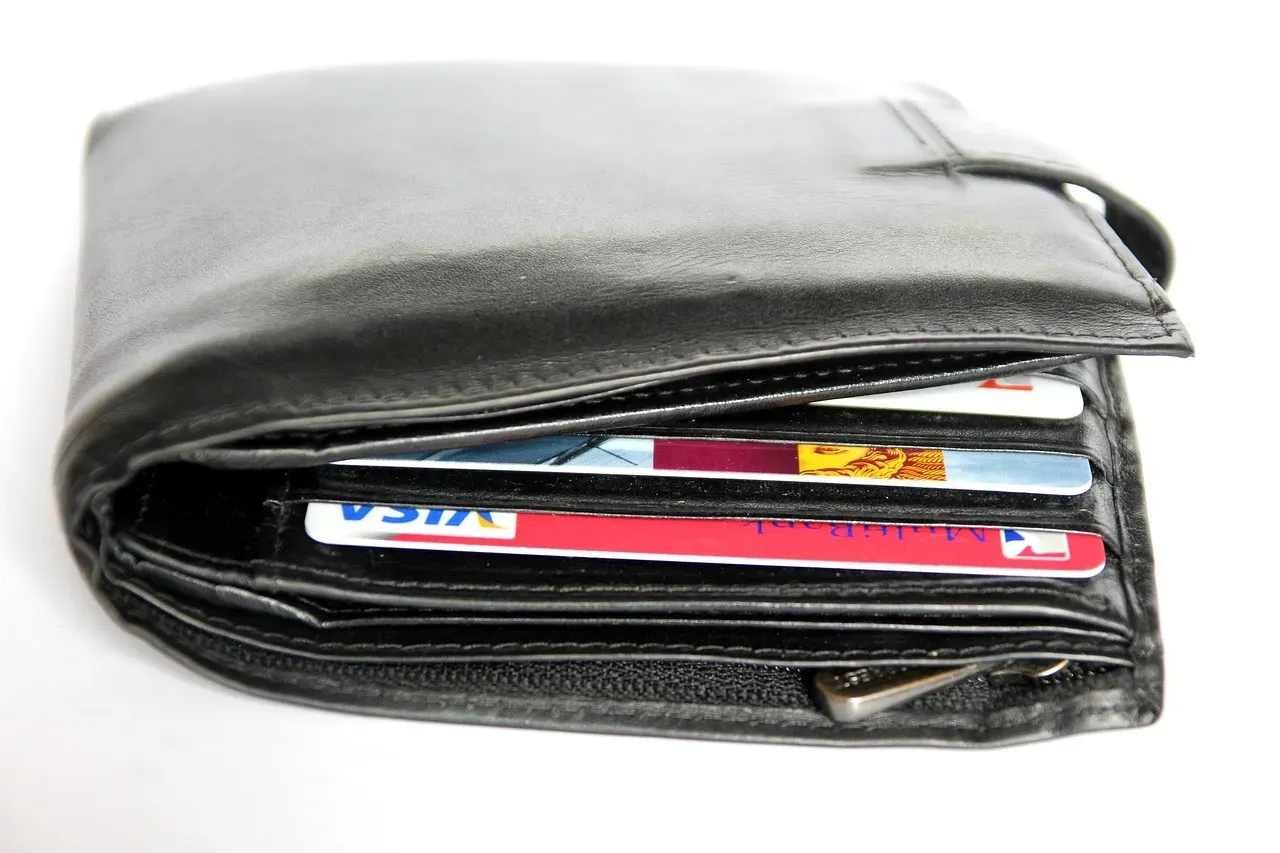
I know it sounds counterintuitive, but loading up your wallet with every credit card you own before an international trip is one of the worst things you can do. The more cards you carry, the more you stand to lose.
Most of us carry several credit cards, gas cards, and department store charge cards in our wallets. For safety’s sake, the U.S. State Department recommends you travel with just one credit card, leaving the rest at home.
Unless you are going on a shopping trip and know that specific chain stores at home will also be at your destination, leave your department store charge cards behind. It’s generally wiser to use a generic charge card like Mastercard, Visa, or American Express. Two travel-friendly cards at most, ideally from different networks. That’s all you need.
4. Your Passport (When You Don’t Need It)
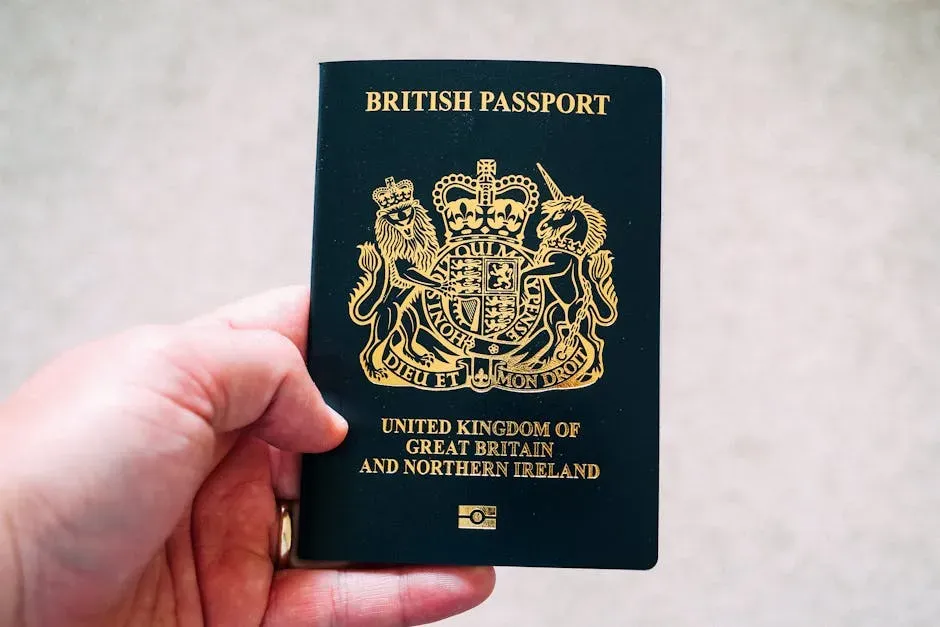
Your passport is arguably the single most valuable document you own when traveling internationally. Losing it abroad is a situation that can stop your trip dead in its tracks, sometimes for days. Keeping it in your wallet and wandering around crowded tourist spots is asking for trouble.
French authorities have issued repeated advisories warning that mobile phones and passports are now prime targets, particularly in crowded transport hubs and around major train stations. In recent years, thousands of foreign passports have been reported stolen each year in Paris alone, prompting consular officials to caution travelers not to carry all identification and payment cards in a single wallet or bag.
While it’s hard to avoid needing your passport while traveling abroad, the best practice is to leave it in a hotel safe when you don’t need it. Make photocopies of your passport and carry those instead. Keep a digital scan in a secure cloud folder as a backup. Many travelers are now opting for encrypted digital copies stored on secure cloud services, allowing for quick access in case of emergency without compromising security.
5. Your Social Club, Loyalty, and Membership Cards
Open your wallet right now. There’s a solid chance you’re looking at a gym membership card, a grocery rewards card, a local library card, a coffee shop stamp card, and maybe a couple of others you haven’t touched in months. All of that is dead weight abroad.
Your Costco card is useless overseas. The stamp card to your favorite coffee shop is equally pointless. Even a AAA insurance card and car insurance cards serve no purpose when you’re abroad.
Those bulky membership IDs can stay home unless you specifically plan to visit the gym in Tokyo or shop at a local grocery store in Paris. They add unnecessary bulk to the wallet and simply aren’t useful overseas. Strip it all down. Travel light, travel smart. The fewer items in your wallet, the fewer things to replace if it goes missing.
6. Written Passwords or PIN Codes
It’s hard to say for sure how many travelers do this, but it’s shockingly common. A little slip of paper with ATM PINs, account passwords, or access codes tucked behind a card in your wallet. This is the equivalent of leaving your house key under the doormat and a “Welcome” sign above the door.
Remembering a large number of passwords is tough. But that little cheat sheet in your wallet? If the wallet falls into the wrong hands, you’ve essentially handed someone an all-access pass to your digital life.
Carry PIN numbers in your head, and store all other details in a password-protected digital password wallet such as 1Password or DataVault. Memorize your credit card and debit card PINs. “Shoulder surfing,” where a thief watches you type your PIN into a keypad, is a real and documented tactic. When entering your PIN, carefully block other people’s view of the keypad. Don’t make it easy for someone to access everything you own in one fell swoop.
7. Your Birth Certificate or Other Vital Documents
Some travelers pack their birth certificate thinking it adds an extra layer of identity verification. It doesn’t. What it actually does is give a thief one more irreplaceable document to exploit. This is one of those items that can cause disproportionate, long-term damage if lost.
Your birth certificate is a document that should remain safely tucked away in a fireproof box at home. Your passport already covers any proof-of-citizenship requirement you’ll encounter abroad. There is simply no scenario where you need your birth certificate in your wallet while visiting Rome or Bangkok.
Leave personal checks and most loyalty and membership cards at home. The same applies to unnecessary identity documents such as a birth certificate or social insurance card. Think of your wallet as a tool, not an archive. Only carry what you actually need that specific day.
8. Excess Cash
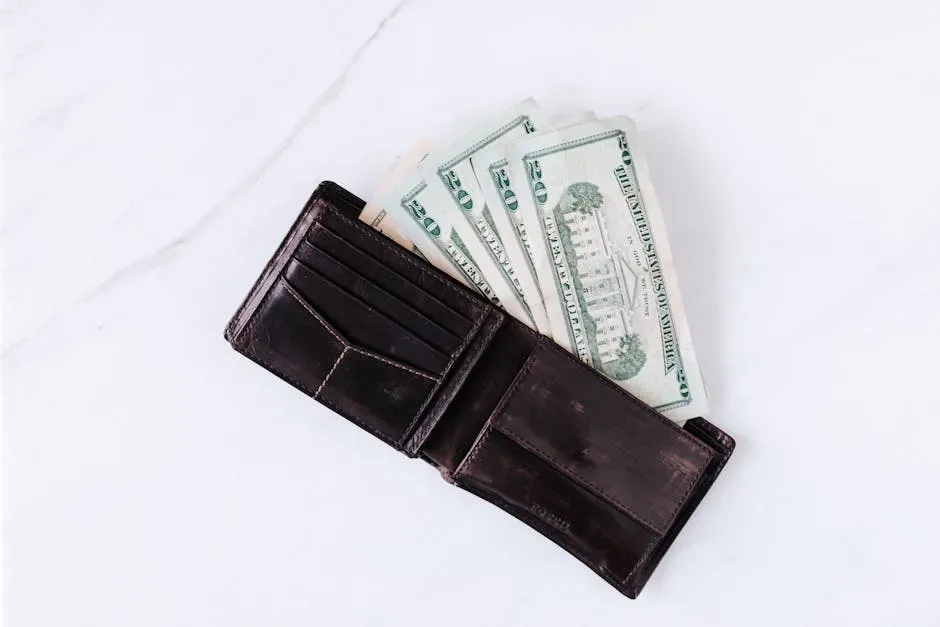
Carrying a large amount of physical cash in your wallet while abroad might feel like being prepared. In reality, it makes you a far more attractive target and leaves you with zero recourse if it goes missing. Cash is gone the moment it leaves your hands.
Walking around with a wad of bills is a high-risk move. Pocket just enough cash for immediate needs and emergencies. Use ATMs as needed and keep the rest secured in the hotel safety deposit box.
Lost cash is much harder to recover from than fraudulent use of your debit card, which may simply require a call to your bank to resolve. If cash goes missing while you’re traveling abroad, there’s a slim likelihood that you’ll ever see it again. Pickpocketing and other forms of petty theft remain among the most widespread crimes faced by visitors to Europe, and a fat wallet stuffed with bills is a pickpocket’s dream. Keep it minimal, keep it smart.
The Bottom Line
Preparing your wallet for international travel is one of the simplest, most impactful things you can do before boarding that plane. None of this requires special equipment or hours of effort. It’s about being intentional, thoughtful, and honest about what you actually need.
Even the safest countries can have issues with pickpocketing and theft, and canceling cards and calling banks is very difficult when you’re abroad. A stripped-down, lean wallet dramatically reduces your exposure to risk and the chaos of damage control from thousands of miles away.
Think of your wallet like carry-on luggage. You wouldn’t pack your entire wardrobe into a personal item bag. So why carry your entire financial and personal identity in your back pocket? Trim it down before you go, and you’ll travel with a whole lot more peace of mind. What would it take to convince you to finally clean out your wallet before your next trip?