
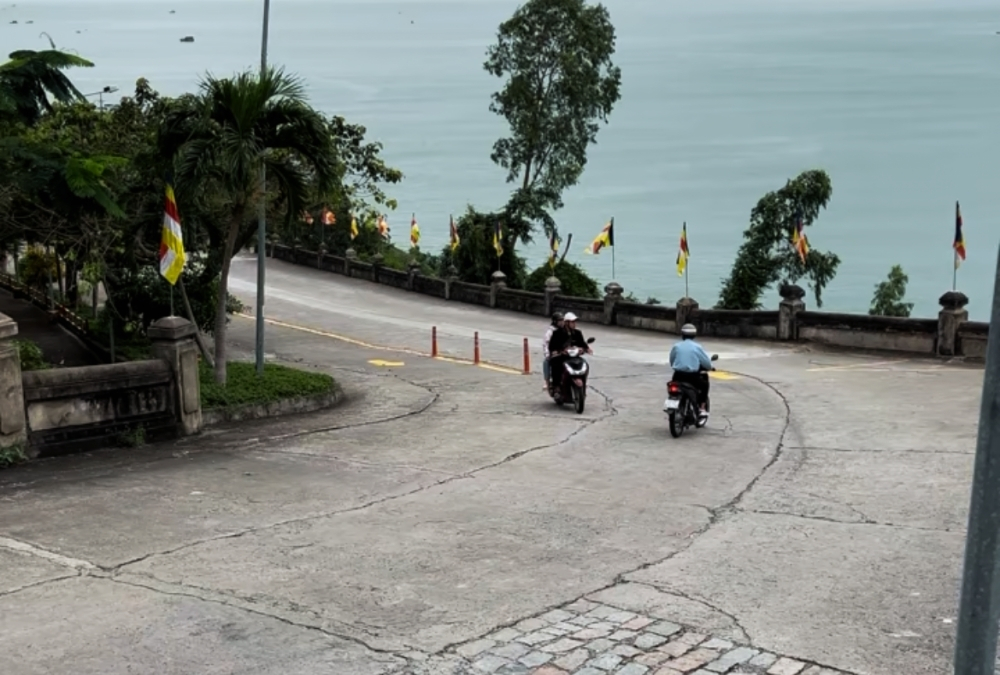
Why is Vietnam considered one of the best countries in the world for motorbike travel, yet so many riders come away exhausted, stressed, or disappointed?
From misty mountain passes in the north to quiet back roads in the central highlands and slow, scenic routes through the Mekong Delta, Vietnam offers an incredible variety of rides, but only if you know where to go and how to ride them.
Based on real riding experience, this guide breaks down the best motorbike routes in Vietnam, what makes them special, and what to expect on the road.
1. Ha Giang Loop
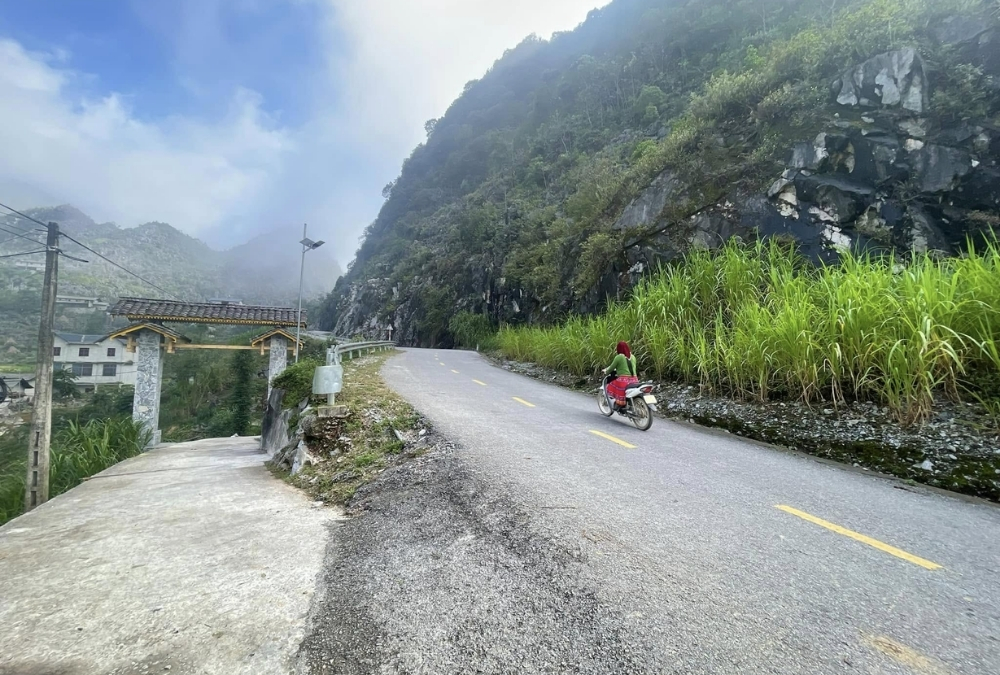
Starting strong, the Ha Giang loop is often considered the gold standard not only for Vietnam but for much of Asia for motorcycle adventures.
Far north of Vietnam and touching along the Chinese border, the route takes you through the amazing UNESCO Geopark’s Limestone mountains.
This journey is long and not for the inexperienced. While you can blast through it in a single day without stopping, it’s far better to take your time and see everything it has to offer.
If you have no experience with driving or are uncertain of your skills, it’s better to book an Easy Rider tour, as you’ll have a local guide who is not only a professional driver with a bike suited for the journey, but who is also knowledgeable about the area so can teach you and bring you places you may miss as a solo traveller.
This journey should take about 3 to 5 days, starting from Ha Giang City, taking you through 4 overnight stops before returning to where you began. If you choose to travel with an Easy Rider group, just prepare yourself for long nights of rice wine as music, as your drivers often tend to like partying.
2. Hai Van Pass
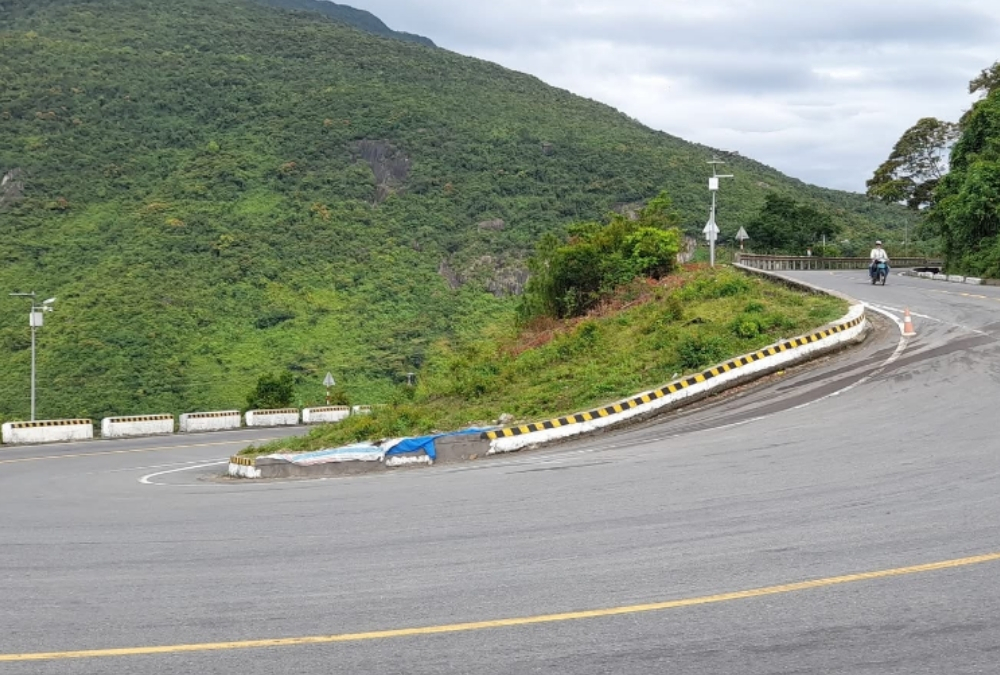
Made famous thanks to Top Gear, and inspiring countless generations to pack their bags and head to Vietnam, the Hai Van Pass, while dwarfed by the Hai Giang loop, only takes about 30 to 45 minutes from start to finish.
Connecting Da Nang to Hue, the entire trip between the cities can take 4-6 hours, while the scenic section is about 20km. Once you reach the summit, you can take pictures of the Lang Co Lagoon and the South China Sea.
The road is mostly used by tourists as there is a tunnel that the trucks now use, so the road, while not necessarily quite as it is a huge tourist destination, is far quieter than the climb to Da Lat, which makes a 10-minute drive a 45-minute drive as the trucks struggle to mount the steep slopes.
3. The Ho Chi Minh Road
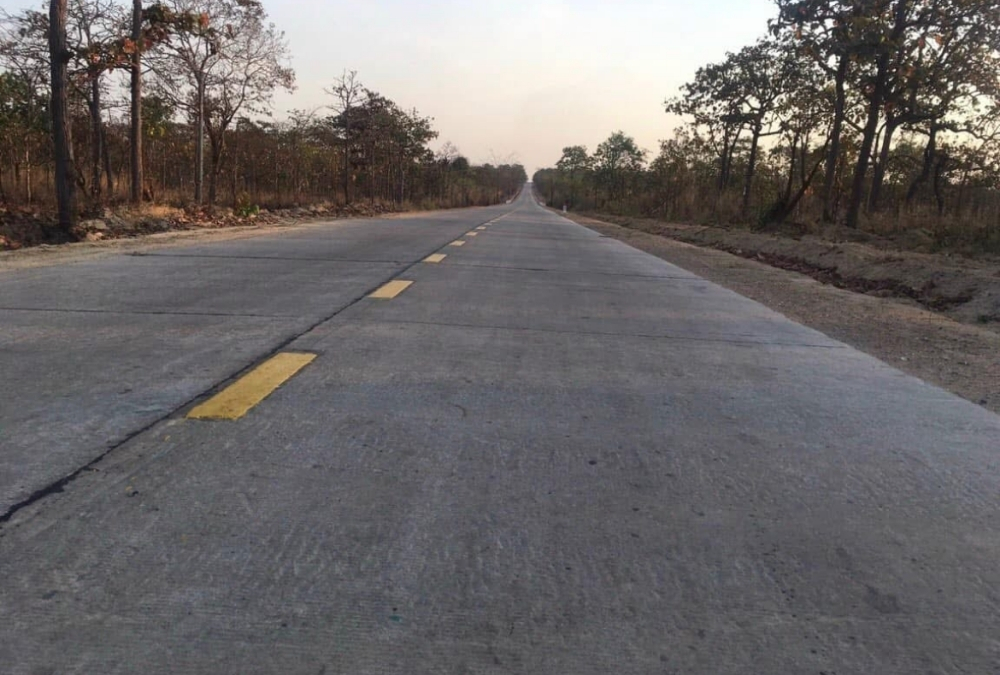
Away from the tourist trails, this inland route follows the spine of the Truong Son Mountains, specifically the Western Branch from Khe Sanh to Phong Nha.
This trip can take you 2 days for the specific stretch or 10+ for the full North-South Journey. The highlight here is its solitude, being able to ride for hours without seeing another tourist.
The roads here are good but remote. So ensure you have a bike in top-notch condition, as mechanics are rare to find in the jungle sections.
4. Cam Ranh to Vinh Hy
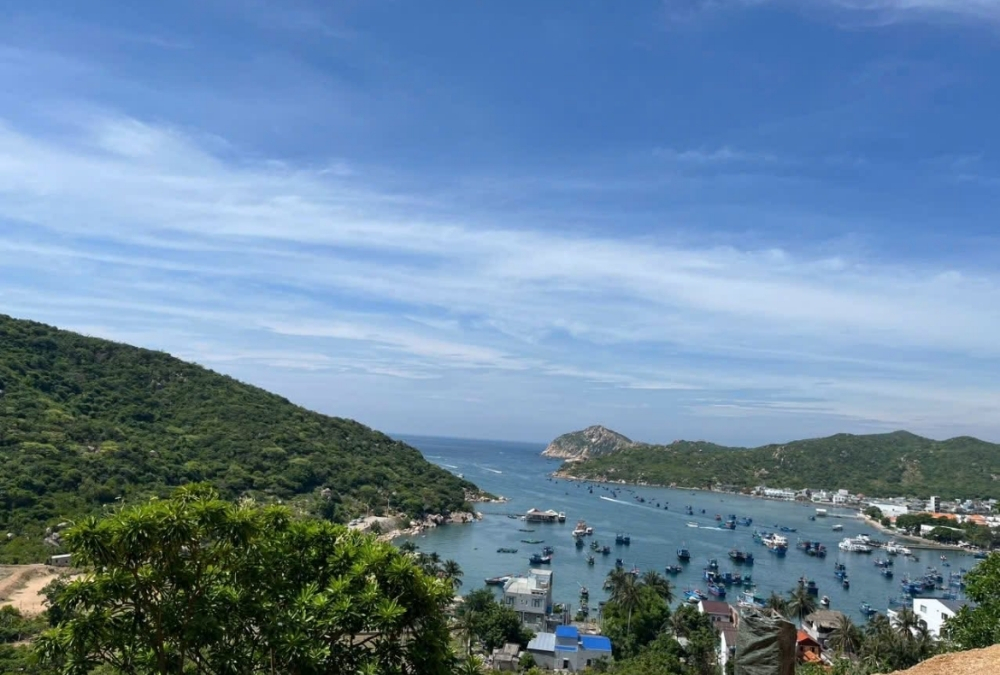
Possibly the most beautiful coastal road in the country, the DT702 road hugs the cliffs of Nui Chua National Park. This trip (Cam Ranh – Vinh Hy Bay – Phan Rang) should only take about a day and features a dramatic contrast between the deep sea and the cactus-filled desert of Ninh Thuan.
The road is excellent for the inexperienced (though I’d never recommend learning to drive without professional help), offering incredible views without the challenges associated with northern trails.
5. Da Lat to Nha Trang
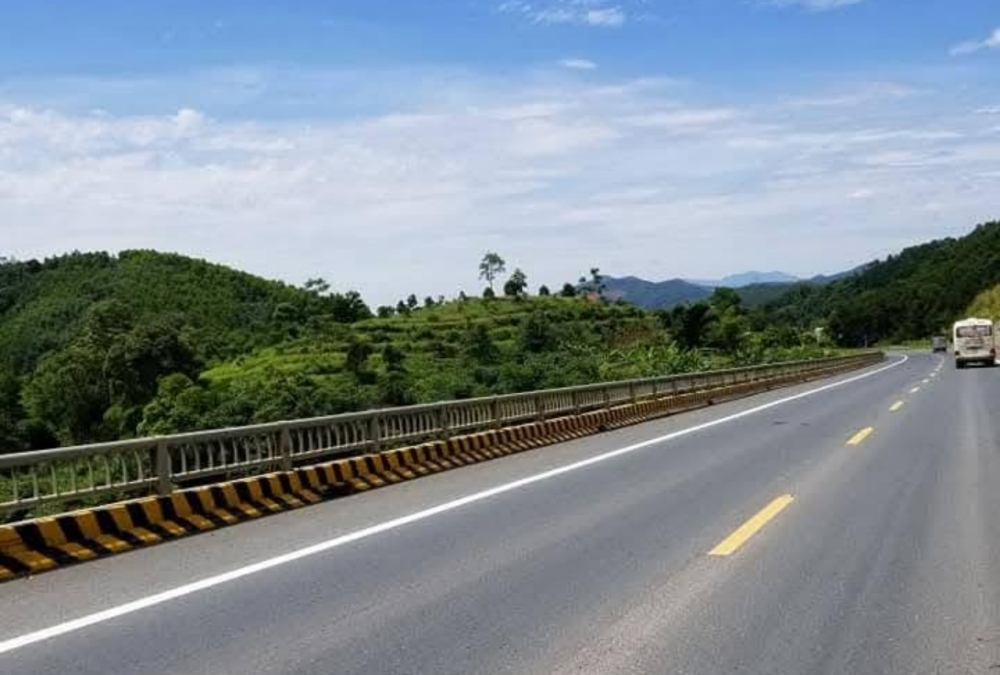
From the Eternal Spring down to the tropical coast (Da Lat – Khanh Le Pass – Nha Trang) takes about 4 to 5 hours. The Khanh Le Pass has you driving through the clouds (on the right days) as you descend from 1,500 meters to sea level.
This trip can be perilous due to mist and rain, which can make the roads slippery, particularly on the steepest sections. And when it isn’t raining, your brakes can get very hot. Make sure your brakes are checked before the descent.
What You Need to Know Before Riding a Motorbike in Vietnam
While many, if not most, get away with one, it is required for you to have an International Driver’s Licence with a category A to ride legally in Vietnam.
If you don’t have one or don’t know how to drive, it is highly recommended to book an Easy Rider tour that covers almost all of these routes.
These drivers will carry you on the back, wth another driver taking all your gear on separately to give you more space.
Make sure you have appropriate gear, as most novices make the mistake of thinking they’ll get a nice sun tan, only to get extremely bad burns that can make travelling a painful nightmare.
Also, you can buy knee and shin pads at markets or helmet stores, and get a proper helmet, as the classic Vietnam-style helmets offer little protection.
Avoid perilous climbs and descents on rainy days or during the rainy season. The rainy season is usually between July and August and is a notorious time for landslides.
Lastly, get a proper bike for mountainous climbs. While locals have mastered the art of scaling cliffs on a Honda 50, they also tend to be much lighter in weight than most foreigners. If you plan to go solo, rent a bike equipped to tackle the mud and steep climbs, but keep in mind that even the strongest bikes have difficulty in the mud, as I found out.
Listen To Roads
Vietnam is a country that truly rewards those who explore it by motorbike, but the best rides aren’t found by rushing from one famous route to the next. The most memorable journeys come from choosing roads that suit your ability, riding at the right time of day, and adapting to how traffic and conditions actually work here.
Whether you’re carving through northern mountain passes, cruising the Ho Chi Minh Road, or taking it slow in the Mekong Delta, flexibility matters more than ticking boxes.
Ride conservatively, plan realistically, and stay open to changing conditions. Do that, and Vietnam won’t just be a place you pass through; it’ll be a country you genuinely experience, one road at a time.