
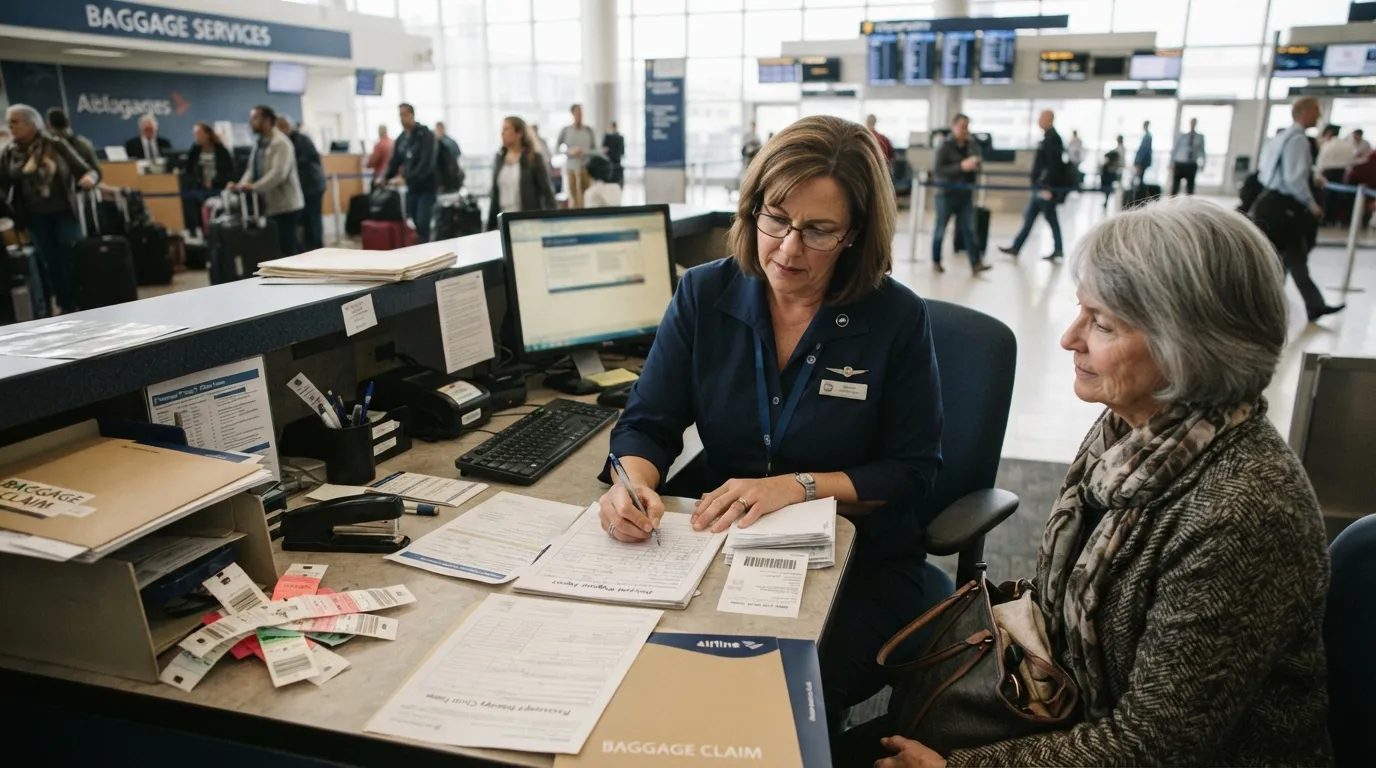
Most people picture the same scene when a bag doesn’t show up: a tired agent, a stack of forms, and a vague promise that “someone will call you.” That’s the version everyone complains about online. But talk to baggage service agents themselves, and a different picture emerges – one where age, mobility, and medical needs quietly change how a case gets handled behind the counter.
None of this shows up in the airline’s public contract of carriage. It happens in the tone of a phone call, the order a case gets pulled from the queue, or a note typed into a file that a passenger never sees. Here’s what actually goes on once you walk away from that counter.
#13 – They Quietly Attach a “Priority” Flag to Your File
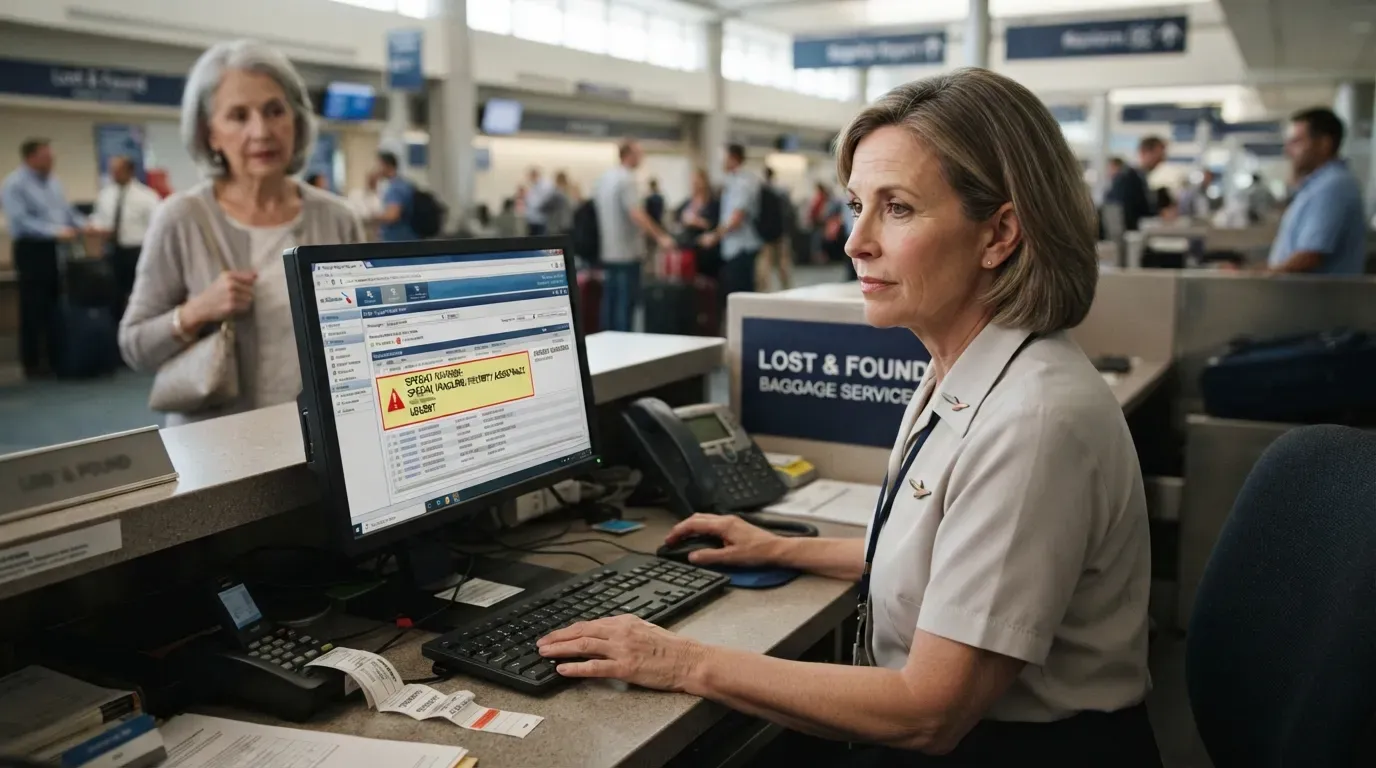
Baggage systems don’t treat every case the same, even though the rulebook says they should. Agents who notice a passenger is older, traveling alone, or mentions a health condition often add an internal note to the file that nudges it up the search queue.
Nobody hands out a manual for this – it’s a habit built from experience with which cases turn into complaints. A missing bag with medication or mobility gear inside is a bigger emergency than one full of vacation clothes, and agents know it. That single note can shave real time off how quickly a case gets a second look.
#12 – They Loop In the Complaint Resolution Official Before You Even Ask
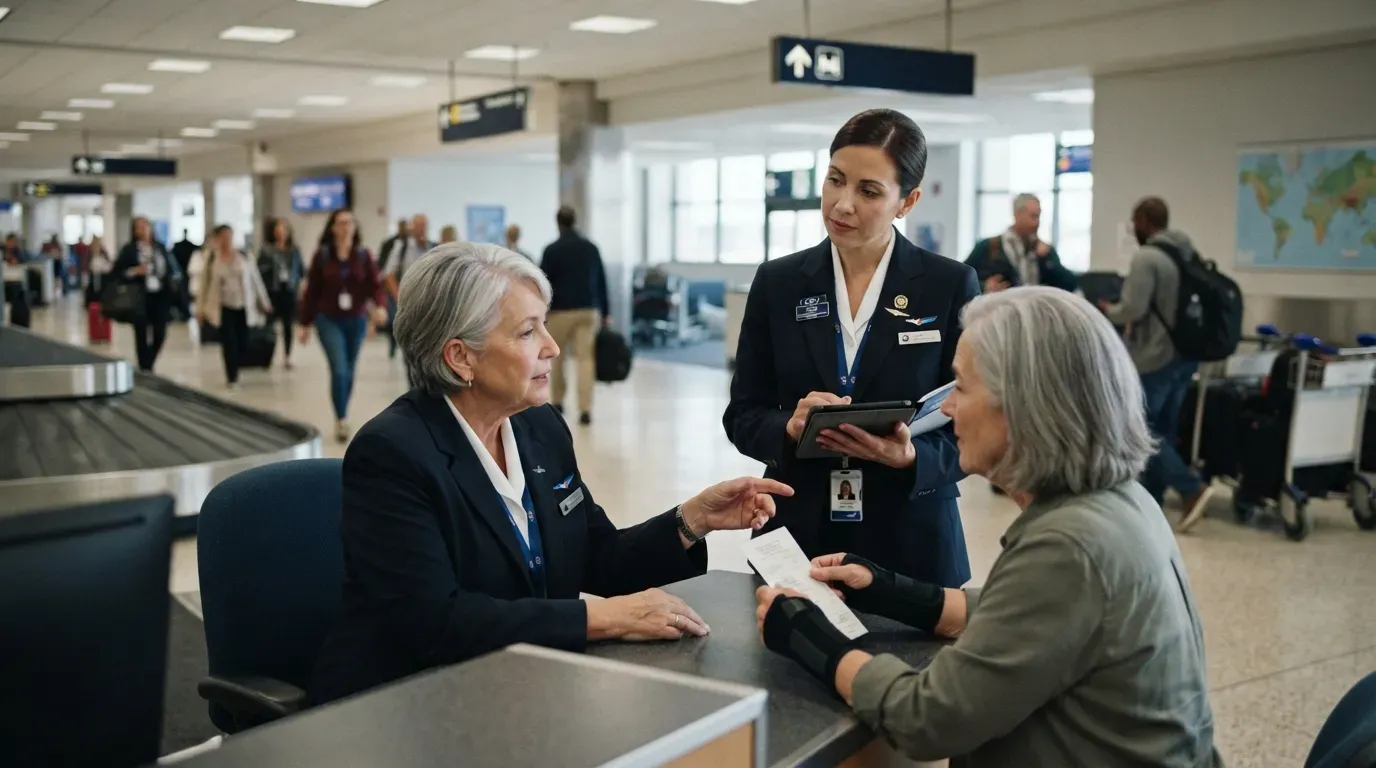
Every U.S. airline is legally required to keep a Complaints Resolution Official, or CRO, available at every airport it serves. A CRO is the airline’s expert on disability-related issues in air travel, with real authority to resolve complaints on the airline’s behalf. Most travelers never learn this role even exists.
Agents who spot a mobility aid, a service animal, or a passenger mentioning arthritis or a recent surgery will sometimes call the CRO in quietly, before a complaint is ever filed. It’s a way of getting a senior decision-maker involved early instead of waiting for frustration to boil over. The CRO can overrule a front-line agent’s decision entirely, which is exactly why staff bring them in fast when a case looks complicated.
Worth Knowing
- Every airport served by a U.S. airline must have a CRO reachable, in person or by phone, whenever that airline is operating.
- A CRO can override decisions made by gate agents or baggage staff on the spot.
- You’re allowed to ask for a CRO directly – you don’t have to wait for staff to loop one in.
- CROs specialize in disability-related complaints, including problems with mobility equipment and medical devices.
#11 – They Treat Your Medication and Mobility Gear as Irreplaceable – Because Legally, It Is
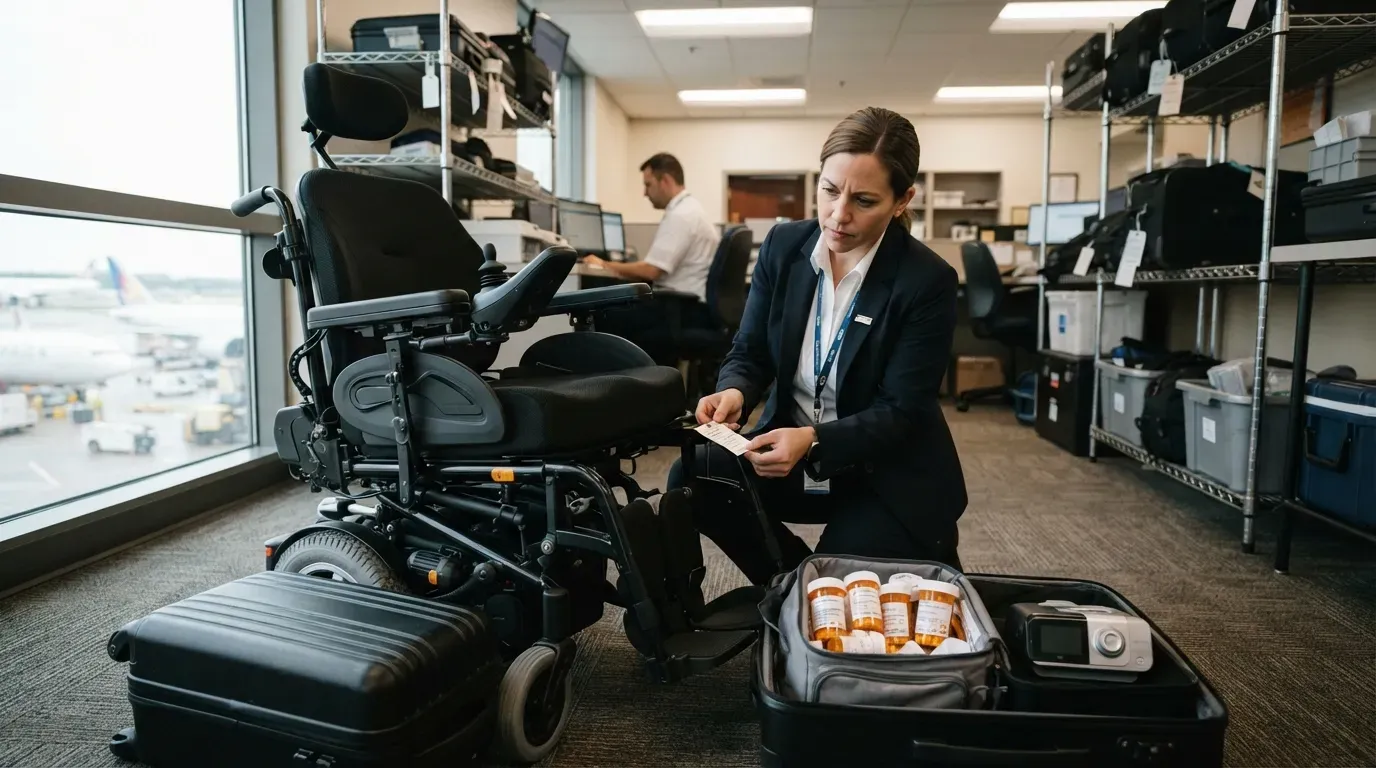
Most checked bags fall under a liability cap, but wheelchairs, walkers, and other assistive devices don’t. On domestic flights, an airline’s liability for a lost or damaged assistive device is the original purchase price – full stop. If a $20,000 power wheelchair gets destroyed, the airline owes $20,000, not a depreciated fraction of it.
That’s why a missing cane, walker, or CPAP machine tends to get pulled aside and searched differently than an ordinary suitcase. There’s no cap on what the airline owes for that equipment, so staff treat it as a priority case rather than routine paperwork. Medications get similar informal urgency, even though technically they’re just contents of a bag.
#10 – They Quietly Stretch What Counts as a “Reasonable” Expense
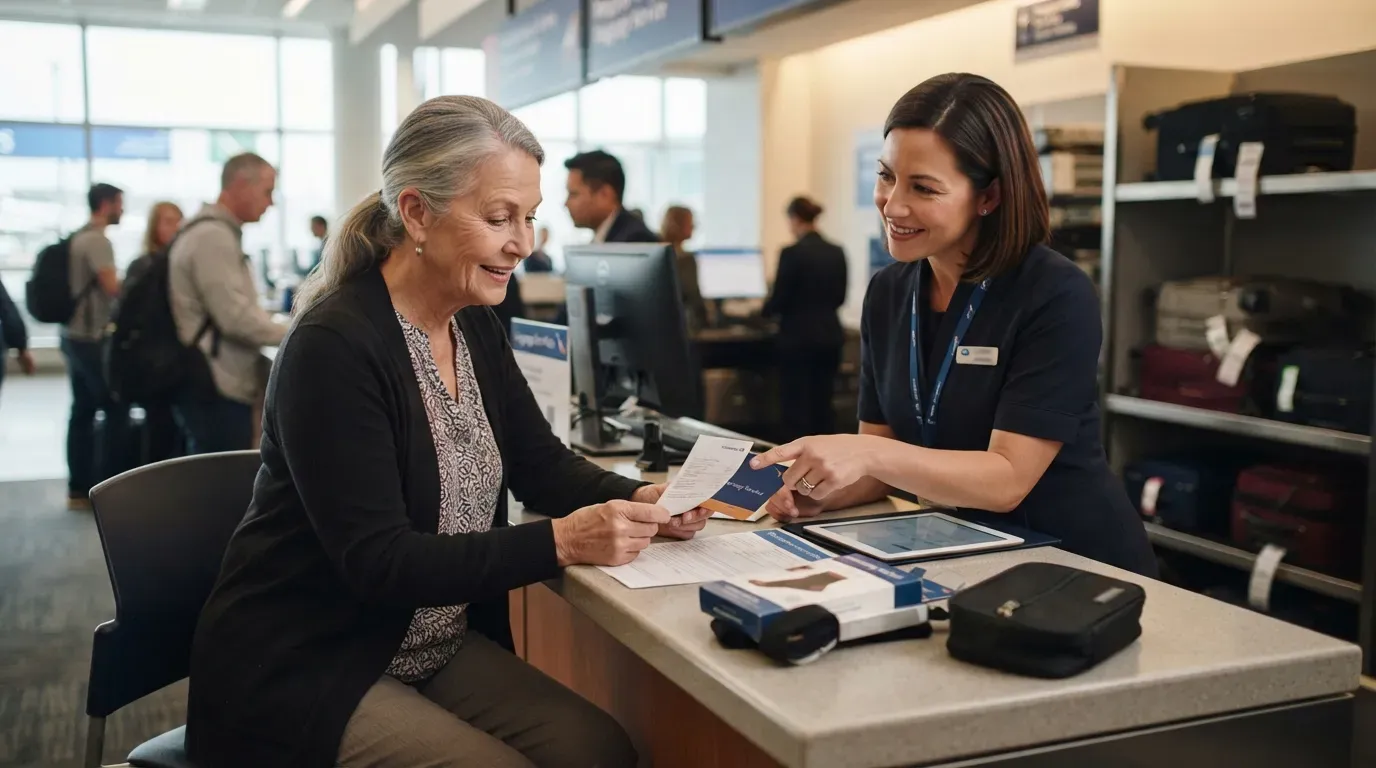
Airlines are supposed to cover incidental costs while a bag is missing – clothes, toiletries, essentials – but the definition of “reasonable” is famously vague. Airlines have to reimburse actual, verifiable incidental expenses, and they’re not allowed to cap that reimbursement at some fixed daily amount. Most travelers never hear that second part.
Agents who understand a passenger has specific medical or mobility needs will often approve purchases a stricter reading of policy might deny – a heating pad, compression socks, a replacement brace. Experienced staff use that flexibility quietly, rather than advertising it up front, and it rarely gets mentioned unless someone asks.
#9 – They Arrange Doorstep Delivery So You Never Have to Go Back to the Airport

Nobody wants to drive back to the airport twice in one trip, and staff know that’s an even bigger ask for someone who struggles with long walks or long waits. Most carriers will courier a recovered bag directly to a hotel or home address once it’s located, rather than requiring a return trip to baggage claim.
Agents who notice a passenger has mobility concerns will sometimes push this option forward before it’s even requested, treating it as the default rather than a special favor. It’s rarely announced as a perk – it just quietly becomes the plan once staff clock who they’re dealing with.
#8 – They Call Ahead to Your Connecting Gate Before You Land
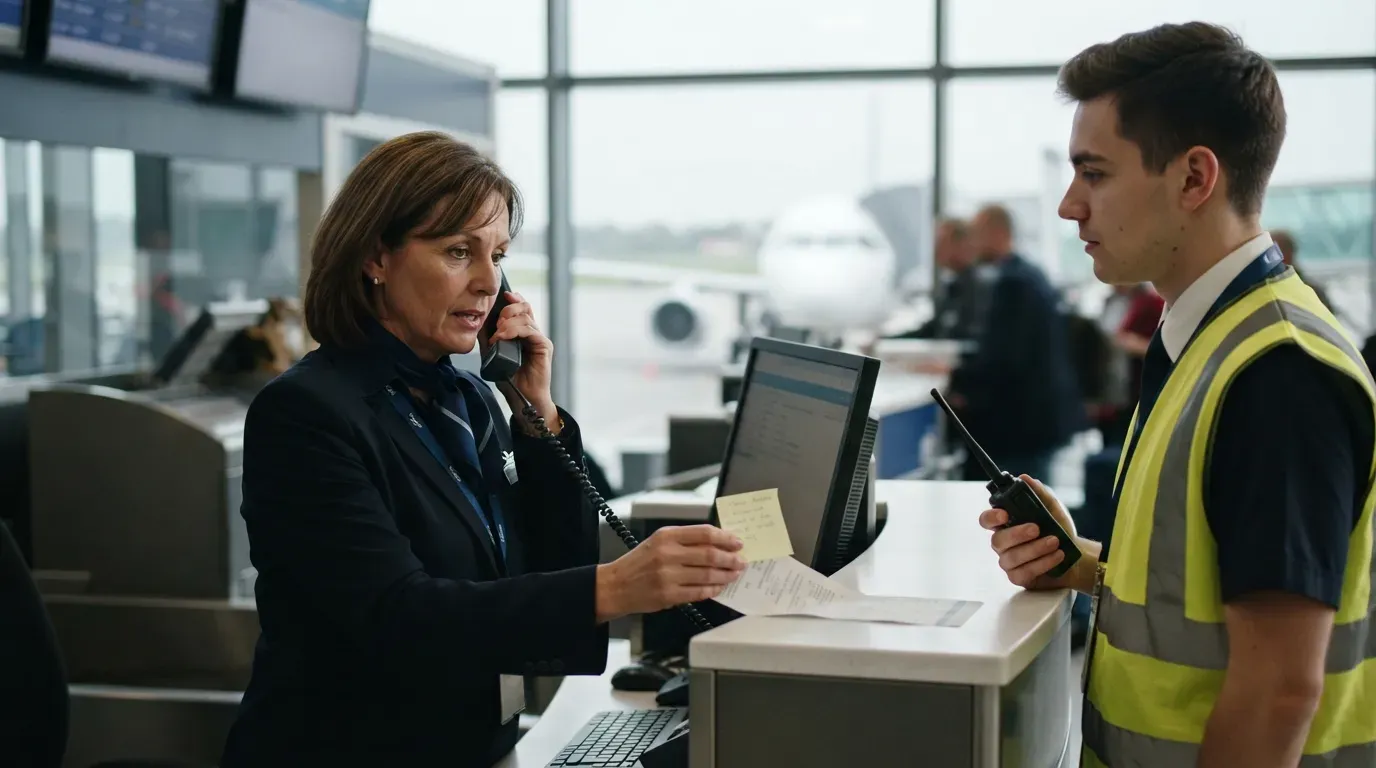
When a connection is tight and a bag doesn’t make the transfer, the story usually starts at the first airport, not the last one. Staff who see an older passenger with a short layover will sometimes flag the connection risk before the flight even leaves the ground, alerting the next station to watch for that bag specifically.
This kind of heads-up rarely gets logged anywhere official – it’s a phone call or a message passed between coworkers. But it means a bag with a rough connection sometimes gets caught and rerouted faster than the system alone would manage. It’s essentially a favor passed one gate agent to the next, built entirely on judgment calls.
#7 – They Keep a Hidden Stash of Amenity Kits for the Travelers Who Need Them Most
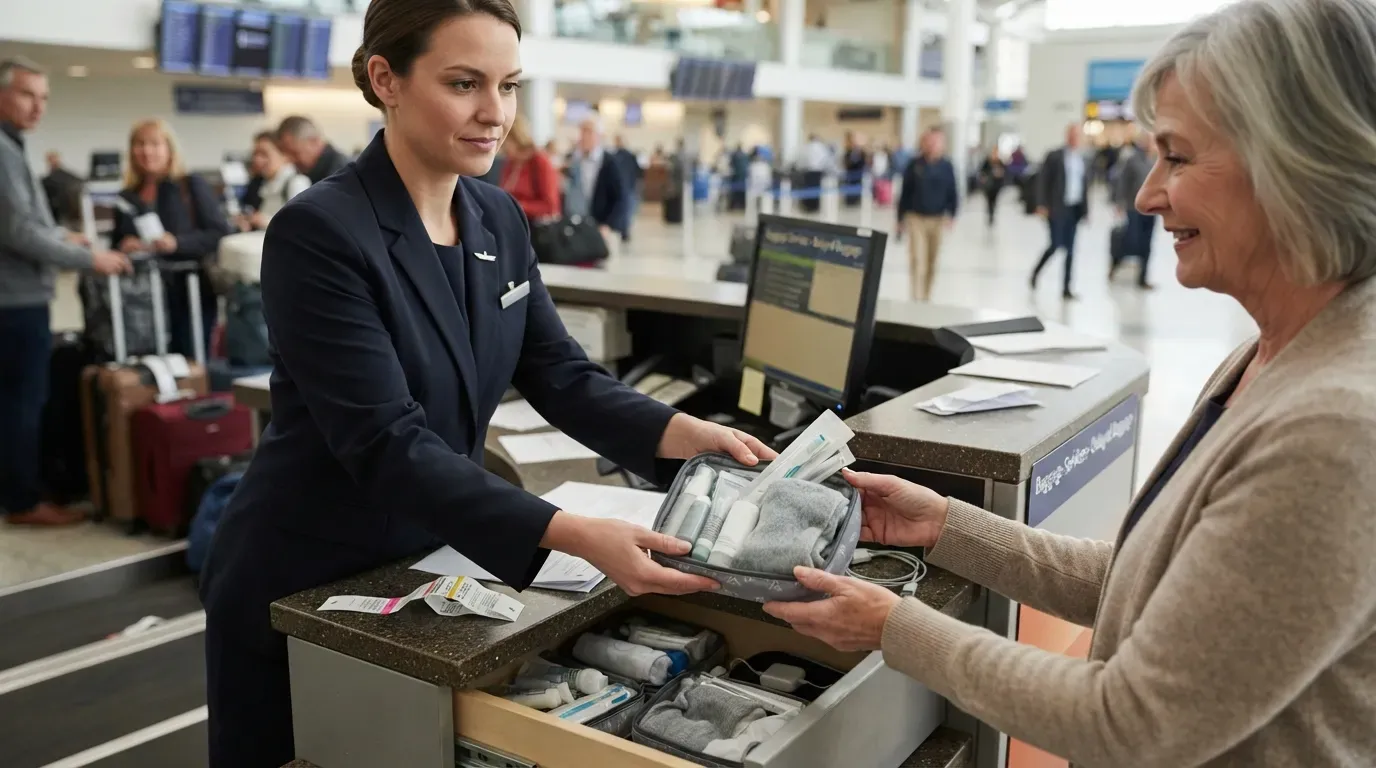
Airlines don’t advertise it, but many baggage counters keep a small supply of toiletries, basic clothing items, and comfort kits on hand for passengers whose bags are delayed. Some carriers will even provide courtesy items like car seats if a child’s seat gets stuck in a missing bag.
Staff often reserve the better items – a toothbrush kit, a phone charger, a basic first-aid item – for passengers who look like they’ll struggle most without their belongings, rather than handing out the same generic packet to everyone in line. It’s discretionary, never written into any policy, which is exactly why it varies so much from one counter to the next.
Fast Facts
- Comfort kits at baggage counters often include a toothbrush, travel-size toiletries, and a phone charger.
- Some airlines will loan or replace essential baby gear, like a car seat, if it’s stuck in a missing bag.
- These kits are discretionary – there’s no federal rule requiring them.
- Staff often set aside the better supplies for passengers who appear to need them most.
#6 – They Stay on the Line Long After the Script Says They Can Hang Up
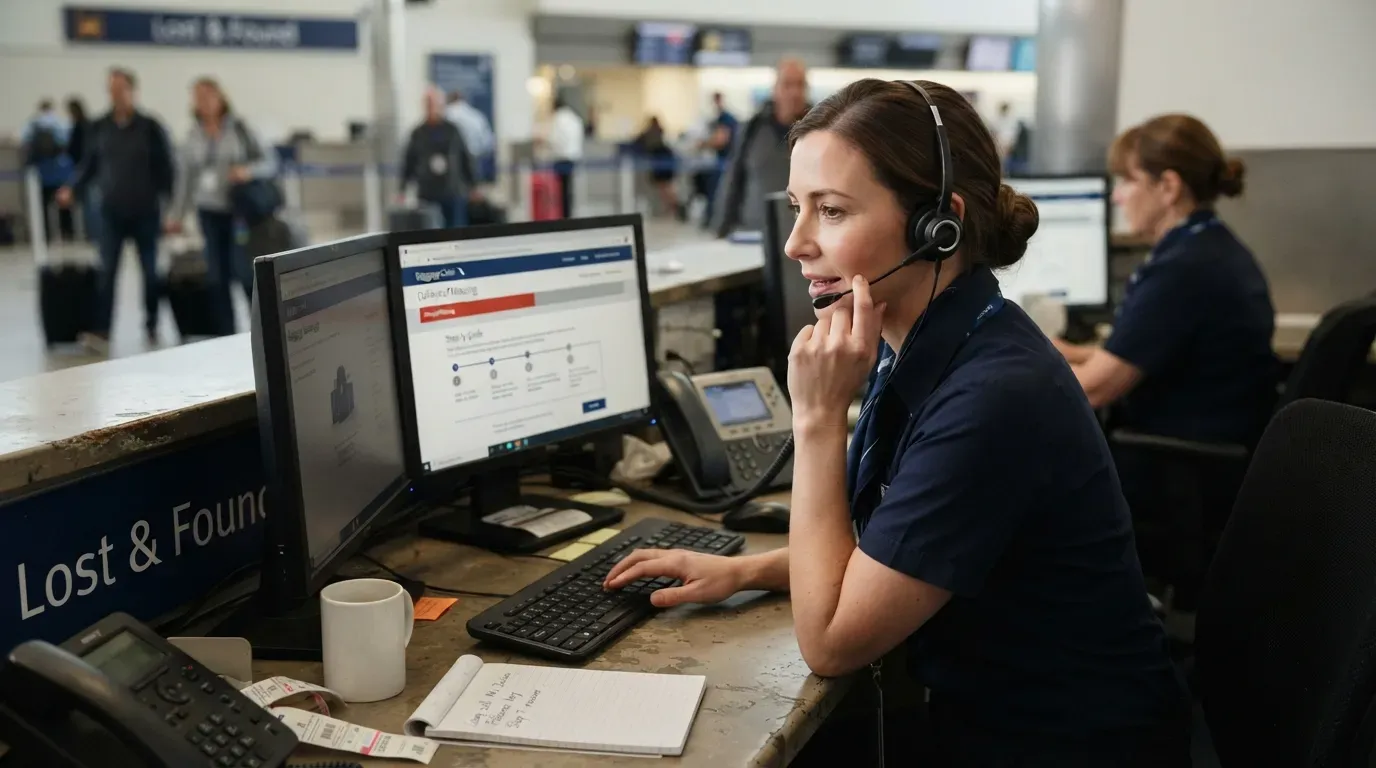
Baggage service calls are timed, tracked, and measured for efficiency. Agents are quietly aware that rushing an older caller who’s anxious, hard of hearing, or unfamiliar with tracking numbers tends to backfire into more calls, not fewer.
Many will slow down, repeat information twice, or walk a caller through an online tracking portal step by step – even if it stretches the call well past whatever benchmark their shift is measured against. It’s a quiet trade-off staff make on their own time, betting that one longer call beats three frustrated follow-ups later.
#5 – They Start the Search Before You’ve Even Finished Filing the Report
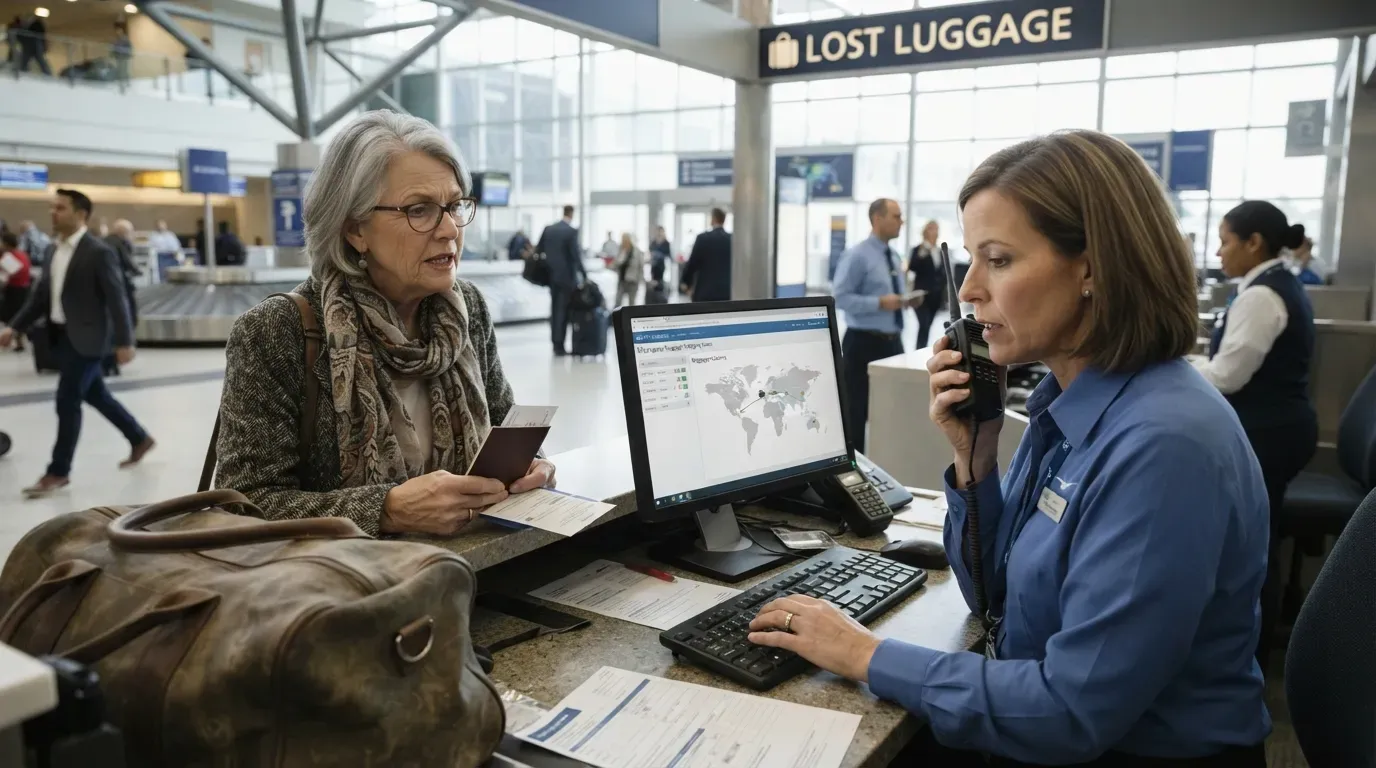
Filing a formal baggage claim can feel like paperwork purgatory, especially for someone standing at a counter after a long flight. Agents log a passenger’s local address and contact info, hand over a reference number, and plug everything into a shared tracking system – the standard stuff.
What most passengers don’t realize is that a competent agent often starts tracing a bag’s last scanned location while the report is still being typed up, instead of waiting for the paperwork to fully process. The search can begin before the file is even complete, especially when the agent senses the passenger is stressed or unfamiliar with the process.
#4 – They Quietly Soften the Receipt Requirements
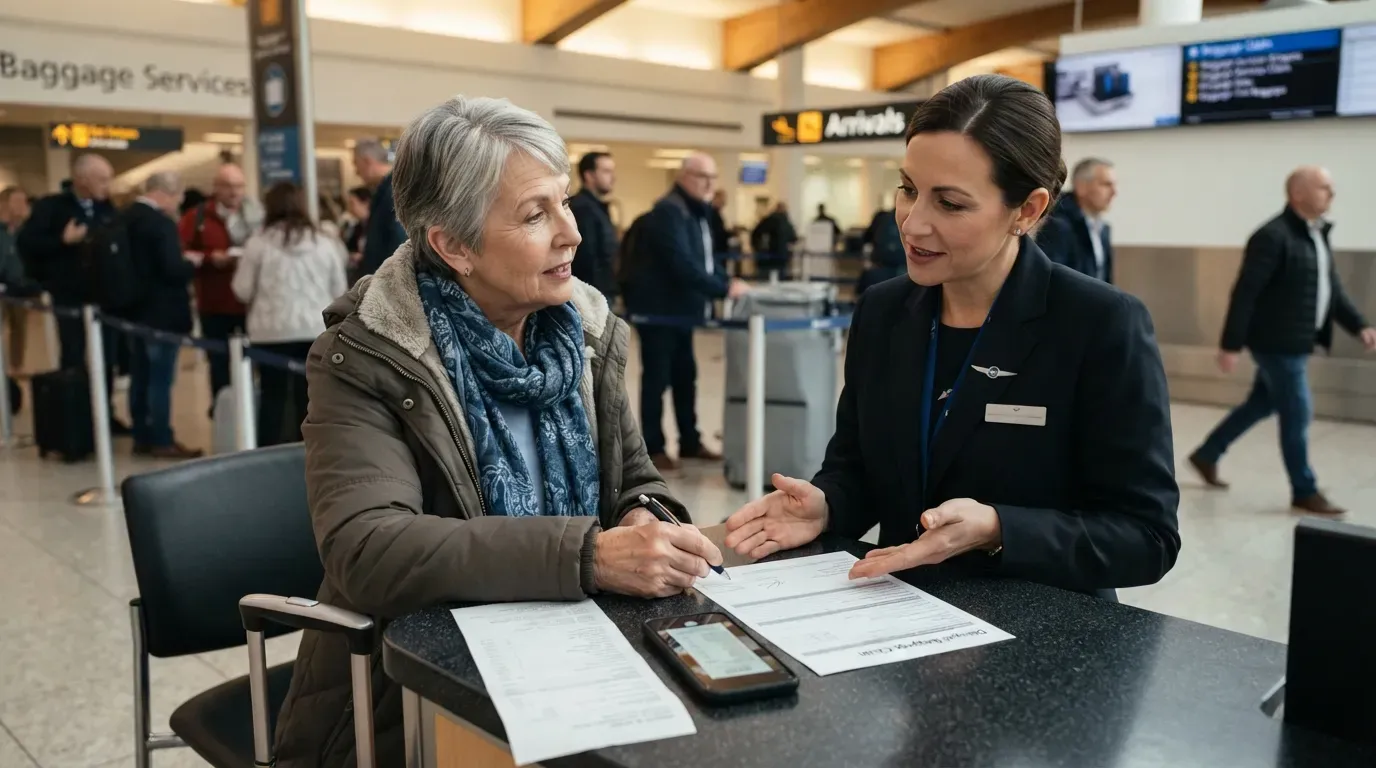
Airlines generally want documentation for reimbursement, but the rules leave more room than most people assume. Airlines can’t impose arbitrary daily limits on delayed-bag expenses, and they’re required to reimburse whatever’s reasonable and properly documented.
Agents who understand that not every passenger keeps a tidy folder of receipts will sometimes accept a bank statement, a photo of a purchase, or a verbal description backed by a signature instead of insisting on a formal printout. It bends the strict letter of the policy, but it’s a common workaround for passengers who find the paperwork overwhelming.
#3 – They Know the 12-Hour Clock Better Than You Do – And Start It Ticking in Your Favor
Few travelers realize that a delayed bag comes with an automatic countdown attached to it. If a checked bag isn’t delivered within 12 hours of arriving at the gate on domestic flights, the checked-bag fee becomes refundable. International flights get a longer window – 15 hours for short-haul, 30 hours for long-haul.
Staff who know this rule cold will sometimes note the exact arrival time in a file the moment a passenger reports a missing bag, so the refund clock is already documented before anyone has to ask. That refund is then required to land back on the original payment method within seven business days to 20 calendar days. Most passengers never even realize that money is owed automatically.
Quick Compare
| Flight Type | Refund Window Starts Ticking |
|---|---|
| Domestic | 12 hours after gate arrival |
| International, short-haul | 15 hours after gate arrival |
| International, long-haul | 30 hours after gate arrival |
#2 – They Build Your Paper Trail for You, Just in Case
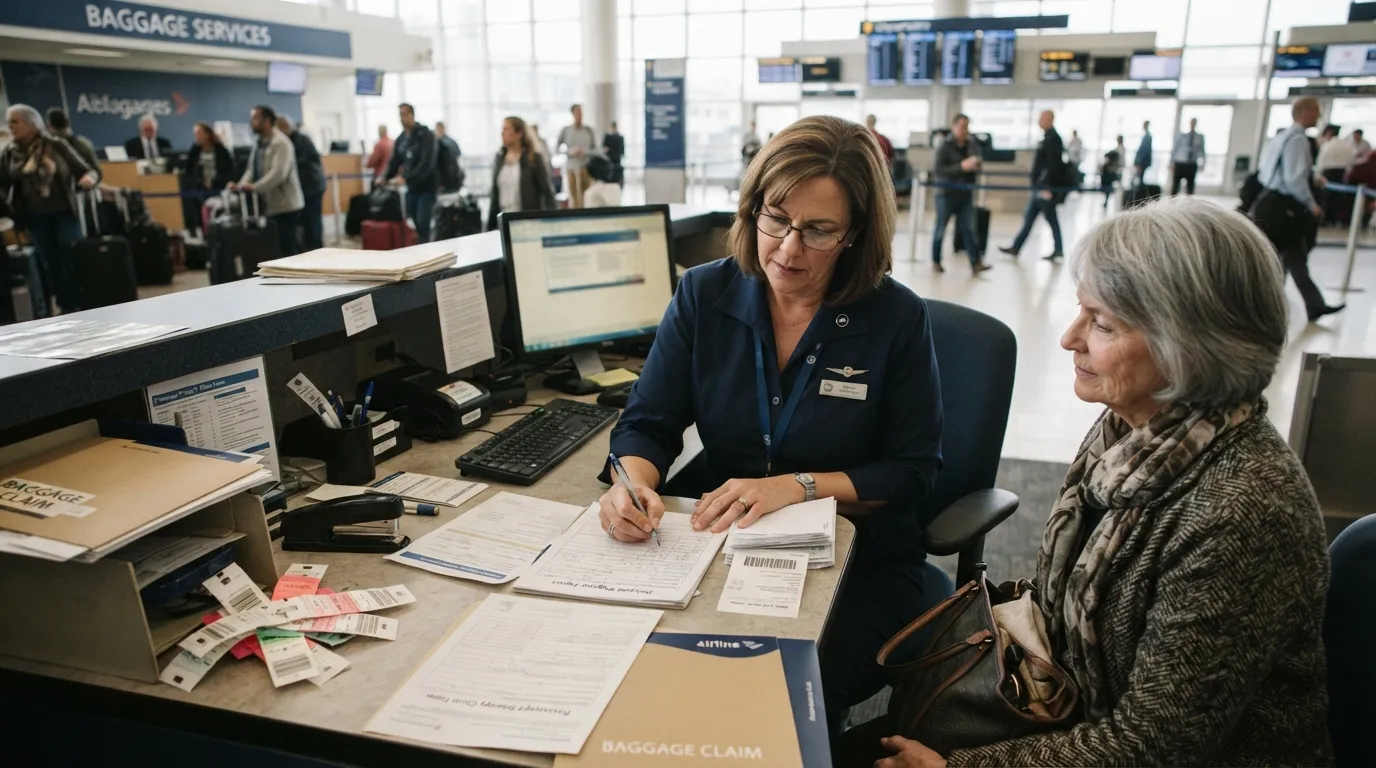
A missing bag can turn into a bigger claim than anyone expects, and airlines are allowed to cap what they owe – up to $4,700 per passenger on domestic flights. Once an airline officially declares a bag lost, it owes compensation for the contents, subject to depreciation and that ceiling.
Experienced agents quietly document more than the minimum required – extra notes on condition, extra detail on timing, extra copies of the reference number – because they’ve seen how often a case escalates weeks later. That extra documentation becomes the difference between a smooth claim and a passenger fighting for compensation months down the road.
At a Glance
- Domestic liability cap: up to $4,700 per passenger for lost or damaged bag contents.
- Compensation is subject to depreciation, not full replacement value.
- Assistive devices like wheelchairs are exempt from this cap entirely.
- A well-documented paper trail can make or break a disputed claim later on.
#1 – They Treat the Wait Itself as the Real Emergency
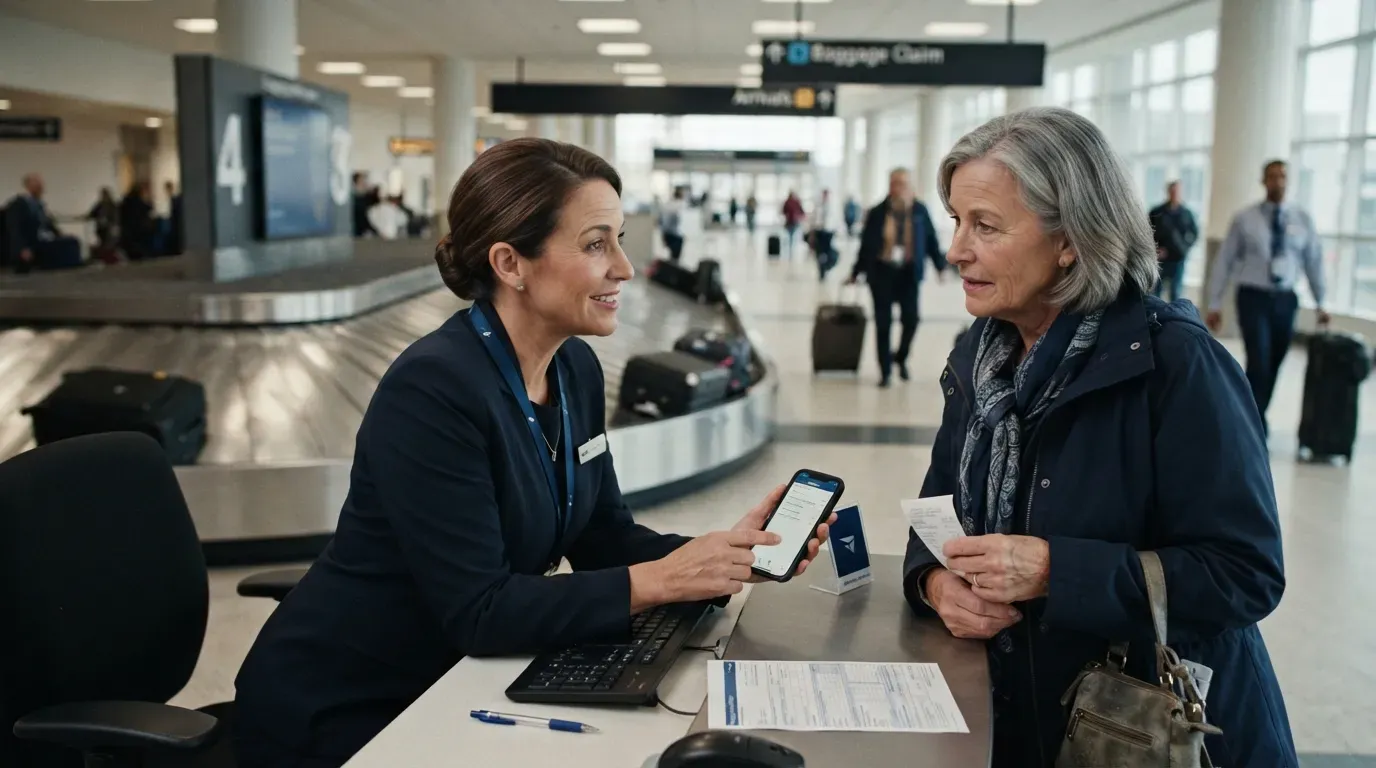
The single biggest thing quiet, experienced staff understand is that for an older traveler standing alone at a carousel, the missing suitcase is rarely the actual crisis – the uncertainty is. Agents who’ve been doing this for years learn to lead with a plan and a timeline instead of a form, because that’s what actually calms someone down.
That’s also why the best agents keep a passenger’s phone number handy and check in with an update even when there’s nothing new to report. A short “still looking, here’s what we know” call does more for an anxious traveler than any amenity kit ever could. It’s not written in any manual – it’s just what good baggage staff have learned works.
None of these thirteen habits show up in a contract of carriage or a press release. They’re the quiet, human judgment calls that separate a miserable lost-bag experience from one that gets resolved with dignity. The federal rules set the floor – the $4,700 cap, the 12-hour clock, the unlimited liability on mobility gear – but it’s the staff who decide how much further to go within it.
If you’re traveling with an older parent, or you’re the one standing at the carousel yourself, it’s worth knowing these quiet practices exist. Asking directly for a CRO, requesting doorstep delivery, or simply saying out loud that you have a medical need can be enough to set all of this in motion before you even realize it’s happening.