
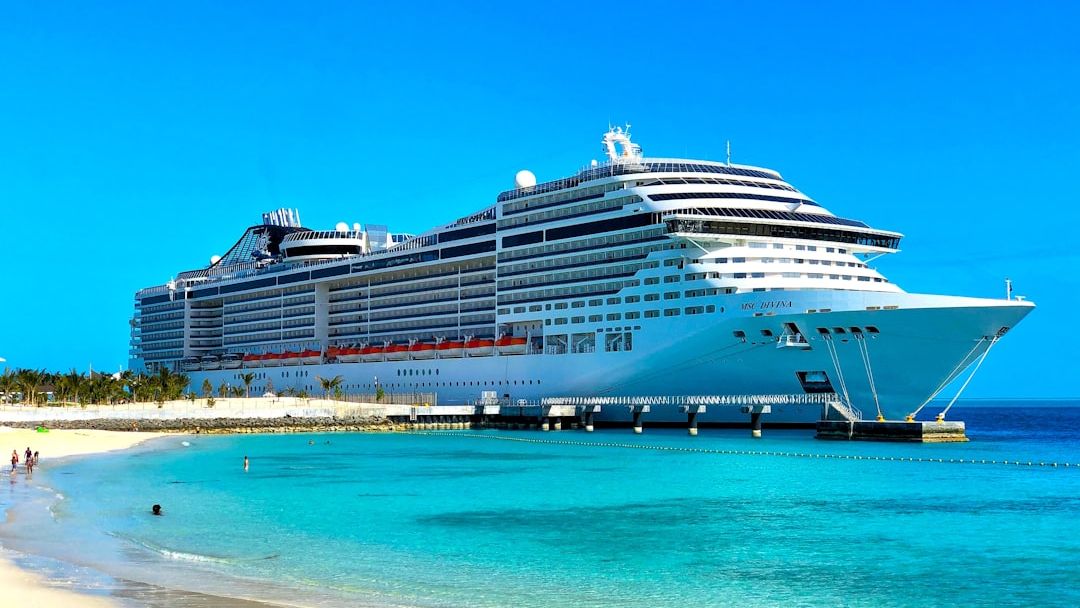
You spent months planning this cruise. You found the right ship, the right cabin, the right itinerary. And then, somewhere between the terminal entrance and the gangway, it started falling apart. Embarkation day is where hundreds of dollars in lost time, genuine panic, and first-day frustration are quietly born – and most of it happens before the ship even leaves the dock. The ship won’t wait. The muster drill won’t skip itself. And that bag you handed to the porter? Gone until dinner.
The damage usually isn’t dramatic. Nobody forgets their flight. It’s the small, invisible errors that stack up – ignoring the boarding window, leaving the wrong stuff in the wrong bag, skipping one step in an app. Each one costs you something real on a day that should feel like the start of something great. Count these down and see how many are already hiding in your plan.
#12 – Flying In the Same Morning as Your Departure
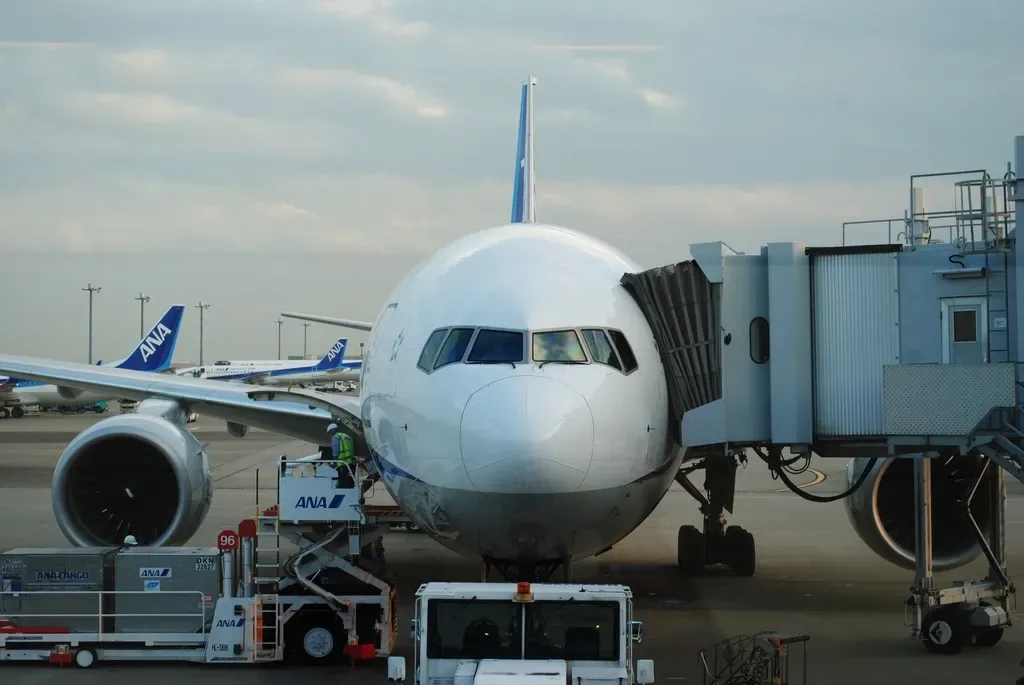
This is the mistake that can end your vacation before it starts – and cruise booking agents quietly let it happen all the time. A single gate delay, a mechanical issue, or a traffic jam between the airport and the pier is all it takes. Cruise ships operate on strict schedules and they will not hold for a delayed flight, no matter how much you paid for your cabin. The Department of Transportation does not require airlines to reimburse you for delays, so if you miss your ship, you’re entirely on the hook.
It gets worse. Even travel insurance that covers flight delays may not cover a missed cruise if your booking looks reckless – fly-in-same-morning can trigger policy exclusions that let the insurer walk away clean. Flying in the night before isn’t a luxury upgrade or an extra expense you’re splurging on. It’s the only logical play, and experienced cruisers treat it as non-negotiable. One cheap same-day flight can cost you a $5,000 trip.
Fast Facts
- Most major cruise lines close boarding 90 minutes before the published sailing time – not at departure itself.
- Airlines are not required to compensate you if a delay causes you to miss a cruise, even if the delay is their fault.
- Arriving the night before and staying at a port hotel is the single most effective embarkation-day risk reducer.
- Port cities like Miami, Fort Lauderdale, and Galveston all have hotel options within a few miles of the cruise terminals.
#11 – Ignoring Your Assigned Boarding Time Slot

First-timers almost always assume that arriving earlier than their assigned window gets them on the ship faster. It doesn’t. It just makes you miserable. Most major cruise lines stagger embarkation in specific time windows, and if you show up too early, you’ll be waiting outside – often in the heat, without easy access to restrooms or water – while the terminal processes the group ahead of you. Thousands of people are boarding a floating city in a few hours. That system is engineered. Fighting it makes things worse.
Arriving too late creates its own chaos. Cut it close and you’re rushing through check-in, missing the ship’s opening energy, and starting your vacation already behind. Experienced cruisers often aim for the middle of their boarding window rather than the very start, when lines are typically longest. Research the traffic patterns around your departure port in advance – Miami on a Saturday morning and Galveston on a Sunday operate very differently. Work with the system, not against it.
#10 – Skipping Online Check-In (or Leaving It Until the Last Minute)

This is a quiet tax on procrastinators, and it shows up immediately at the terminal. Royal Caribbean’s online check-in opens 45 days before sailing and closes 48 hours before departure. Completing it early means uploading your passport details, adding a credit card to your onboard account, submitting your profile photo, and locking in an early boarding time slot. Skip it, and the terminal agent does all of that manually while a line builds behind you.
The time-slot angle is where real money gets left on the table. The earliest windows – often 10:30 or 11:00 AM – fill up fast on large ships because slots are first-come, first-served. Early slots mean shorter queues, more time exploring the ship before the crowds arrive, and first pick at restaurants and activities that open at noon. Completing online check-in is also, on many lines, strongly required before you reach the pier. It’s a two-minute process done weeks in advance that pays back hours on embarkation day. There is no good reason to skip it.
At a Glance: What Online Check-In Actually Covers
- Passport scan – uploaded through the app, verified at the terminal in seconds
- Security photo – taken at home against a plain background for faster boarding
- Onboard payment method – credit card linked to your SeaPass or folio account
- Emergency contact – required; must be someone not sailing with you
- Arrival time slot – selected after completing check-in; earliest slots go first
#9 – Packing Your Documents in Your Checked Luggage
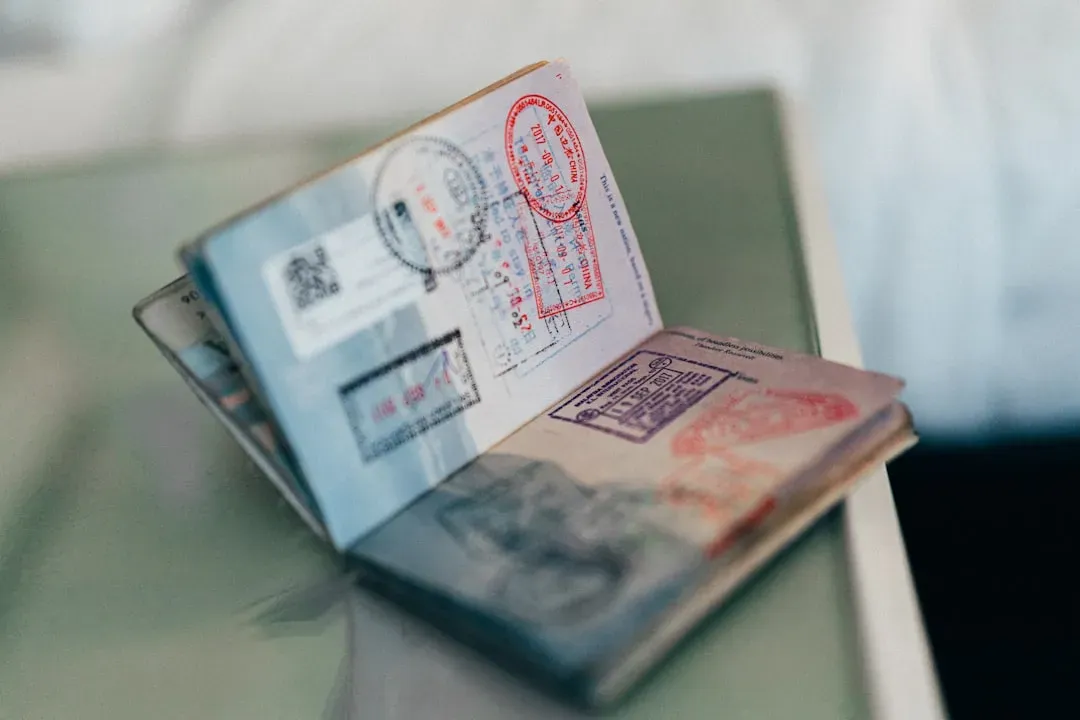
This one causes full-blown panic at the terminal, and it happens on every single sailing. The moment you hand your big suitcase to a port porter, that bag disappears into a sorting system processing thousands of pieces of luggage. If your passport, birth certificate, or required visa is buried in that bag, you have a serious problem – because the terminal agent needs to see those documents before you ever reach the gangway, and “my passport is in my checked bag” is not a solution they can help you with.
Keep your travel documents, medications, valuables, electronics, and any jewelry on your person during boarding. Every single item on that list. Bags are typically delivered to staterooms hours after sailaway, and while the process is efficient, it’s not instant – and it’s not guaranteed to be without hiccups. A single passport buried in a checked suitcase has derailed entire family vacations, stranding people at the terminal while the ship makes its way to the first port. Keep the critical stuff on your body. This is non-negotiable.
#8 – Not Packing a Proper Day Bag
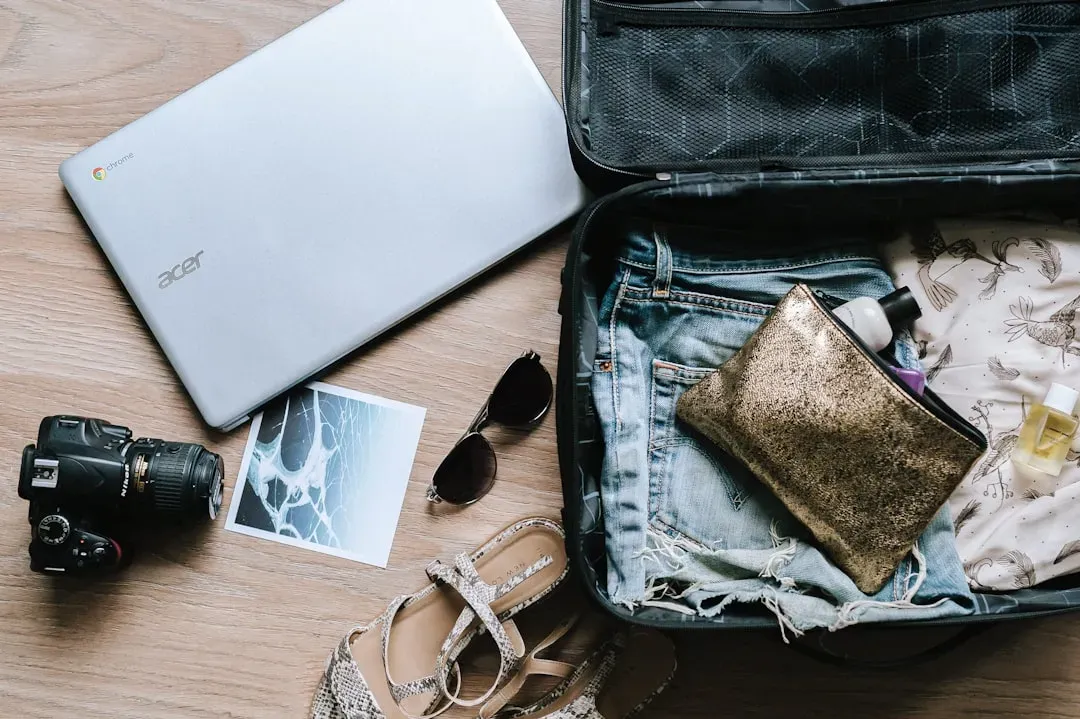
You’ve boarded the ship. You’re excited. You want to hit the pool. But your swimsuit, sunscreen, and flip-flops are locked inside a suitcase you won’t see for the next four to six hours. This is the most fixable mistake on the entire list, and it still catches people off guard on every sailing. Your checked luggage will arrive at your cabin – most likely before dinner – but it is never guaranteed to arrive the moment you want it.
Pack a separate day bag the night before you leave home. Swimwear, sunscreen, a change of clothes, sandals, any medications you’ll need during the day, a portable charger, and any valuables you’re not checking. Two minutes of packing the night before unlocks your entire first afternoon on the ship. Missing the pool, the sun deck, and the opening-day energy because your bag isn’t there yet is completely avoidable – and once you’ve done it once, you’ll never board without a day bag again.
Worth Knowing: Day Bag Essentials
- Swimwear and a cover-up – pools and sun decks open the moment you board
- All daily medications – checked bags can take 4 to 6 hours to reach your cabin
- Sunscreen, sunglasses, and flip-flops or sandals
- Portable charger and any electronics you’ll use on day one
- Snacks if you have dietary restrictions – embarkation lunch options vary by ship
#7 – Forgetting to Put Luggage Tags on Your Bags
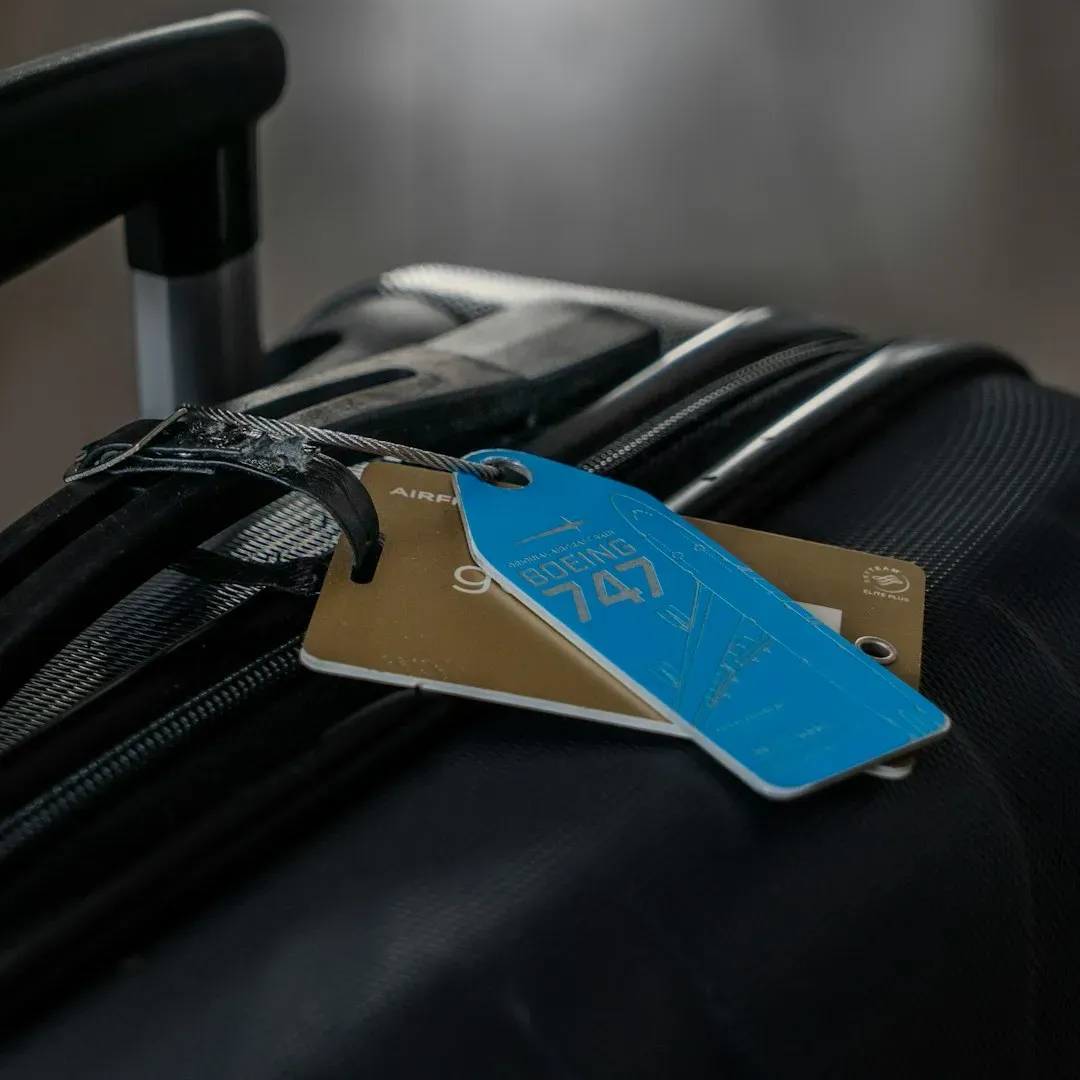
Port porters handle thousands of bags from hundreds of passengers in just a few hours. Without a proper cruise luggage tag – printed at home after completing online check-in, showing your name, cabin number, ship name, and sail date – your suitcase becomes an anonymous black rectangle in a sea of other anonymous black rectangles. A missing tag doesn’t guarantee a lost bag, but it does mean meaningful delays and significant stress during a day that should feel effortless.
If your bag ends up sorted incorrectly, it may not arrive until well after sailaway – which means spending your first evening hunting down your cabin steward instead of enjoying the ship. And if you had a last-minute cabin change, check near your original stateroom number first, because that’s where the bag was tagged to go. Printing and attaching luggage tags takes about three minutes at home the night before departure. Tag every single bag. It is one of the smallest tasks on this list and one of the highest-consequence ones to skip.
#6 – Heading Straight for the Buffet at Boarding

The moment the ship opens, roughly half the passengers do exactly the same thing: head directly to the Lido deck buffet. The result is completely predictable. Long lines, tray-juggling with carry-ons in hand, a desperate hunt for one open table, and a lunch that feels more like a crowded food court than the start of a vacation. The buffet on embarkation day is the single most congested spot on the entire ship, and most first-timers walk straight into it out of habit.
The fix is simple – and often better. Many ships open their main dining rooms for a sit-down embarkation lunch with full waiter service at no extra charge. Specialty restaurants are another option, some of which run embarkation-day specials. Royal Caribbean fans in the know make a beeline for the Park Cafe’s roast beef Kummelweck sandwiches – a beloved embarkation-day tradition with a fraction of the wait. The guests who skip the buffet on day one almost always describe a noticeably better start. All it takes is knowing there’s another option.
#5 – Leaving Your Phone off Airplane Mode After Sailaway
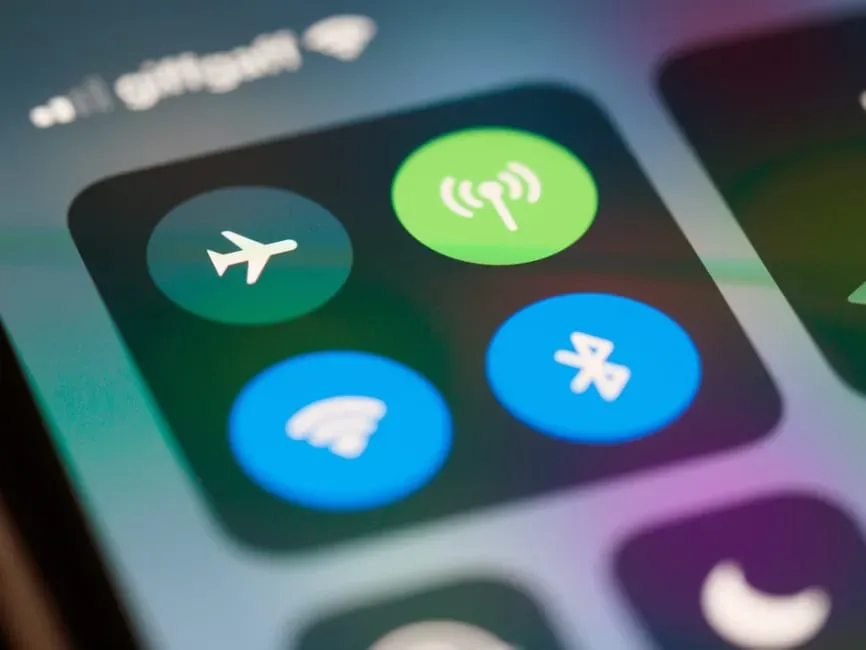
This mistake doesn’t hurt you right away. It ambushes you three weeks later when your phone bill arrives. Once your ship clears the harbor, you leave your carrier’s coverage area and your phone begins connecting to a satellite-based maritime network – and those roaming charges can run between $3 to $5 per minute for voice calls, with data rates that can reach $20 per megabyte on some carriers. Texts downloading, apps refreshing, emails syncing – none of it feels expensive in the moment, but the bill tells a different story. One traveler received a $2,349 charge from a single Carnival cruise after leaving his phone off airplane mode the entire trip.
Going into airplane mode doesn’t mean going dark. Switch to airplane mode, then connect to the ship’s Wi-Fi network – and here’s what a lot of first-timers don’t realize: you don’t need a paid internet package to use the cruise line’s own app. Once connected to the ship’s Wi-Fi, the app works for free on most major lines, giving you access to the daily schedule, deck maps, dining reservations, and in many cases free in-app messaging with your travel party. Airplane mode on, ship Wi-Fi connected. You stay reachable without torching your budget.
Quick Compare: Phone Options at Sea
- No action taken: Phone auto-connects to maritime satellite network; roaming fees apply silently in the background
- Airplane mode only: No charges, no calls, no texts – but still usable for offline apps, photos, and alarms
- Airplane mode + ship Wi-Fi: Free access to cruise line app, in-app messaging, and daily schedule with no roaming risk
- Paid Wi-Fi package: Full internet access for browsing, streaming, and video calls – best purchased before boarding at the lower pre-cruise rate
#4 – Not Pre-Booking Dining, Excursions, or Onboard Experiences
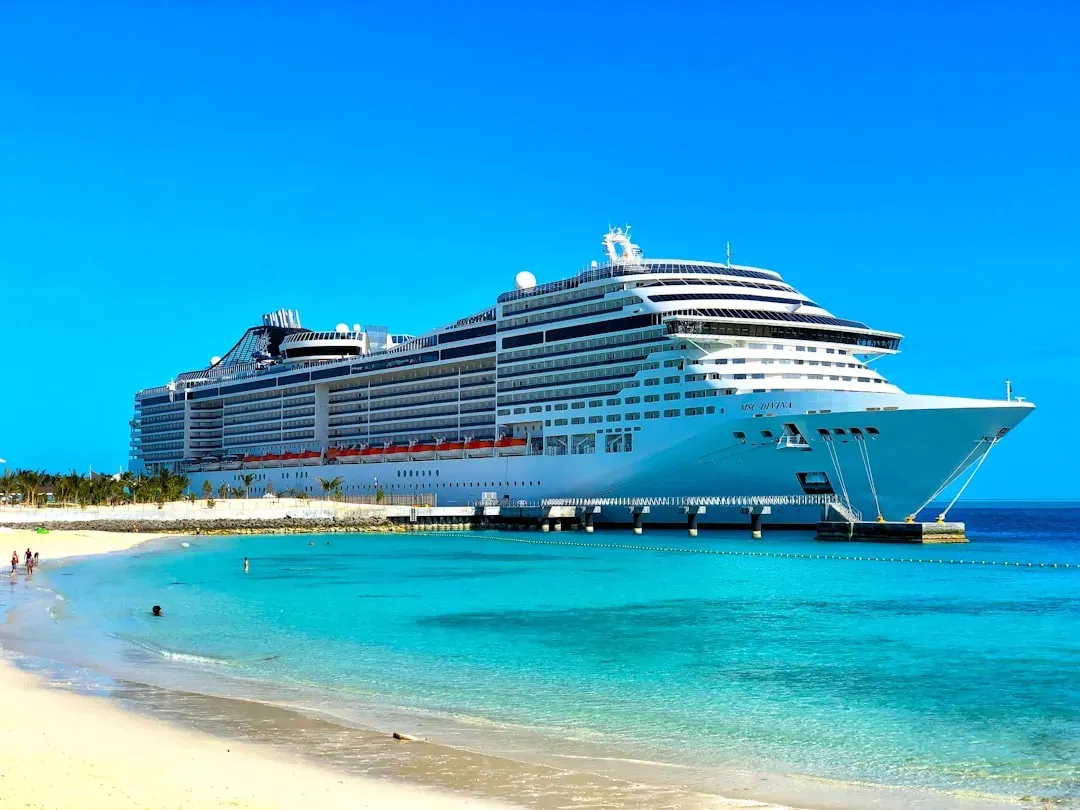
The assumption is that a cruise is one giant all-inclusive resort where everything is simply waiting for you when you arrive. That’s true for the basics – but the best of it books out fast. Prime specialty dining times, spa appointments, cabana rentals, cooking classes, small-group shore excursions in high-demand destinations like Alaska and the Mediterranean – these sell out weeks before the ship even leaves port. The guests holding the 7 PM reservation at the steakhouse on night one booked it from their couch two months ago.
Many cruise lines also offer discounts when you pre-book through their cruise planner before sailing, meaning you’ll often pay less than the onboard price for the same experience. Waiting until embarkation day to book specialty dining is the single most common reason guests end up eating at the buffet every night – not because they wanted to, but because every desirable time slot was already gone. Open the cruise planner the moment your booking confirms. Treat it like making restaurant reservations for a trip to a city you’ve never visited. The best tables go first.
#3 – Trying to Check Into Your Cabin the Moment You Board
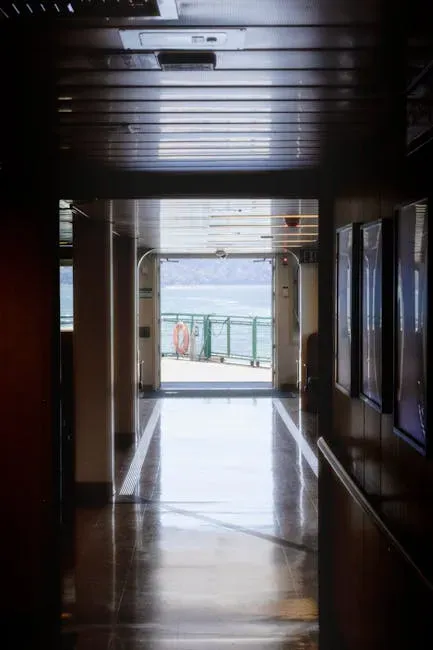
The stateroom is not ready. It will not be ready. And yet, on every single sailing, a wave of passengers drags their carry-ons straight to the cabin hallway the minute the ship opens and stands there, frustrated, wondering why they can’t get in. Cabin stewards have just turned over rooms from the previous cruise and are still working through the process – most ships officially clear rooms around 1:30 to 2:00 PM. Some ships even block hallway access with fire doors until an entire section is ready.
This is actually one of the most underrated windows of the whole trip. Use the time to explore the ship before the crowds settle in, find your dining venues, check out the spa open house, grab lunch somewhere other than the buffet, or just sit on deck and let the fact that you’re actually on a cruise sink in. You will be in that cabin all week. There is genuinely no reason to rush. The guests who spend embarkation afternoon exploring almost always say it was one of the best decisions they made – and they discovered parts of the ship that other passengers never found.
#2 – Skipping or Delaying the Muster Drill
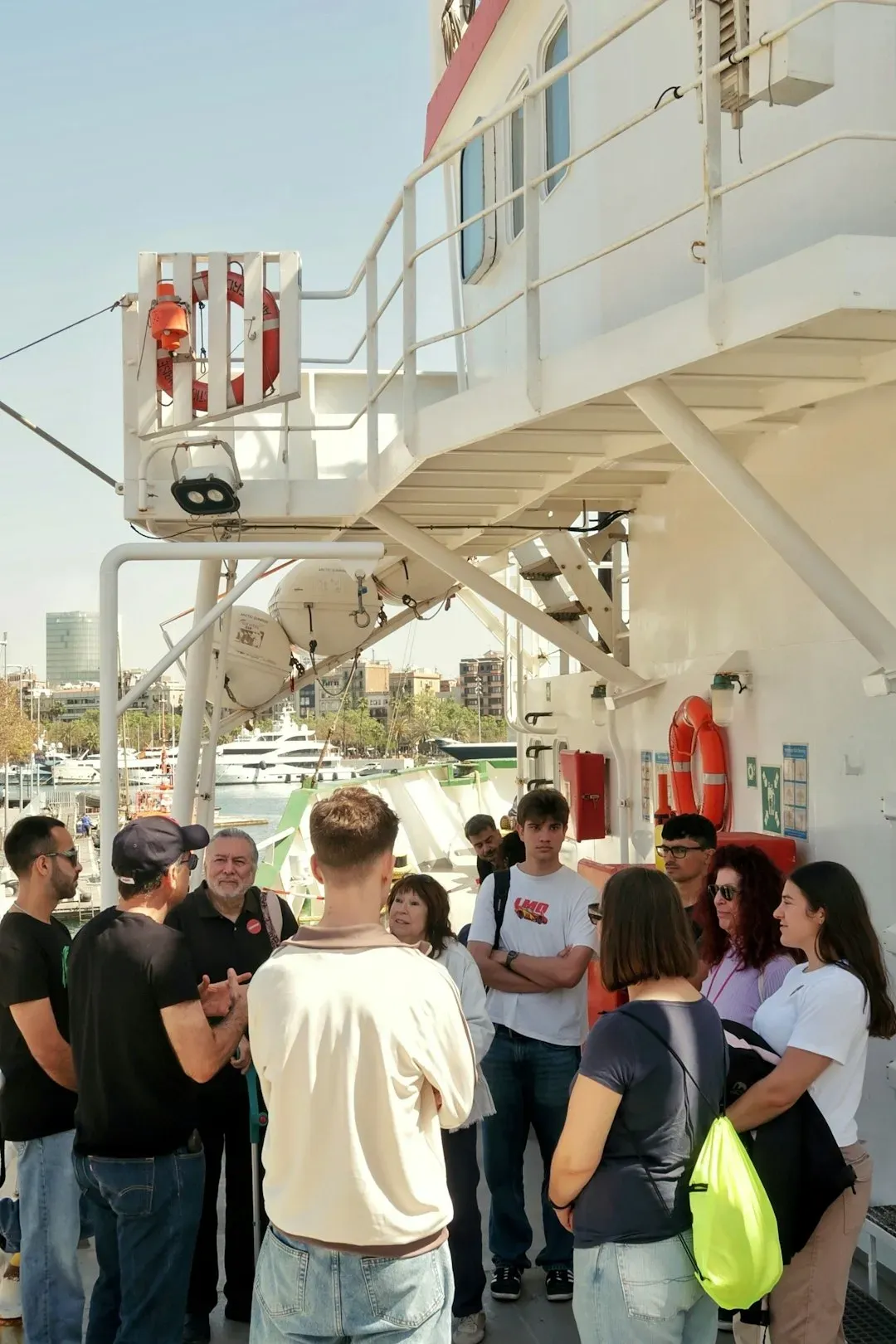
Every first-day cruiser thinks about skipping the muster drill. Some actually try it. None of them quietly get away with it. The safety briefing is a legal requirement enforced by the U.S. Coast Guard and international maritime law – if you fail to complete it, crew members will track you down by cabin number and require you to finish before you can fully access the ship’s amenities. Refuse again, and the cruise line has the authority to remove you from the vessel without a refund. This is not a bluff.
The smart play is to get it done immediately and get it out of the way. Many cruise lines – including Royal Caribbean, Carnival, and Norwegian – have shifted to a digital muster process called eMuster or similar, allowing guests to watch safety videos on their phones and then briefly check in at their assigned assembly station on their own schedule before sailaway. It takes about fifteen minutes total. Do it early, check the box, and the rest of embarkation day is completely yours. There is no longer any good reason to delay, and the consequences of skipping are severe enough that it should never feel optional.
#1 – Showing Up at the Terminal Without the Right Documents
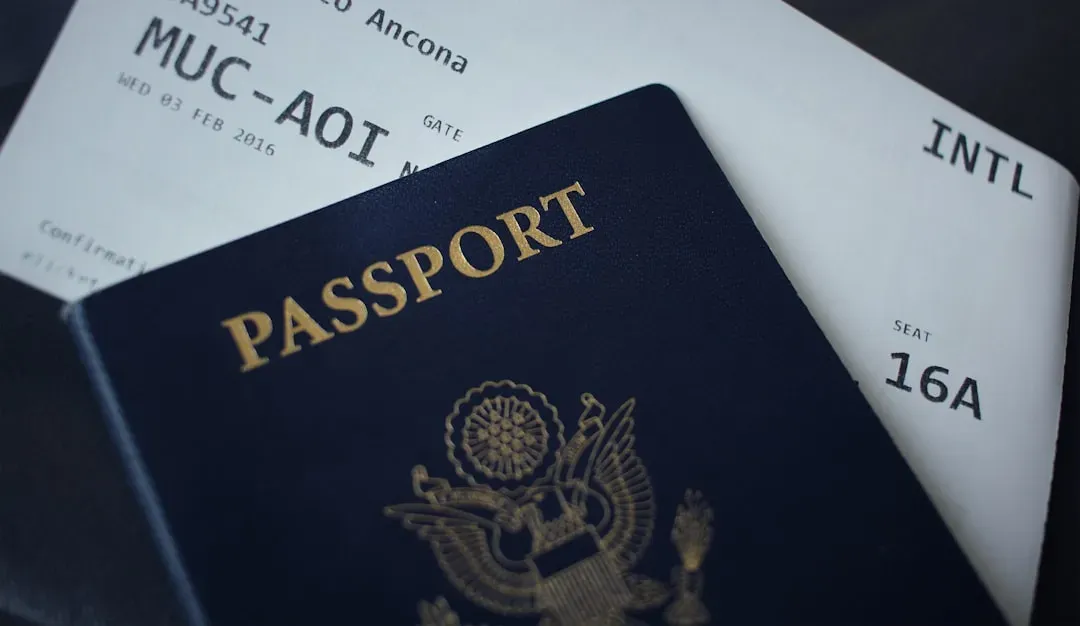
This is the nuclear mistake. Everything else on this list costs you comfort, time, or money. This one ends your cruise entirely – at the terminal door, with your luggage at your feet and your ship visible from the parking lot. If you don’t have the correct passport, visa, or entry documentation required for every port on your itinerary, the cruise line will refuse boarding. No override. No workaround. No compassionate exception. They turn you away, and the ship sails without you.
The passport question is especially dangerous because people assume a government-issued ID is enough, or that a photocopy will do, or that their expired passport will slide through. It won’t. Cruise lines including Norwegian, Carnival, and MSC make it explicit: failure to present a valid passport at check-in results in denial of boarding with no refund. Most cruise lines also require your passport to be valid for at least six months beyond your cruise return date – not just through the sailing itself. Check entry requirements for every port on your itinerary based on your specific citizenship. A U.S. passport costs $130 for a first-time adult applicant and is valid for ten years. Verify yours expires well after your sailing date. This is the one mistake with zero recovery options.
Why It Stands Out: The Document Checklist That Saves Everything
- Passport book – must be valid for at least 6 months after your cruise return date, per most major cruise lines
- No photocopies – original documents only; photocopies are not accepted at embarkation
- Visas – check requirements for every individual port, not just the destination country
- Name matching – your name must match exactly across your passport, cruise booking, and airline ticket
- Minors traveling without both parents – bring a notarized authorization letter from the absent parent
None of these 12 mistakes are hard to avoid. Every single one is fixable with a little attention before you leave home: fly in the night before, honor your boarding window, complete online check-in early, tag every bag, pack a day bag, keep your documents on your body, and put your phone in airplane mode before the ship clears the harbor. Do those things and embarkation day stops being a gauntlet. It becomes what it was always supposed to be – the most exciting afternoon of the whole trip.