

Politeness might seem like a simple concept until you find yourself navigating cultural waters where a friendly smile meets a stone-cold stare. Some nations have earned reputations for their warmth and hospitality, while others are infamous for their bluntness and perceived rudeness. Recent research involving over 3,000 participants from 27 countries used the Big 5 Personality Test’s agreeableness section to measure friendliness levels, providing scientific backing to these cultural perceptions. These findings offer fascinating insights into where travelers can expect the warmest welcomes and where they might need to develop thicker skin.
New Zealand: The Land of Genuine Hospitality

Visitors consistently report never experiencing “so many people who are so nice, polite, and wanting to help in any way possible,” with one traveler sharing how strangers offered accommodation after just half an hour of conversation. New Zealand consistently ranks among the most peaceful countries globally, with police officers who don’t carry firearms and notably low violent crime rates. The combination of stunning landscapes and genuinely caring people creates an environment where trust flourishes naturally. This nation has earned recognition not only as one of the friendliest countries but also as the most beautiful place in the world, according to recent surveys.
South Africa: Warmth That Transcends Boundaries
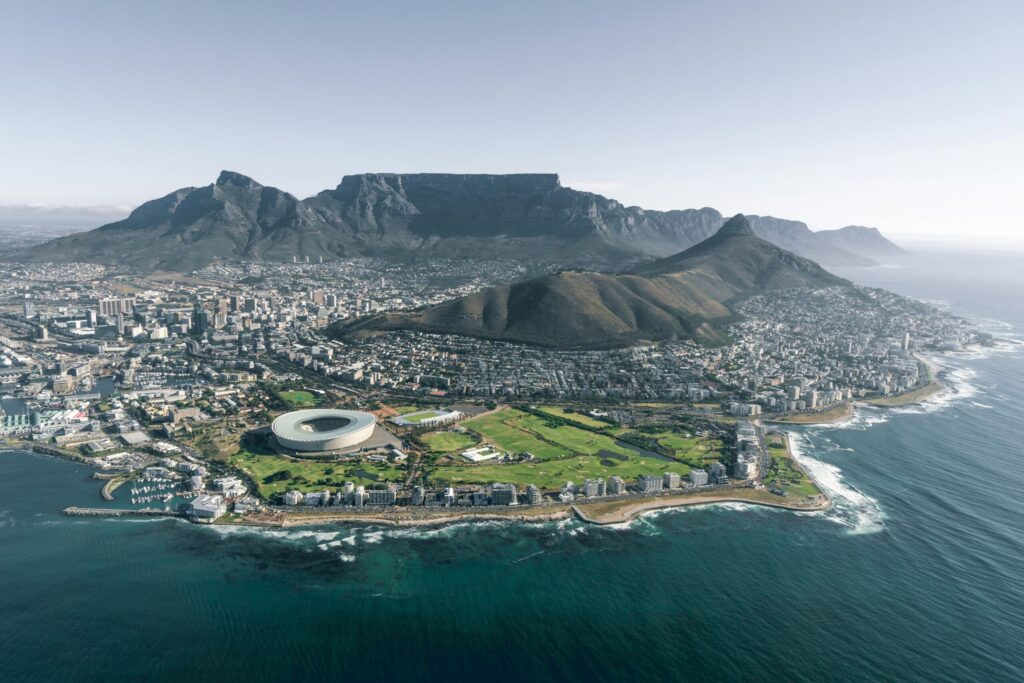
South Africans are renowned for their warm and welcoming nature, with visitors regularly greeted by polite strangers on the street who display their good humor through jokes and conversation. The country’s linguistic diversity adds to its accessibility, with eleven official languages including English and Afrikaans, creating numerous ways to communicate and connect with locals. This cultural richness translates into genuine hospitality that makes visitors feel immediately at home. The nation’s complex history has fostered a resilient spirit of community that visitors find both inspiring and welcoming.
Japan: Politeness as a Cultural Foundation
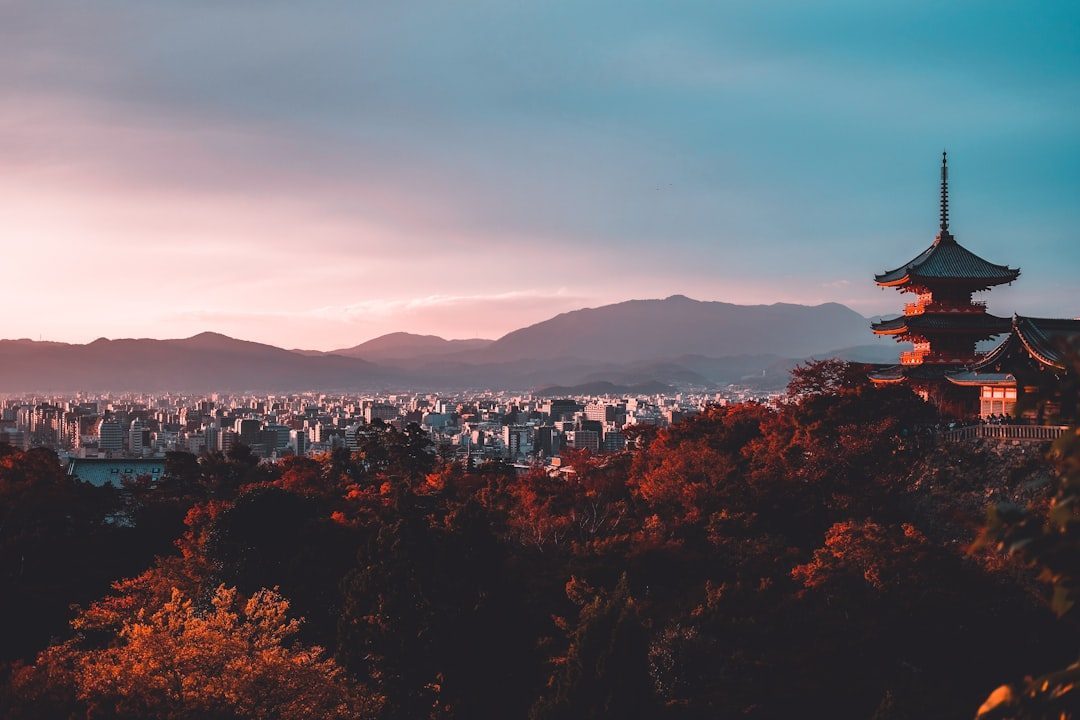
Japanese people maintain consistent politeness, and while they might not always offer help proactively, they will do their best to assist when asked. Strong social norms create a friendly and safe environment based on mutual respect between people. Travelers describe Japan with three simple words that capture its essence: “smiles, hospitality, helpfulness”. The country’s service culture extends beyond mere politeness to genuine care for others’ comfort and well-being. This creates an atmosphere where visitors feel respected and valued throughout their stay.
Mexico: Community Spirit and Joyful Living
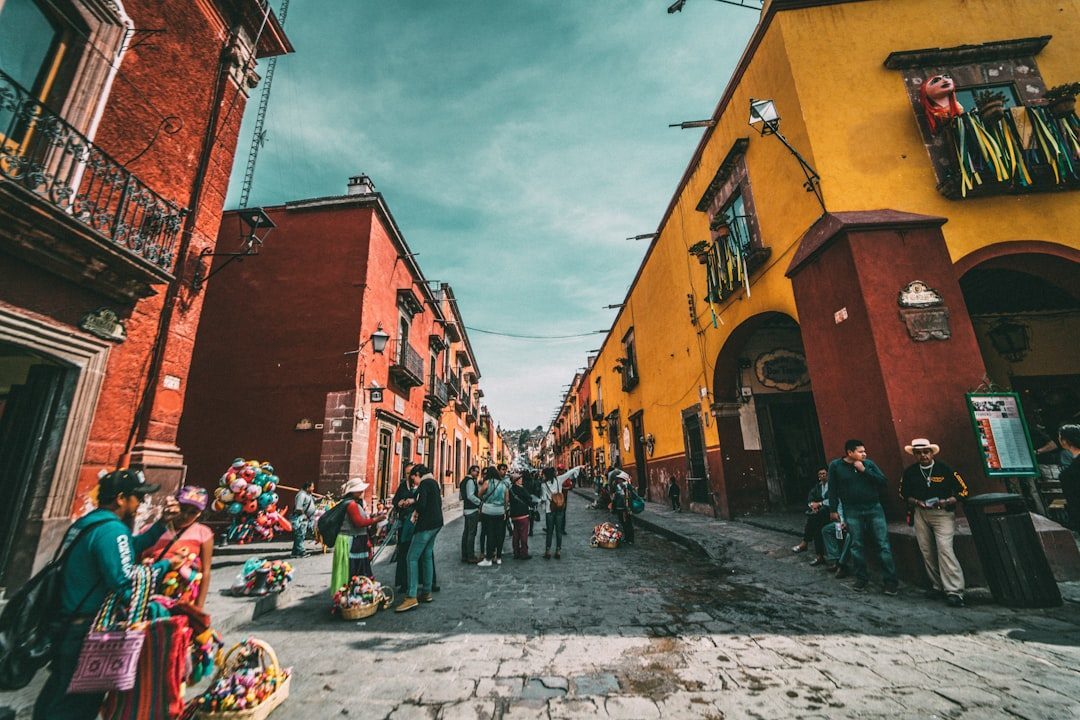
Mexico stands out for having a strong sense of community and being a happy nation, qualities that clearly come across in how locals interact with strangers. Coming in second place in InterNations’ 2024 friendliness rankings, nearly nine in ten expats report happiness living there, thanks to friendly locals and a welcoming culture. Over four in five survey respondents stated they felt at home in Mexico. The warmth extends beyond tourist interactions to genuine community integration, where newcomers find themselves embraced by local social networks.
Croatia: Tourism-Driven Kindness
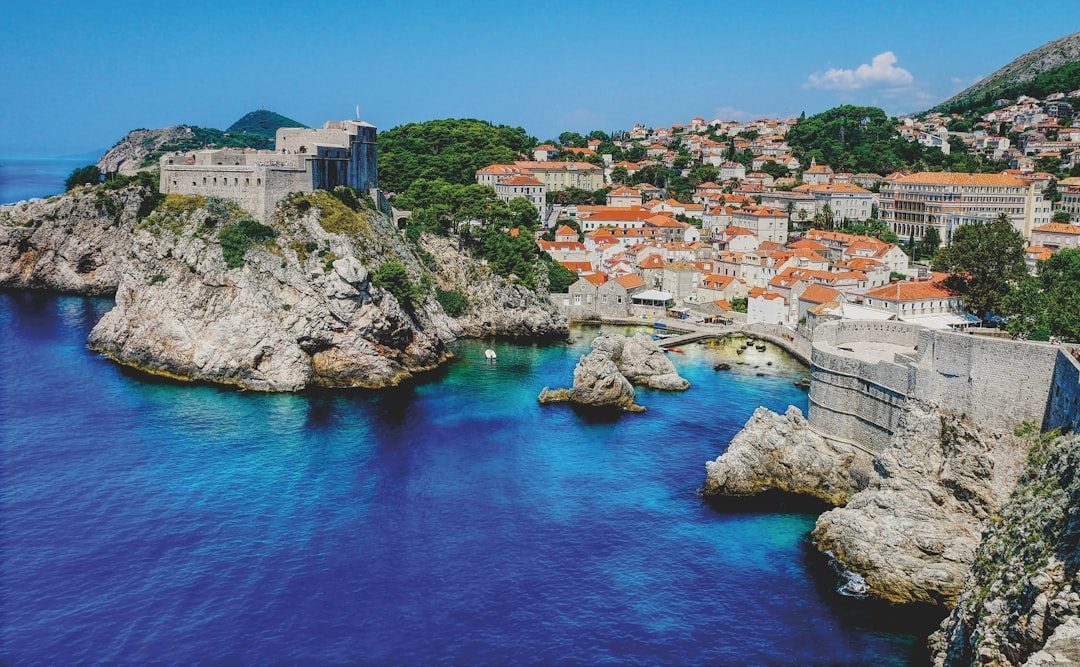
Tourism plays such an important role in Croatia’s economy that many visitors find Croats polite and welcoming, genuinely wanting to leave lasting positive impressions. Croatians are known for being sociable and generous with their time, happy to engage in long conversations wh,, whether catching up with friends or getting to know new people. The country’s vibrant cafe culture provides excellent opportunities to combat loneliness and make new friends. Local hospitality extends to practical help, with residents eagerly recommending the best places to visit while warning about areas to avoid.
Panama: The Friendliest Nation for Newcomers
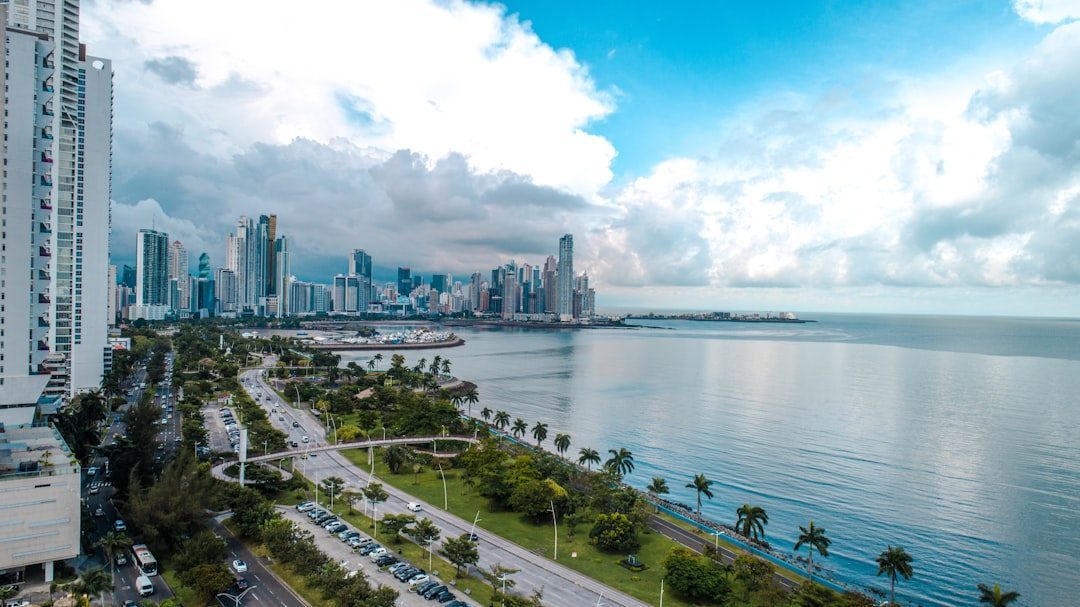
Panama topped the list as the friendliest country for expats in 2024, pushing Mexico to second place since the previous year. Nearly 90 percent of residents report their income covers a comfortable life, while over 80 percent express happiness with their overall experience. The country makes settling in, making local friends, and enjoying a balanced lifestyle remarkably easy. Panama’s combination of affordable living costs, excellent weather, and streamlined visa processes creates an ideal environment for both short-term visitors and long-term residents.
France: The Crown of Rudeness
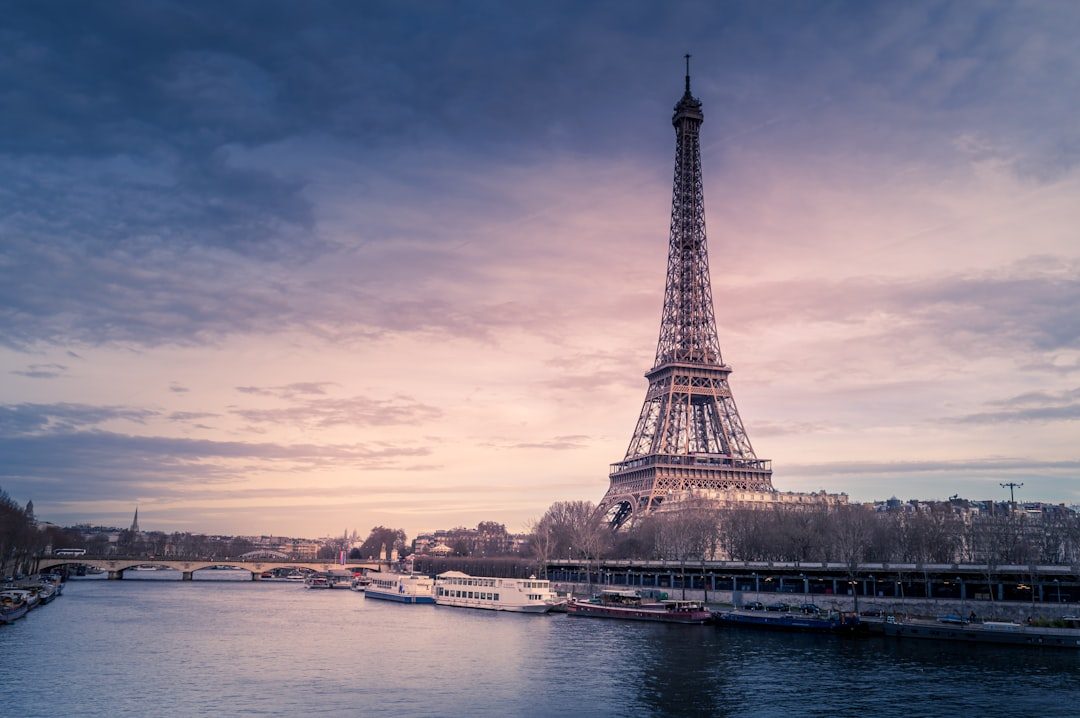
France is frequently cited as among the rudest countries in various travel surveys, while multiple studies consistently identify French people as among the rudest people travelers will encounter. Parisians face particular criticism for their brusque and impolite demeanor, being unusually blunt to most people. Reddit travelers report experiences of French people cutting in line, talking down to visitors, and making insults in French when they think tourists can’t understand. The cultural clash between French directness and international expectations of hospitality creates frequent misunderstandings that fuel this reputation.
Russia: Cold Shoulders and Cultural Barriers
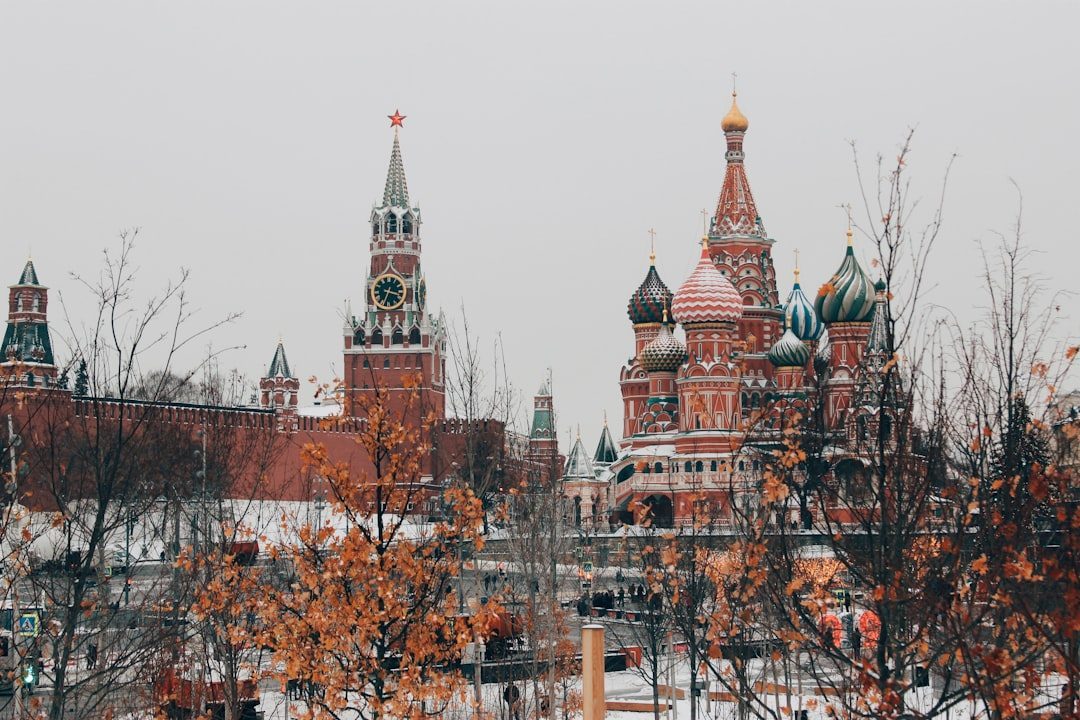
Russia consistently ranks second on rudeness lists with approximately 16 percent of votes. Russians will not smile until they know you, including customer service and salespeople; they remain suspicious of everyone until friendship develops. For tourists without time to earn locals’ trust, this cultural approach results in many uncomfortable interactions, though Russians don’t necessarily intend rudeness. Despite appearing unapproachable, Russians will usually assist foreigners in need if approached politely.
United Kingdom: Polite Words, Cold Hearts
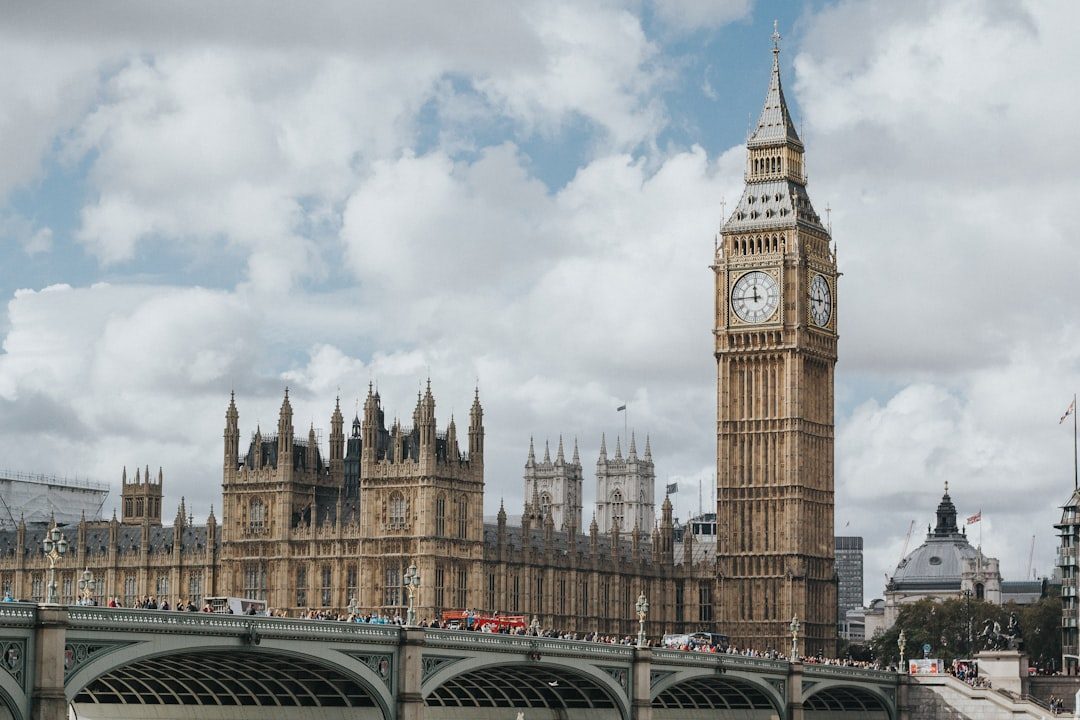
While British people frequently say please and thank you, most people find them cold and unfriendly due to their strong emphasis on privacy and desire to be left alone. People in the UK, especially London,in are often perceived as rude due to fast-paced city life stress, with Bristol, Hull, and Coventry identified as the three rudest UK cities. The United Kingdom frequently ranks poorly in friendliness surveys, falling into the category of unfriendly nations. The contrast between surface politeness and actual warmth creates a uniquely British form of social distance that many visitors find unwelcoming.
Travel experiences vary dramatically based on cultural expectations and individual encounters, yet these patterns persist across multiple studies and countless traveler testimonials. What remains fascinating is how geography, history, and economic factors shape national attitudes toward strangers, creating distinct cultural personalities that either embrace or resist outside connections.