
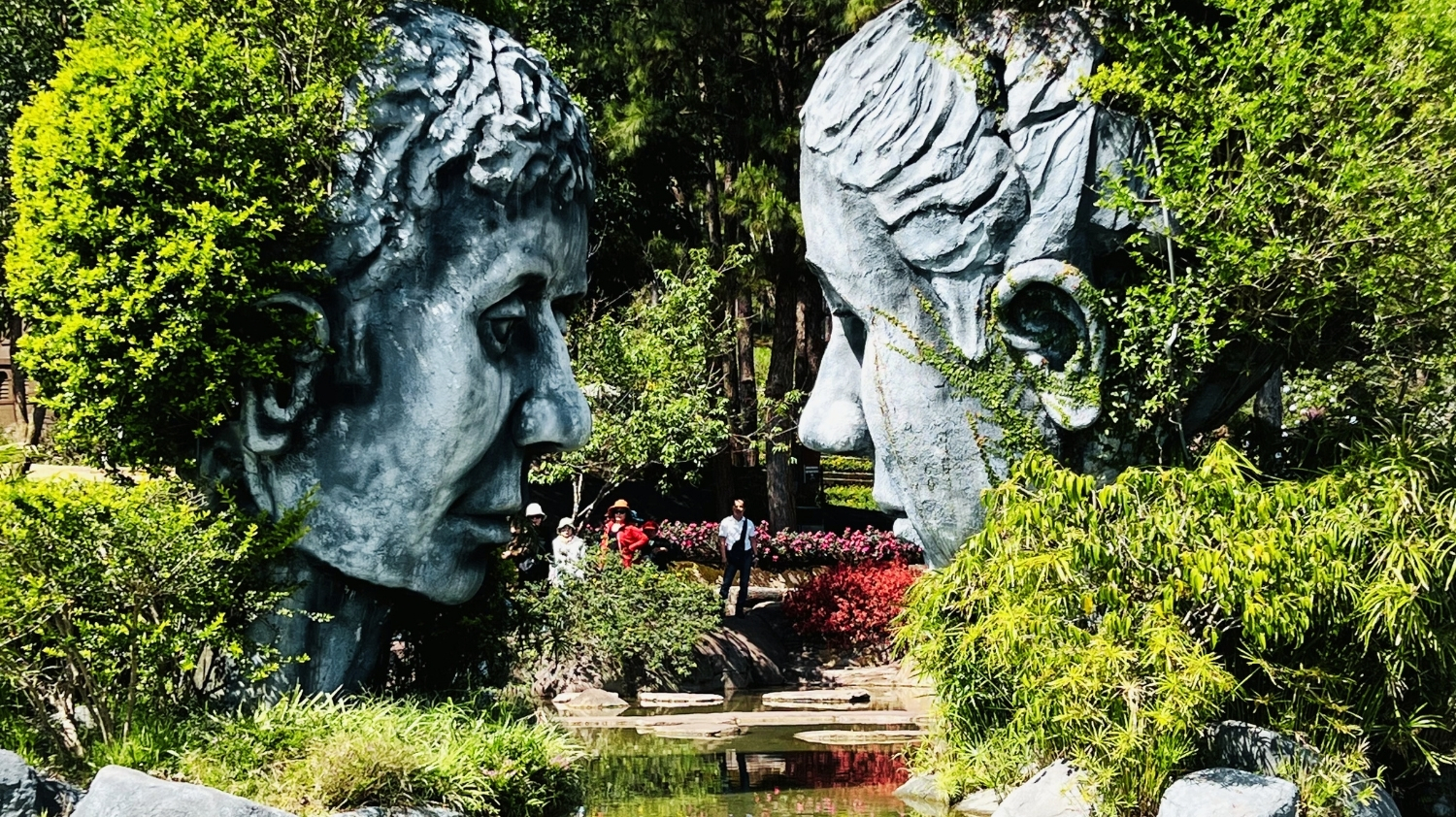
The Sculpture Tunnel in Dalat, also known as the Clay Tunnel, is one of the more unusual attractions in Vietnam’s Central Highlands. Built almost entirely from clay, this open-air sculpture park tells the story of Dalat’s history through large-scale figures and scenes – from steam trains to legendary kings.
I visited expecting a simple photo spot, but it turned out to be more layered than that. In this article, I’ll share what it’s like walking through the tunnel, what stood out most to me, and whether it’s worth your time when exploring Dalat.
Walking Through Dalat’s History in Clay
The Dalat Clay Tunnel sits a short drive outside the city centre, surrounded by pine forests and cooler mountain air. Unlike traditional museums, this one unfolds outdoors. You walk along a structured path, and scenes appear one after another, each carved or moulded from reddish clay.`
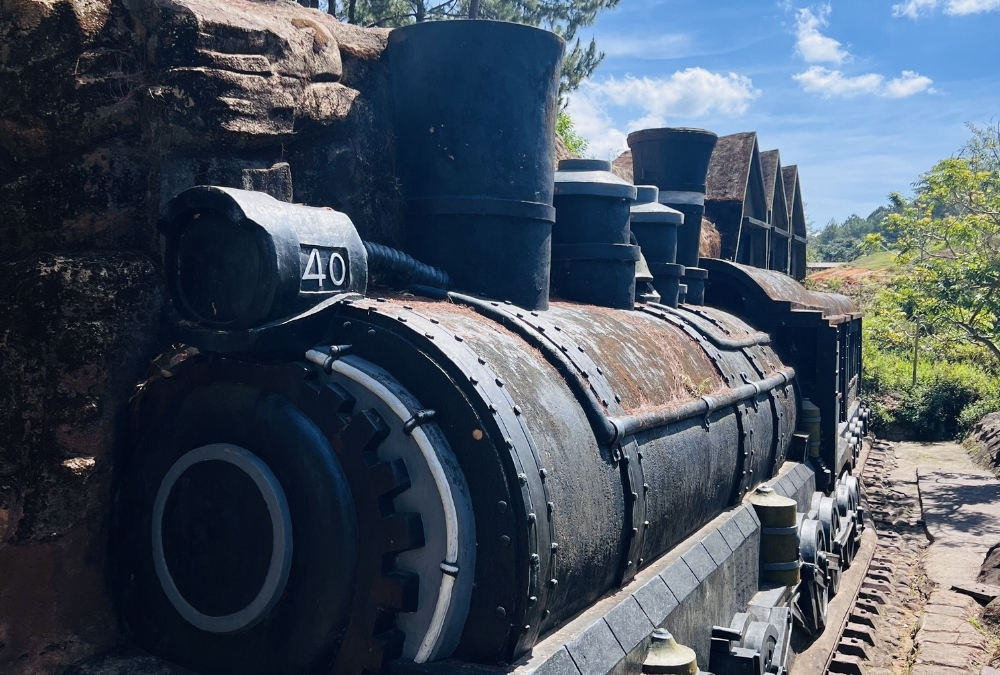
One of the first sculptures that caught my attention was the clay steam locomotive. It’s large, detailed, and unmistakably inspired by the historic railway that once connected Dalat to the coast. Seeing a steam train recreated entirely in hardened earth feels symbolic. Dalat itself was shaped heavily by French colonial infrastructure, and the train represents that era of ambition and engineering.
The texture of the clay adds something raw to the experience. It’s not polished marble or smooth concrete. You can see the lines, the hand-worked surfaces. It feels handcrafted rather than mass-produced.
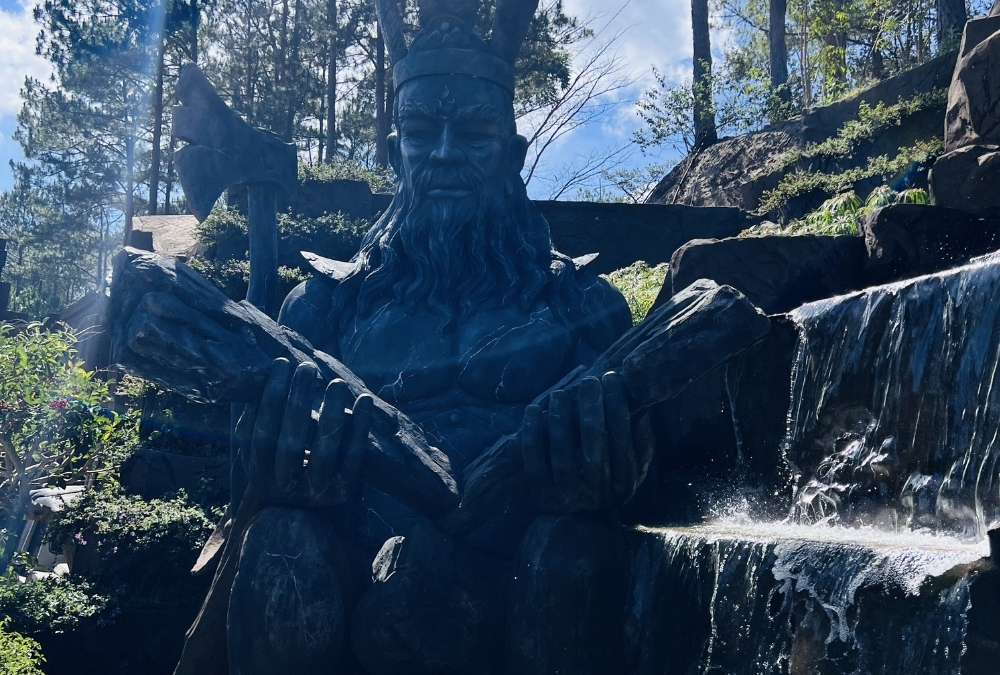
Further along the path, another powerful figure appears: a statue of Vua Hùng – the legendary Hùng King associated with the founding myths of Vietnam. Seeing that placed among scenes of Dalat’s development connects myth with modern history. It’s not just about architecture or transportation; it’s about identity.
The tunnel doesn’t literally enclose you the entire time. It’s more of a sculpted corridor, guiding you forward chronologically through Dalat’s evolution. The layout makes it easy to follow without needing a guide.
The Playful Side of the Sculpture Tunnel
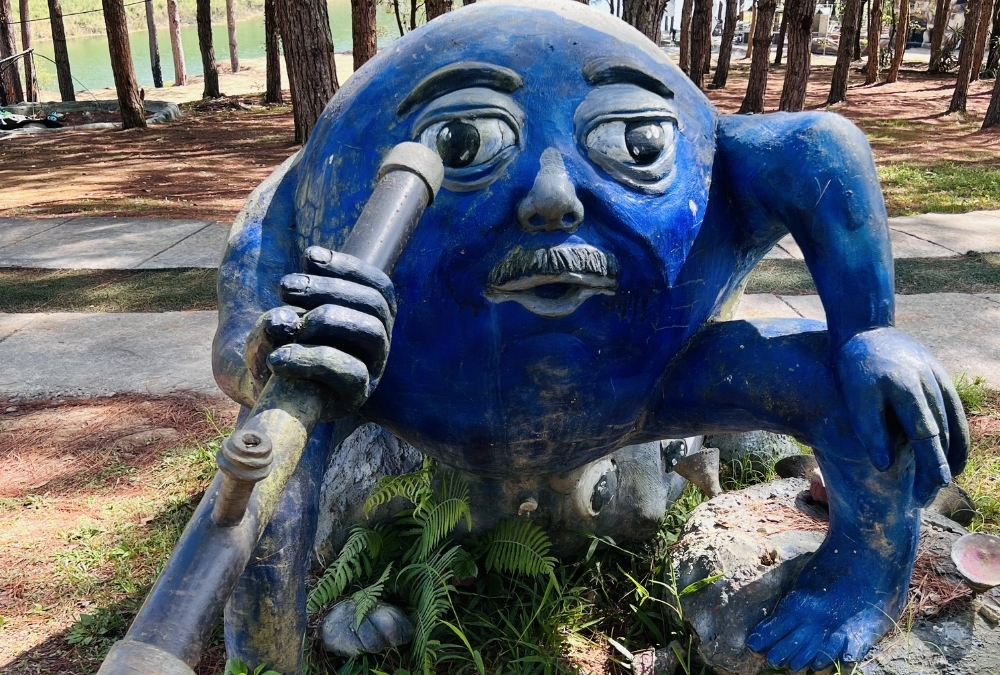
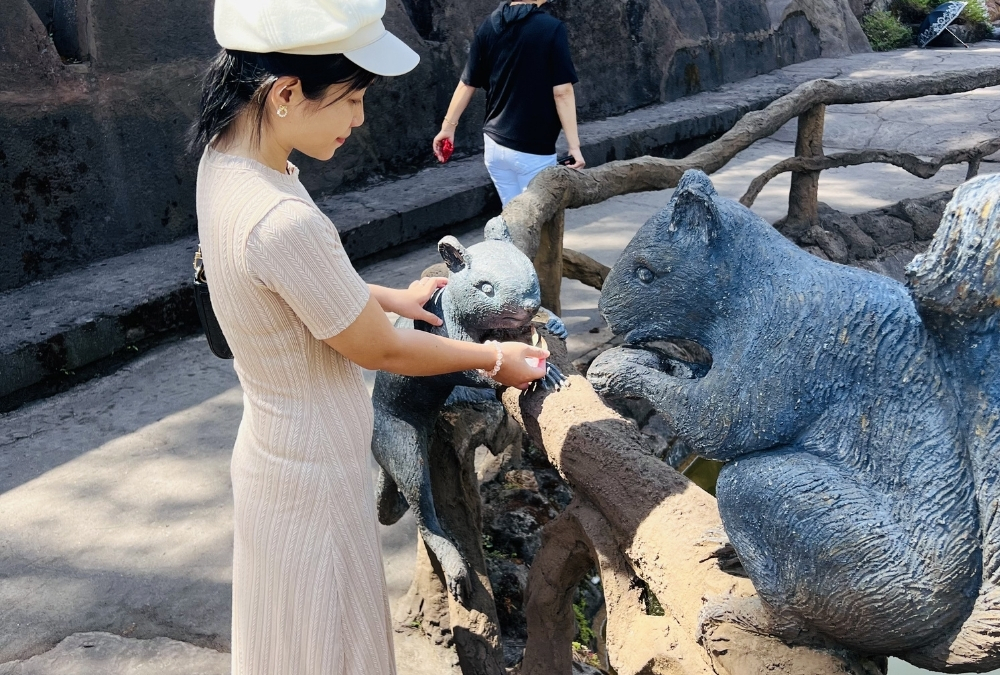
The Sculpture Tunnel isn’t entirely serious or historical, but it is a playful element woven throughout. At one point, I found myself standing next to a giant squirrel statue. It’s slightly exaggerated in size and expression, and it immediately changes the mood. After walking past historic figures and architectural replicas, encountering a whimsical forest animal carved from clay adds balance.
That’s something I appreciated about the place – it doesn’t take itself too seriously. It blends history, folklore, and imagination.
Dalat itself is known for being romantic, artistic, and slightly unconventional compared to other Vietnamese cities. The Clay Tunnel reflects that personality. It’s creative without being chaotic. There’s structure to the storytelling, but also room for humour.
Because it’s outdoors, the lighting shifts throughout the day. The clay’s reddish tones look different under bright sun versus softer afternoon light. If you’re interested in photography, timing makes a difference.
The surrounding pine trees frame many of the sculptures naturally. Instead of being isolated installations, they feel integrated into the landscape.
Practical Experience: What It’s Really Like to Visit
Getting to the Sculpture Tunnel requires a short drive from central Dalat. It’s not within easy walking distance, so a taxi or motorbike is the practical choice.
The entrance fee is reasonable, and the pathways are clearly marked. You don’t need more than 1–2 hours to explore comfortably. It’s not overwhelming in scale, but it’s large enough that you won’t rush through it in fifteen minutes either.
The weather in Dalat plays a role in the experience. The city sits at a higher elevation, so temperatures are cooler than in Saigon or on the coast. That makes outdoor walking manageable. On a misty day, the clay sculptures can look almost cinematic against the fog.
One thing to note is that this attraction is primarily visual. There aren’t extensive written explanations beside every sculpture. You observe, interpret, and move forward. For some visitors, that might feel minimal. For others, it leaves space for imagination.
In terms of crowds, it depends on the season. Dalat is a popular domestic destination, so it can attract groups on weekends and holidays. During quieter periods, you can walk the path at your own pace without interruption.
What stood out most to me wasn’t a single sculpture but the cohesion of the concept. Building an entire narrative park from clay is ambitious. It could easily have felt gimmicky. Instead, it feels deliberate.
Is the Sculpture Tunnel Worth Visiting?
Yes – but with the right expectations.
If you’re looking for an adrenaline activity or a natural landscape experience, this isn’t that. It’s a creative, visual walk through Dalat’s identity.
The clay steam train captures a historical era. The Hùng King statue connects to deeper national roots. The oversized squirrel reminds you that not everything needs to be serious.
It’s an attraction that fits Dalat’s personality – slightly artistic, slightly romantic, and a bit unconventional.
For me, it wasn’t about ticking off a landmark. It was about seeing how a city tells its own story through art.
If you’re already exploring Dalat and want something different from waterfalls and coffee farms, the Sculpture Tunnel is worth the detour. Just allow yourself to walk slowly and notice the details in the clay.
Sometimes the simplest materials tell the most interesting stories.