
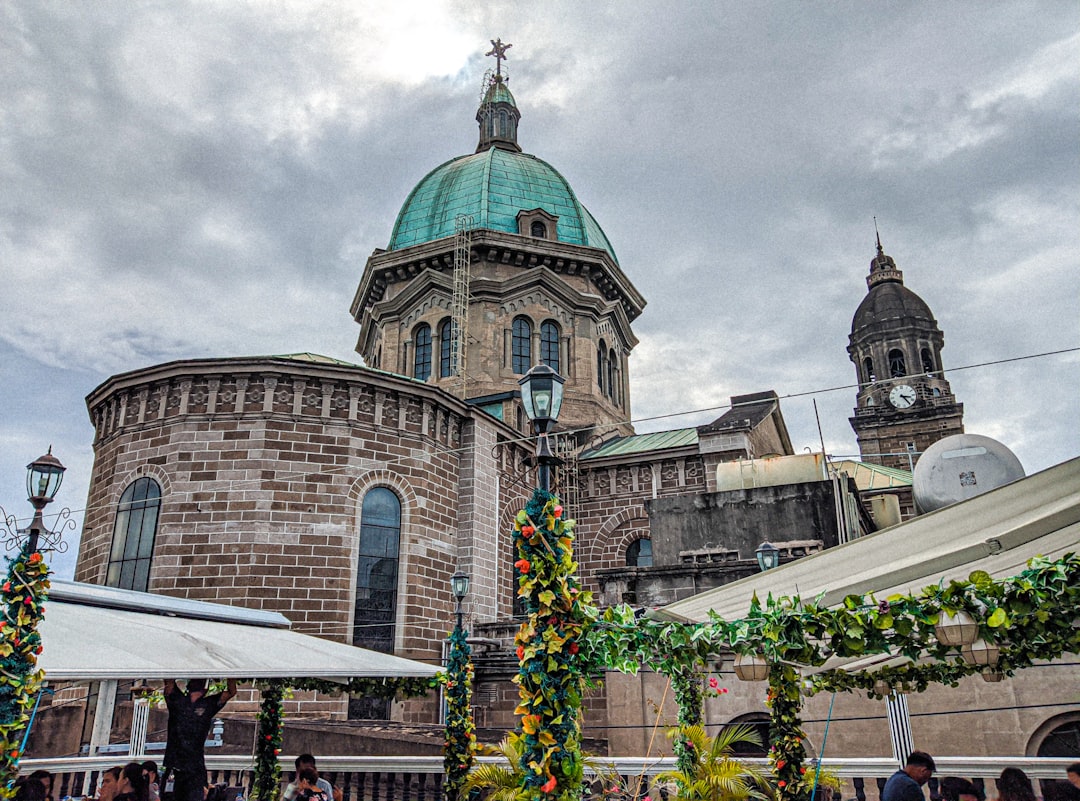
Roots of Endurance: A Historic Overview (Image Credits: Unsplash)
Manila – Perched in the walled heart of Intramuros, the Minor Basilica and Metropolitan Cathedral of the Immaculate Conception commands attention as the Philippines’ oldest cathedral. This enduring landmark, often called the Mother of all Churches, Cathedrals, and Basilicas, has witnessed the nation’s spiritual evolution since the 1570s. Rebuilt eight times after disasters, it stands today as a symbol of unyielding faith and architectural revival.
Roots of Endurance: A Historic Overview
The site first hosted the Church of Manila in the 1570s. Authorities granted it cathedral status in 1579, marking it as the archipelago’s inaugural ecclesiastical center independent from Mexico. Calamities repeatedly razed earlier versions, from earthquakes to wartime bombings.
Engineers designed the present Neo-Romanesque edifice after World War II destruction. Pope John Paul II conferred minor basilica honors in 1981, a direct papal distinction unmatched elsewhere in the country. The structure continues to serve as the Archbishop of Manila’s seat, drawing pilgrims and tourists alike.
Reaching the Iconic Site
Situated at the corner of Cabildo and Beaterio Streets in Intramuros, the cathedral lies within easy reach of Manila’s public transit network. Light Rail Transit Line 1 offers the quickest rail option. Passengers alight at key stations before transferring to affordable jeepneys.
- From Carriedo Station, board a Pier-bound jeepney for about P13; the ride takes roughly 10 minutes amid typical traffic.
- From Doroteo Jose Station, catch a Baclaran/Mabini or Pier-bound jeepney, also around P13, covering 15 minutes.
Parking spaces accommodate those arriving by car. The surrounding area remains pedestrian-friendly for immersive exploration.
Highlights Within the Sacred Walls
The facade captivates immediately, its central portal adorned with intricate bronze reliefs chronicling the cathedral’s saga. Statues and carvings frame the entrance, inviting deeper discovery. Inside, the dome rises impressively, encircled by eight pairs of stained-glass windows in a distinctive half-orange pattern.
Artist Galo Ocampo crafted 134 stained-glass panels overall, portraying biblical events, saints’ lives, and Marian devotions. Marble columns lend a tactile elegance to the nave. The main altar honors the Immaculate Conception, while the crypt below inters three former archbishops: Michael J. O’Doherty, Gabriel M. Reyes, and Rufino J. Cardinal Santos. A grand pipe organ presides over the choir loft, and eight side chapels provide serene nooks, notably the Chapel-Shrine of the Holy Souls in Purgatory with its marble altarpiece.
Essential Visitor Details
Admission stays free for all, reflecting the cathedral’s welcoming ethos. Staff maintain office hours from Tuesday to Saturday, 8:00 a.m. to 4:30 p.m., and Sundays from 8:00 a.m. to 11:30 a.m. The site closes on Mondays and holidays.
Mass schedules include 7:30 a.m. and 12:10 p.m. on weekdays, 7:30 a.m. on Saturdays, and 8:00 a.m., 10:00 a.m., plus 6:00 p.m. on Sundays. Weddings require online reservations; rates start at P35,000, with specifics varying by date and entourage size. Contact numbers include +63 (2) 8527-3093, and emails cover baptisms, events, and donations. Verify updates via the official website or Facebook page.
Intramuros Treasures Nearby
The cathedral anchors a district rich in colonial heritage. Visitors often pair their stop with adjacent landmarks for a fuller historical immersion.
- Fort Santiago, site of national hero Jose Rizal’s final days.
- San Agustin Church, the oldest stone church in the Philippines.
- Bahay Tsinoy, museum on Chinese-Filipino history.
- Casa Manila, a preserved Spanish colonial home.
- Plaza Moriones and Baluarte de San Diego for fortified walks.
- Museo de Intramuros and Centro de Turismo for deeper insights.
Key Takeaways
- Free access and ample parking make visits hassle-free.
- Stained glass and crypt offer profound visual and historical depth.
- Pair with Intramuros sites for an unforgettable day out.
The Manila Cathedral endures not just as stone and glass, but as a living chronicle of devotion amid trials. Its story prompts reflection on resilience in modern times. Ready to step inside? What aspect excites you most – its art, history, or serenity? Tell us in the comments.