
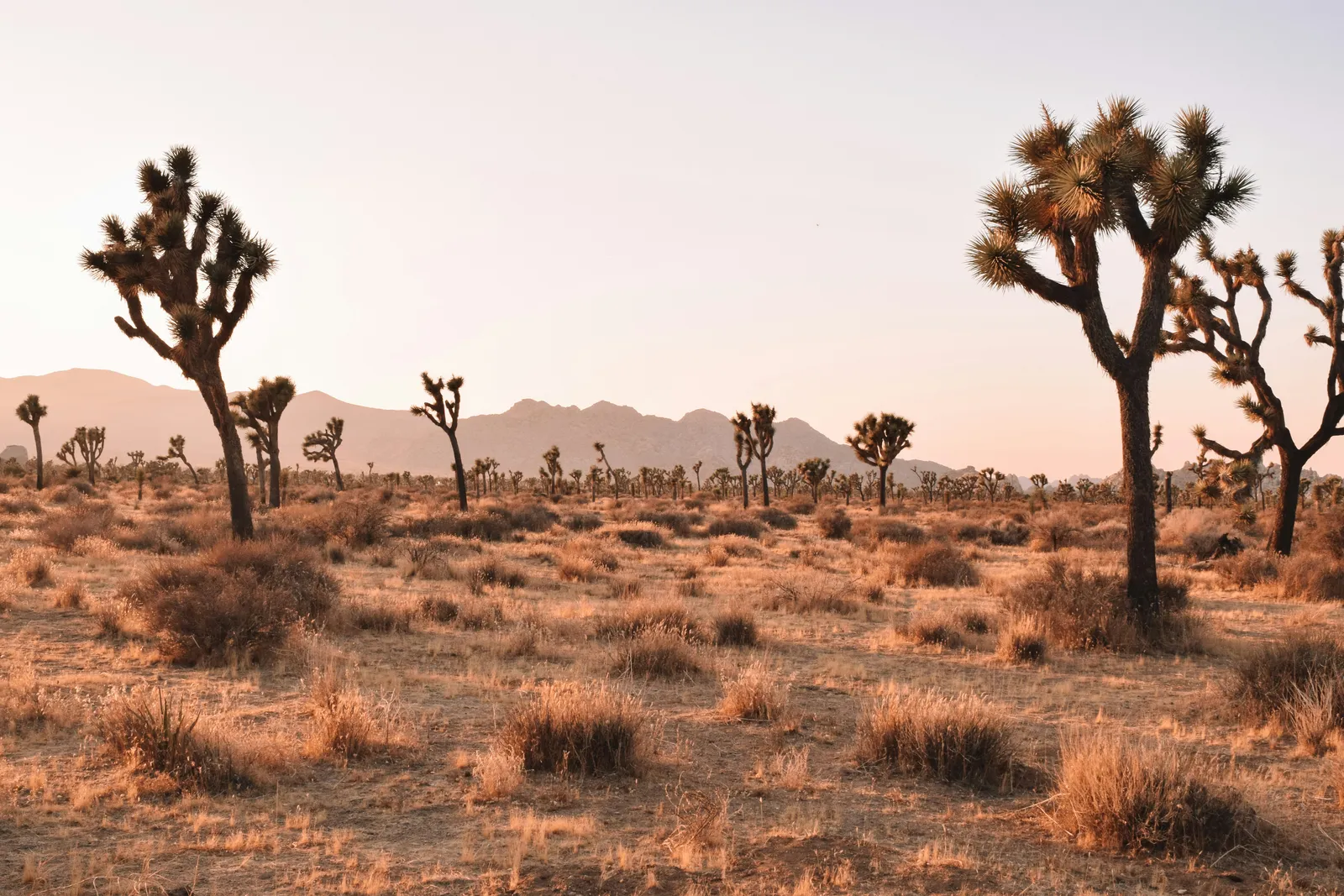
Kubuqi Desert – For five decades, workers in northern China have laid simple grids of straw across shifting dunes to hold the sand in place. The method, known as straw checkerboards, creates small squares that reduce wind erosion and give native plants a chance to take root. Over time the approach has helped turn large stretches of once-barren land into areas with visible vegetation. The work forms a key part of the country’s long-running Three-North Protective Forest Program, often called the Green Great Wall.
The Simple Method That Holds the Sand
Straw checkerboards rely on locally available materials and basic labor. Workers arrange bundles of straw into a grid pattern roughly one meter across. The grids trap blowing sand, lower surface wind speed, and create sheltered spots where seeds can germinate. Once plants establish, their roots further stabilize the dunes and the straw gradually decomposes into the soil.
The technique requires no heavy machinery and can be applied across wide areas by teams working on foot. It has been used consistently since the 1970s in the Kubuqi and neighboring regions. Early results showed dunes that once advanced several meters a year now remain largely in place. The grids also reduce the amount of sand that reaches roads, farms, and settlements downwind.
Decades of Cumulative Progress
Since 2000, the area of desertified land across northern China has declined measurably. Official tallies indicate that forests planted or protected under the program now cover roughly 200,000 square miles. The Kubuqi itself has seen some of the most visible change, with former sand seas giving way to grasslands and tree belts along major routes.
More than 300 million rural residents have taken part in the effort, most of them contributing on a part-time or seasonal basis. Their work has created a patchwork of stabilized zones that together form a broad barrier against further desert expansion. Satellite observations and ground surveys confirm the reduction in moving sand across multiple provinces.
Scale of the Green Great Wall
The Three-North program stretches across thousands of kilometers from Xinjiang in the west to Heilongjiang in the east. It targets arid and semi-arid zones where desertification once threatened farmland and infrastructure. The Kubuqi section serves as one of the most closely watched demonstration areas because of its proximity to population centers and transport corridors.
Highways now cut through former dune fields that have been anchored by checkerboards and later plantings. Ecological demonstration sites near Ordos in Inner Mongolia show layered vegetation that includes grasses, shrubs, and young trees. These sites illustrate how initial sand stabilization can lead to more complex ecosystems over successive decades.
What Sustains the Gains
Long-term success depends on continued maintenance and community participation. New plantings still require protection from grazing and further sand movement until roots are established. Local workers monitor sites regularly, replacing damaged grids and replanting where needed.
Officials note that the program’s results remain tied to steady investment and involvement from nearby villages. Without ongoing care, dunes can begin to shift again during strong wind events. The combination of traditional techniques and modern monitoring has so far kept most treated areas stable.
Looking Ahead
The Kubuqi transformation shows what consistent, large-scale land management can achieve in a harsh environment. The same checkerboard approach continues in other parts of the Three-North region where desert edges remain active. Future efforts will likely combine the proven straw method with improved species selection and water management to strengthen resilience against variable rainfall and temperature patterns.
Visitors traveling through northern China can now see stretches of green where only sand existed a generation ago. The landscape change stands as a record of sustained human effort applied over half a century.