
Brazil – Lydia Möcklinghoff, the biologist who brought new attention to the giant anteater through years of fieldwork in the Pantanal, died on July 3 in a plane crash near Campo Grande. She was 45. The flight formed part of ongoing research in the vast wetland that spans western Brazil and neighboring countries. Colleagues and followers learned of the loss days later, as authorities continued to examine the cause.
A Life Shaped by an Unusual Animal
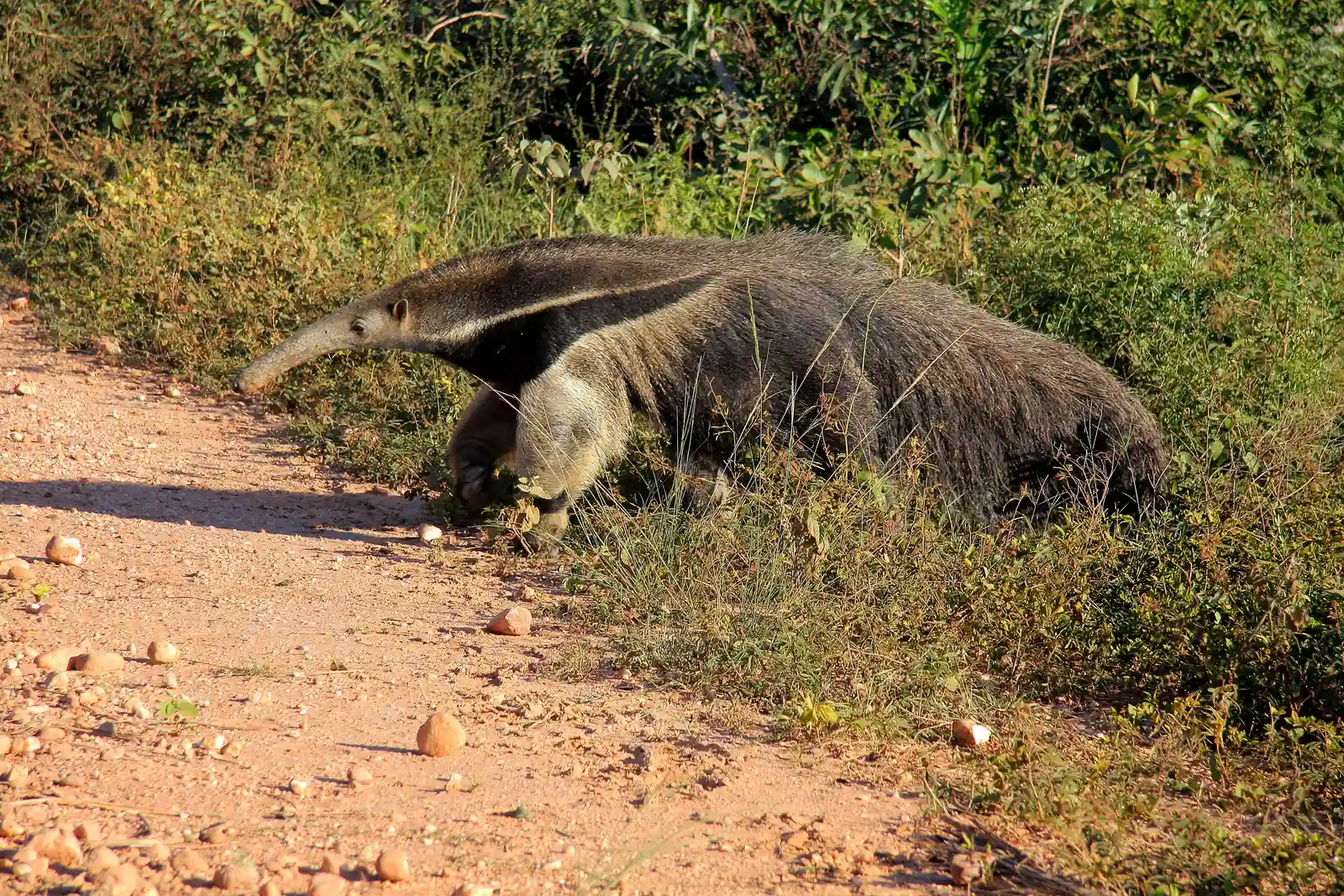
The giant anteater presents immediate puzzles to anyone who studies it closely. Its elongated snout, poor eyesight, and specialized claws for tearing open termite mounds set it apart from most mammals. Möcklinghoff focused on practical questions about its daily movements, habitat needs, and responses to roads, fire, drought, and expanding ranchland. Those questions guided her repeated visits to the Pantanal, where she tracked individuals and gathered data that had remained scarce. Her approach combined careful observation with clear communication. She explained the animal’s habits in ways that reached students, radio listeners, and children who followed her reports from Brazil. The work turned an animal often viewed as a curiosity into a subject of serious ecological study.
From Germany to Tropical Fieldwork
Möcklinghoff grew up in Wilhelmshaven and later studied biology at universities in Giessen and Würzburg. Early interests in tropical ecology and animal behavior shaped her path. She once considered wildlife filmmaking, yet time spent with production companies shifted her focus. The behavior of the animal itself mattered more than the image on screen. That shift led her to direct research on the anteater rather than document it from a distance. Over time she built a body of knowledge that colleagues described as both rigorous and accessible. Her presence in the field helped train a new generation of researchers interested in the same wetland ecosystem.
Why the Loss Resonates
The Pantanal remains one of the most important strongholds for the giant anteater, yet the species faces mounting pressures from land-use changes. Möcklinghoff’s data contributed to efforts that track how those pressures affect ranging patterns and survival rates. Her death removes an active voice at a moment when long-term monitoring still requires sustained attention. Those who knew her work noted the particular weight of the timing. She had turned a difficult subject into something visible and understandable without exaggeration. The questions she pursued continue to guide others working in the same region. The investigation into the crash remains open. In the meantime, her colleagues continue the fieldwork she helped advance.