
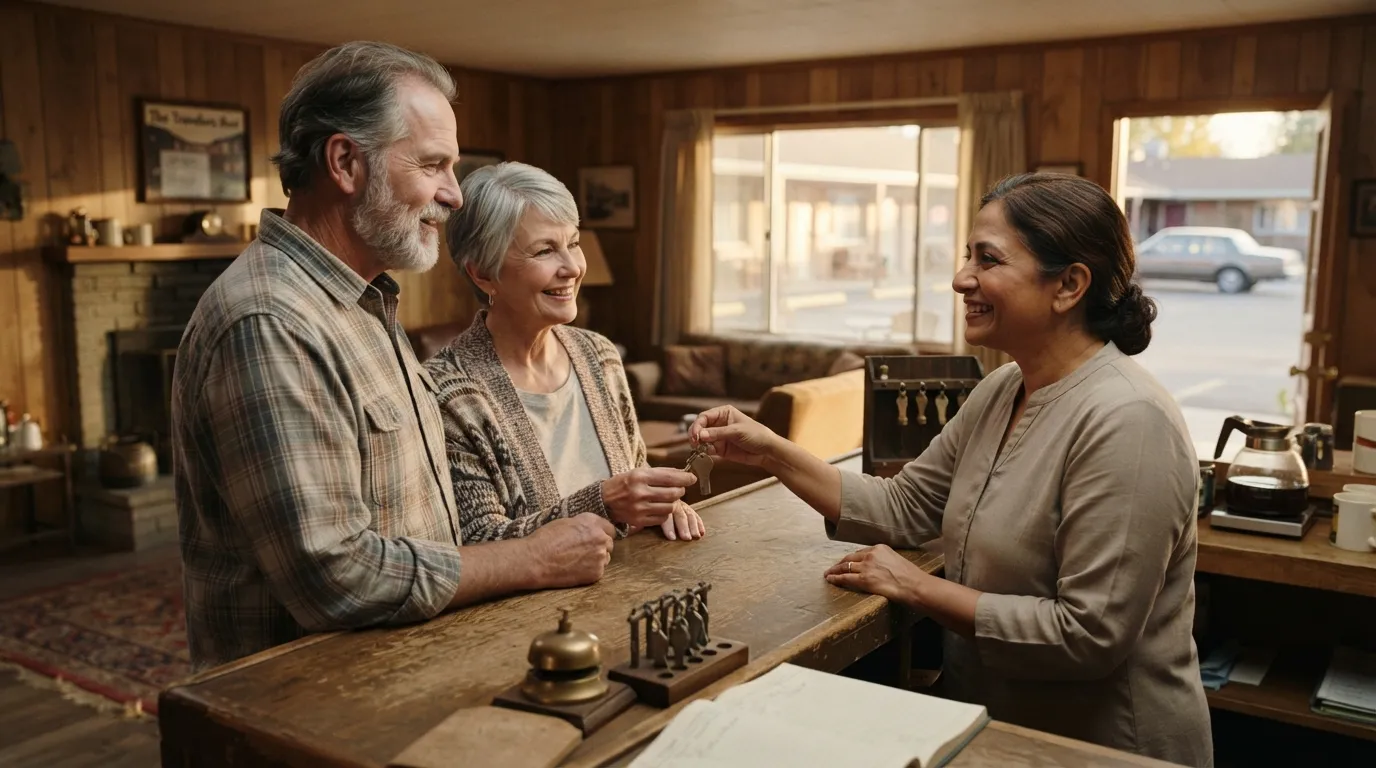
Everyone assumes the mom-and-pop motel died out around the time GPS replaced paper maps. But drive any two-lane highway in America and you’ll find they never left – they just got quiet about what they still offer. While national chains were busy automating check-in kiosks and inventing new fees, a huge share of independently owned motels kept doing things the old way, especially for guests over 60 who remember when a stay actually felt personal.
Here’s the part that surprises even frequent travelers: road trips remain nearly as common among older Americans as flying is, which means this generation is quietly propping up an entire category of lodging the big brands stopped competing for. What these owners still do for older guests, without ever putting it on a website or a rewards app, is where this gets interesting.
#12 – The Front Desk Still Remembers Your Name (and Your Last Trip)
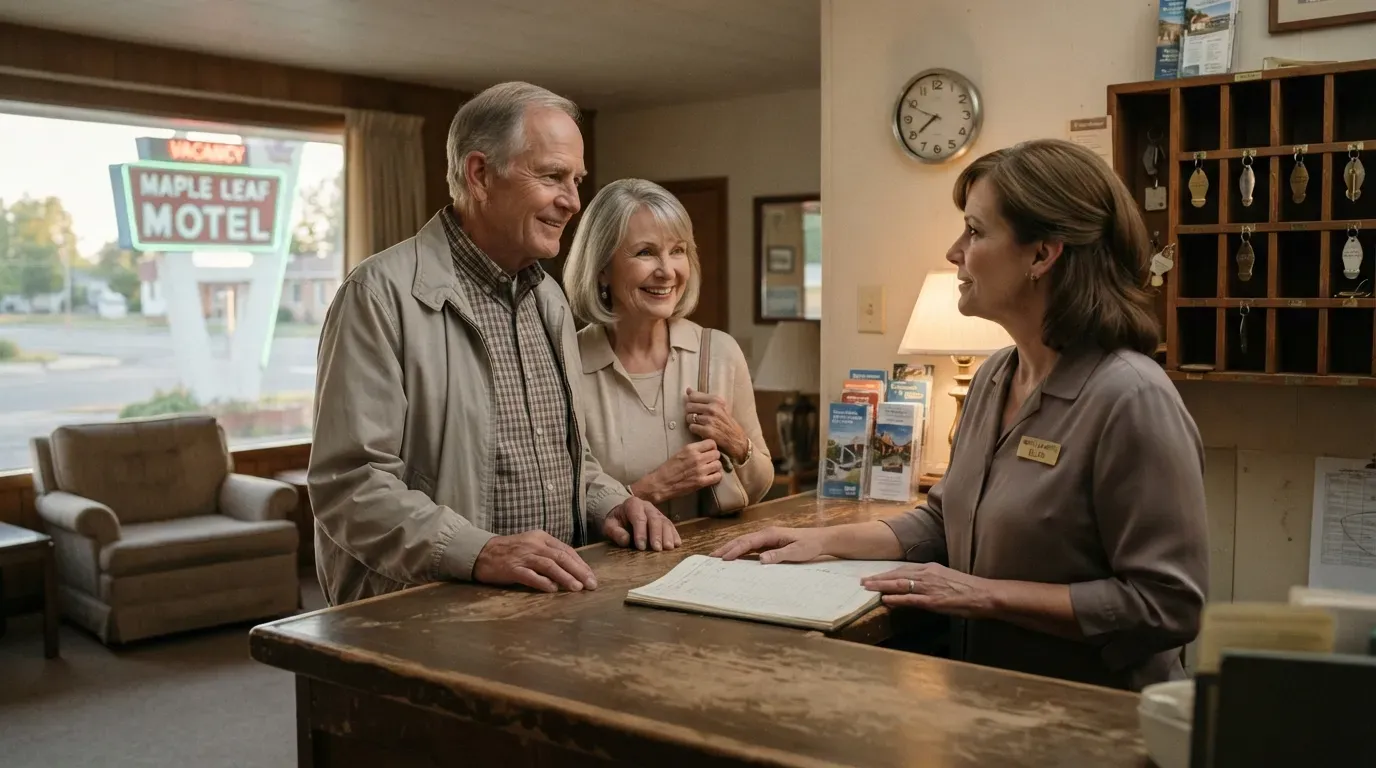
At an independent motel, you’re not a confirmation number – you’re the couple who stopped through last October on the way to see grandkids in Tulsa. That kind of memory isn’t a loyalty-app gimmick. It’s just what happens when the same family has run the front desk for twenty years.
A simple “Welcome back, how was the trip to Tulsa?” makes a guest feel seen in a way chains have largely outsourced to apps and QR codes. It isn’t a program – it’s a habit owners never bothered to formalize because it never occurred to them to stop. For travelers over 60 who’ve watched hospitality get colder everywhere else, that recognition lands harder than any point system ever could.
#11 – Free Parking, Free Wi-Fi, Free Coffee – No Asterisk
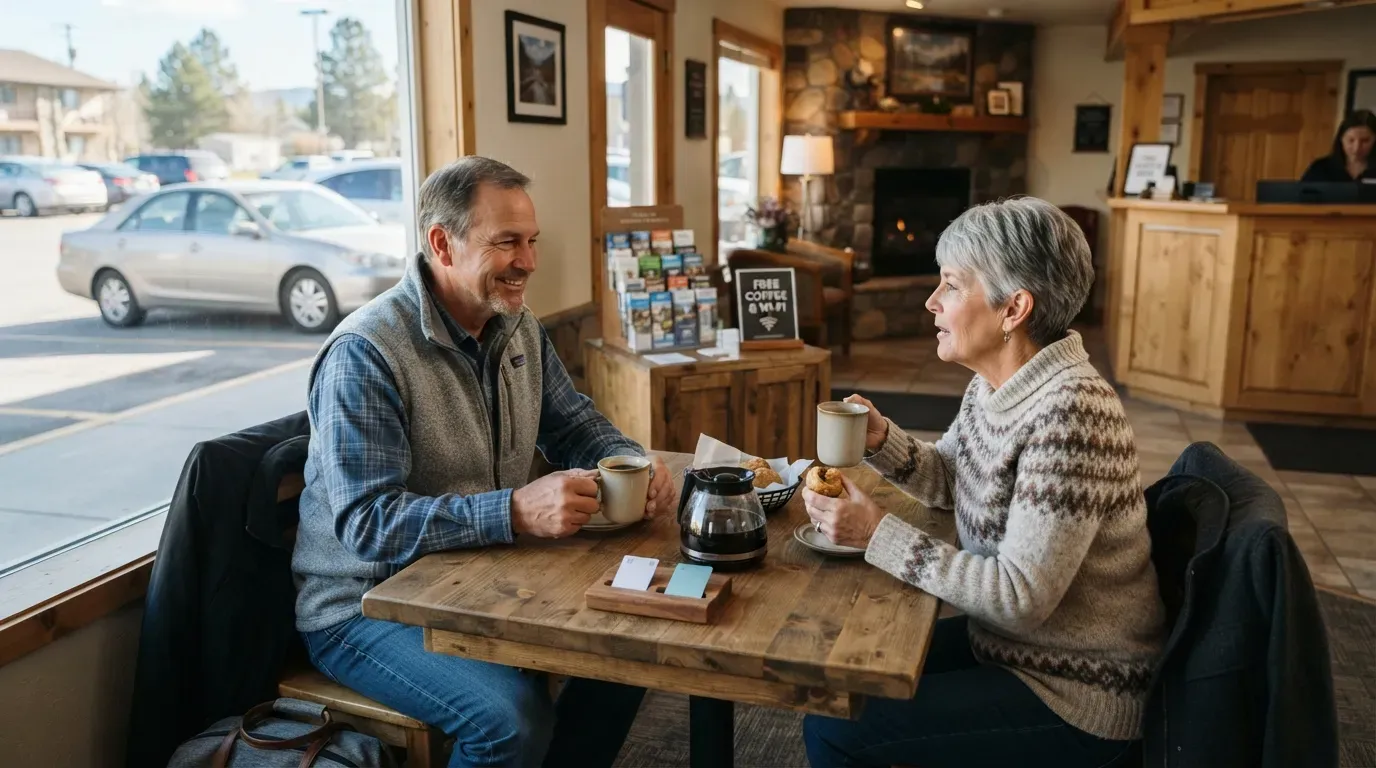
Big chains have turned basic conveniences into upsells, but plenty of motel owners still refuse to nickel-and-dime guests for things that used to just come with the room. Hospitality consultants routinely tell independent properties to lean into this, since offering what chains now charge for is one of the easiest ways to stand out.
What’s almost funny is that this used to be the industry standard everywhere, not a bonus feature. For older travelers running a fixed retirement budget across a multi-week road trip, never seeing a “premium Wi-Fi” line item on the bill adds up fast – and it’s one more reason loyalty to a specific highway motel runs deeper than most people realize.
#10 – No “Resort Fee” Tacked On for a Pool You’ll Never Use
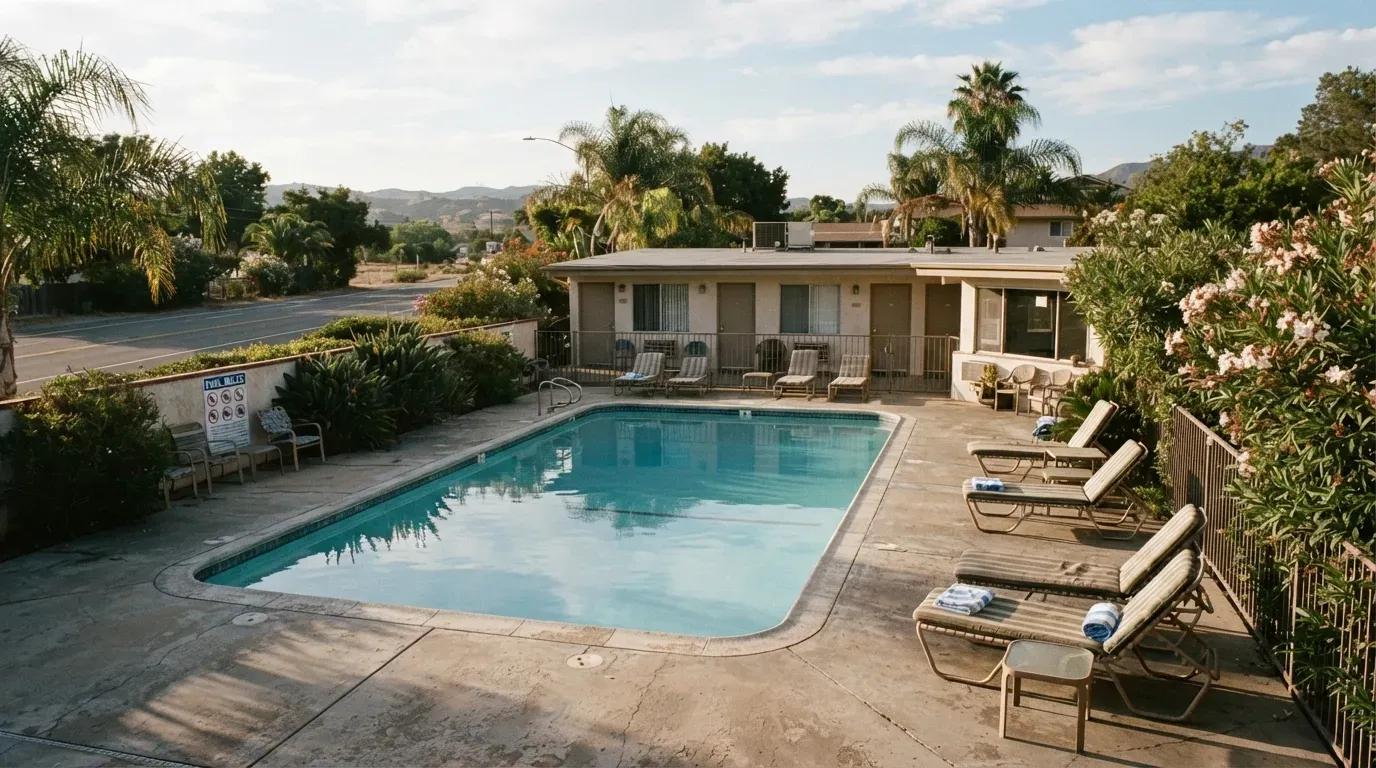
Resort fees are one of the most hated charges in travel, and small motels almost never bother charging them. Big-name properties, on the other hand, have made these add-on charges a routine part of the bill.
Even after a 2025 federal rule forced hotels to disclose these fees upfront, it didn’t ban or cap them – it’s a transparency rule, not a price rule. Motel owners never adopted the fee in the first place, which is arguably the biggest hidden discount older travelers get without ever asking for it.
Fast Facts
- Average resort fee across surveyed hotels: roughly $33 a night
- Marriott properties averaged the highest, around $50 a night
- Hyatt wasn’t far behind, averaging close to $34 a night
- A 2025 disclosure rule requires upfront pricing – but doesn’t eliminate the fee itself
#9 – Check-In Whenever You Actually Roll In, Not When an App Says So
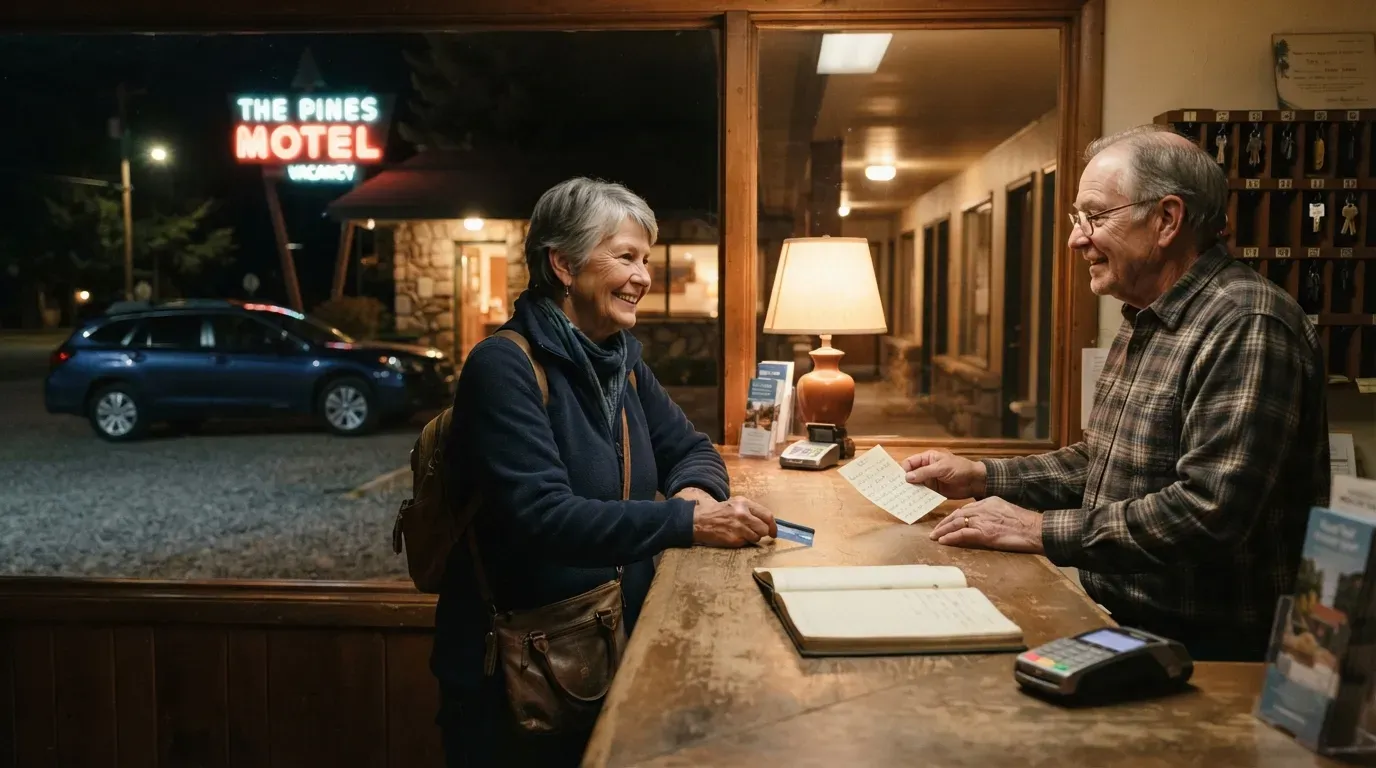
Road trips rarely go exactly on schedule – weather, traffic, or an extra stop at a diner can shift arrival time by hours. Independent motel owners tend to shrug that off, while corporate policy at bigger chains can quietly penalize early or late arrivals.
Smaller properties win guests simply by choosing to bend on check-in and check-out times when it’s no trouble to them – and it’s genuinely a choice, not something chains are incapable of doing. For a 68-year-old driving twelve hours a day, knowing there’s no penalty for arriving at 9 p.m. instead of 3 p.m. removes a stress that shouldn’t exist in the first place.
#8 – A Real Owner Answers the Phone, Not a Call Center in Another State
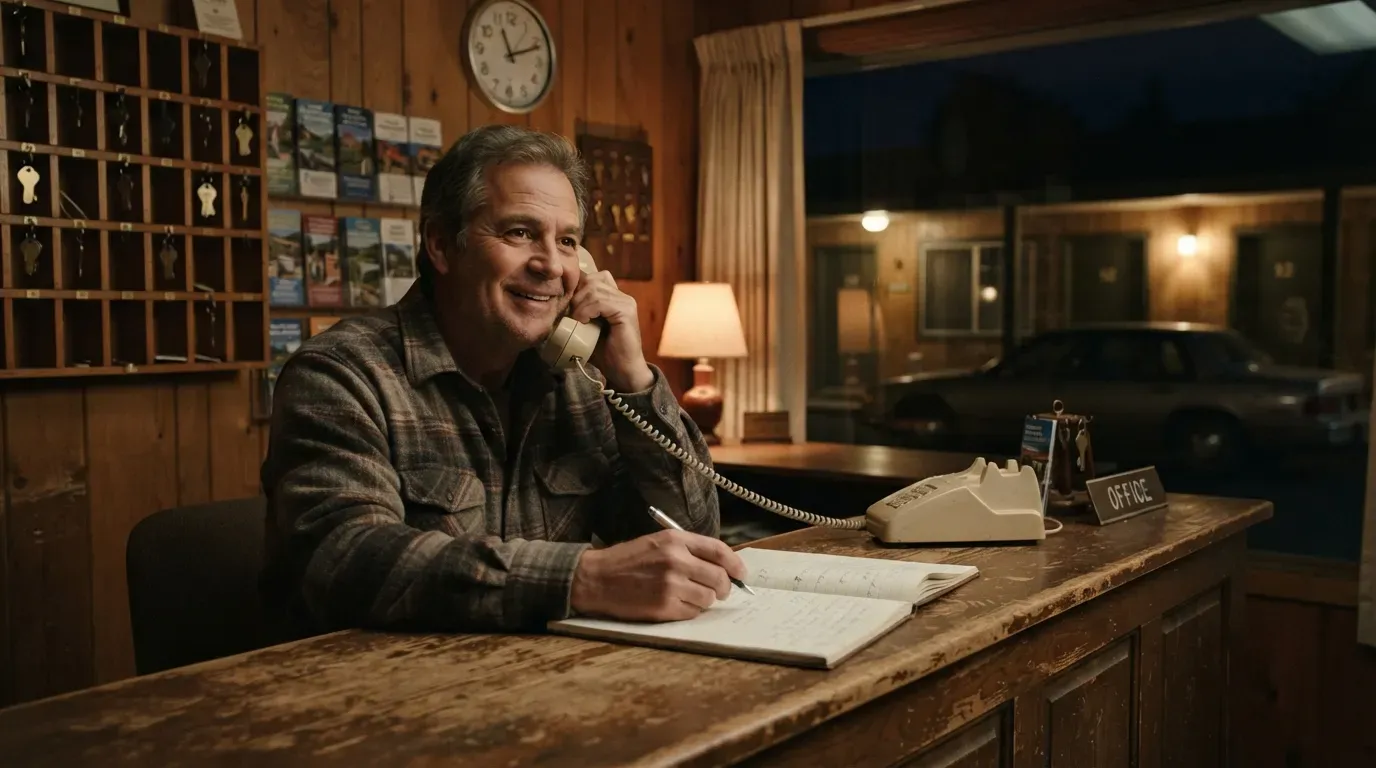
Call a big chain’s front desk after hours and you might get routed to a national reservations center that’s never seen the property. Call a family-run motel, and you’re often talking to the person who owns the building and can make a decision on the spot.
Larger chains tend to focus on measurable productivity, with staff tracked against data points rather than personal judgment calls. Older guests often say they trust a stranger who owns the place more than a scripted employee following a corporate playbook – and that trust matters most when something goes wrong at 11 p.m. and you need a real decision, not a policy recitation.
#7 – Your Dog Rides (and Stays) for Free, or Close to It
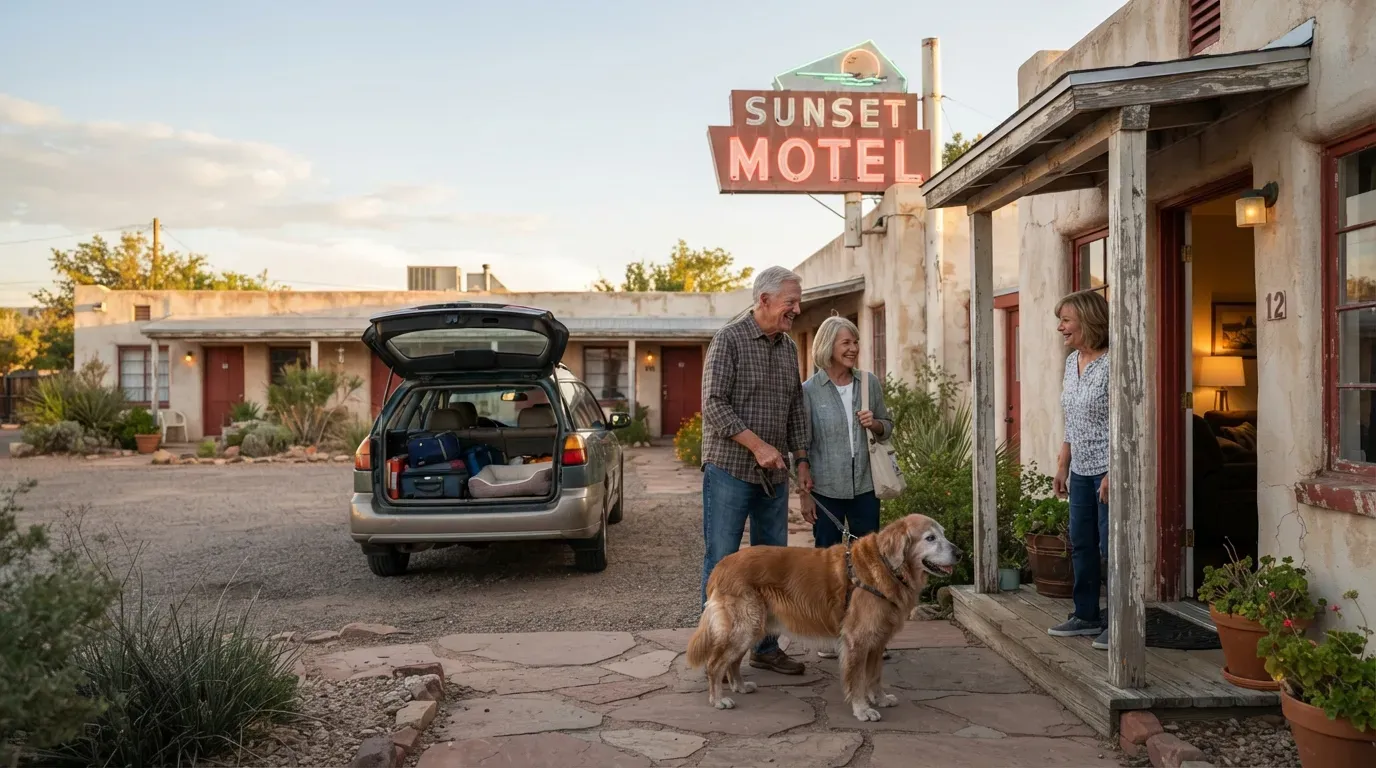
Traveling with an aging dog or cat is common among retirees who don’t want to board a pet for a two-week trip, and many independent motels still treat that as a non-issue rather than a fee opportunity.
Because owners set their own rules without corporate mandates, they have room to waive pet charges for a regular guest whose dog they’ve already met twice. Road-trip veterans have long argued that chain “pet-friendly” branding is more marketing than mercy, since the added fees can rival a night’s room rate – a gap independent owners simply don’t bother creating.
#6 – They’ll Quietly Move You Closer to the Door – No Explanation Needed
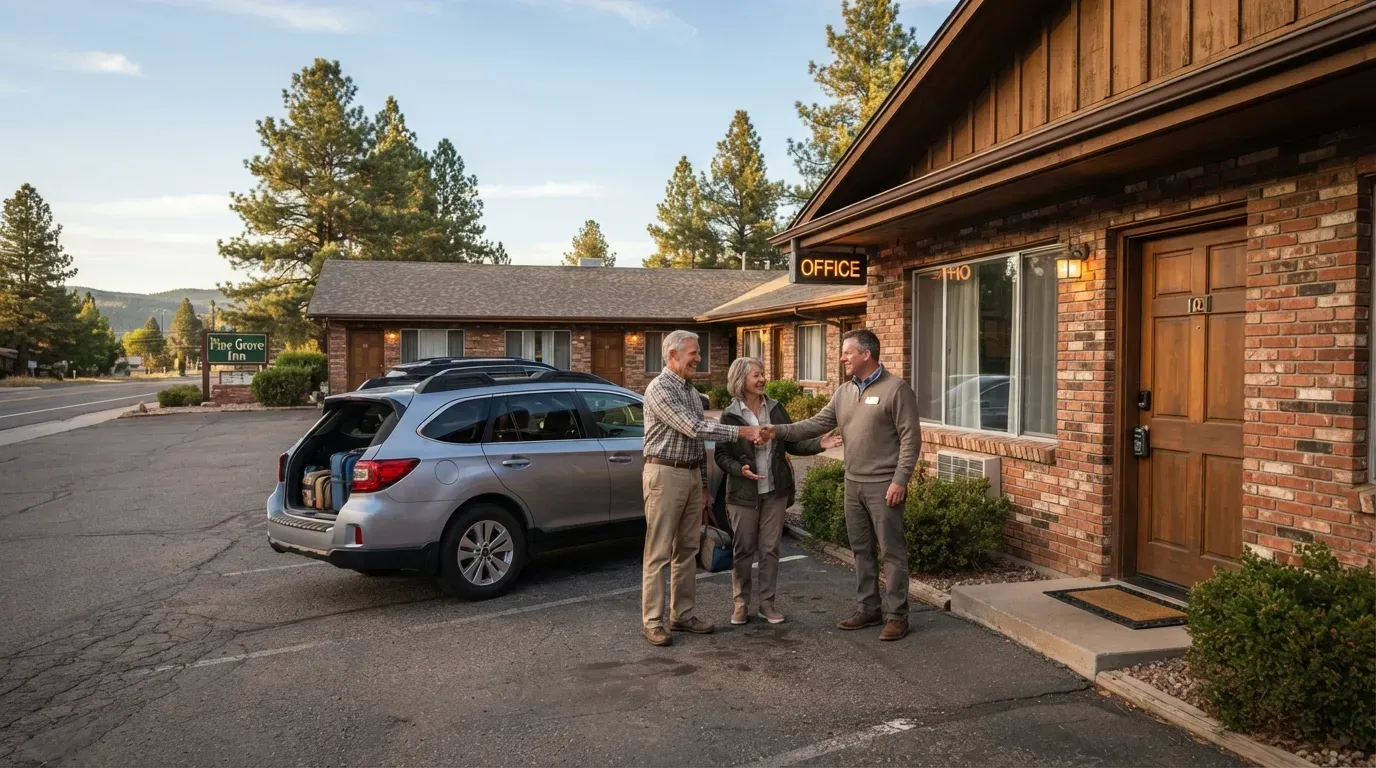
Mobility becomes a real trip-planning factor as people age, and it’s a bigger deal than most younger travelers assume. Independent owners who know their regulars often reassign a ground-floor room near the office before a guest even has to ask.
That kind of quiet accommodation almost never requires a form or a doctor’s note – it just requires an owner who remembers your last visit, which is exactly the flexibility corporate accessibility policies struggle to replicate on short notice.
At a Glance
- Ages 60-69: 62 percent say mobility is something they need accommodations for
- Ages 70 and up: that figure jumps to 89 percent
- Ground-floor rooms near the office are often reassigned without any paperwork
#5 – Local Advice No App Can Give You
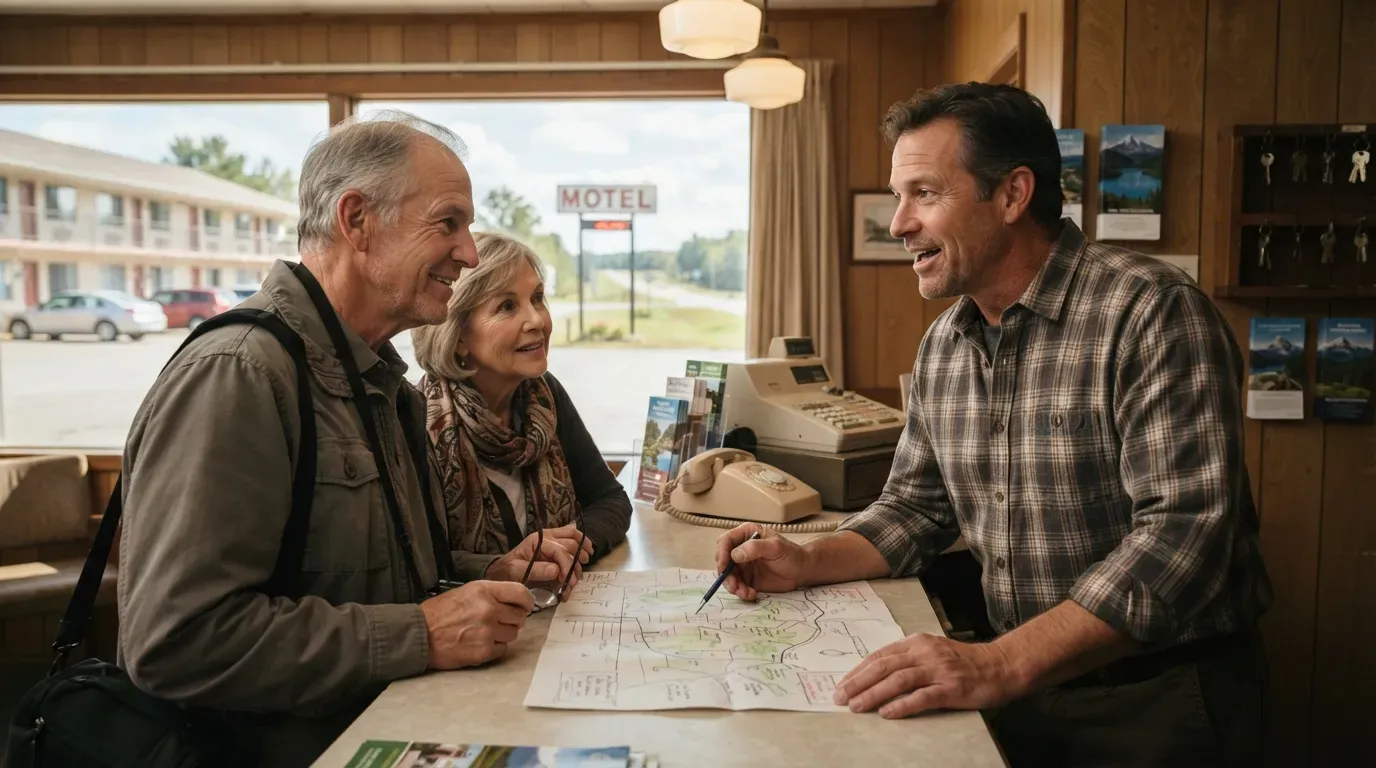
Ask a chain’s front desk about the best diner in town and you’ll often get a printed list from corporate marketing. Ask a motel owner, and you’ll get the truth, including which places to avoid and why.
Independent owners capitalize on their local roots, pointing guests toward real experiences – a farm stand, a diner with no sign, a shortcut around road construction – instead of vetted corporate suggestions. For travelers over 60 who value authenticity over algorithm-driven review scores, that kind of blunt local candor is often the best part of the whole stop.
#4 – Multi-Night Stays Still Earn a Real, Human Discount
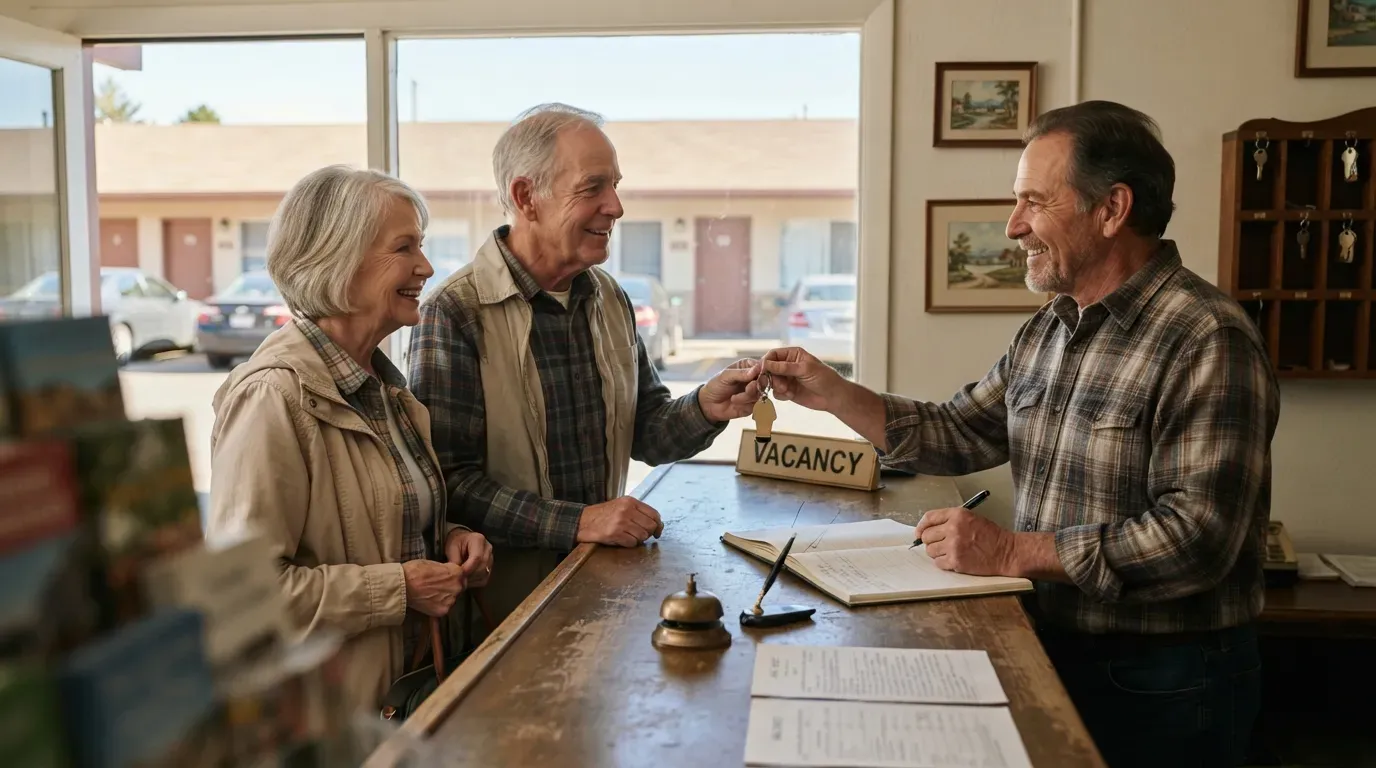
Chains increasingly rely on dynamic pricing software that rarely bends for a guest simply asking nicely. Independent owners still negotiate, because nobody at corporate is watching the rate over their shoulder.
What frustrates a lot of loyal chain customers is that their status points rarely translate into an actual lower rate, while a five-minute conversation at a motel counter still can. For retirees stretching a fixed travel budget across several states, that old-fashioned haggling is quietly one of the most valuable perks left in American lodging.
Quick Compare
- Big chains: algorithm sets the rate, front desk usually can’t adjust it
- Independent motels: owner sets the rate, and can flex it on the spot
- Big chains: loyalty points reward repeat stays, not lower nightly prices
- Independent motels: a longer stay or a friendly ask can shave real dollars off the bill
#3 – They Remember Your Medical Needs So You Don’t Repeat Yourself Every Stop
Anyone traveling with a health condition knows the exhausting ritual of re-explaining needs at every new front desk. Motel owners who see the same guests season after season often skip that step entirely.
Among travelers 50 and older, roughly 17 percent say they need accommodations for a disability or health condition, and about three-quarters of those need some form of mobility assistance. Independent owners tend to just remember, no prompt required, while chains depend entirely on whether a note was properly logged in the reservation software – and that difference can mean the gap between a frustrating check-in and one that feels effortless.
#2 – A Genuine Goodbye Instead of a Scripted Survey Request
Chain checkouts increasingly end with a request to leave a five-star review before you’ve even left the parking lot. Motel checkouts tend to end with an actual conversation about the road ahead.
People remember how they were treated more than anything else.
Industry saying, hospitality trade press
No automated review request has ever replaced the feeling of an owner saying “drive safe” and meaning it. For older travelers who’ve spent a lifetime forming relationships with the businesses they return to, that small human sendoff is often the reason they book the same motel again next year.
#1 – They Treat You Like Family, Not a Loyalty Number
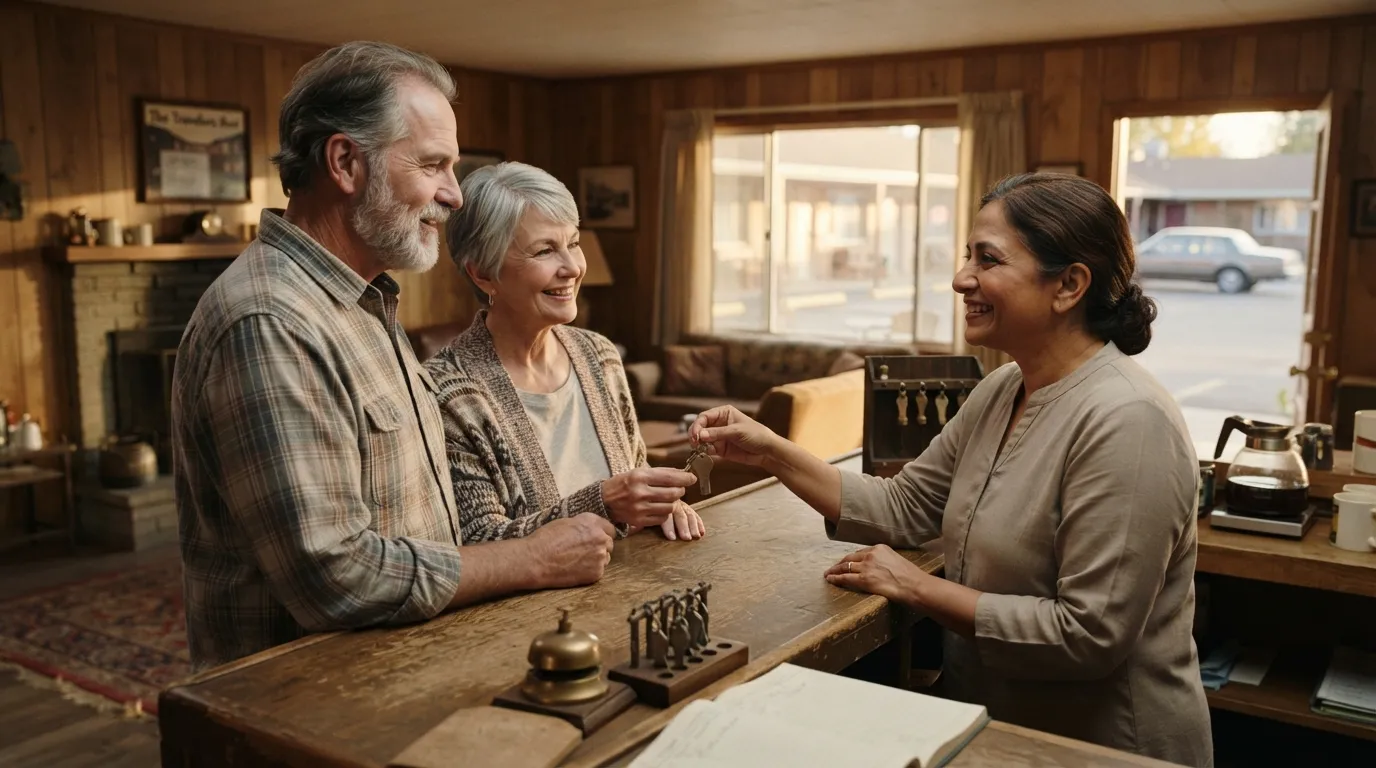
This is the courtesy that outranks every amenity on this list, and it’s the one guests over 60 mention most when asked why they skip the big-name exits altogether.
Community and family ties run deep in this industry. Many of these motels are still literal family businesses, run by the same relatives for decades, not shareholders chasing quarterly targets. A points balance can’t replicate being asked about your grandkids by name.
Worth Knowing
- Indian American families have owned roughly half of U.S. motels since the 1940s
- As of 2022, Asian American Hotel Owners Association members owned 59 percent of independent hotels nationwide
- That’s more than 13,000 properties, many still run by the same families for generations
None of this means big chains are worthless – consistency and rewards points have real value for plenty of travelers. But for road trippers over 60 who’ve watched hospitality get colder and pricier at every turn, these twelve small, unadvertised courtesies explain why so many keep choosing the same independent motel, exit after exit, year after year. It isn’t nostalgia. It’s just better treatment, hiding in plain sight along America’s highways.