
Ask ten people what makes a country great to live in, and you’ll get ten different answers. Some care about healthcare, others about safety, salaries, or simply how easy it is to get through a normal Tuesday without friction. Yet when you look across the major indices tracking daily life this year, a small cluster of nations keeps showing up near the very top, for reasons that go well beyond weather or scenery.
Netherlands
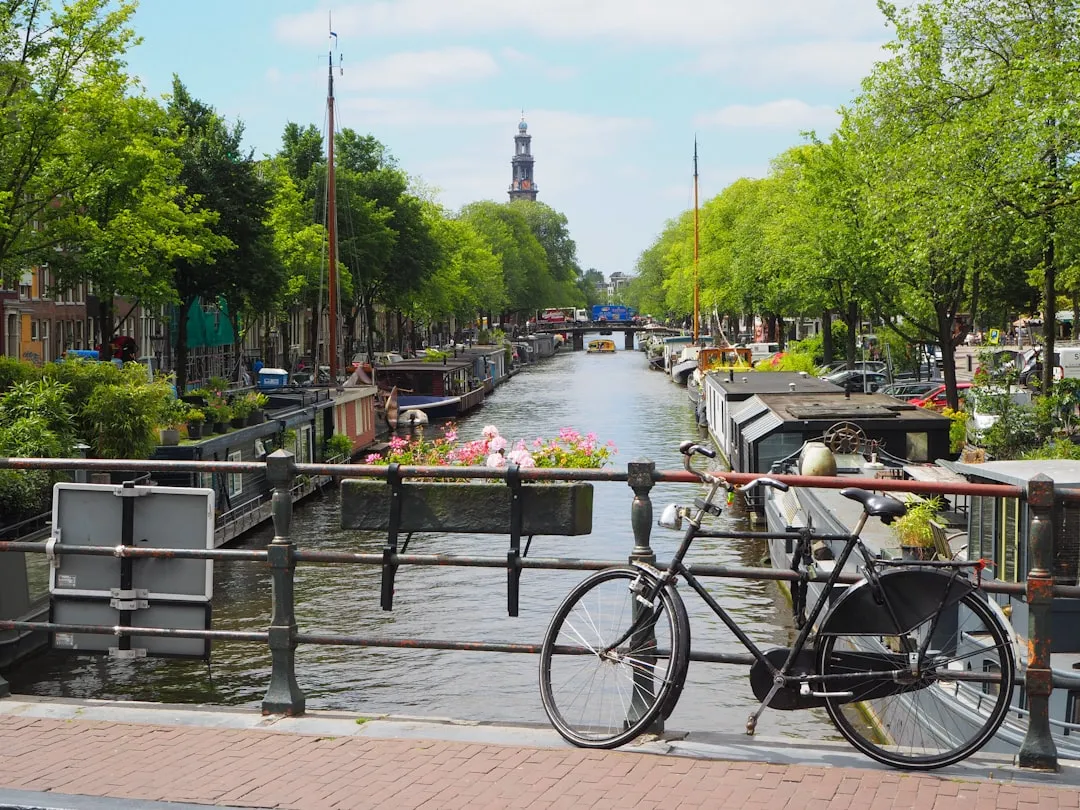
The Netherlands holds the top spot in Numbeo’s 2026 Quality of Life Index, and the reasoning behind it is fairly concrete. Data consistently points to the Netherlands as the leader in 2026, with the Dutch reclaiming and holding the crown for several concrete reasons. A big part of that comes down to everyday logistics rather than raw wealth. The ranking isn’t just about high salaries; it’s about daily life efficiency, with a Quality of Life Index score of 213.6 and the lowest average commute times paired with the highest rates of cycling infrastructure among the top 10.
Life there runs on balance more than excess. Life in the Netherlands is defined by balance, with decent salaries and strong purchasing power giving residents financial stability while well-planned cities make everyday life easier. The cycling culture is a genuine part of that equation, since the country is famous for its cycling culture, with more than 35,000 km of dedicated bike paths, perfect for stress-free commutes. None of this comes free of trade-offs, though, as a housing shortage has pushed property prices and rents to some of the highest levels in Europe.
Denmark
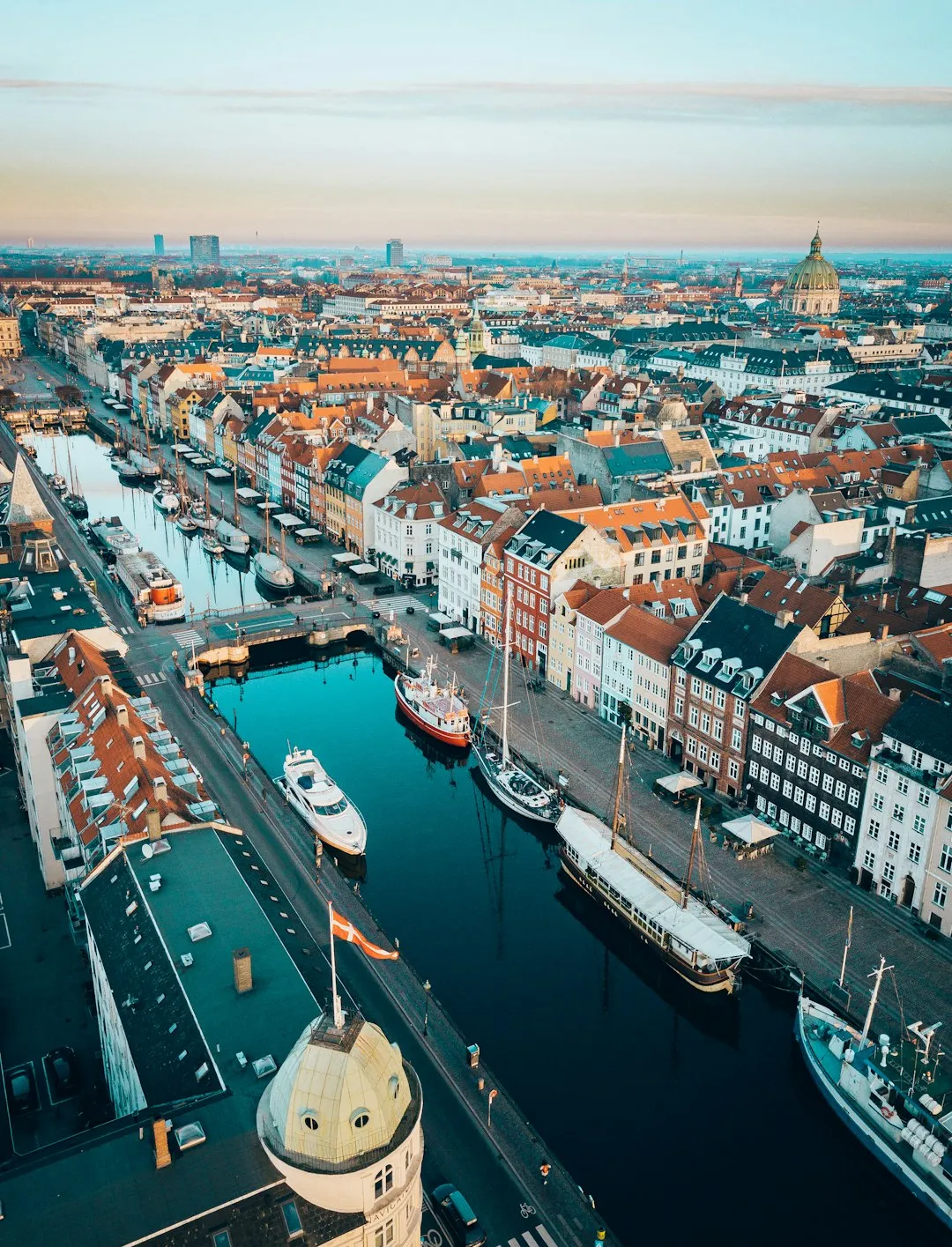
Denmark sits right behind the Netherlands in most 2026 rankings, and it earns that position through consistency rather than any single standout feature. Compared to mid-2025, Denmark strengthened its position, moving into second place. The country’s reputation rests heavily on how its public systems function day to day. Denmark offers social equality, universal healthcare, free education, and excellent work-life balance.
Urban planning plays a quiet but important role in how livable Danish cities feel. Copenhagen, Aarhus, and Odense feature modern urban planning with green spaces. Denmark also performs strongly outside Numbeo’s specific methodology. In the U.S. News Best Countries report for 2026, Denmark ranks No. 2 overall, leading the world in civic health while also scoring near the top for infrastructure and healthcare. That combination of trust in institutions and reliable public services is a big part of why the country keeps appearing near the very top of nearly every list.
Switzerland
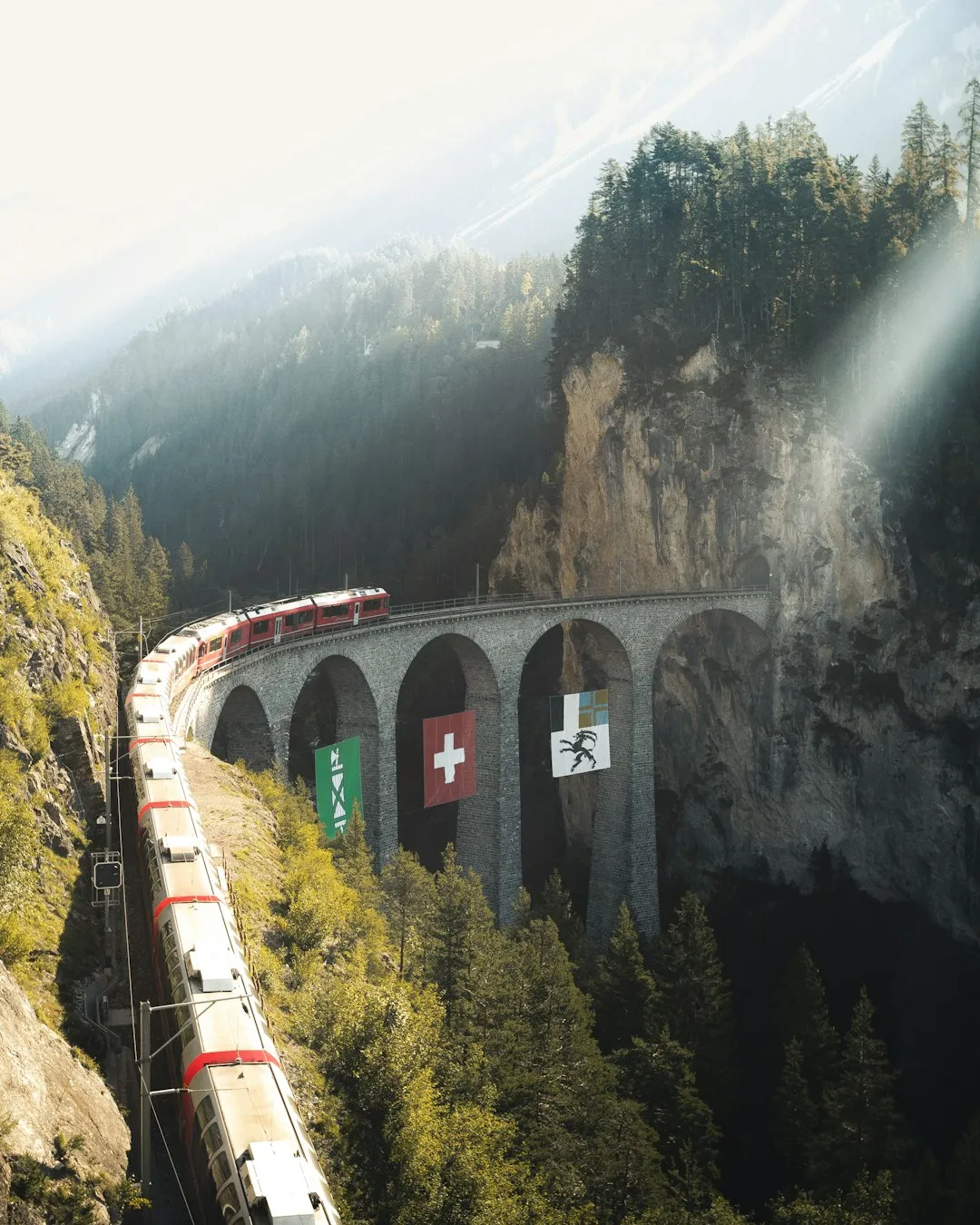
Switzerland’s case for a top-five spot is less about affordability and more about sheer consistency across almost every category that matters. Switzerland lands at No. 1 overall in the 2026 U.S. News Best Countries rankings, home to the famed Landwasser Viaduct in the Swiss Alps. The strength of that ranking comes from how evenly the country performs across categories rather than dominating just one. Switzerland topped the rankings this year with an unmatched balance, according to U.S. News managing editor Eric Litke.
The lifestyle does come with a real price tag attached. The Swiss lifestyle doesn’t come cheap, and daily expenses can be eye-wateringly high, particularly in major cities like Zurich and Geneva. Even so, most residents seem to view that cost as a fair exchange. Many consider it a small price to pay for the chance to live among breathtaking scenery with easy access to outdoor adventures, from snowshoeing to canyoning. Other data sets back up the safety angle specifically, noting that Switzerland ranks in quality of life discussions with an exceptionally high safety score of 92 and an excellent healthcare system rated at 70.
Finland
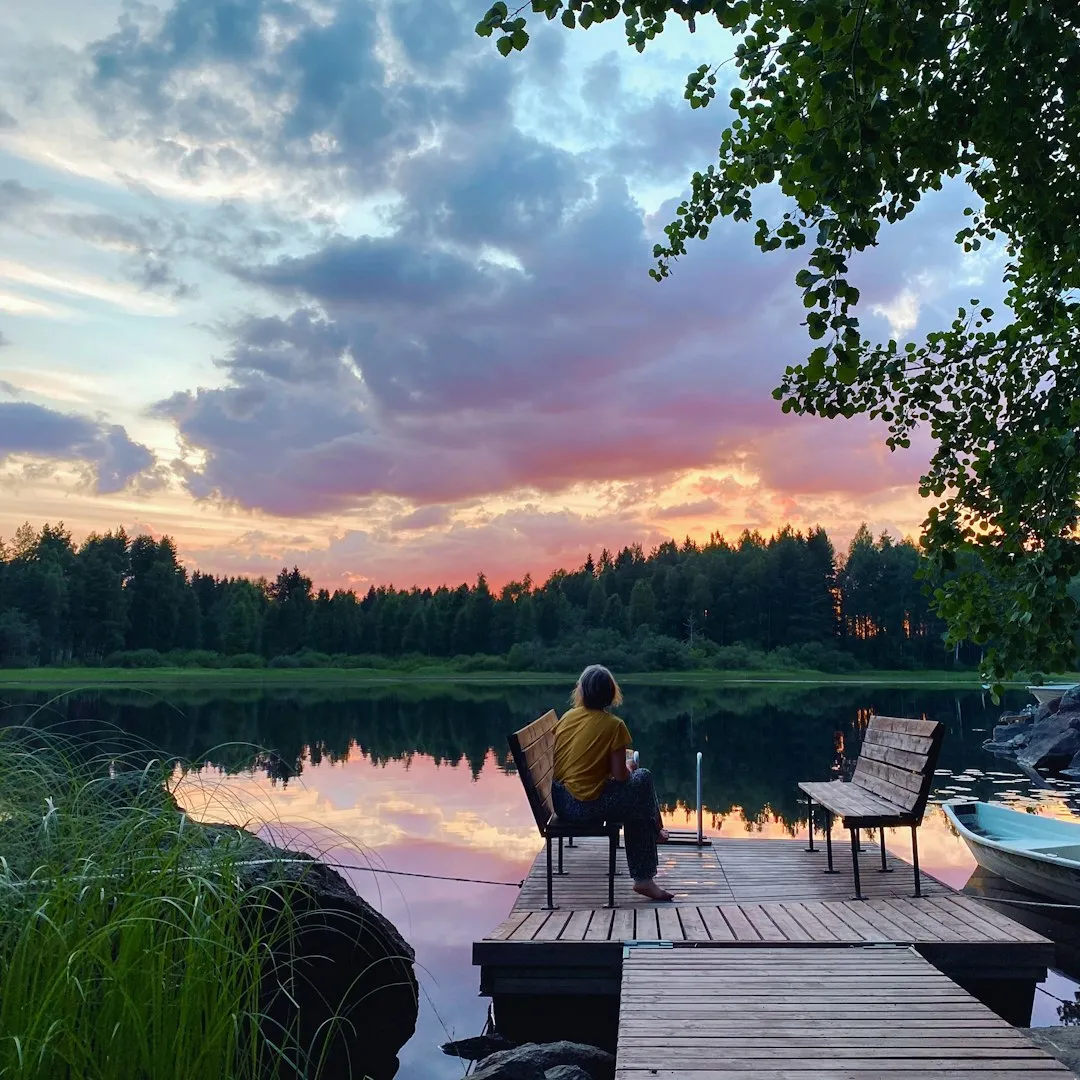
Finland approaches quality of life from a slightly different angle than its wealthier neighbors, leaning on nature, trust, and calm rather than sheer economic firepower. In the 2026 U.S. News rankings focused specifically on quality of life, Finland takes the No. 1 spot for quality of life, reflecting the country’s strong healthcare, safety and social systems. That result fits a broader regional pattern too, since Nordic countries once again dominate the quality-of-life rankings, reinforcing the region’s longstanding reputation for strong healthcare systems, social safety nets, education and work-life balance.
Daily life in Finland tends to feel unhurried and grounded in community. Quality of life there is closely tied to nature, simplicity, and a strong sense of social trust, with friendly communities and spacious cities blending modern architecture with green spaces. Winter is not for everyone, admittedly. Finland’s serene lifestyle comes with its own unique challenges, as winters can feel almost otherworldly, with darkness stretching for weeks in the north. Still, most residents seem to consider the seasonal trade-off worthwhile given the scenery it delivers.
Luxembourg
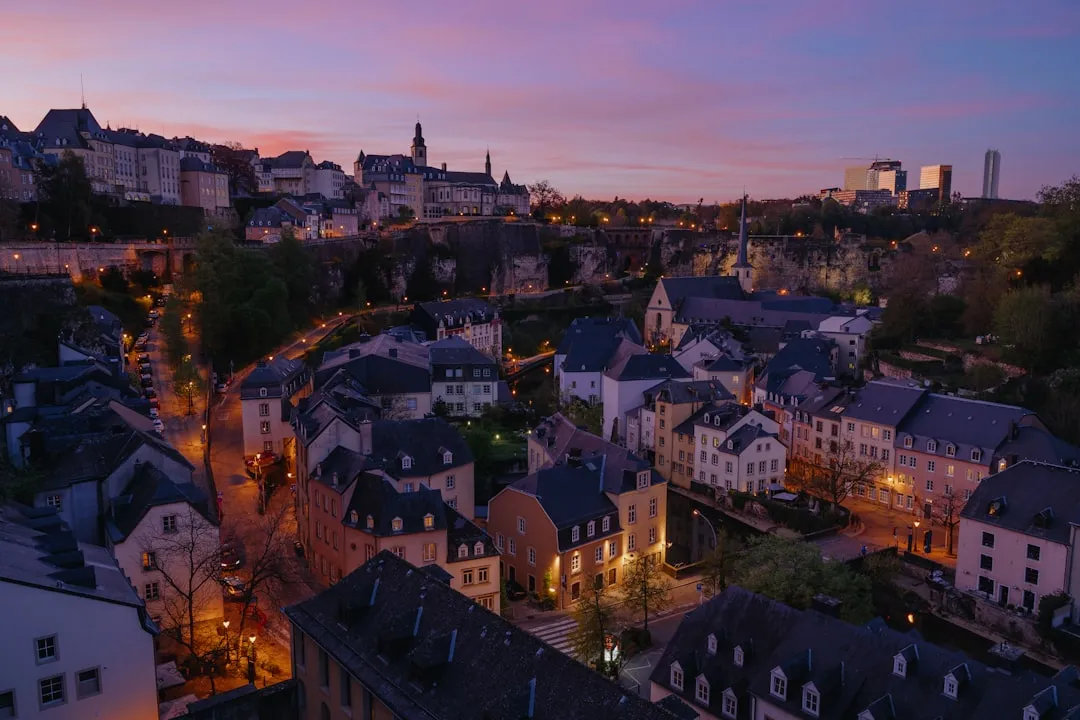
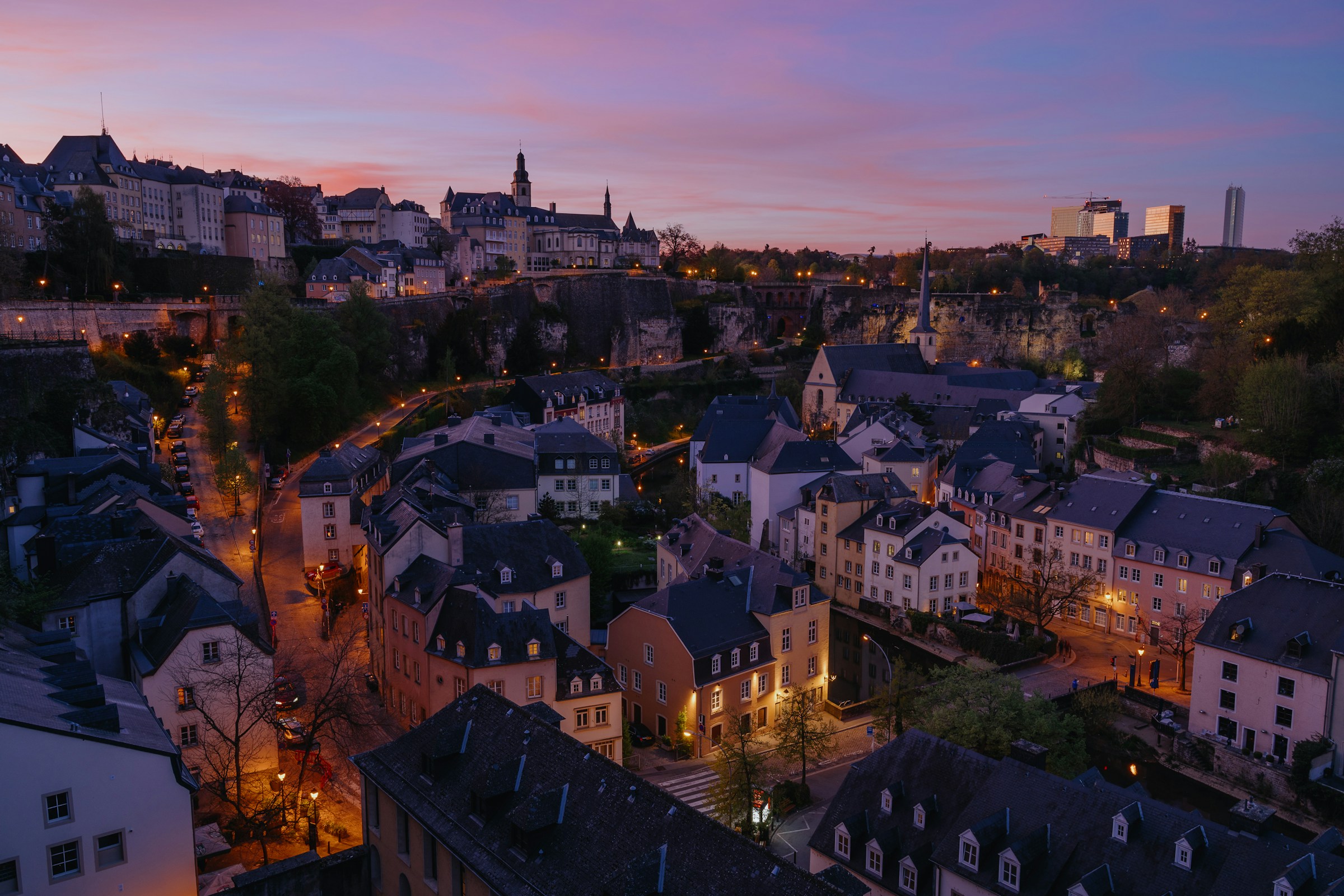
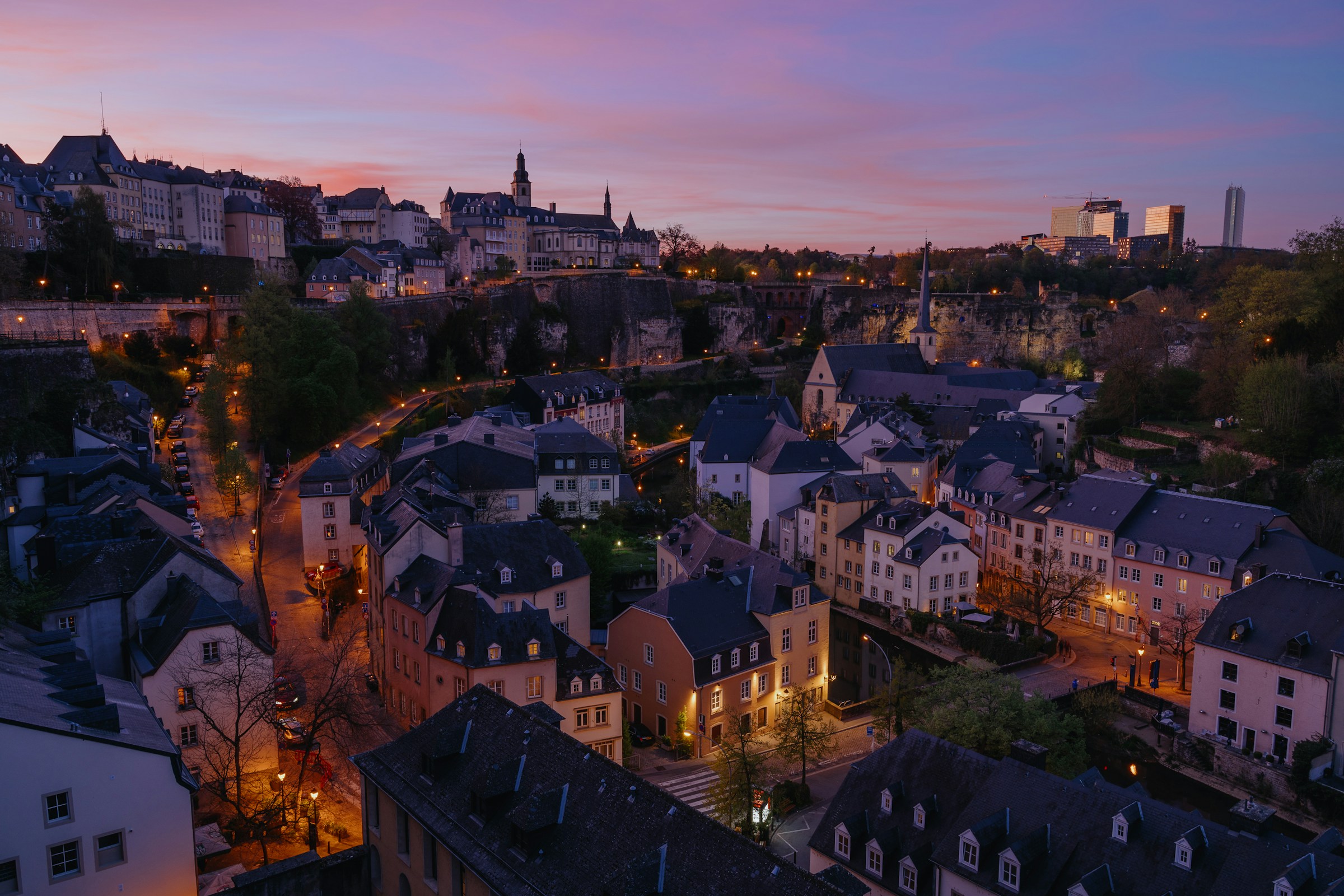
Luxembourg rarely gets the same attention as its larger neighbors, yet it consistently lands among the top three or four countries on Numbeo’s index. Some datasets even put it in first place outright, noting that Luxembourg has the highest Quality of Life Index score at 218.20, ahead of the Netherlands at 216.50 and Denmark at 215.10. Even in versions of the ranking where it slips to third, the country remains firmly inside the leading group of nations tracked throughout 2026.
What sets Luxembourg apart is less about flashy amenities and more about pure purchasing power relative to cost. Countries with strong purchasing power such as Luxembourg and Switzerland balance higher costs with higher incomes, significantly improving overall quality of life. That financial cushion tends to soften many of the everyday frustrations that show up elsewhere in Europe, from housing pressure to commute times. It is a small country by population, but one that punches well above its size when it comes to the practical, unglamorous metrics that actually shape daily comfort.