


Rent has become the word that makes people wince, no matter where they live. In big cities across North America and Western Europe, two hundred dollars barely covers a few nights in a budget hotel, let alone a full month of housing. Yet in a surprising number of countries, that same amount still buys a real home, one with a bedroom, a kitchen, and often a view that would cost a small fortune elsewhere.
What follows isn’t a list of desperate last resorts. These are places with mountains, coastlines, coffee farms, and centuries old architecture, where a modest budget still stretches into something that feels like an upgrade rather than a compromise.
Vietnam: coastal calm beyond the crowded centers
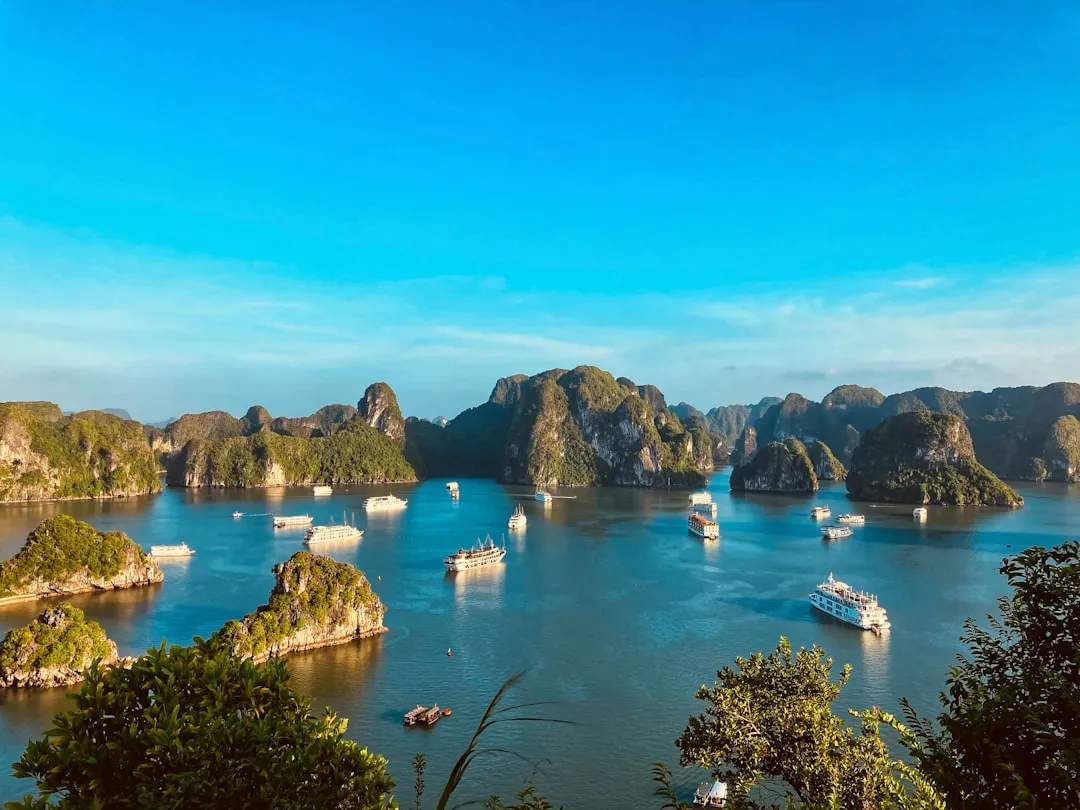
Vietnam’s two biggest cities have gotten pricier in recent years, especially in the pockets where expats tend to cluster. Vietnam’s biggest cities, Hanoi and Ho Chi Minh City, have seen rents climb noticeably in recent years, especially in expat favored districts. Shared housing tells a different story though, with plenty of listings still landing in the range most renters from wealthier countries would consider a rounding error. Rent costs of $200 to $350 per month make Vietnam extremely attractive for those looking to cut their expenses.
Move away from the two largest metros and the math gets even friendlier. Housing specialists tracking the broader market note that overall, housing in Vietnam remains affordable, with rents often below 600 euros, and a comfortable room well under $200 is still realistic outside the two biggest metros. Smaller coastal towns and rice paddy adjacent villages offer the kind of scenery that postcards are made of, at a fraction of what a studio in Hanoi’s Old Quarter now demands.
Nepal: mountain views without the mountain of rent
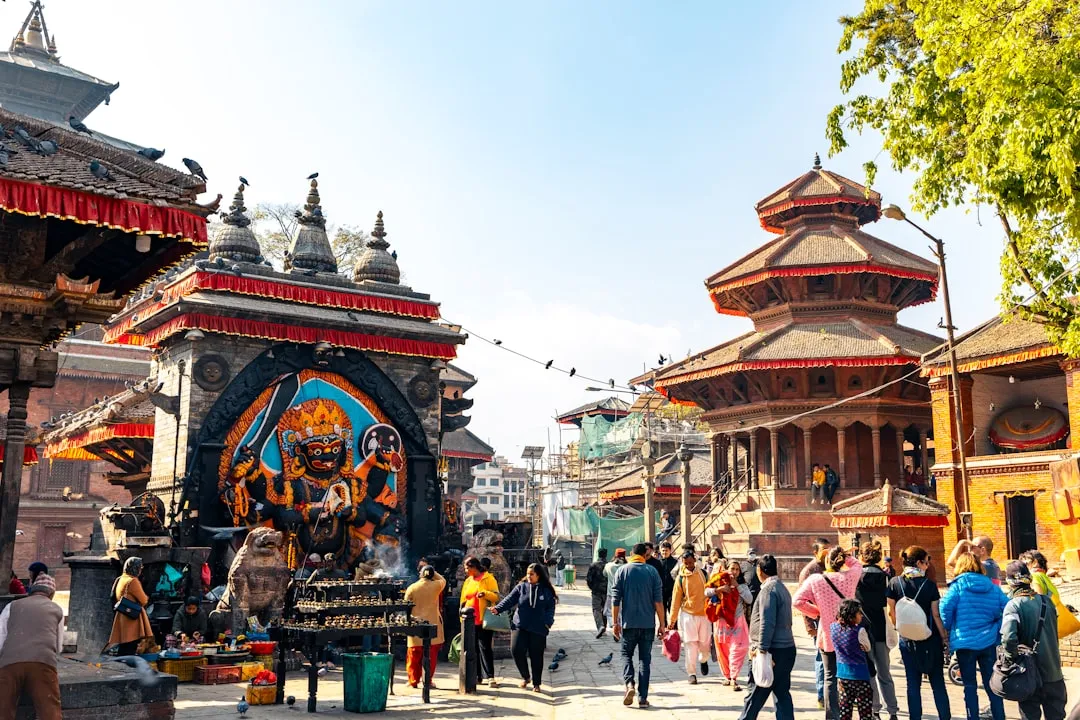
Kathmandu is Nepal’s most expensive city, yet the price difference between its center and its outskirts is dramatic. Kathmandu is Nepal’s priciest city, yet even there the price gap between the center and its outer neighborhoods is striking, with the average monthly rent for a one bedroom apartment in the city centre at £130, compared to £63 outside the centre. That outer figure converts to roughly eighty dollars a month, which is a fraction of comparable housing in most Western capitals.
Beyond the capital, prices only get gentler. In Kathmandu, rent runs $100 to $200, while food and transport generally stay under $1 to $2. The country’s overall cost of living reinforces the pattern, since the average cost of living in Nepal is $371 per month, which is more than three times less expensive than the world’s average. Add in Himalayan foothills and centuries old temple towns, and it’s easy to see why budget minded travelers keep extending their stays.
Cambodia: temple towns with tenant friendly prices
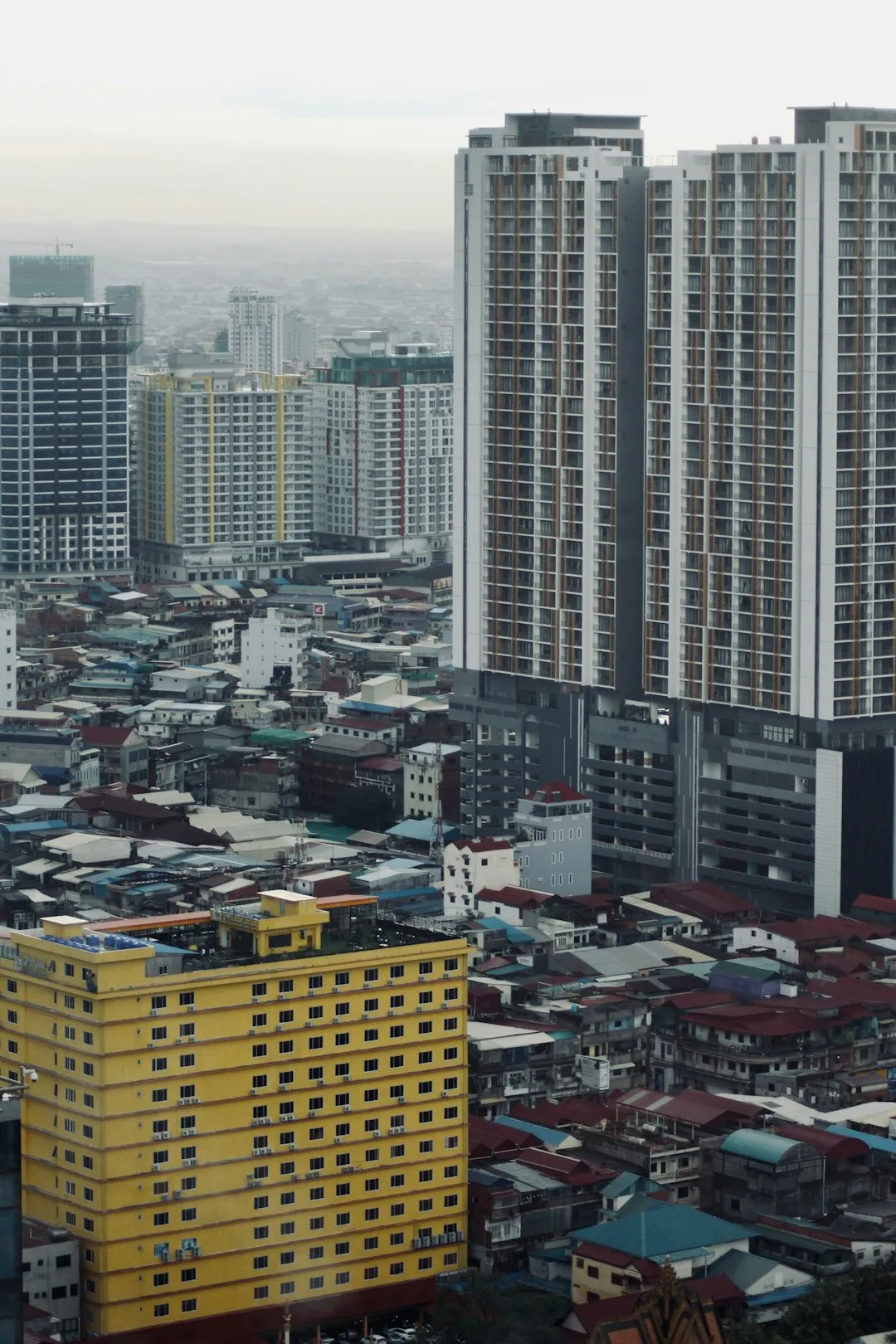
Phnom Penh has become the country’s expat magnet, and for good reason. International Living estimates that around 100,000 expats live permanently in Cambodia, drawn by the country’s welcoming culture and business friendly environment. Even in the capital, entry level apartments stay approachable, since the cost of lodging is quite inexpensive, with two bedroom flats renting for about $600 a month and one bedroom apartments starting at $200.
Step outside Phnom Penh and rents drop further still. Smaller cities like Battambang, Kampot, and Kep offer even lower rents averaging $200 to $300, and many single travelers find studios comfortably under that mark. Kampot in particular draws people for its riverside setting and slower pace, proving that Cambodia’s charm isn’t confined to its famous temple ruins.
Egypt: history at a fraction of Cairo’s new prices
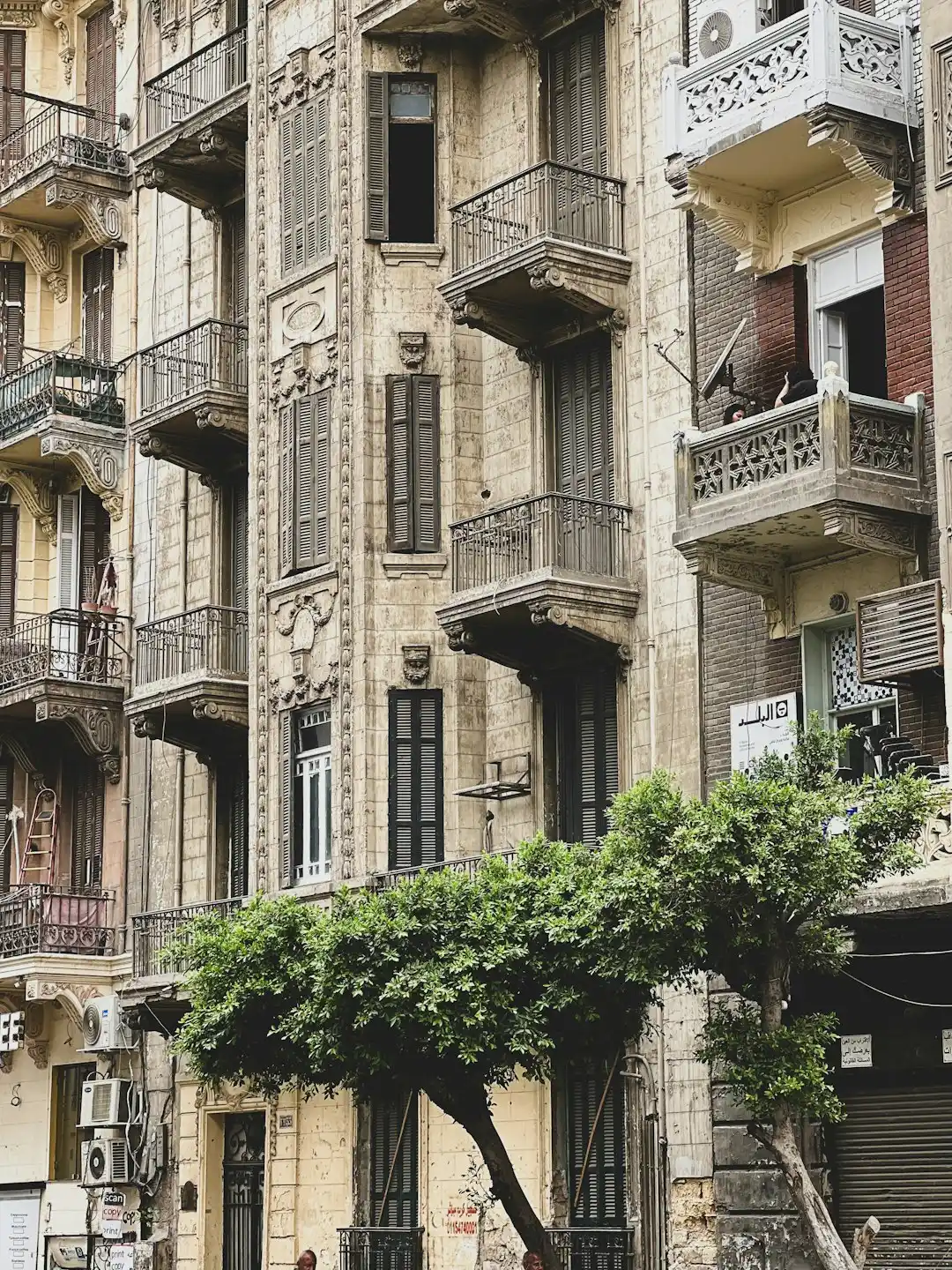
Cairo’s most desirable neighborhoods have shifted noticeably as old rules loosen. Cairo’s prime districts, places like Zamalek and New Cairo, have grown considerably more expensive as the government phases out decades old rent controls. Alexandria and Egypt’s smaller cities, though, keep a very different rhythm, with rental prices spanning a wide range depending on location and size.
For renters willing to skip the capital’s trendiest pockets, the savings are substantial. Monthly rent for a one bedroom apartment can be as low as $150, while a two bedroom apartment runs around $300, offering real options for people drawn to Egypt’s layered history without the New Cairo price tag. Cities like Alexandria pair Mediterranean views with rents that undercut the capital by a wide margin.
Montenegro: Adriatic coastline on a European budget
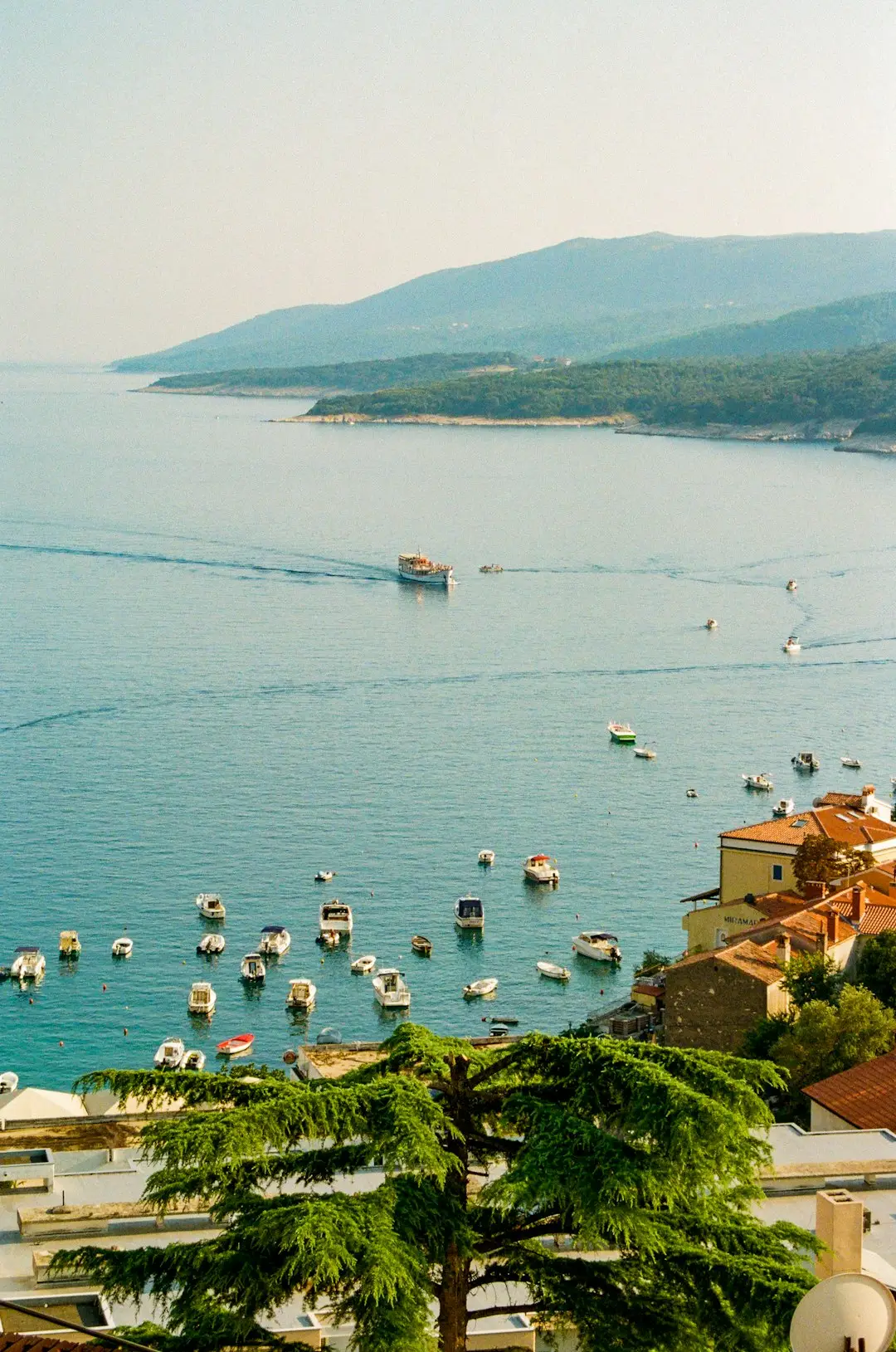
Montenegro rarely makes the highlight reel of European destinations, yet it consistently ranks among the continent’s better value picks. This remains one of the cheapest places to live in Europe, and there is a small but thriving expat community settling into towns along the Adriatic coast. Unlike its pricier Croatian neighbor just across the border, Montenegro still offers seaside living without the seasonal price spikes tourists elsewhere have grown used to.
Bays like Kotor and Herceg Novi combine dramatic cliffs with calm harbor towns, and rents in the smaller coastal settlements remain well below what similar views command in Dubrovnik or Split. The country’s small size means a short drive can take a renter from a quiet fishing village to a lively old town, all while keeping housing costs on the lower end of the European scale. For anyone chasing Mediterranean scenery without a Mediterranean budget, Montenegro quietly delivers.
Bosnia and Herzegovina: European charm at a discount
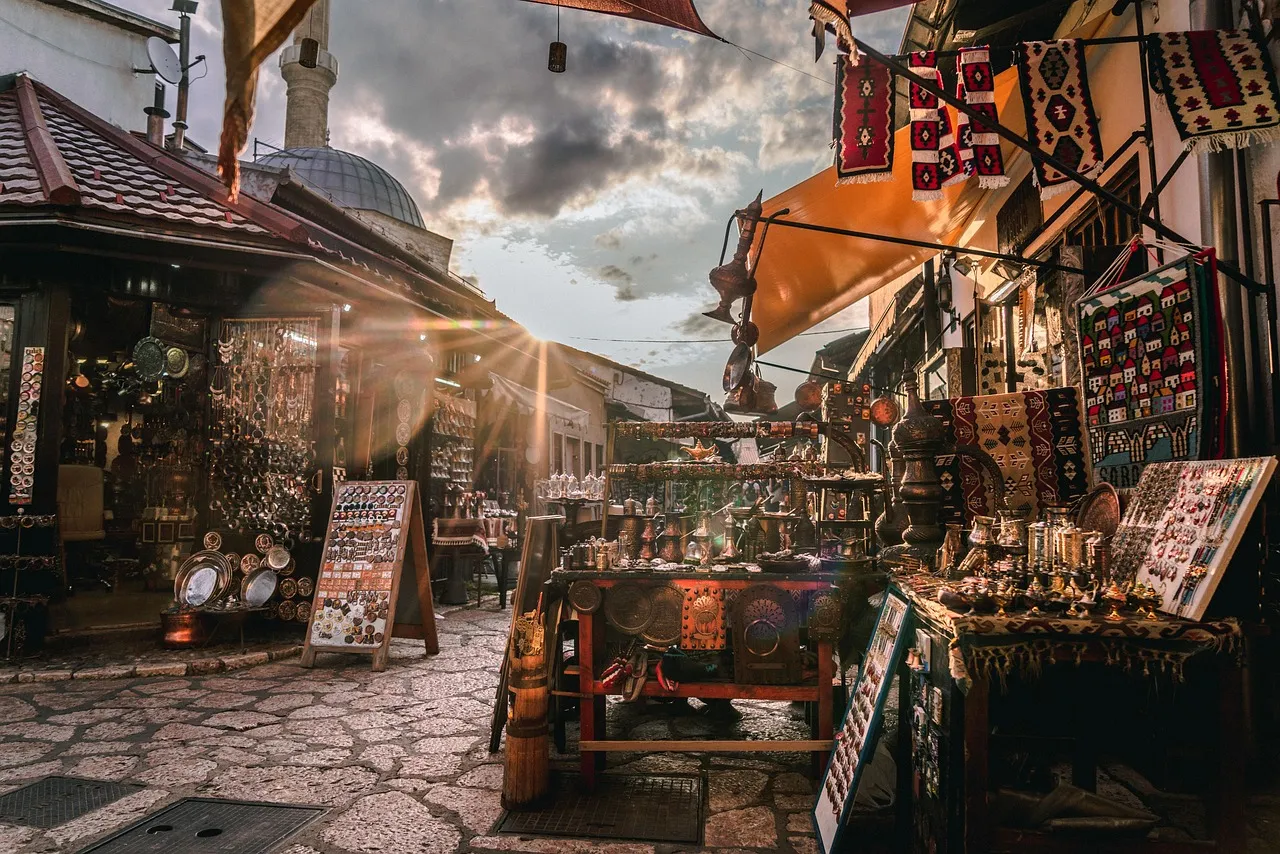
Sarajevo has its own appeal, but it comes with rising costs and winter smog that many renters would rather avoid. If you want the European vibe at a discount, Bosnia is your spot, though Sarajevo has become a bit pricey and suffers from terrible smog in the winter. The better move, according to those who track the region closely, is heading south instead.
Trebinje in the south is close to the Croatian border and Dubrovnik, has a Mediterranean climate, and is very affordable. Renters can find accommodation there for around $200 to $250, close to the same coastline that draws crowds and premium prices just across the border. The tradeoff, worth knowing upfront, is that the biggest disadvantage of living in Bosnia and Herzegovina is a really poor transport system, so a car or a patient attitude toward local buses helps.
Morocco: riads and medinas without the resort markup
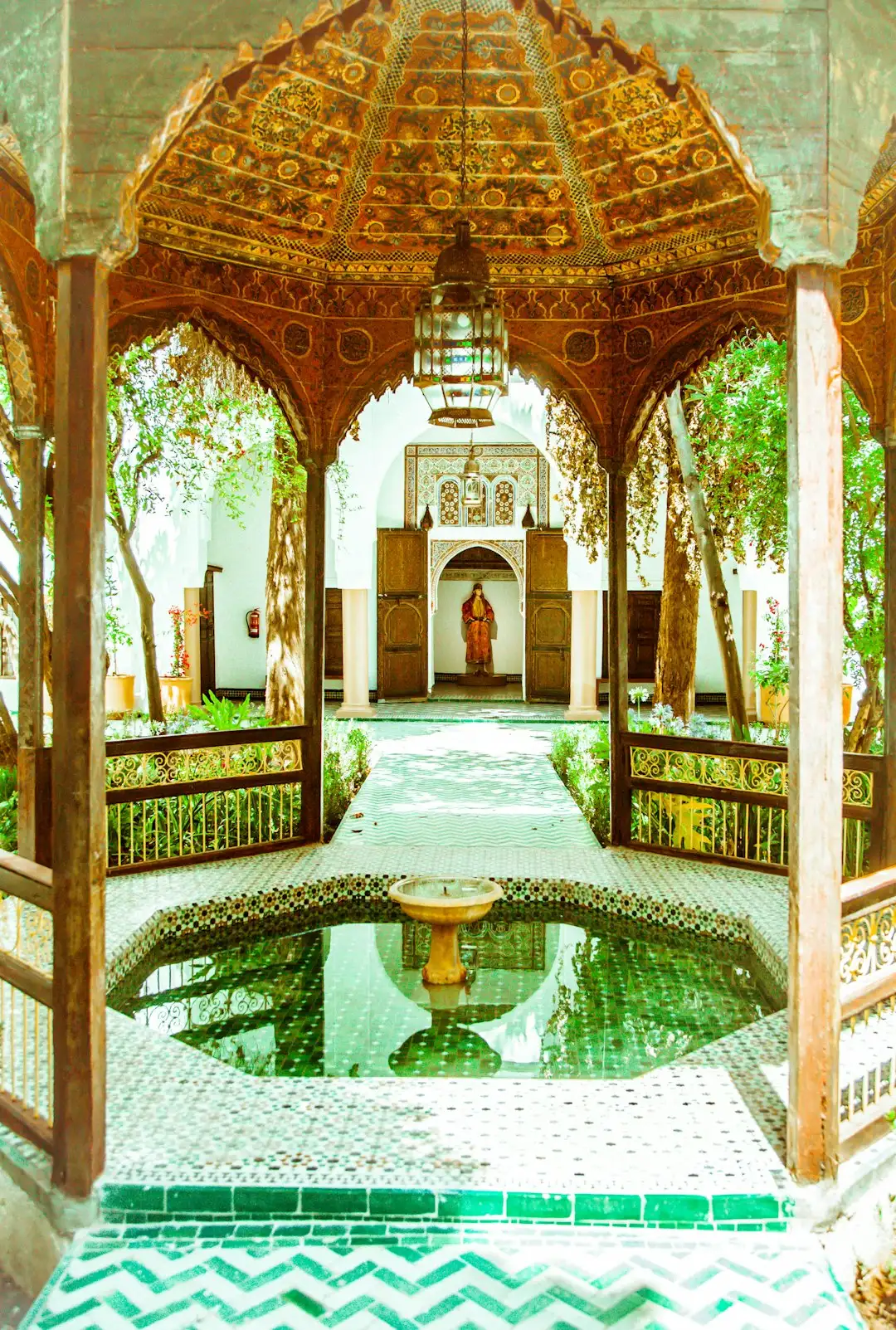
Morocco’s proximity to Europe makes it an easy sell for anyone craving a change of scenery without a long flight. Morocco is just a short flight from Europe and offers a fascinating North African lifestyle at low cost, with Marrakech, Essaouira, and Tangier all home to growing expat communities. Housing costs vary by city, and apartments generally range from $200 to $400 a month.
Traditional courtyard homes, known locally as riads, offer some of the best value once you move past the main tourist circuit. In cities like Rabat and Marrakech, apartment rentals range from $200 to $400, and smaller cities beyond those two hubs often land at the lower end of that range. Blue tiled medinas, desert edges, and Atlantic coastline all sit within reach of a single, modest monthly budget.
Moldova: Europe’s overlooked wine country
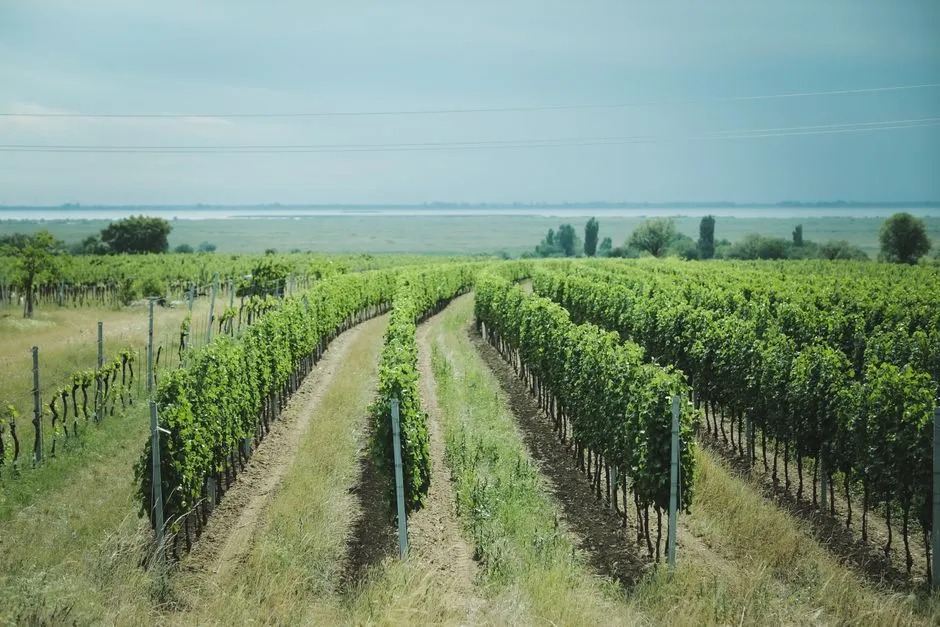
Few travelers think of Moldova first when picturing affordable Europe, and that’s exactly the point. This is a hidden gem in Europe that few people even know about, and it’s one of the cheapest countries on the continent, where $500 a month will take you far. Rolling vineyards, quiet monasteries, and a capital that still feels undiscovered make it an unusual pick for a gorgeous, budget friendly base.
The numbers back up the reputation. You can find a room in an apartment for only $100 per month, and renting a studio by yourself can still be done at around $200 a month. One caveat worth planning around is the cold season, since while rent is cheap, heating bills in winter are not, and from November to March, utility bills can skyrocket.
Colombia: coffee country over the gentrified capitals

Colombia’s two biggest cities have priced out a lot of the budget conscious renters who once flocked there. Colombia is a favorite for many, but you have to be strategic, since Medellin and Bogota are not doable on a tight budget anymore due to gentrification. The Coffee Triangle and its smaller towns have quietly become the better alternative.
Smaller cities or towns in the Coffee Triangle, like Manizales or Pereira, or villages in Boyacá, are the better bet, where a modest apartment rents for around $200 a month. These towns sit surrounded by green hillsides and coffee farms, trading Medellin’s nightlife for a slower pace and colonial plazas that feel untouched by the rent increases hitting the bigger cities.
Paraguay: an easy landing spot in South America

Paraguay doesn’t get nearly the attention its South American neighbors do, but that’s part of its appeal for budget focused renters. Small apartments there can be found for around $200, and the country’s laid back, wetlands adjacent geography offers a quieter alternative to Argentina or Brazil’s busier hubs.
Beyond the low rent, Paraguay makes the paperwork side unusually simple. The biggest perk of Paraguay is the visa situation, since it is one of the easiest countries in the world to obtain legal residency, a real advantage for anyone tired of repeated visa runs elsewhere. The main adjustment is linguistic, since English fluency is low there, so some Spanish basics or a willingness to learn fast goes a long way.
Pakistan: dramatic landscapes and the region’s lowest rents
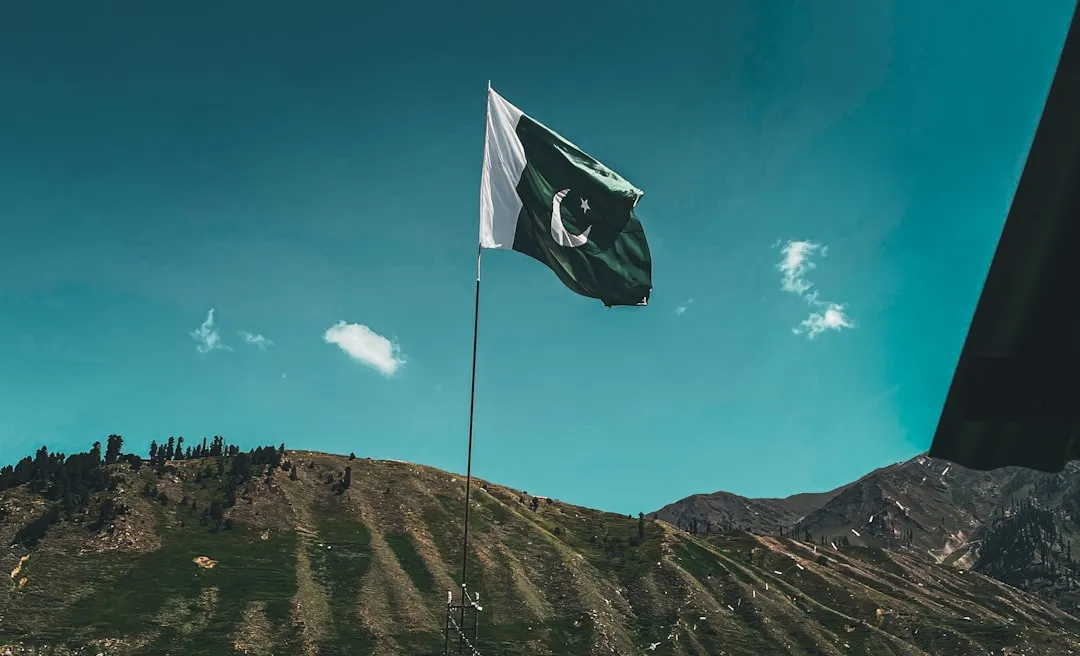
Pakistan consistently ranks near the very top of global affordability lists, and its housing market backs that reputation up. Pakistan is ranked first as the country with the lowest living cost, with a living cost index score of 18.5, meaning each individual spends around $321.5 monthly, not including rent. In Karachi specifically, a one bedroom apartment outside the city center can be found for roughly PKR 25,000 to 50,000 per month, putting basic housing well within or around the $150 to $200 range in many areas.
The comparison to Western cities is striking on its own. Rent in Karachi is, on average, 90.5% lower than in Berlin. That said, safety and infrastructure vary considerably by region, and parts of Pakistan experience ongoing security concerns tied to civil unrest, which limits access to international standard security infrastructure in some areas. Northern regions like Hunza and Skardu draw travelers for their scenery, so anyone considering a move should research specific cities carefully rather than treating the whole country as uniform.