

The bathroom is where most people feel completely at home – and that’s exactly the problem. The CDC estimates that roughly 235,000 people are injured in bathroom falls every year, and about 80% of falls that happen at home occur in that one small room. For older adults, a single bathroom fall can mean a fractured hip, a hospital stay, and months of recovery. But the retirees who never let it get that far didn’t do anything dramatic. They just stopped treating the bathroom like it was safe by default.
What’s striking is how many of these habits cost almost nothing and take minutes to implement – yet most homeowners won’t touch them until something has already gone wrong. Some of them will genuinely surprise you. A few might make you walk straight to your bathroom and start rearranging. All 15 are worth knowing before you need them.
#15 – They Never Grab a Towel Rack for Balance
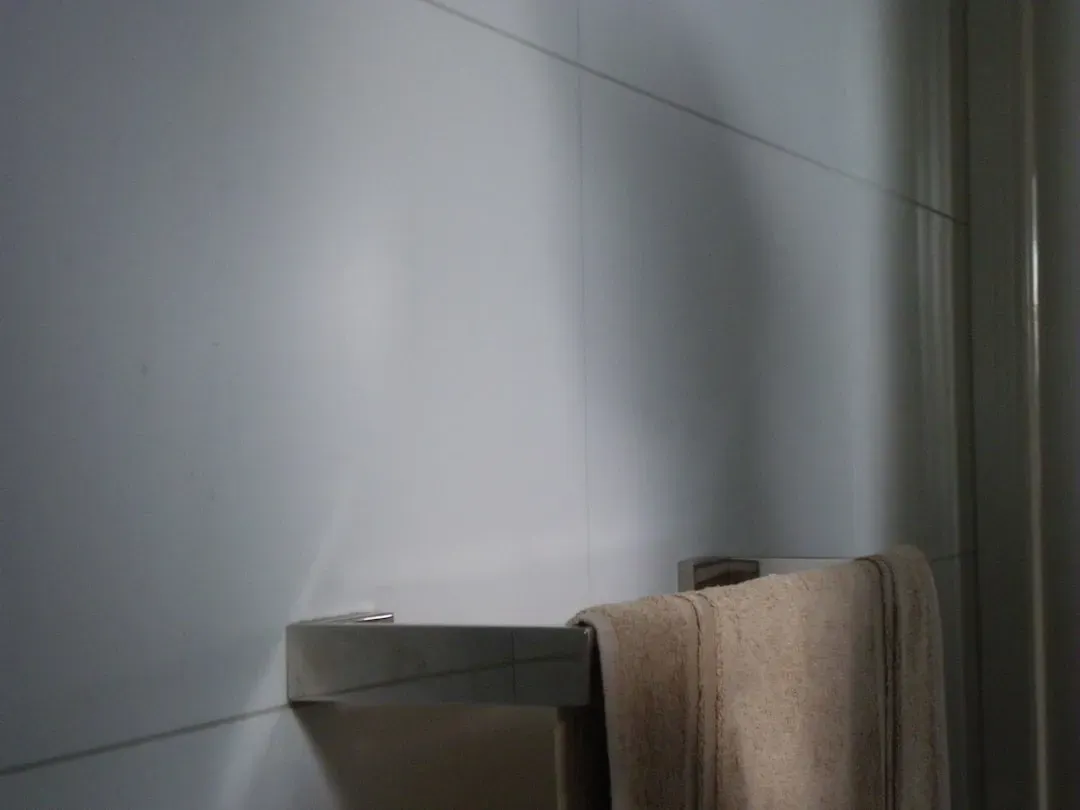
It’s right there on the wall. It looks solid. And when you feel yourself slipping, reaching for it is pure instinct. But towel racks are mounted for decoration, not survival – they’re typically anchored into drywall with lightweight fasteners that were never designed to catch a falling adult. When someone grabs one mid-stumble, it doesn’t hold. It pulls straight out of the wall, and the person hits the floor harder than they would have otherwise.
Retirees who’ve learned this – the easy way or the painful way – treat towel racks as strictly off-limits for support. If there’s no actual grab bar within reach, that’s not an improvisation opportunity; that’s a gap in the setup that needs fixing. Research shows people are 75% more likely to recover lost balance when a properly anchored grab bar is available. A towel rack mounted in drywall isn’t a grab bar. It’s a liability dressed up as hardware.
Fast Facts
- Towel bars are designed for fabric weight only – not human body weight
- Standard drywall anchors are not rated for the sudden force of a falling adult
- A properly stud-anchored grab bar can hold up to 500 lbs – a towel rack cannot come close
- The instinct to grab the nearest wall fixture is universal and nearly impossible to override in a crisis
- The fix: one real grab bar installed nearby eliminates the towel rack temptation entirely
#14 – They Keep Medicines Out of the Medicine Cabinet

The name is basically a trap. Generations of Americans have stored pills, vitamins, and prescription bottles in the cabinet above the bathroom sink – and it turns out that’s one of the worst places those medications can live. Bathrooms are hot and humid by design, and that environment quietly degrades the chemical structure of many common drugs, including blood pressure medications and pain relievers, faster than most people realize.
Retirees managing multiple prescriptions take this seriously. They move everything to a cool, dry bedroom drawer or a dedicated storage box outside the bathroom entirely. A few go further – using clearly labeled organizers, medication tracking devices, or time-locked pillboxes to prevent accidental double doses. It’s a habit that protects both the medicine’s potency and the person taking it. The medicine cabinet can hold razors and cotton swabs. Leave the prescriptions somewhere that won’t quietly ruin them.
#13 – They Set Their Water Heater to 120°F or Below
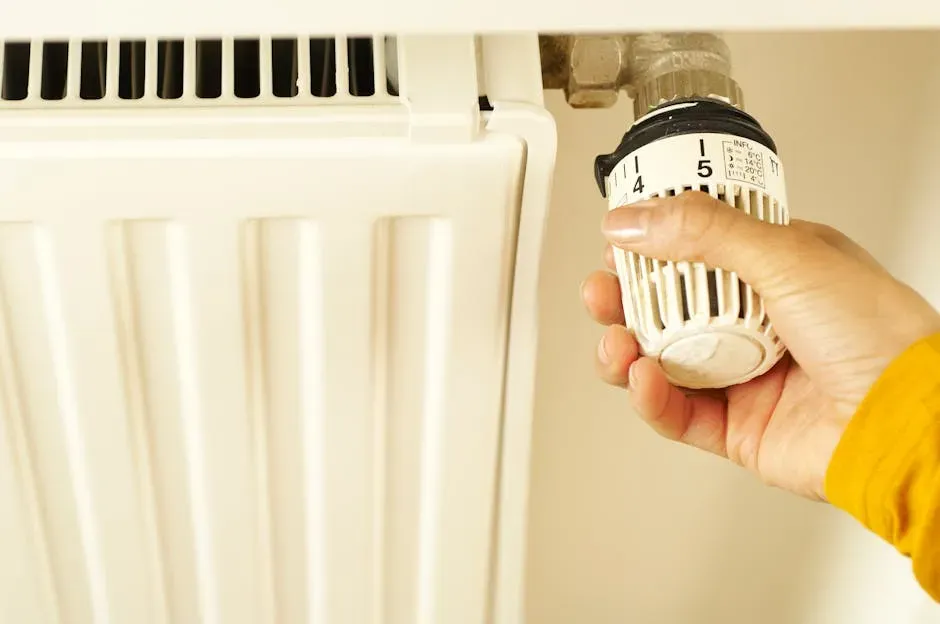
Most American water heaters ship from the factory set to 140°F – a temperature that can cause a serious scald burn in about five seconds of skin contact. For older adults, whose skin is thinner and whose reflexes are slower, that window closes even faster. A moment of distraction, a pressure fluctuation in the pipes, a second of slow reaction – and the damage is done before anyone can pull away.
Retirees who’ve talked with their doctors or occupational therapists about bathroom safety consistently name water temperature as something they wish they’d adjusted years earlier. The fix takes two minutes: turn the dial on the water heater down to 120°F maximum. Some go further and install thermostatic mixing valves or anti-scald devices that prevent sudden temperature spikes entirely. It costs nothing to adjust the dial. It costs a great deal more to treat a burn that didn’t have to happen.
At a Glance: Water Temperature Risk
- 140°F – Typical factory default; causes serious scald burns in ~5 seconds
- 130°F – Still causes burns in about 10 seconds of contact
- 120°F – Recommended safe maximum for households with older adults
- Thermostatic mixing valves – Add an extra layer by preventing sudden temperature spikes at the tap
- Time to fix it – About 2 minutes to adjust a standard water heater dial
#12 – They Do a Monthly Safety Check on Every Fixture
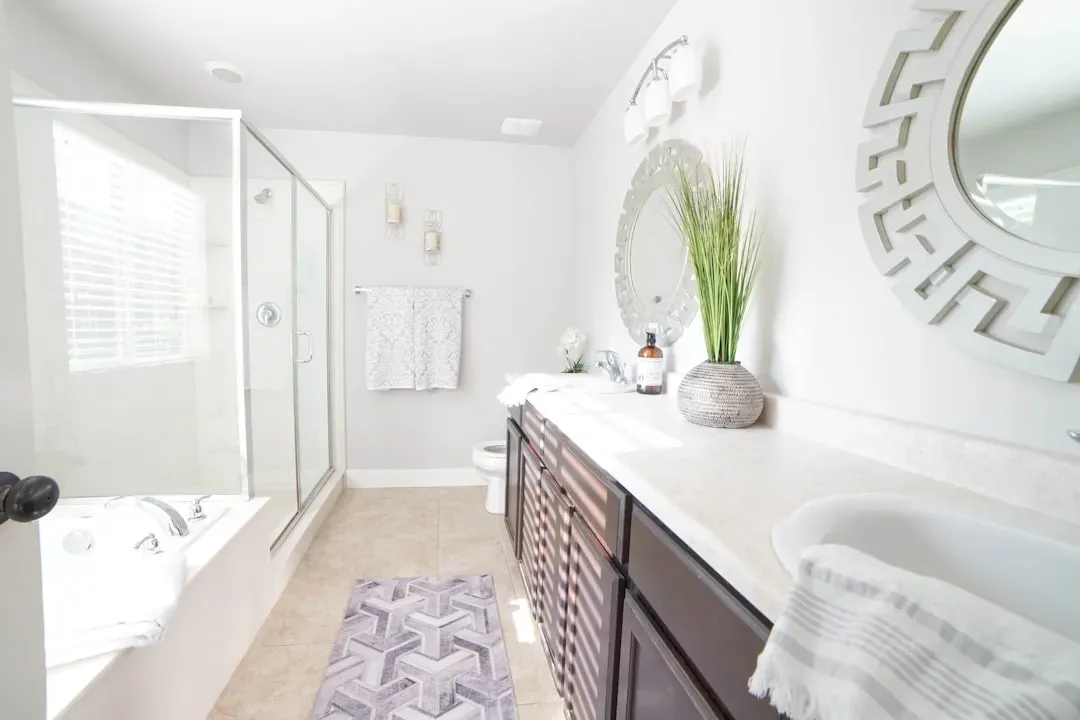
Grab bars loosen over time. Caulk develops cracks. The suction cups on a non-slip mat that gripped perfectly six months ago may be peeling away from the tub floor right now – and nobody knows because nobody checked. Retirees who’ve had a close call, or watched a family member get hurt, don’t wait for something to visibly fail. They build a quick monthly walkthrough into their routine and actually put their hands on things.
Run a firm hand along every grab bar. Press down on every mat. Get under the sink and look for slow leaks – even a small puddle creates a slip hazard. Check the light fixture above the shower. Push on any loose tiles. The whole process takes under five minutes and costs nothing. Most homeowners skip it entirely because nothing seems wrong. Retirees who are serious about safety understand that “nothing seems wrong” and “everything is fine” are two very different statements.
#11 – They Never Rush Through a Nighttime Bathroom Trip

The 3 a.m. bathroom run is one of the highest-risk moments in any older adult’s day. Half-asleep, eyes not yet adjusted to the light, moving quickly to get back to bed – every one of those factors is stacking the odds against you at the same time. The speed habit is what catches people. They hurry because it’s the middle of the night, and that’s precisely when they fall.
Experienced retirees treat nighttime trips with deliberate, almost stubborn slowness. They sit up in bed for a moment before standing. They make sure both feet are flat on the floor before taking the first step. They never skip the lights – not to save energy, not to avoid waking a partner. As we age, eyes take longer to adjust to sudden brightness, so soft lighting along the path matters more than one harsh overhead bulb. Slowing down by thirty seconds is a small price to avoid three months of physical therapy.
#10 – They Use Motion-Activated Night Lights Along the Whole Path
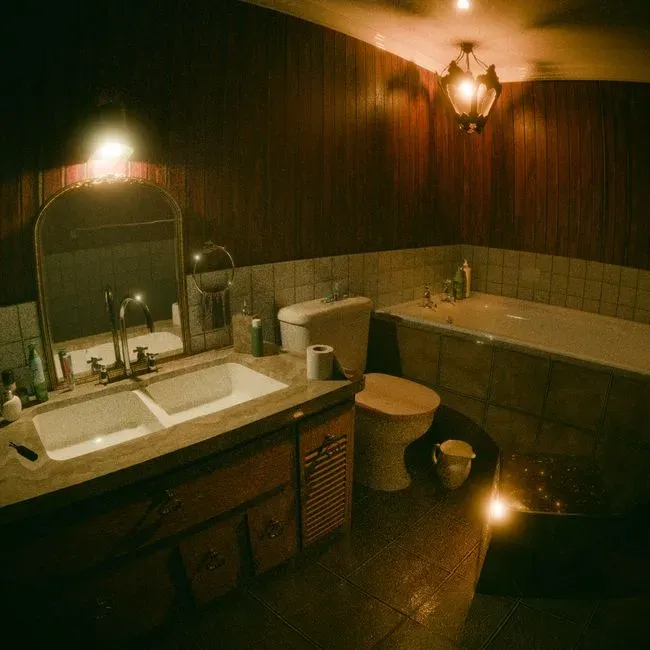
One dim nightlight plugged in by the toilet isn’t enough. The danger doesn’t start at the bathroom door – it starts the moment someone swings their legs off the bed in the dark. The stretches of hallway and bedroom floor between bed and bathroom are where nighttime falls actually begin, and most homes leave those stretches completely unlit.
Retirees who’ve worked with occupational therapists on home safety think about the entire journey, not just the destination. Motion-activated lights along the path from bedroom to bathroom create a gentle lit corridor that turns on automatically – which matters enormously when someone is half-asleep and not coordinated enough to find a switch. LED strips under vanity cabinets or along the base of the toilet add visibility inside the bathroom without jarring brightness. The goal is a continuous trail of soft light from pillow to porcelain and back.
Worth Knowing: Lighting the Whole Path
- Motion-activated plug-in night lights cost as little as $8 to $15 each
- LED strips under vanity cabinets provide soft, floor-level guidance without waking a partner
- Older eyes can take several minutes to fully adjust from dark to bright light – harsh overheads defeat the purpose
- The bedroom-to-bathroom hallway is where many nighttime falls actually begin – not inside the bathroom itself
#9 – They Keep Everything Within Arm’s Reach – Not One Stretch Away
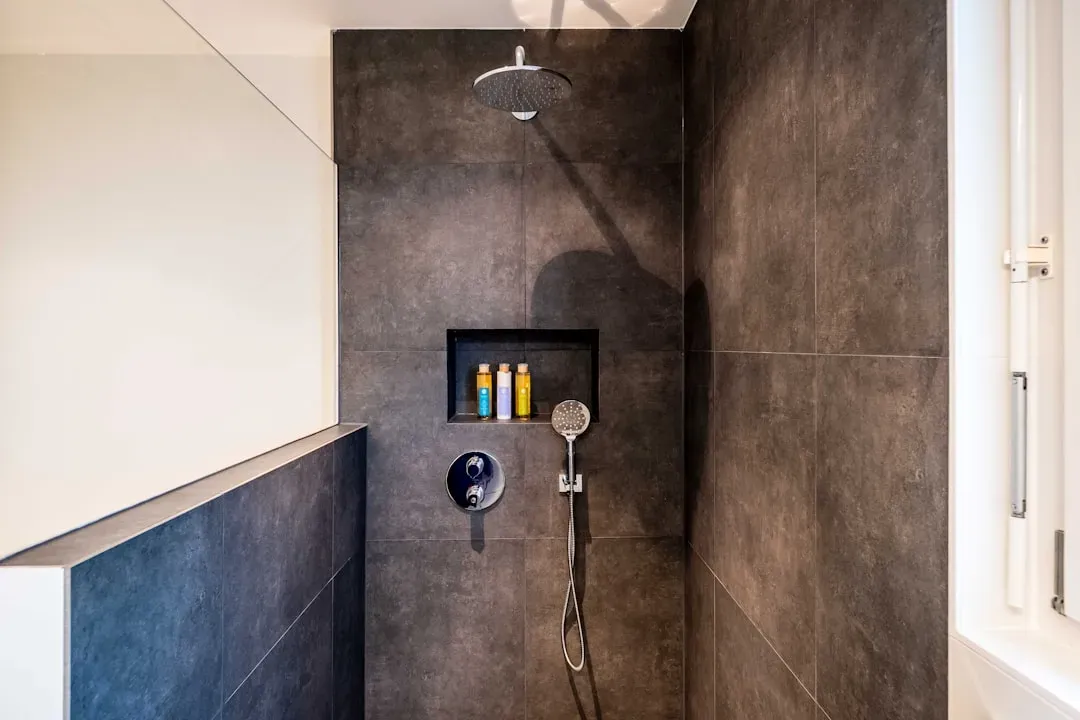
Reaching for a shampoo bottle on a high shelf while standing on a wet shower floor is exactly the kind of move that ends up in the emergency room. It happens fast – one overreach, one small weight shift, one moment of lost balance – and suddenly there’s a fractured wrist or a cracked hip. The shower floor is one of the slipperiest surfaces in the house, and it’s no place for overhead gymnastics.
Retirees who’ve gotten this right reorganize their shower storage with one simple rule: if you can’t reach it flat-footed without shifting your weight, it needs to move. Wall-mounted dispensers, low-profile shower caddies, and waist-to-shoulder-height shelving eliminate the need for any dangerous reaching. Toilet paper, towels, and hand soap should never be more than an arm’s length away from where you’re standing or sitting. It’s often a $20 fix – and the consequences of skipping it are significantly more expensive.
#8 – They Remove Every Decorative Rug That Doesn’t Have Suction Backing
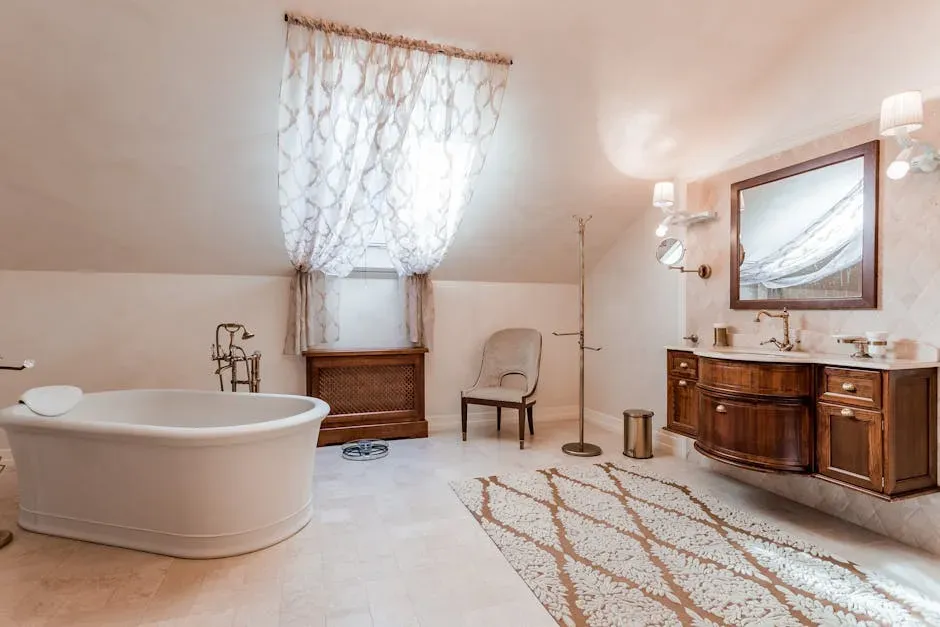
The fluffy bathroom rug that slides half an inch when you step on it is charming right up until the moment it isn’t. Decorative rugs without non-slip backing are hiding in plain sight in millions of bathrooms, and they’re one of the most common tripping hazards in the home. The danger isn’t just slipping – a rug that bunches or shifts underfoot can catch a toe and send someone straight down.
Retirees who’ve swapped out their bathroom rugs also know that not all non-slip mats stay reliable forever. A mat that gripped perfectly six months ago may be losing its suction now – especially if it’s been through dozens of wash cycles. Check the suction cups regularly. Look for mats made from quick-drying materials with strong textured surfaces, and replace them the moment they start to shift. Some newer mats also incorporate antimicrobial features to prevent the mold and mildew that make bathroom floors even more treacherous.
#7 – They Declutter the Bathroom Floor Completely
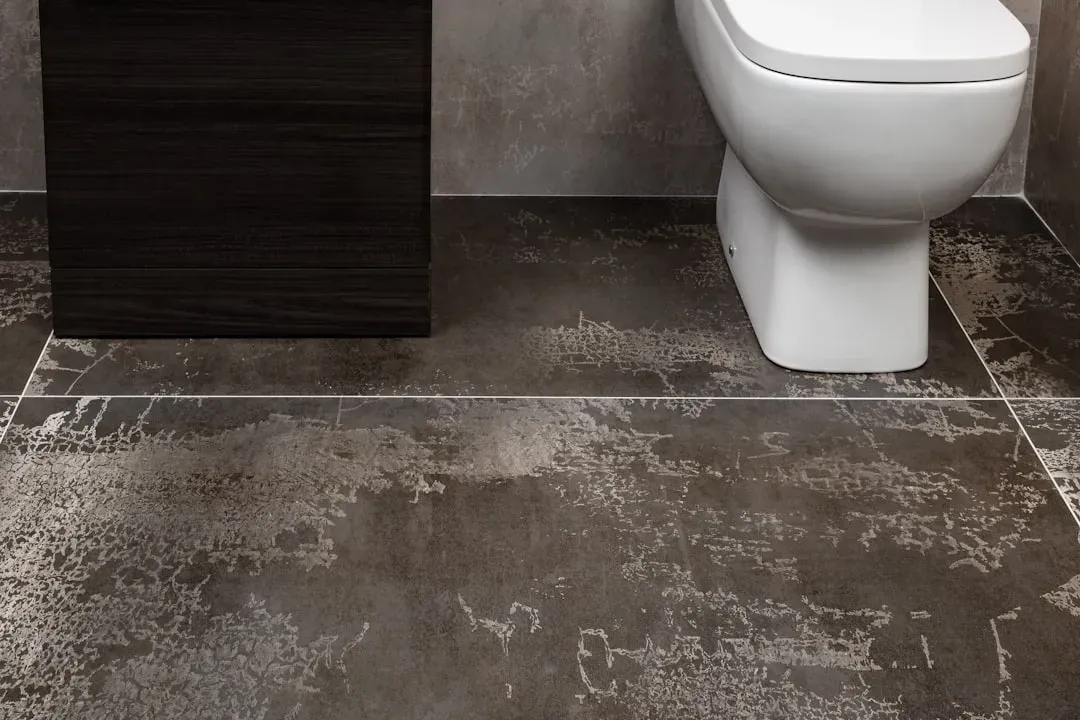
Most bathroom floors are quiet obstacle courses: a scale in the corner, a trash can in the walkway, a bag of products leaning against the wall, a step stool that never quite got put away. None of those items feel dangerous on their own – until someone is navigating the bathroom in poor light, in a hurry, or with reduced depth perception. Then each one becomes a genuine hazard.
This habit sounds obvious, but almost nobody actually follows through on it. Bathrooms accumulate stuff slowly – a new product here, a small appliance there – and most people stop noticing what’s underfoot. Retirees who are serious about safety do periodic floor sweeps to clear anything that doesn’t need to be there. Wall-mounted dispensers for soap and shampoo eliminate loose bottles entirely. A clear path from door to toilet to shower isn’t just comfortable. It’s the difference between a routine morning and an urgent care visit.
#6 – They Install a Raised Toilet Seat With Armrests
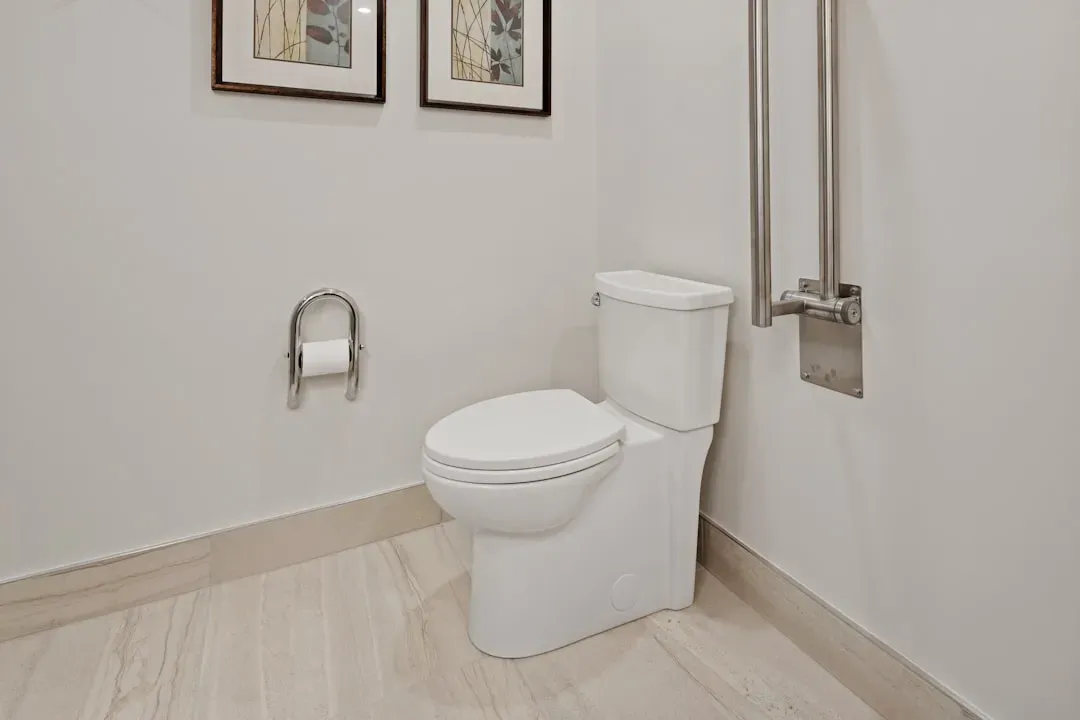
The toilet is one of the most physically demanding parts of the bathroom – and one of the least talked about. Lowering onto a standard toilet requires a controlled descent against gravity, and getting back up requires real leg and hip strength. For anyone managing arthritis, joint pain, or recovering from surgery, that maneuver performed multiple times every day is a genuine and repeated fall risk.
The smart move retirees make is pairing a raised toilet seat with armrests – a combination that reduces strain on the knees and hips while providing something to push against when standing up. No major construction required. Most raised toilet seats simply align over the existing toilet with no permanent installation, and many models raise the seating surface by up to 6 inches. Most homeowners never think of the toilet as a fall hazard. Most retirees who’ve had a close call there think about it every single day.
Quick Compare: Toilet Safety Options
- Raised toilet seat (no arms): Affordable and easy to install – reduces descent depth but offers no push-up support
- Raised seat with armrests: Best combination for most users – supports both the lowering and the standing-up motion
- Comfort height toilet: A permanent upgrade (17-19″ seat height vs. standard 15″) – ideal for full bathroom remodels
- Toilet safety frame: Freestanding rails that surround an existing toilet – no installation, easy to move
#5 – They Use a Shower Chair Instead of Standing the Whole Time
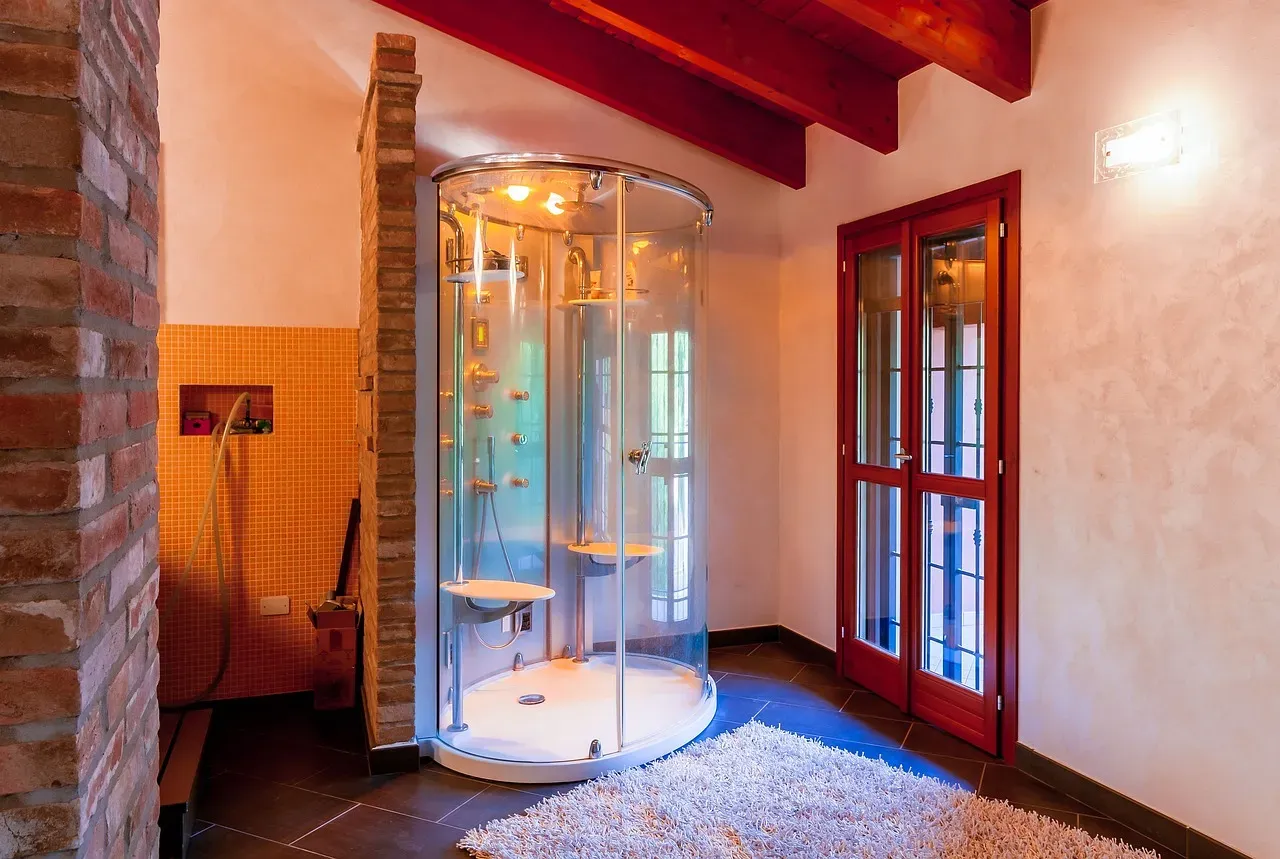
There’s a stubborn idea that using a shower chair signals decline. Retirees who are genuinely on top of their bathroom safety know that’s backwards thinking. Fatigue alone – on a morning after poor sleep, or when mildly dehydrated – significantly increases fall risk while standing on a wet surface. You don’t need a balance disorder to benefit from sitting down in the shower. You just need to be honest about the physics of a wet floor.
Shower chairs are adjustable, lightweight, and easy to transfer on and off. Occupational therapists and bathroom safety professionals consistently recommend them as part of a complete safety setup – not as a last resort, but as a proactive choice. The homeowners who dismiss shower chairs are often the same ones who end up needing them after a fall. Retirees who make the switch before a crisis don’t wait for reality to force the decision. They make it on their own terms.
#4 – They Switch to a Handheld Showerhead
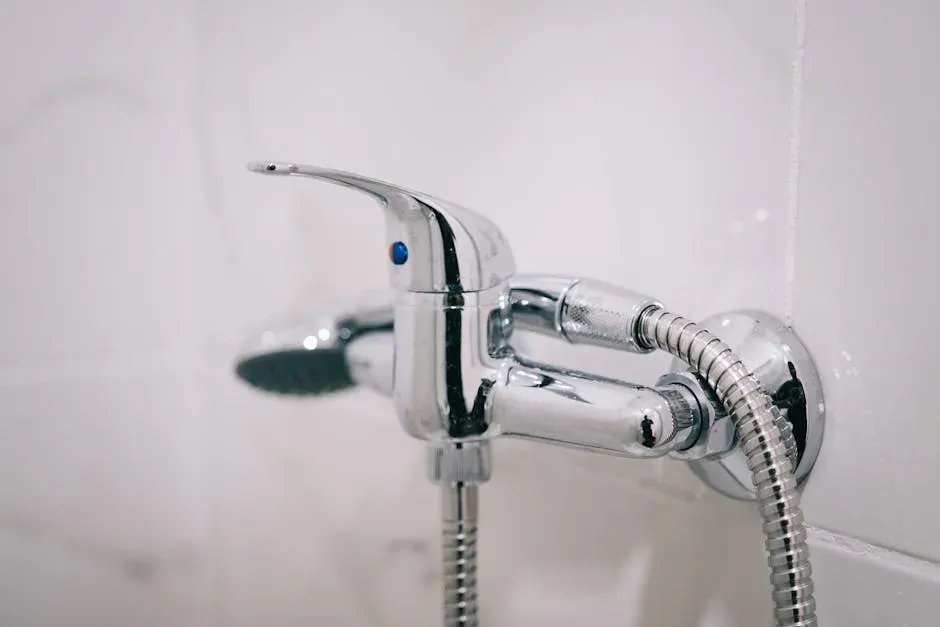
A fixed overhead showerhead forces your body to move around the water. For anyone with reduced flexibility, limited shoulder mobility, or balance concerns, that constant repositioning under a running shower is a series of small instabilities layered on top of each other. Every pivot, every twist, every reaching step is another opportunity to lose footing on a wet surface.
A handheld showerhead flips that dynamic entirely – you direct the water where it needs to go while staying planted in one spot. It’s also one of the most affordable bathroom safety upgrades available, typically $25 to $75, and installs in about ten minutes with a wrench. When paired with a shower chair, the combination covers almost every risk that comes from standing and moving in a wet enclosure. Occupational therapists recommend it consistently. Most homeowners skip it simply because they never thought to question the fixed showerhead they’ve always had.
#3 – They Have a Wearable or Waterproof Emergency Call System Ready
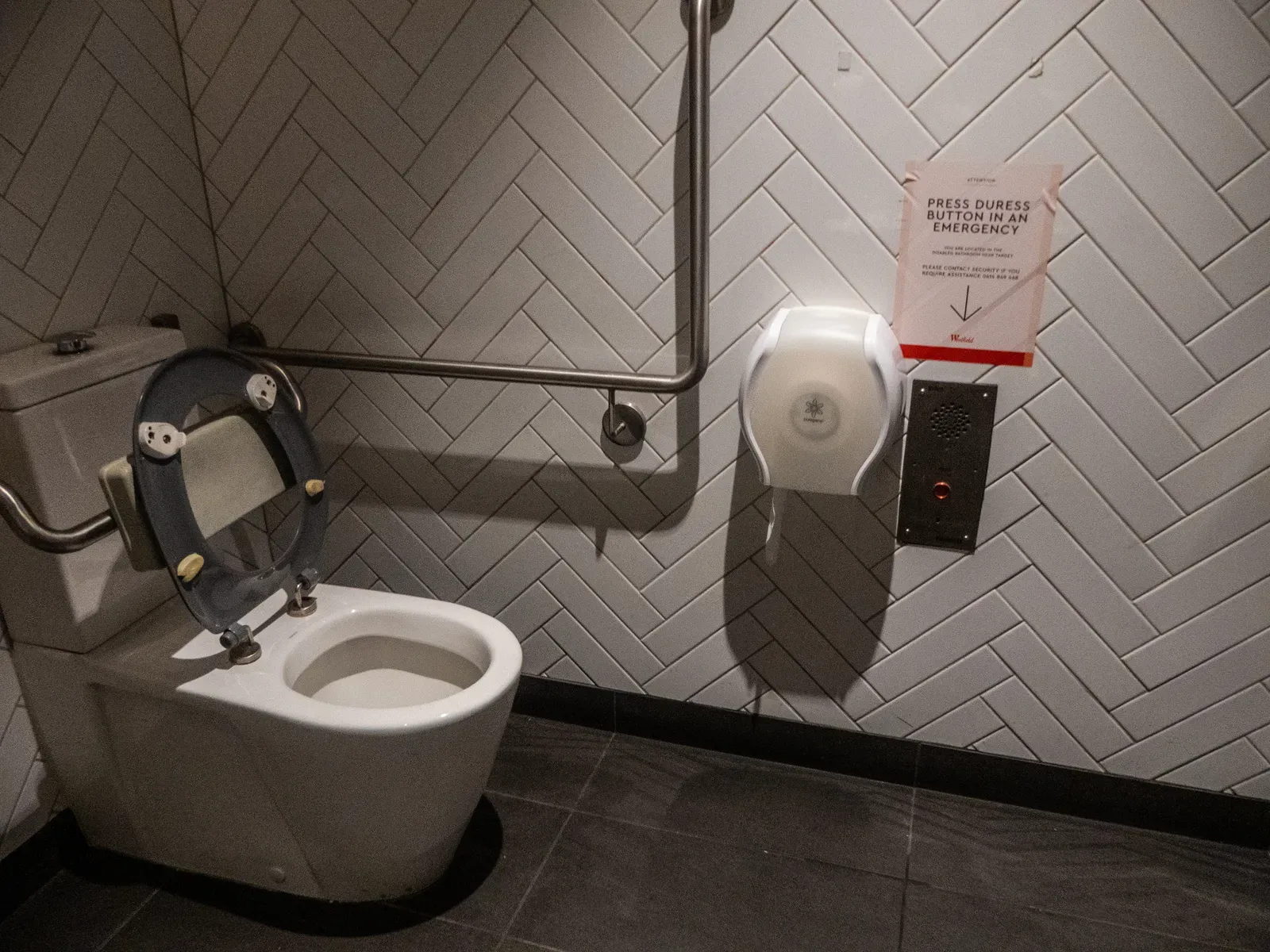
Here’s the scenario nobody wants to picture: a fall happens in the bathroom, the person can’t get up, and their phone is sitting on the nightstand in the bedroom. No one else is home. This isn’t a rare worst-case story – it’s a documented pattern. The CDC reports that 3 million older adults are treated in emergency departments each year for fall injuries. The fall itself is serious. Being unable to call for help turns it into something far worse.
Retirees who are genuinely safety-minded don’t rely on having their phone nearby in the shower. They wear a waterproof medical alert pendant or a smartwatch with fall detection, or they mount a waterproof emergency call button within reach of the shower and toilet. Modern alert systems are lightweight, increasingly affordable, and designed to work in wet environments. The habit of wearing one – or installing one – is what separates a bad fall from a catastrophic one. It’s the safety net that costs almost nothing and could matter more than everything else on this list combined.
Why It Stands Out: Emergency Alert Options
- Wearable medical alert pendant: Works anywhere in the home; most are waterproof and shower-safe
- Smartwatch with fall detection: Automatically calls for help even if the wearer is unconscious
- Wall-mounted waterproof call button: No wearable required – mounts near shower and toilet
- Voice-activated smart speakers: A lower-cost backup option, though not designed for emergencies
- The CDC reports 3 million older adults treated in ERs for fall injuries each year – response time after a fall matters as much as the fall itself
#2 – They Get Grab Bars Professionally Anchored Into Wall Studs
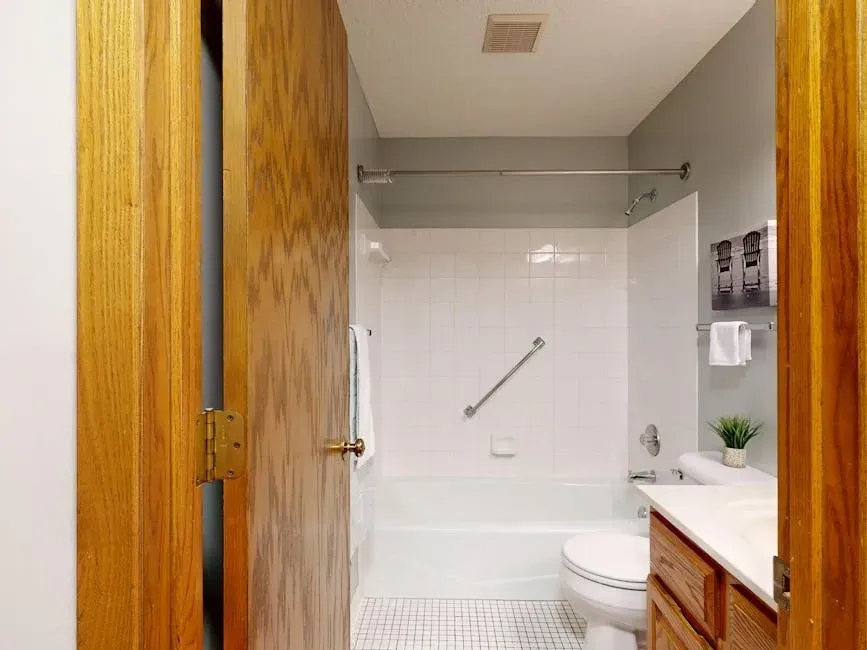
This one catches well-meaning homeowners all the time. They buy grab bars, install them with the included drywall anchors, feel satisfied with the job, and assume they’re done. The problem is that a standard drywall anchor can fail under the sudden, full load of a person catching their weight during a fall – which is exactly the moment you need it most. Grab bars anchored directly into wall studs can support up to 500 pounds. Drywall anchors cannot.
Retirees who know their stuff insist on stud anchoring, and many go a step further by having a Certified Aging-in-Place Specialist assess placement before anything goes into the wall. Grab bars should be mounted 33 to 36 inches from the floor for most adults – a height that works whether you’re standing or sitting. A 2025 systematic review confirmed that properly installed grab bars, alongside non-slip mats and railings, significantly reduce fall incidence. The grab bar is only as good as what it’s bolted into. Get it right the first time.
#1 – They Install a Zero-Threshold Shower Entry or Remove the Tub Step Entirely
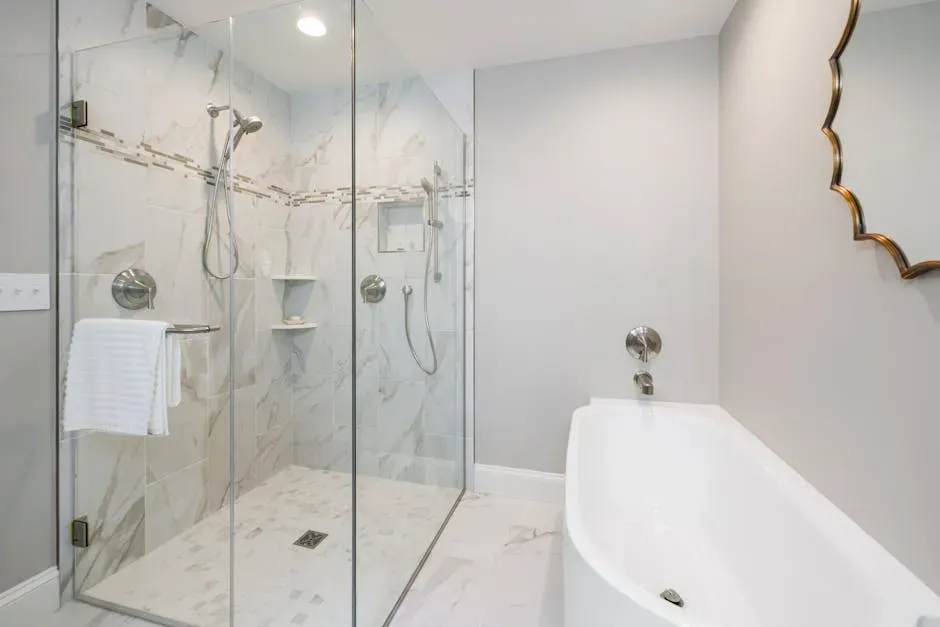
Of everything on this list, this is the one retirees say they wish they’d done first – before anything else, before any other upgrade. That small ledge at the edge of the bathtub or the lip at the base of the shower stall is easy to dismiss. You’ve stepped over it ten thousand times without incident. But statistically, it’s one of the most dangerous features in the American home. Over half of bathroom falls are connected to bath or toilet transfers, and 80% of those falls result in injuries ranging from mild to severe. That entry step is where so many of them begin.
A zero-threshold shower has no ledge or lip at all – the floor transitions flush from the bathroom to the shower, eliminating the trip point entirely. It’s the most significant structural change available for bathroom safety, and it’s not cheap. But a 2024 AARP survey found that 75% of Americans 50 and older want to remain in their own homes as they age – and zero-threshold entry is one of the most effective ways to make that possible long-term. Retirees who’ve made the switch consistently call it the single best investment they made in staying safe, independent, and home.
Every habit on this list points to the same truth: the retirees who avoid serious bathroom injuries didn’t wait for a wake-up call. They looked at the room honestly, made the changes, and moved on with their lives – quietly protected by decisions most homeowners haven’t made yet. The bathroom isn’t uniquely dangerous because it’s poorly designed. It’s dangerous because most of us assume it’s fine. Pick one item from this list that fits your bathroom right now and start there. The worst time to think about any of this is after a fall.