
Ask any Baby Boomer what summer felt like as a kid and watch their face change. There’s something in the eyes – a mix of pure warmth and quiet disbelief that the world they grew up in is completely gone. No GPS. No group chats. No scheduled enrichment activities. Just a screen door slamming behind you and the whole neighborhood waiting.
The gap between a 1960s summer and a 2020s summer isn’t just generational – it’s civilizational. Today’s kids have more safety, more access, more everything. But they’ve never had that. The specific feeling of a summer that belonged entirely to them, unsupervised and unhurried, from sunrise to streetlight. Some of what kids did back then sounds like a different planet. Some of it sounds like a dream. A few of it will genuinely make your jaw drop.
#26 – Chasing the DDT Fog Truck Down the Street
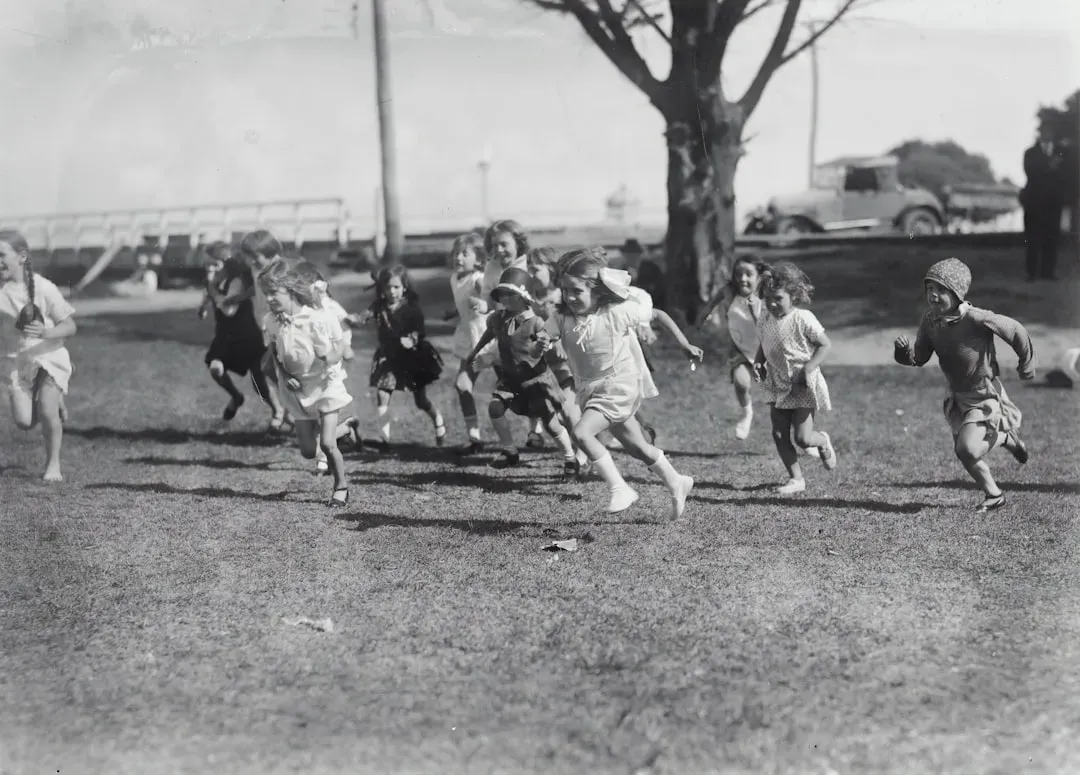
This one sounds made up. It isn’t. In neighborhoods across America, kids actually chased mosquito-fogging trucks for fun. These trucks rolled slowly through the streets, spraying thick clouds of DDT to kill mosquitoes, and children ran right into the mist like it was a feature of summer – not a hazard. The fog clung to your hair and clothes. Nobody worried. The truck was just part of July, like the ice cream man, only genuinely toxic.
The EPA banned DDT in 1972, largely because of its devastating effects on wildlife and its links to human health problems. The kids who sprinted through that haze didn’t know any of that. They just knew it felt like running through a cloud, which, at age eight, seemed like the coolest thing in the world. No parent called them inside. No warning was issued. They went back to whatever they were doing and forgot about it by dinner.
Fast Facts
- DDT was used widely in U.S. neighborhoods from the late 1940s through the early 1970s.
- The EPA banned DDT in 1972 after evidence of serious harm to wildlife and human health.
- Rachel Carson’s Silent Spring (1962) was a landmark catalyst for the eventual ban.
- Children ran through the fog openly, in full view of parents, with zero concern from adults.
- No protective gear, no warnings, no recalls – just summer in America.
#25 – Playing Lawn Darts – The Game That Was Basically Throwing Spears
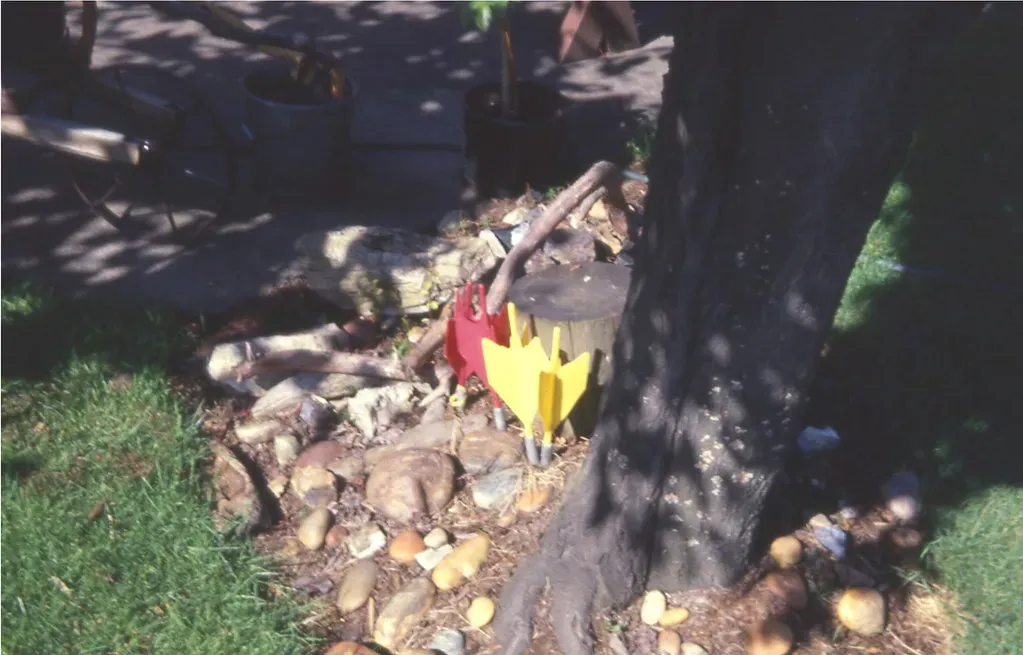
Backyard games were significantly sharper in the 1960s. Lawn Darts – sold under the brand name Jarts – were heavy metal spikes with plastic fins, designed to be hurled high into the air and land point-first into a plastic ring on the grass. The danger of handing children weighted, sharp projectiles seems obvious in hindsight. At the time, they were a cookout staple at reunions and lazy Sunday afternoons without a second thought.
The consequence of that casual attitude was severe. From 1978 to 1986, over 6,100 lawn dart injuries were treated in emergency rooms. The U.S. finally banned them in 1988, after a seven-year-old girl was killed by a stray dart. For 1960s kids, Jarts were just a summer afternoon. For today’s kids, they exist only in disbelief and history books.
#24 – Drinking Straight From the Garden Hose
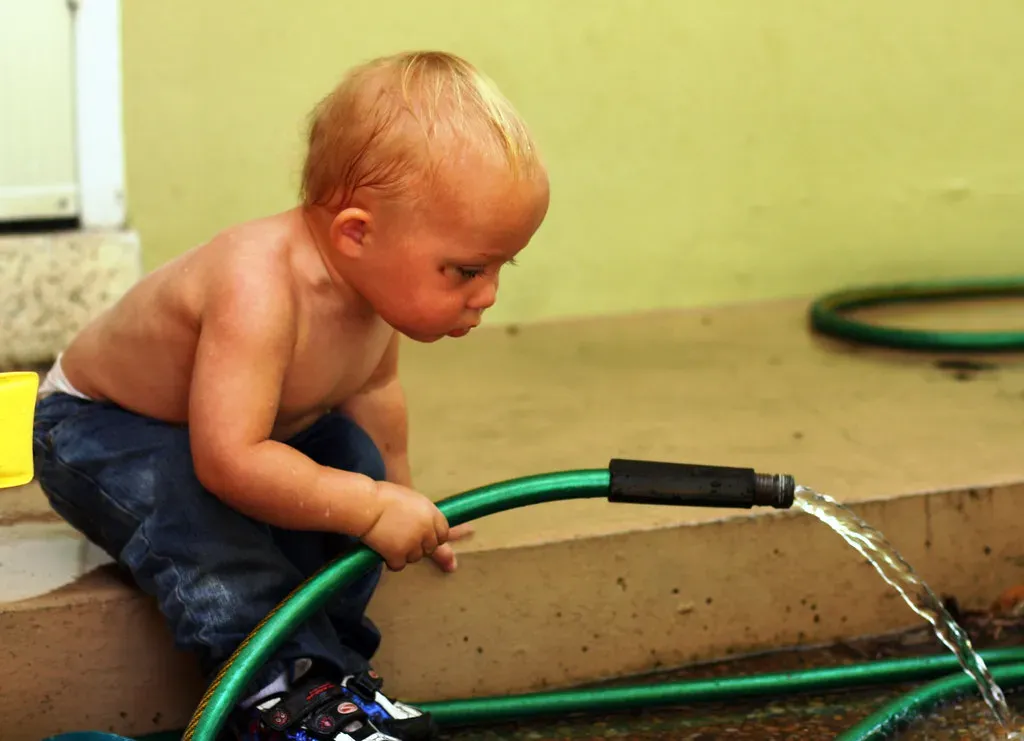
Nobody carried water bottles. If you were thirsty during an afternoon of running around outside, you found the nearest garden hose, cranked the spigot, and drank. The water was warm and tasted vaguely of rubber and sun-baked plastic. You wiped your mouth on your arm and kept going. Nobody handed you a filtered bottle. Nobody asked if you were staying hydrated.
Before bottled water became a multi-billion-dollar industry, the backyard hose was the hydration station of choice for every kid in America. The FDA didn’t even regulate sunscreen until 1978 – consumer safety for children was a very different conversation back then. Today, parents pack insulated stainless steel bottles with filtered water for a trip to the park. Kids today genuinely don’t understand why anyone would drink from a hose. To a 1960s kid, the question would make no sense at all.
#23 – Riding in the Back of a Pickup Truck
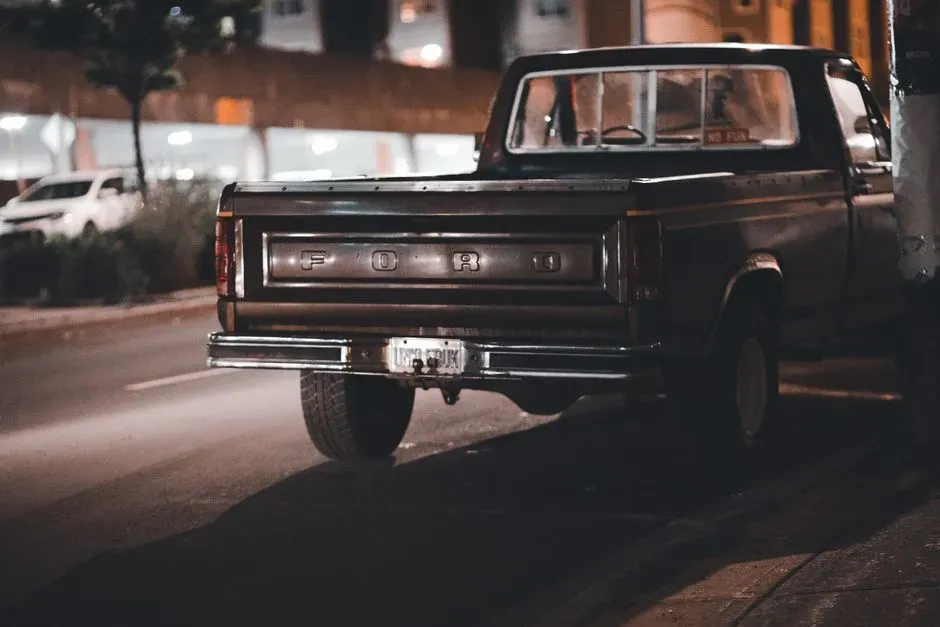
Piling into the bed of a pickup for a ride to the fair, the ballpark, or just across town was completely normal. No seat belts. No railings. Just kids holding on to the sides, legs dangling off the tailgate, watching the road disappear behind them. Wind in your face, bugs in your teeth, the smell of summer air moving fast – for a 1960s kid, this was as good as it got.
Car safety in the 1960s was practically nonexistent by modern standards. Seat belts were often optional extras, and children slid freely across vinyl bench seats at every turn. Federal law now prohibits children from riding unrestrained in truck beds in most states. The whole concept is alien to kids today, who’ve never felt anything except a buckled seat and a child-locked door. The pickup bed ride was freedom in its most literal, wind-whipped form.
#22 – Running Through the Open Fire Hydrant
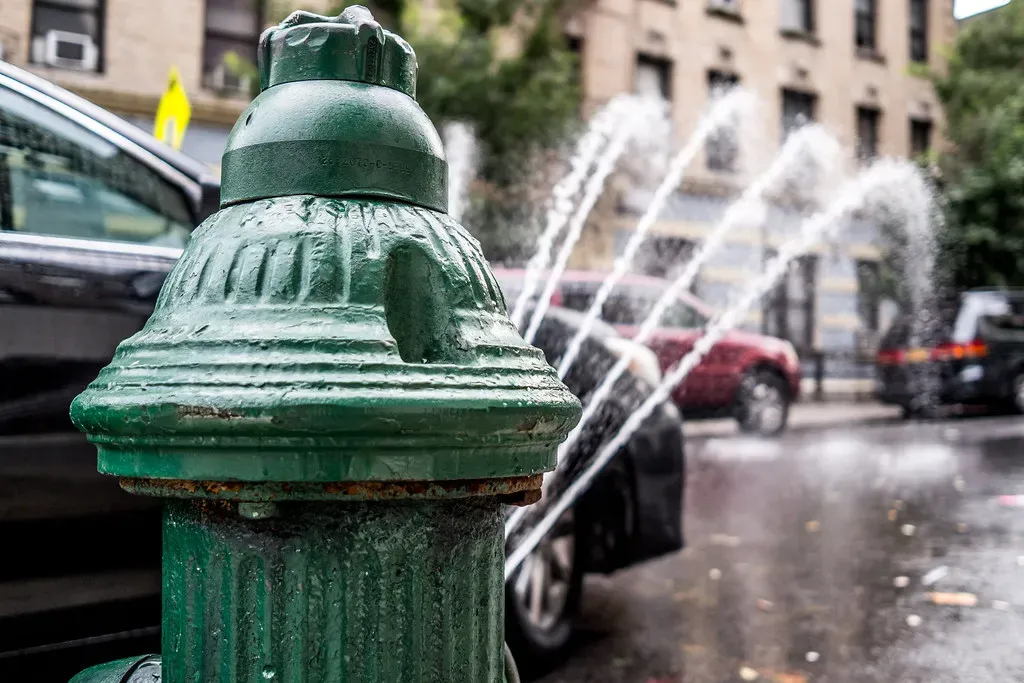
When the heat index climbed and nobody had a pool, the fire hydrant was the great equalizer. Someone would get the wrench or find an adult willing to open it, and suddenly a wall of cold water was shooting across the street. City kids in New York, Chicago, and Philadelphia knew this ritual intimately – it was the unofficial public pool of the working-class neighborhood, free and chaotic and completely unplanned.
A fully opened hydrant can release up to 1,000 gallons of water per minute, which meant the spray could knock a small kid clean off their feet – and did, regularly, to everyone’s screaming delight. Today, most cities have strict ordinances against opening hydrants without a permit, and specialized spray caps have replaced the tradition in most places. It was cold, it was loud, it was absolutely glorious, and no child today will ever stumble into it by accident on a Tuesday afternoon.
#21 – Spending a Full Day at the Beach With Zero Sunscreen

A summer tan used to be a point of pride. Kids spent entire days at the beach without a drop of sun protection. The only thing in the beach bag might be a bottle of coconut-scented tanning oil, which made sunburns considerably worse. Parents didn’t pack SPF 50. They didn’t pack anything. You went to the beach, turned the color of a boiled lobster, came home peeling, and went back the next day.
Skin cancer wasn’t in the cultural conversation, and SPF numbers weren’t something anyone memorized. The FDA didn’t even regulate sunscreen as a drug product until 1978. Before that, the concept of applying sun protection to a child simply wasn’t part of the parenting playbook. Today, sending a child to the beach without sunscreen would earn serious judgment and possibly a pediatrician’s concern. In 1965, it was just a Tuesday at the shore.
#20 – Playing Marbles for Keeps – and Losing Your Best One

Back in the 1960s, marbles were serious business. You’d draw a chalk circle on the driveway, kneel in the dirt, and shoot your best marble – your prized cat’s-eye – trying to knock the other kid’s collection out of the ring. Playing “for keeps” meant exactly what it sounds like: the winner took the loser’s marbles home. No refunds. No do-overs. Real stakes on hot pavement every single afternoon.
Losing your favorite shooter to the kid down the block was a genuine heartbreak, the kind that lasted days. Some kids had elaborate collections built over entire summers. No parent intervened. No one called it gambling. It was just marbles – played everywhere, by everyone – and then one decade it quietly vanished from every driveway in America without anyone quite noticing it was gone.
At a Glance: The Lost Backyard Games of the 1960s
- Marbles (for keeps): Real stakes, real losses, no adult intervention.
- Lawn Darts (Jarts): Metal spikes hurled skyward – banned in 1988 after fatalities.
- Red Rover: Full-speed collision game, now restricted at most U.S. schools.
- Stickball: Played in the street with a broom handle and a tennis ball.
- Hopscotch & jump rope: Free, unstructured, organized by the kids themselves.
#19 – Spending the Whole Day at the Free City Parks Program
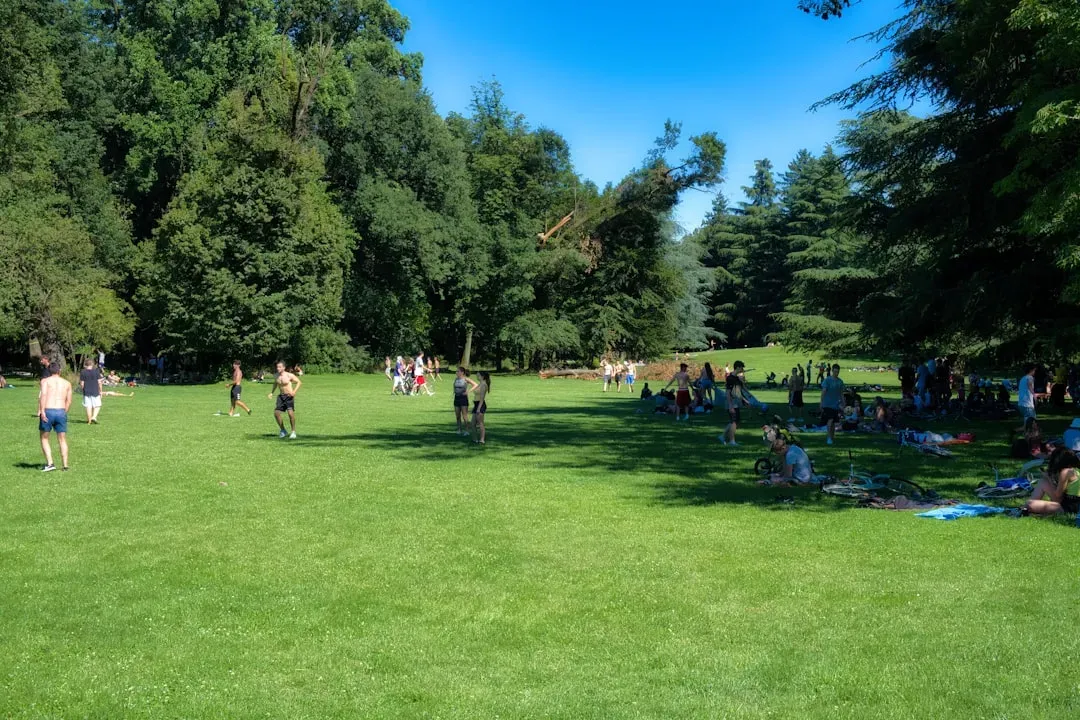
Every summer morning, a kid would show up at the neighborhood park and wait for the supervisor to unlock the door. The Parks Program was a genuine civic institution in most American towns – publicly funded, completely free, and staffed by college students running crafts, sports, and games from morning until late afternoon. No registration. No fee. You just showed up, and summer happened.
You came home with a plaster of paris mold painted in four colors, and your mother said she loved it and quietly wondered what she was going to do with another one. By fall it would be gone, but a new craft would arrive next summer to take its place. Today’s summer programming is largely private, pre-registered weeks in advance, and priced out of reach for many families. The idea of a free, drop-in public summer program that every neighborhood kid just used – no questions asked – is almost unrecognizable now.
#18 – Watching Saturday Morning Cartoons as the One Weekly TV Window
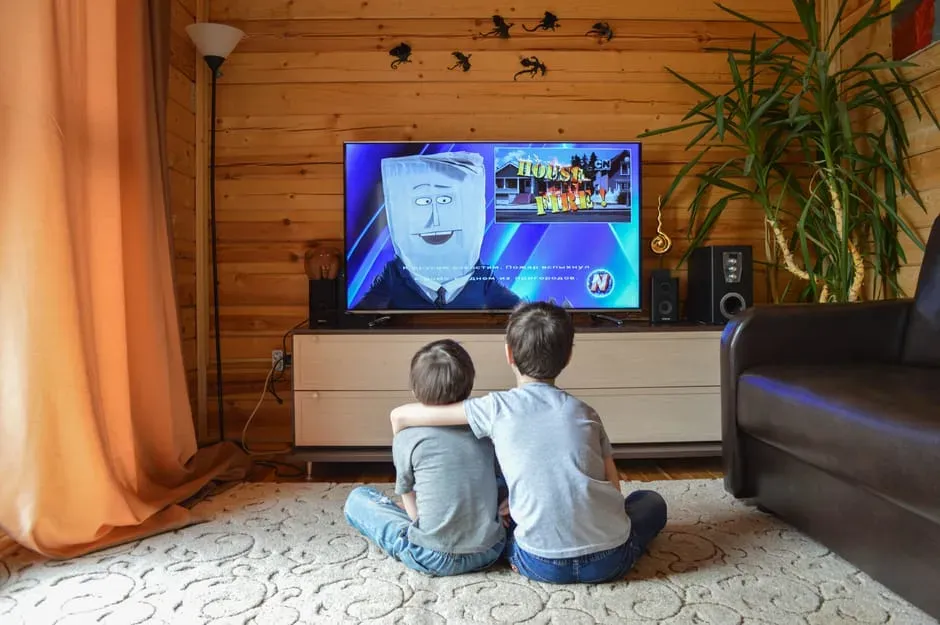
Kids in the 1960s didn’t have access to much television – Saturday morning cartoons and the occasional Sunday night special were the designated windows, and that was it. Saturday morning was sacred. You woke up early for it, planted yourself in front of the set in your pajamas, and watched until the programming stopped. Then you went outside. The TV had nothing else to offer you, and you knew it.
There was no on-demand viewing, no streaming library, no algorithm suggesting what to watch next. If you missed your show, you missed it – period, forever, with no catch-up option. The scarcity of television actually drove kids outside by necessity. A modern child has access to essentially unlimited content on a screen in their pocket at any moment of any day. The idea that TV was a weekly, finite event you planned your morning around and then walked away from is completely alien to anyone born after 1990.
#17 – Playing Red Rover Until Someone Actually Cried
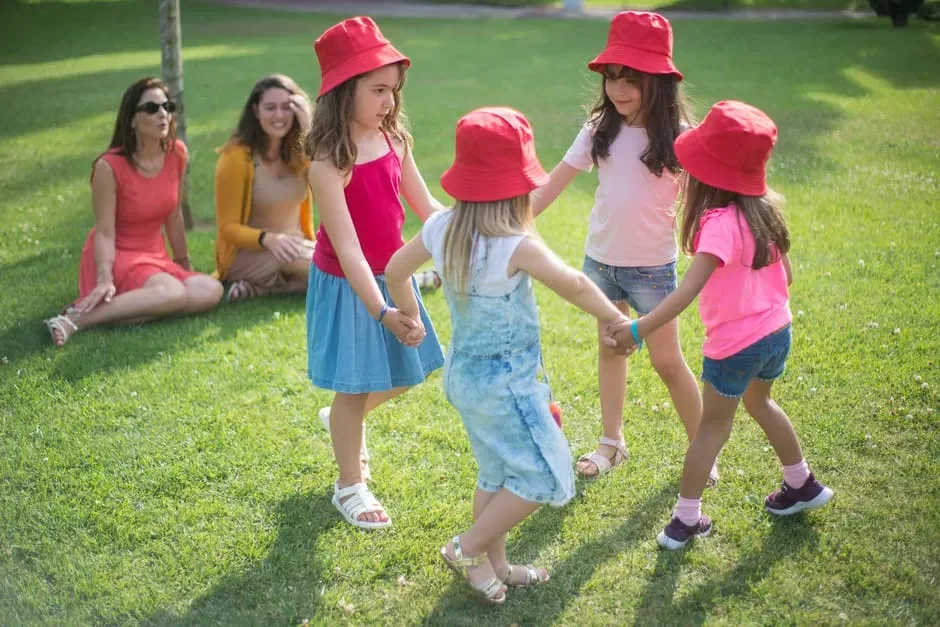
Two teams faced each other across a field, joined hands as tight as they could, and took turns calling a player from the other side to come running full speed and try to break through. You picked your target carefully – whoever had the weakest grip. Then you ran at them with everything you had. If you broke through, you went back to your team with a captive. If you didn’t, you joined theirs. It was honest, brutal, and absolutely beloved.
The amount of physical contact involved practically guarantees it would be banned from any modern school playground – and it has been. Red Rover is now prohibited or heavily restricted at most American schools due to injury liability. Kids genuinely ran full speed into a human chain of clasped hands. Shoulders got wrenched. People fell. Nobody called a lawyer. It was just Red Rover, played on every block every summer afternoon, and then one day it was gone.
#16 – Clamping on Metal Roller Skates With a Key
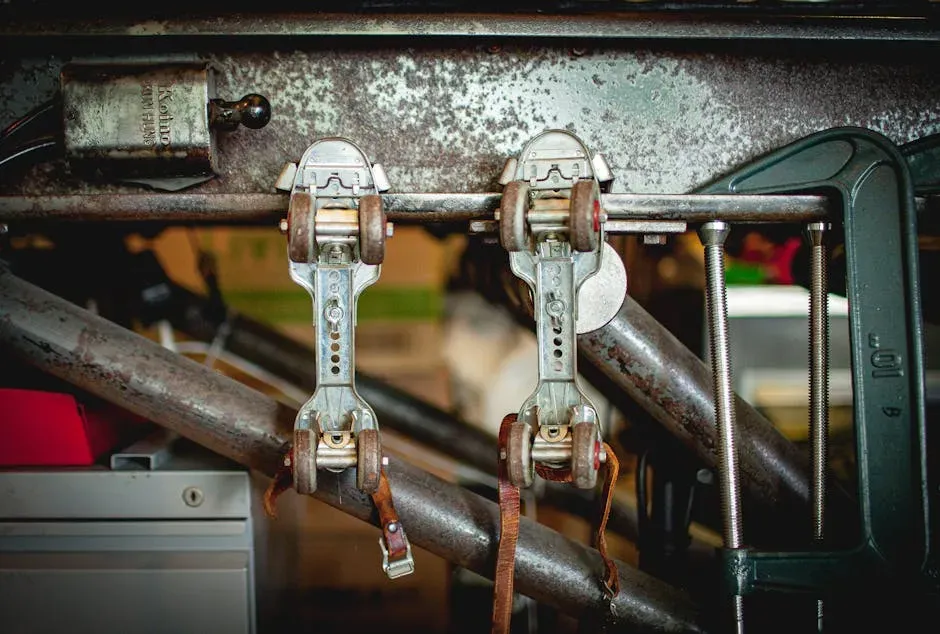
These weren’t padded boots with wheels. They were heavy metal platforms that bolted directly to the soles of your regular shoes using a small metal key. If you lost the key – and you always risked losing the key – your skating career was suspended until someone found it, which is why every serious skater wore the key on a string around their neck like a talisman.
The skates had no ankle support, no brakes, and no padding of any kind. You needed leather-soled shoes for them to grip properly, and the wheels were metal on concrete. No helmets. No wrist guards. Just momentum and whatever instincts a nine-year-old had developed. Kids today who’ve never seen a pair in real life tend to assume they’re some kind of antique restraint device. To a 1960s kid, they were the coolest thing you owned.
#15 – Going Door to Door to Recruit Kids for a Sandlot Game

Before group chats, before apps, before any of it, organizing a neighborhood baseball game meant walking up to front doors and knocking. You asked if Tommy could play. Then you went to the next house, and the next. Within an hour – if you put in the work – you had enough kids for two teams and a game. The social network was entirely physical, entirely local, and entirely dependent on who answered the door that afternoon.
The bases were whatever you could find: a flattened cardboard box for first, a garbage can lid for second, a shirt someone pulled off for third. No adult organized the teams. No adult refereed the calls. Arguments got settled by the kids themselves, sometimes loudly, always eventually. Today’s children have apps to schedule playdates two weeks in advance. The idea of walking the block until you had a quorum is as foreign as the metal skate key.
#14 – Staying Out Until the Streetlights Came On
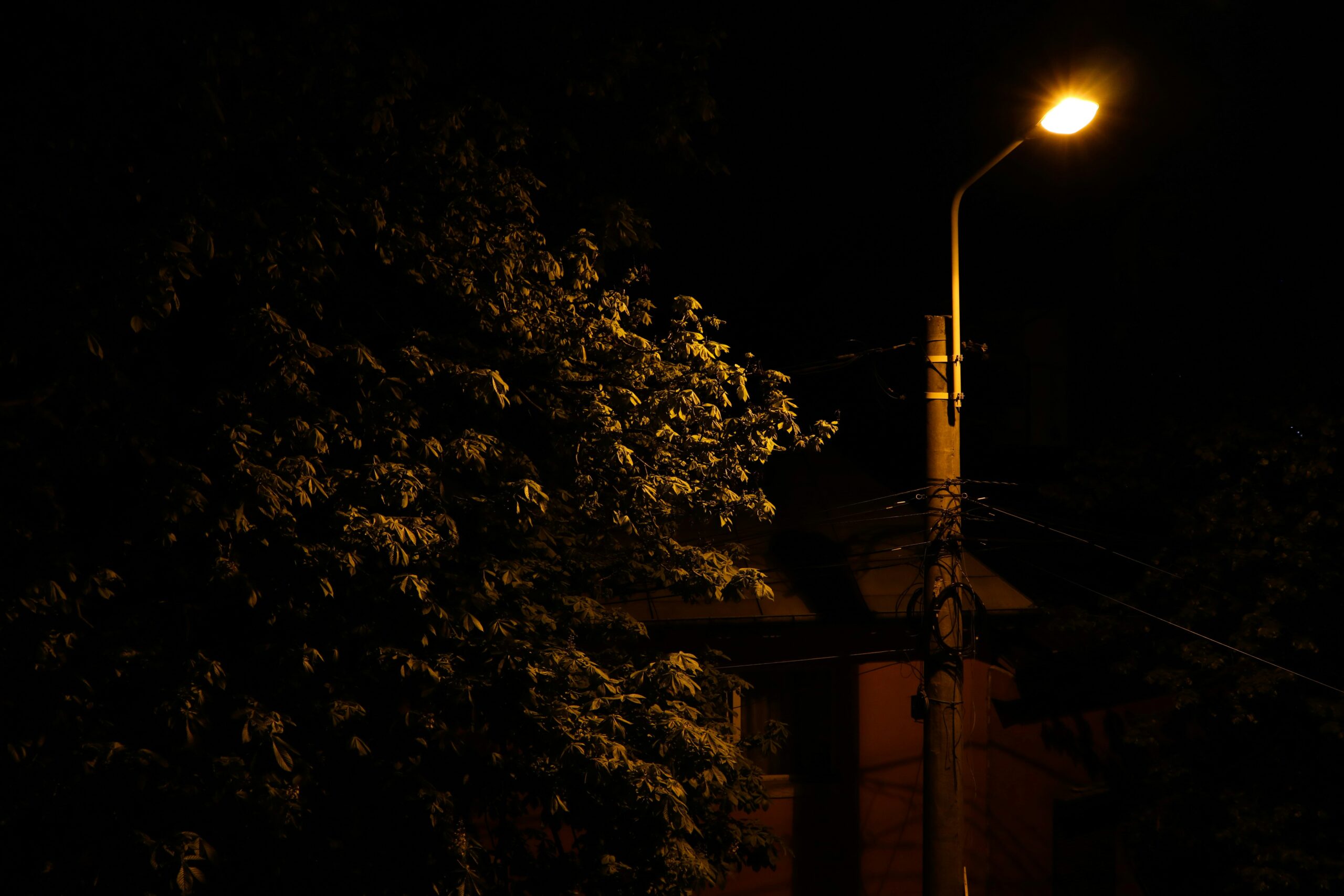
This was the universal rule of 1960s childhood, recognized in every neighborhood in America regardless of income, region, or background. The streetlight was the curfew, the clock, and the warning system all at once. No phone call. No text. The light flickered on, and you ran. Every kid knew it. Every parent trusted it. The system worked on nothing more than shared understanding.
Parents didn’t track locations or send check-in messages. Entire afternoons unfolded without an adult anywhere nearby. Today, research from child development experts suggests the average American child spends less than seven minutes per day in unstructured outdoor play. The streetlight rule required a level of trust in both children and community that has quietly, steadily eroded over six decades. The streetlight still comes on every evening. The kids just aren’t out there to see it.
Worth Knowing: How Childhood Freedom Has Shifted
- The American Academy of Pediatrics now formally recommends restoring unstructured play time as a developmental priority.
- Studies suggest today’s children average fewer than 7 minutes of unstructured outdoor play per day.
- In the 1960s, most children played outside for hours daily with no adult supervision.
- “Free-range” parenting – once just called parenting – is now a legally contested term in several U.S. states.
#13 – Riding Your Schwinn Stingray No-Handed, No Helmet, Nowhere to Be
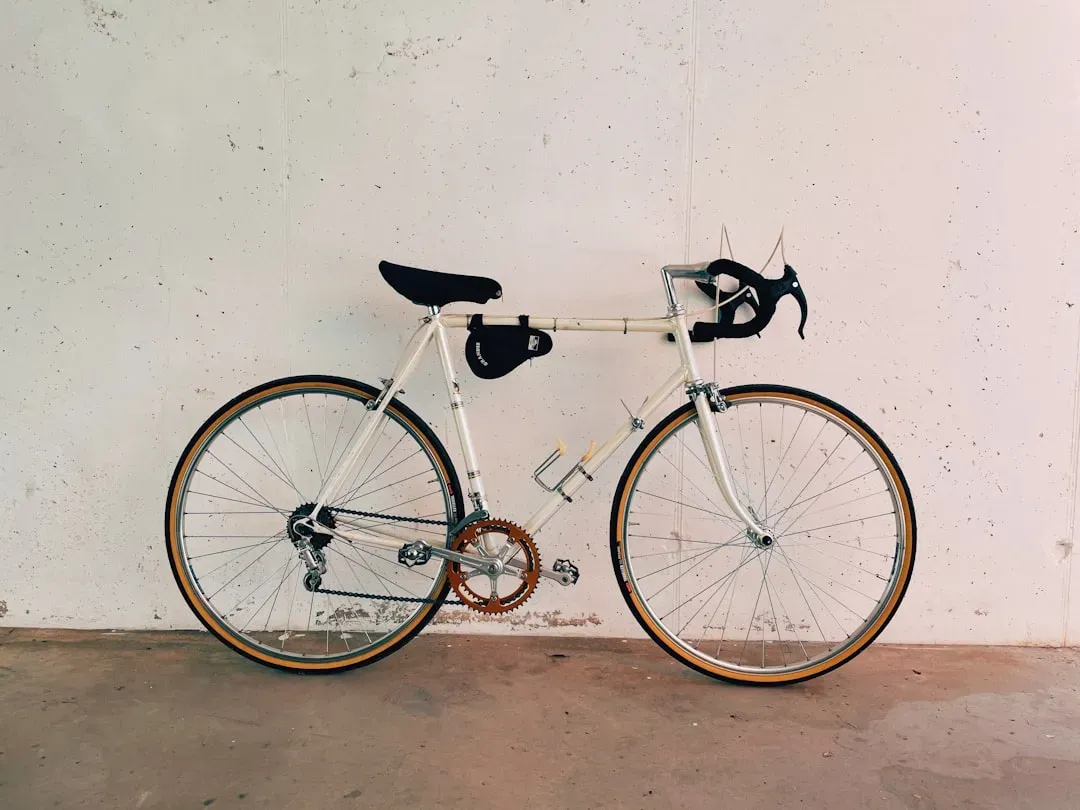
The Schwinn Stingray – banana seat, high-rise handlebars, sissy bar, and baseball cards clipped to the spokes with clothespins for that satisfying motor sound – was the defining object of 1960s kid culture. It wasn’t really a transportation device. It was a personality. Boys and girls customized them with streamers and reflectors and rode them everywhere, bareheaded and fast, with no particular destination in mind.
Bicycle helmets weren’t widely recommended for children until the late 1980s and didn’t become standard until the 1990s. In 1965, no child in America wore a helmet on a bike. Their parents hadn’t. Their grandparents hadn’t. Riding fast and helmetless wasn’t reckless – it was just riding a bike. Today it’s illegal for young children in many states. The Stingray itself sits in museums and garages now, a relic of the last era when a bicycle felt genuinely like freedom.
#12 – Playing Hide-and-Seek at Night Across the Whole Neighborhood

Daytime hide-and-seek was fine. Nighttime hide-and-seek was something else entirely. The whole block became a maze of deep shadows, hedges, parked cars, back porches, and basement window wells that every kid knew by heart in the dark. The streetlights carved pools of orange light between long stretches of black, and you pressed yourself into the darkness and held your breath and waited.
No adults organized this. No parents stood on porches supervising. A group of eight-year-olds scattered across an entire city block after dark, navigating entirely on their own, and found their way home when the game ended. The social trust embedded in that kind of freedom – trust between neighbors, between parents, between kids – has been fundamentally altered. Most parents today would not permit a child to play hide-and-seek outside after dark regardless of the neighborhood, and that says everything about how much has changed.
#11 – Spending All Day at a Public Pool for a Dime
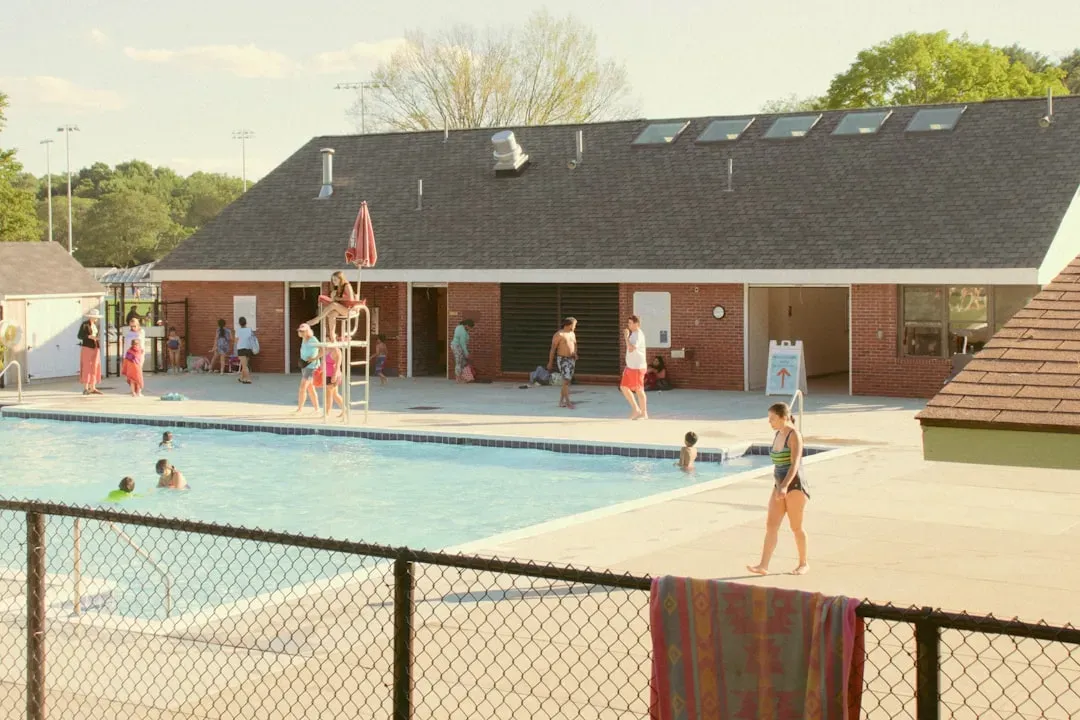
Public pools in the 1960s were the center of summer social life for millions of American kids who didn’t have backyard pools. Admission was pennies. You could stay from open to close. Lifeguards watched the water while kids ran the pool deck, played Marco Polo until their voices gave out, and staged cannonball competitions off the diving board all afternoon. It was loud, chaotic, and completely accessible to anyone.
Thousands of those public pools have since closed, casualties of funding cuts and shifting priorities between 1970 and 2000. The ones that remain often require advance registration, cost significantly more, and operate on restricted hours. The generation that grew up in them can still hear the specific echo of tile-walled chaos – the shouts, the splash, the PA system calling a swimmer’s name. That particular summer institution, free and open and full of everyone, is largely gone.
#10 – Listening to a Transistor Radio Like It Was Actually Magic
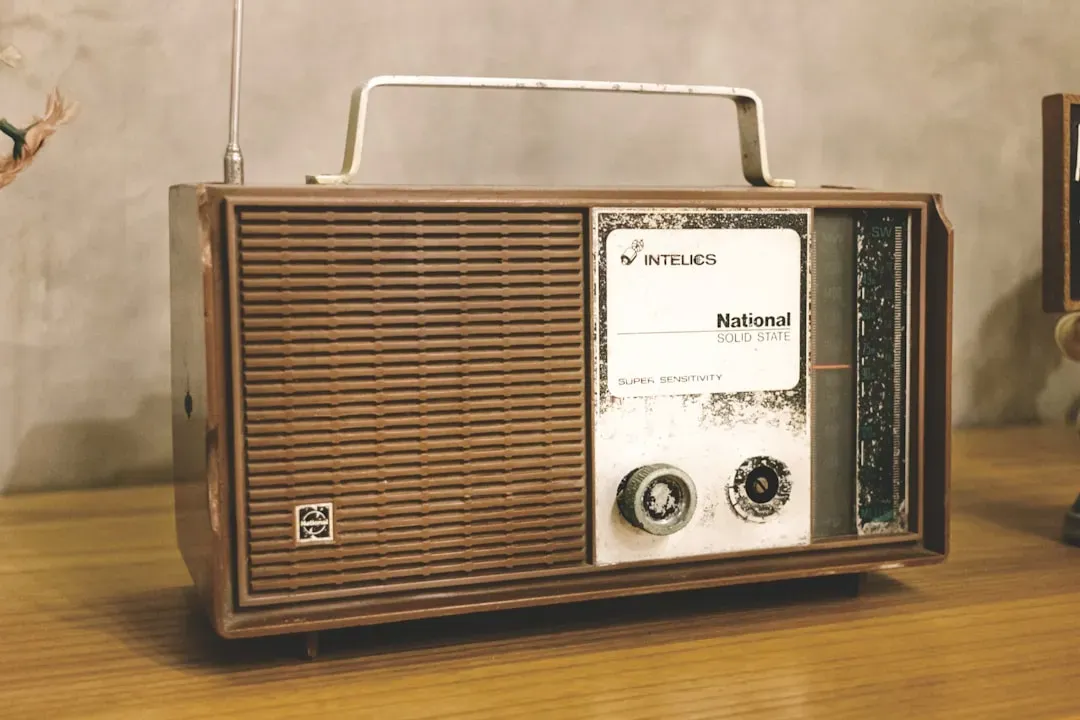
The transistor radio was the first truly personal technology – small enough to hold in one hand, battery-powered, capable of pulling Top 40 stations from dozens of miles away on a clear summer night. Kids carried them to the pool, to the park, to the sandlot. The sound quality was genuinely terrible by any modern standard: tinny, buzzy, prone to collapsing into static when a cloud moved wrong. None of that mattered.
Hearing a song you loved crackling out of a two-inch speaker felt like a miracle, because the alternative was silence. There was no playlist, no algorithm, no skip button. You waited for your song, and when the DJ finally played it, you turned the volume up and held the radio a little tighter. The experience of waiting for music – of being genuinely surprised by what came on next – is something no child growing up with Spotify will ever quite know.
Radio is the theater of the mind; television is the theater of the mindless.
Steve Allen
#9 – Going to the Drive-In Theater as the Family’s Summer Ritual
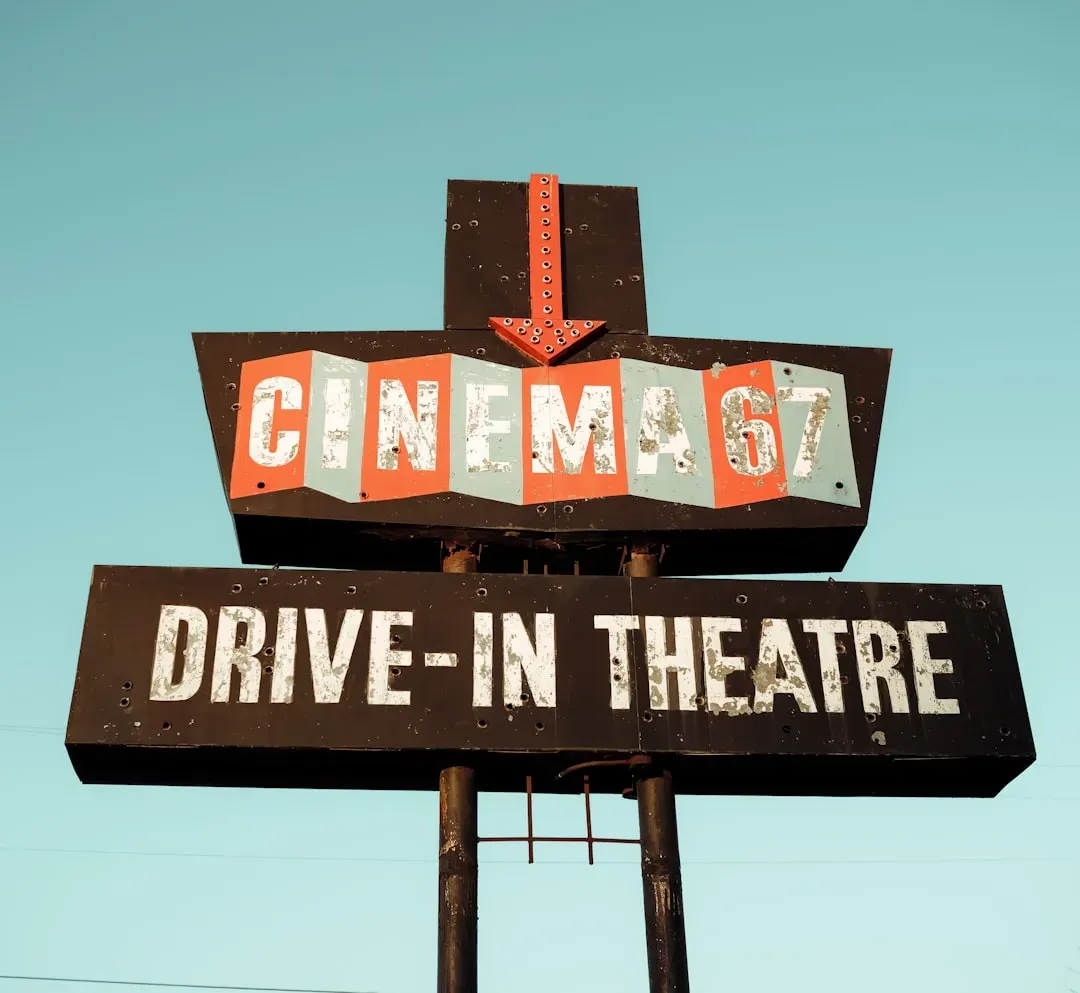
By the early 1960s, nearly 4,000 drive-in cinemas operated across America. Families loaded into the station wagon after dinner – kids already in pajamas, pillows and blankets piled in the back – and pulled into a gravel lot facing an enormous outdoor screen. The tinny metal speaker hooked onto the car window. The concession stand sold hot dogs and popcorn. Below the screen, many drive-ins had built swing sets for children who lost interest in the movie.
You could scamper below projected images so tall they were hard to decipher up close, hearing the muffled dialogue echoing from a thousand speakers across the lot. By the 1980s, most of those 4,000 drive-ins had closed. Fewer than 300 remain in the entire country today. The drive-in wasn’t just a cheaper way to see a movie – it was a specific, unrepeatable American summer experience that smelled like bug spray and popcorn and warm night air.
Quick Compare: Drive-In Theater Then vs. Now
- 1960s peak: Nearly 4,000 drive-ins operating across the U.S.
- Today: Fewer than 300 remain nationwide.
- Ticket price then: About $1 per car for a double feature.
- Experience: Metal window speaker, swing sets under the screen, kids in pajamas in the back seat.
- What replaced it: Streaming at home – alone, on a device, in silence.
#8 – Walking to the Corner Store Alone at Seven Years Old to Buy Penny Candy
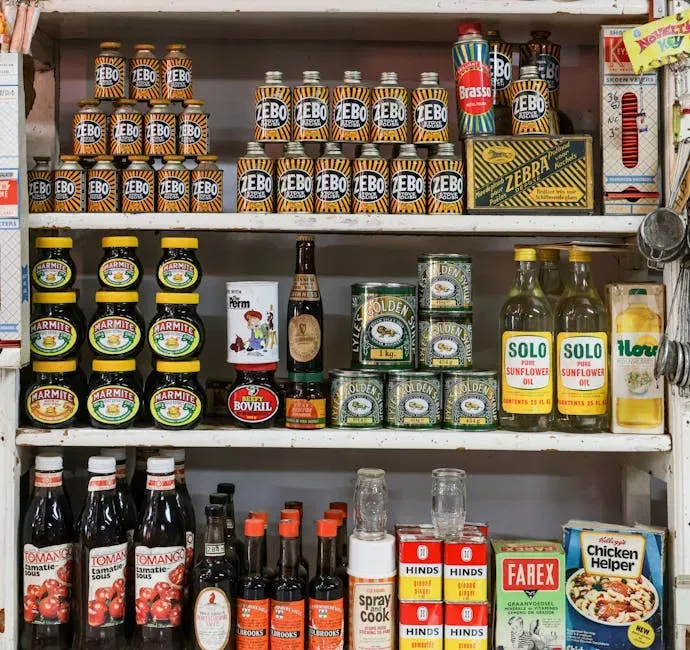
At seven or eight years old, a 1960s kid would walk to the corner store by themselves, clutching a handful of coins, and spend twenty deliberate minutes deciding how to spend fifteen cents. Wax bottles filled with colored sugar water. Candy cigarettes. Root beer barrels. Sugar Daddies. The selection was enormous and the decision was entirely theirs. No parent came along. The walk was theirs. The choice was theirs. The candy was theirs.
That walk to the store – crossing streets, navigating the neighborhood, making a real transaction – was a small act of independence that accumulated over hundreds of summer days into something larger: the confidence that you could move through the world on your own. The idea of a seven-year-old making that walk alone is unthinkable to most American parents today. The anxiety that replaced it isn’t irrational. But something real was lost when the walk ended.
#7 – Playing Stickball in the Street and Pausing for Cars
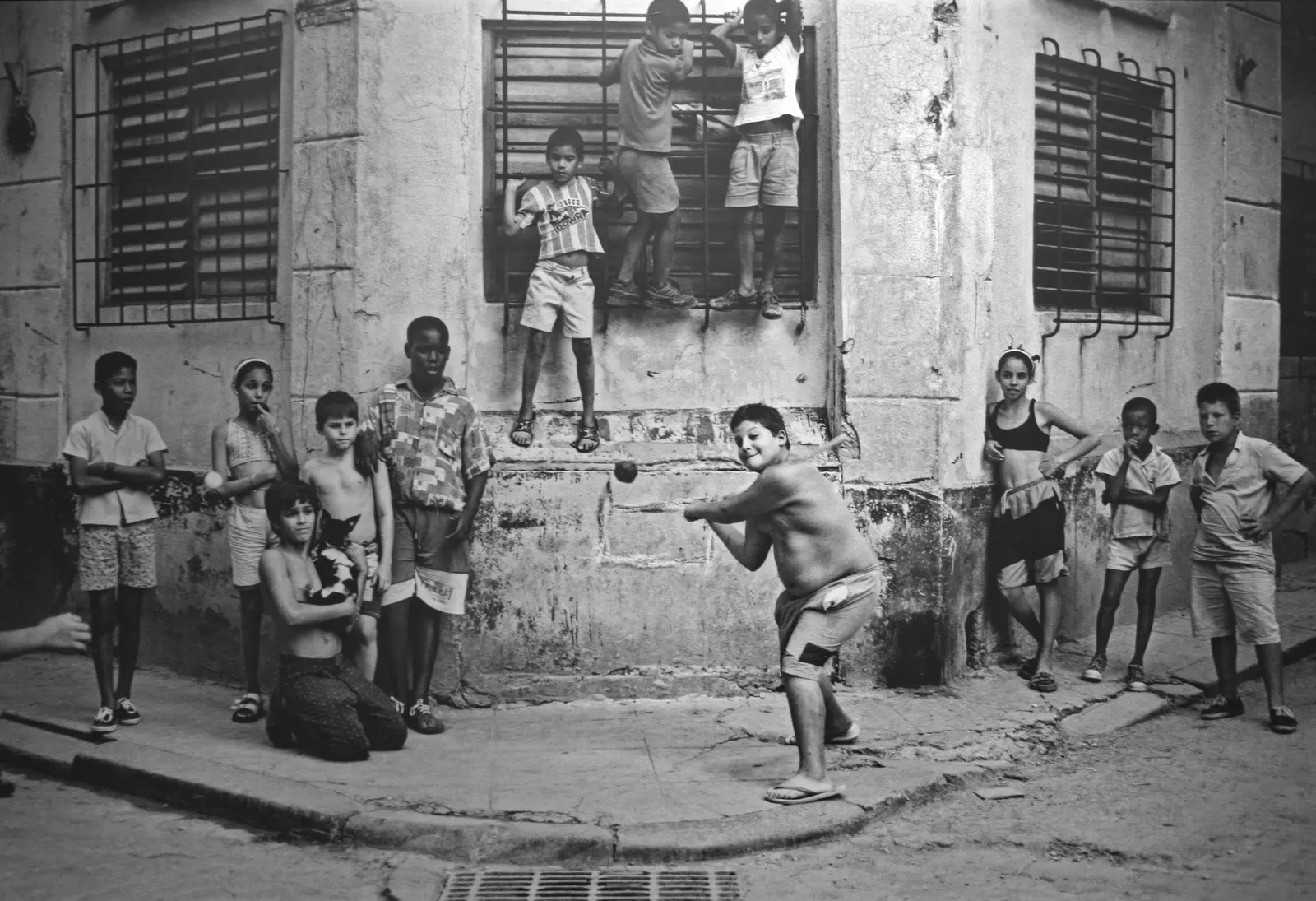
Before organized sports leagues took over the calendar, the street was the arena. Kids played stickball with broom handles and tennis balls, turned sewer grates into bases, and shouted calls across intersections. When a car came through, you stepped to the curb, let it pass, and picked up exactly where you left off. The street wasn’t a danger zone – it was the field. The car was the interruption.
Traffic volume on residential streets has increased dramatically since the 1960s, and cultural attitudes toward children playing in the street have shifted completely. The street as a children’s play space has been surrendered – gradually at first, then entirely. Today’s kids don’t consider the street as an option. They’ve never had to. The asphalt belongs to the cars now, and everyone has quietly accepted it.
#6 – Building a Soapbox Racer From Scratch and Sending It Downhill
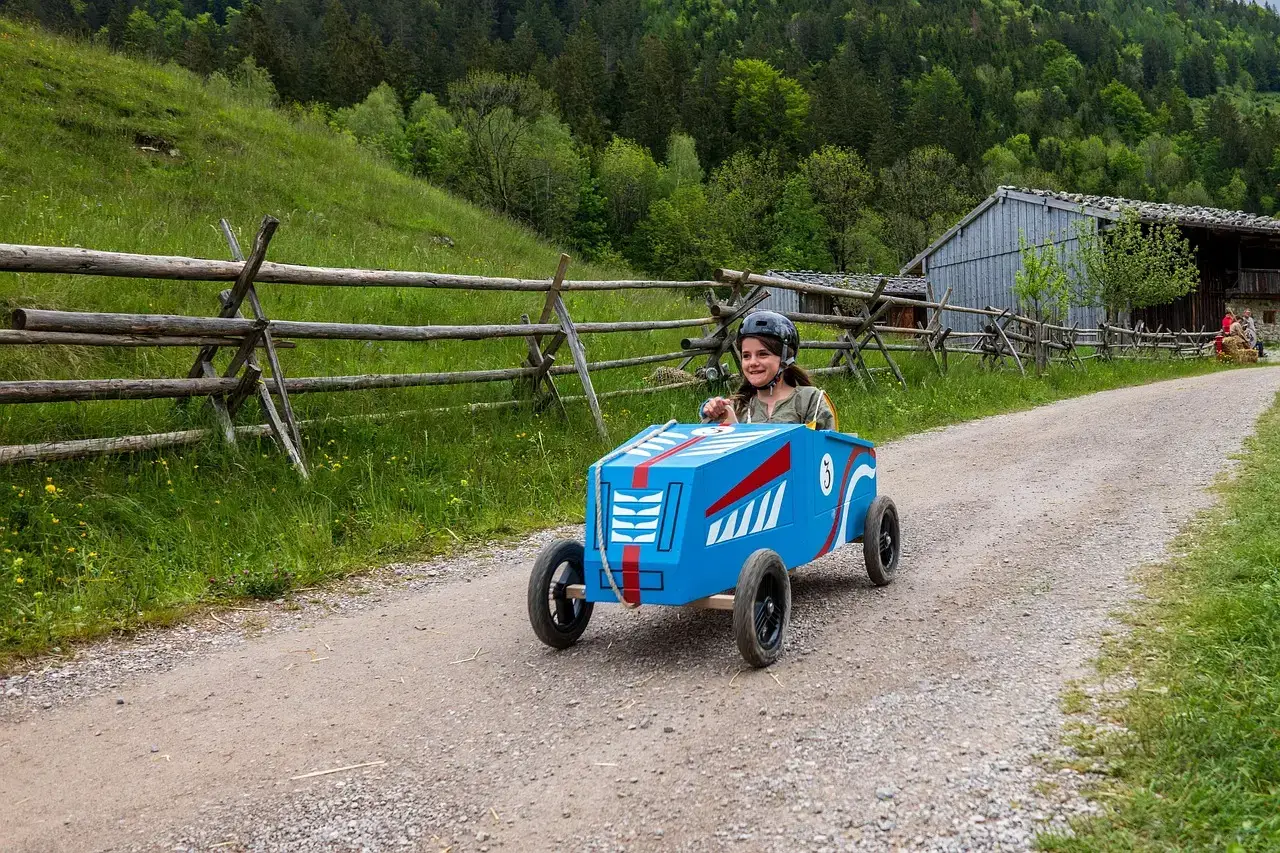
You built it from whatever was available: orange crates, old wagon wheels, leftover lumber from someone’s garage, a rope looped through a hole in the front for steering. There were no instructions, no kits, no adult supervising the construction. You hammered it together, argued about whether it looked right, and then pushed it to the top of the steepest hill anyone could find in the neighborhood.
If it held together going down, that was success. If it didn’t – if a wheel came off or the steering rope snapped – that was also a lesson, delivered at speed and remembered forever. The self-directed building of genuinely dangerous things, and then riding those things down hills with no safety equipment, represents an entire category of childhood experience that has quietly ceased to exist. Today’s soapbox derby events are organized, helmeted, and inspected. The backyard version – chaotic, brilliant, and slightly terrifying – is gone.
#5 – Hearing the Ice Cream Truck Jingle From Three Blocks Away

The Good Humor man ran a tight schedule, stopping at the same corners at the same times each day. Everyone knew when to start listening. You’d catch the first faint tinkle in the distance and immediately start calculating – where is he now, which block is he on, how long until he gets here – while simultaneously locating your coins and sprinting toward the sound. By 1960, each truck carried more than 85 treats, including Banana Split bars and Creamsicles and things you’d never find in a grocery store.
In 1978, Good Humor retired its entire fleet of neighborhood trucks and shifted to supermarket freezer cases. The daily route – that clockwork arrival, that quarter in your sweaty hand, that specific ritual of standing on the curb deciding – ended with it. Ice cream trucks still exist, but the certainty of the Good Humor man on his schedule, appearing at your corner like a promise kept, is gone. Kids today get ice cream from a freezer aisle. It tastes the same. It isn’t the same.
Fast Facts: The Good Humor Truck
- Good Humor launched its first fleet of 12 motorized ice cream trucks in the early 1920s in Youngstown, Ohio.
- By the mid-1950s, the fleet had grown to over 2,000 trucks serving neighborhoods nationwide.
- By 1960, each truck carried a menu of more than 85 treats.
- Drivers followed a strict daily schedule – same corners, same times, every single day.
- In 1978, Good Humor retired its truck fleet entirely and moved to grocery store distribution.
#4 – Playing Hopscotch and Jump Rope With the Whole Block Involved
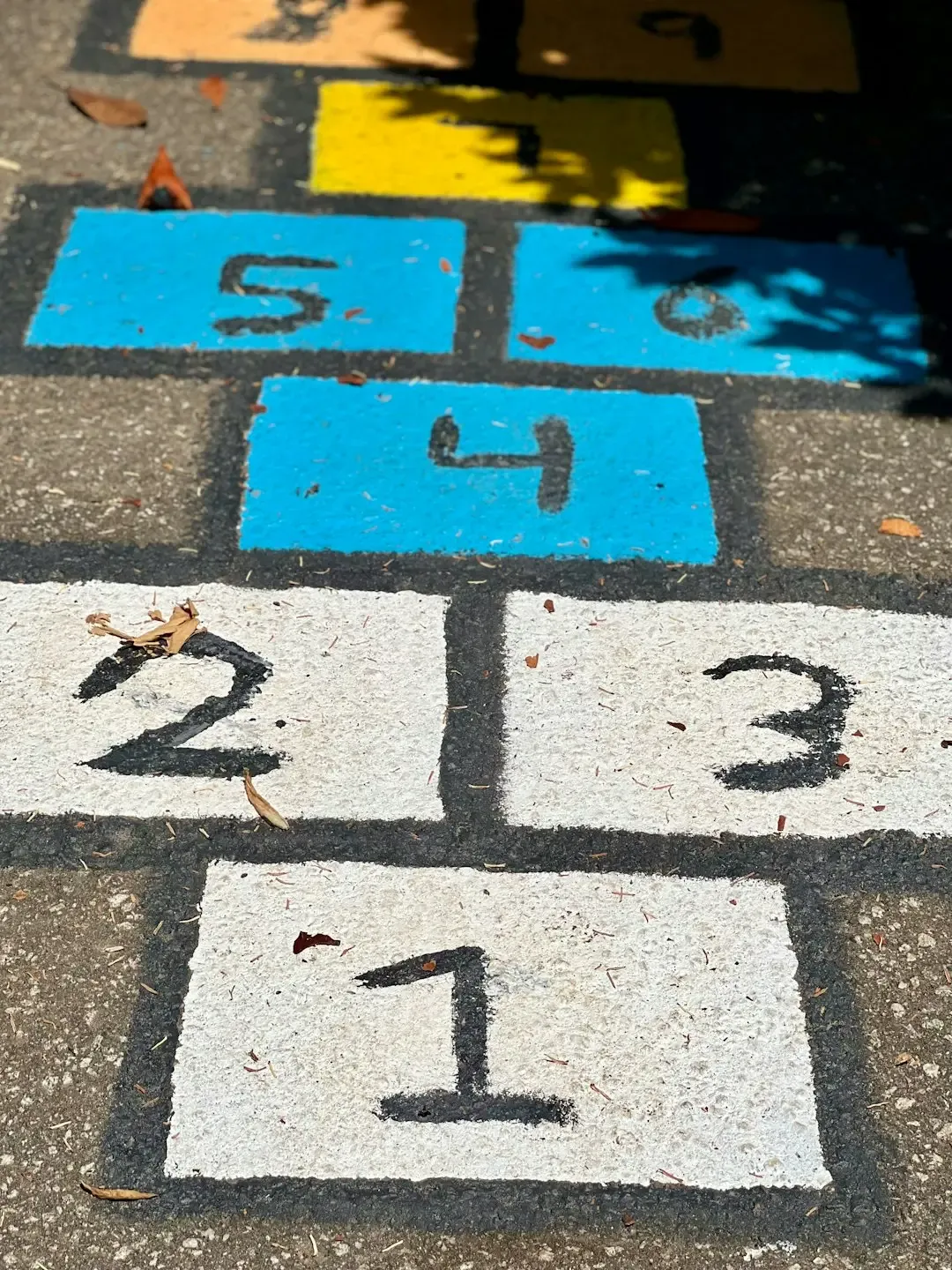
The chalk came from the blackboard ledge at school, palmed when the teacher wasn’t watching – basic white, maybe yellow if you were lucky. You searched the gutter for the perfect throwing stone, something with at least one flat side so it wouldn’t bounce out of the square. The grid went down on the sidewalk, and anyone who walked by could join or judge. There were no teams, no coaches, no entry fee.
Jump rope was the same – solitary when you needed it to be, social when you wanted a crowd. A length of rope, two people to turn it, and a rotating cast of jumpers who all knew the same chants. These games required nothing but chalk, a rope, and other kids – no cost, no equipment, no adult coordination whatsoever. Today, child development experts have given unstructured outdoor play an official technical name and are formally warning parents that it is disappearing. A generation of 1960s kids had it every single afternoon without knowing it was special.
#3 – Spending a Week at Grandma’s House, Unsupervised All Day
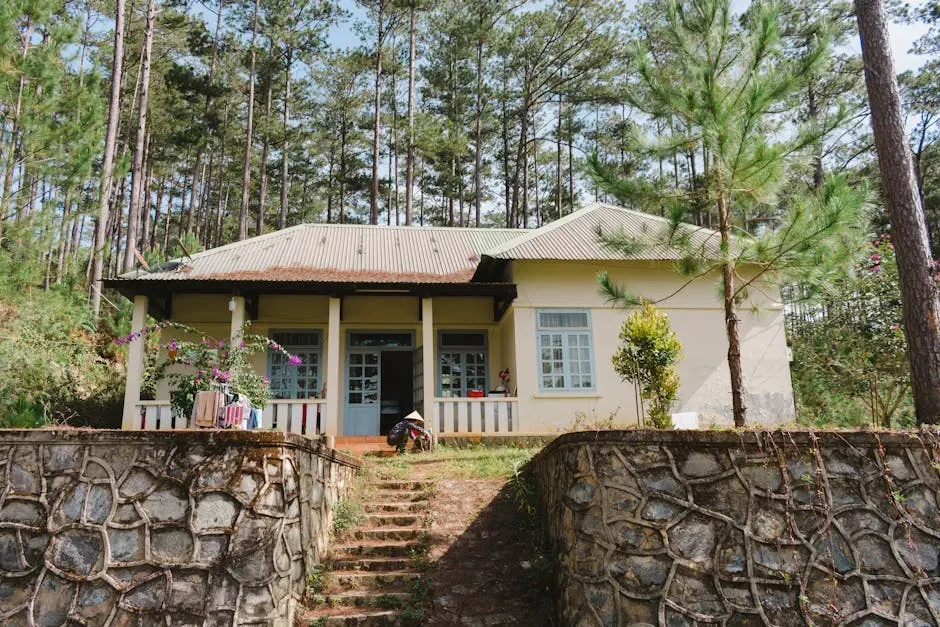
Being “sent to Grandma’s” for a week or two each summer was standard practice for millions of 1960s kids. Grandma fed you, let you stay up too late, and then turned you loose in the neighborhood during the day. She didn’t drive you anywhere. She didn’t organize activities or check in hourly. She made lunch at noon and dinner at six, and everything in between was entirely yours to fill however you wanted.
No structured itinerary. No enrichment programming. No daily calls home to confirm you were safe. Just days of total, unobserved freedom in a neighborhood that wasn’t even yours, which made it more interesting. The independence that accumulated over those weeks was real and lasting. Today, the idea of a child spending extended time at a grandparent’s home without daily parental check-ins generates genuine anxiety. The freedom that once felt ordinary now sounds extraordinary.
#2 – A Whole Summer With Absolutely No Scheduled Activities

There was no summer camp sign-up, no coding class, no travel soccer league, no structured anything. Three months opened up like a field with no fences, and it was entirely up to the kid to figure out how to cross it. The boredom was real – and it turned out to be the point. You invented things to do. You found people to do them with. You got good at entertaining yourself, which is its own kind of education.
The American Academy of Pediatrics has since issued formal recommendations urging parents to restore unstructured play time, precisely because it has become so rare that pediatricians now treat its absence as a developmental concern. A generation of 1960s kids got three months of it automatically, every year, without anyone calling it therapeutic or prescribing it. They just called it summer. And they meant it.
#1 – The Total, Unhurried Freedom of a Summer That Was Entirely Yours
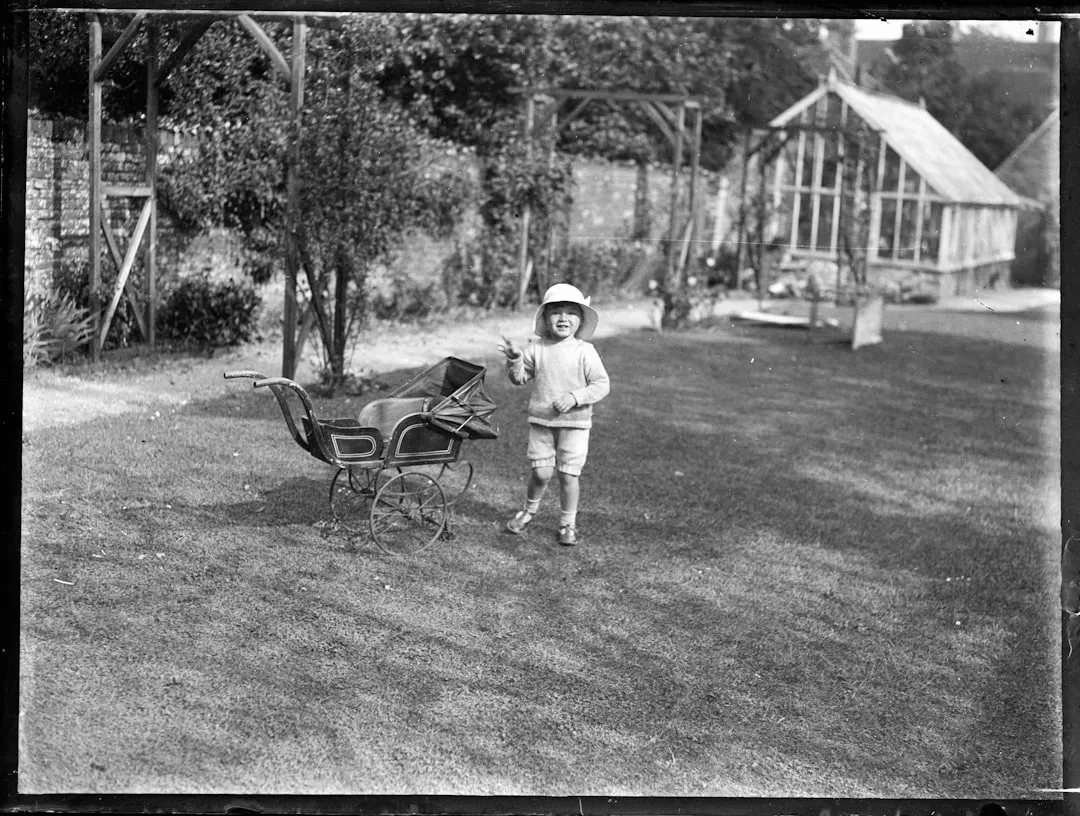
Every item on this list points back to one thing: a summer that belonged completely to the child living it. Not to a schedule. Not to a screen. Not to a parent’s anxiety or a liability waiver. Kids moved through the world on their own terms – unsupervised, untracked, fully alive to whatever the next hour brought. The neighborhood was the world, the world was enough, and no one was monitoring how you spent it.
The 1960s summer wasn’t perfect. It was full of real dangers, real inequalities, and real hardships that nostalgia tends to soften. But it contained something that has become genuinely rare: the experience of a child who owned their own time. That specific feeling – a long, hot, completely unscripted day stretching out with no endpoint in sight – is the one thing no child today has experienced in quite the same way. And when you think about everything on this list, that might be the most surprising loss of all.
Which of these hit closest to home – or made you wish you’d been there? Drop the one we missed in the comments.