
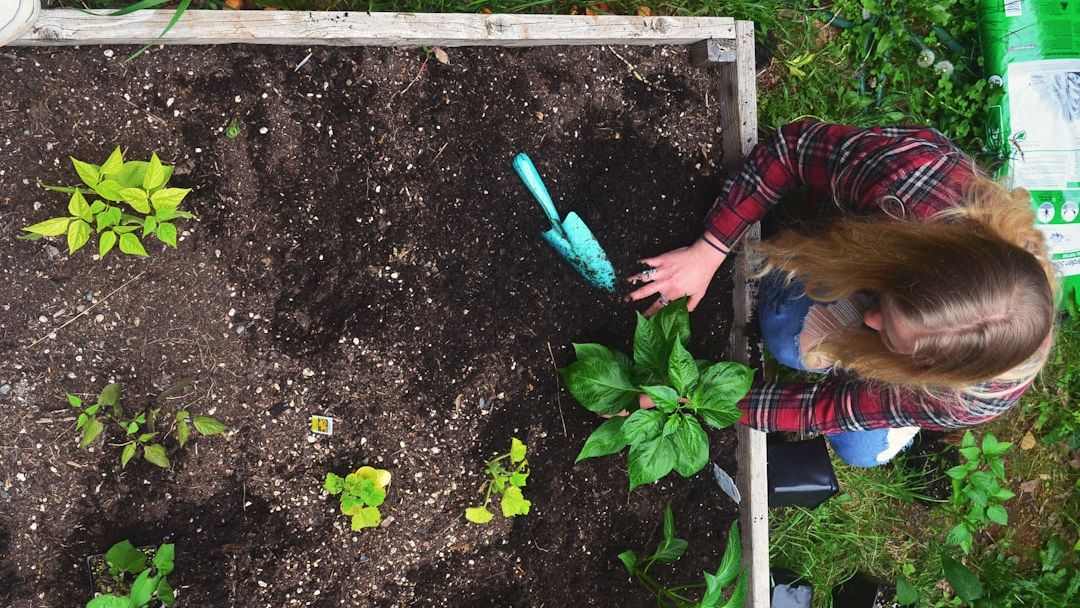
Most gardeners who can’t figure out why their plants look half-dead are blaming the wrong thing. They’re switching fertilizers, adjusting watering schedules, buying new seed varieties – when the real problem is sitting right under their feet. Soil is a living system, not a growing medium, and what happens beneath the surface determines everything you see above it. Get the soil right, and nearly everything else falls into place.
What’s below isn’t a standard gardening checklist. Some of these secrets completely flip what most people think they already know. A few of them cost nothing at all. And at least one explains why your neighbor’s garden looks effortless while yours keeps fighting you every single season – no matter how much time or money you put in.
#15 – Your Soil Is Already Alive, and You’re Probably Killing It
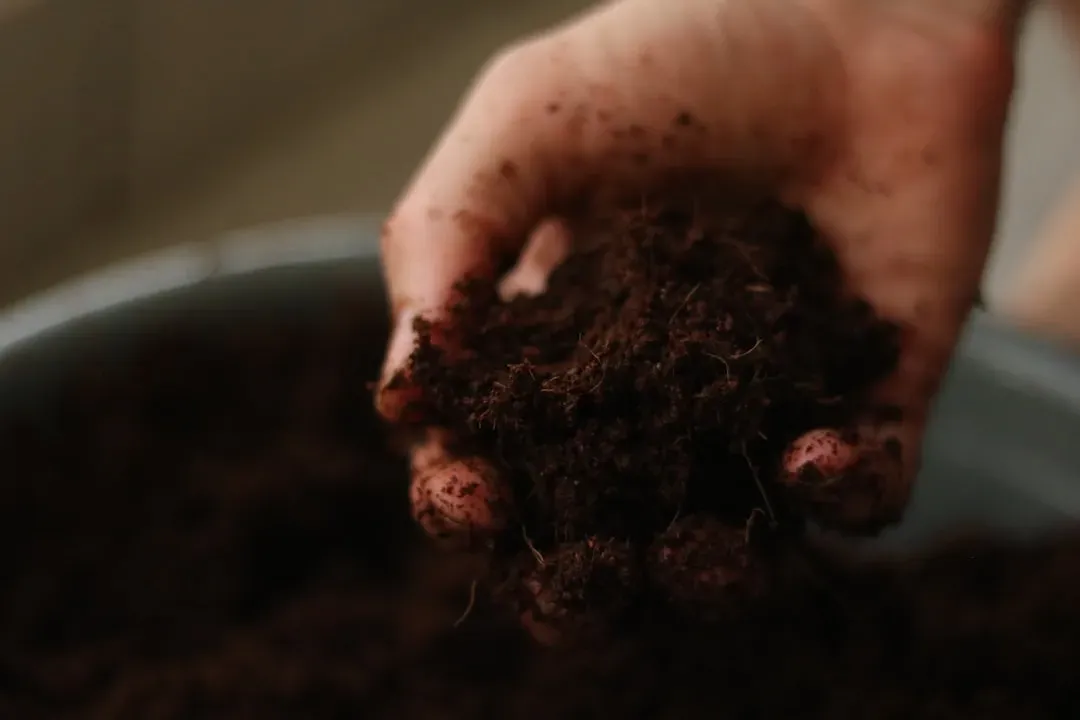
Healthy soil isn’t dirt. It’s a living ecosystem packed with billions of microbes, fungi, worms, and organisms doing invisible, essential work every single day. A single teaspoon of rich garden soil can hold up to one billion bacteria, several yards of fungal filaments, several thousand protozoa, and scores of nematodes. These creatures break down organic material, cycle nutrients, and build the physical structure that plant roots depend on. When that life dies off, the soil stops functioning – no matter how much fertilizer you pour on top.
The single biggest threat to that underground population is the tool most gardeners trust most: the rototiller. Deep digging is essentially a mass-extinction event for the organisms doing the most important work in your garden. Beneficial bacteria, fungi, and earthworms get shredded and scattered, and while the population recovers eventually, you’re starting over from behind every spring. The beds that get tilled hardest are the ones fighting the hardest to catch up.
Fast Facts
- One teaspoon of healthy soil contains more living organisms than there are people on Earth.
- Healthy soil holds roughly 8 to 15 tons of bacteria, fungi, protozoa, nematodes, and earthworms per acre.
- Fungal populations dominate in undisturbed soil; tilling flips the balance in favor of less efficient bacteria.
- Earthworms consume tiny soil organisms and release even more microorganisms in their castings.
- Up to 80% of a plant’s available nitrogen can come from bacteria-eating protozoa in healthy soil.
#14 – Bare Soil Is Sick Soil
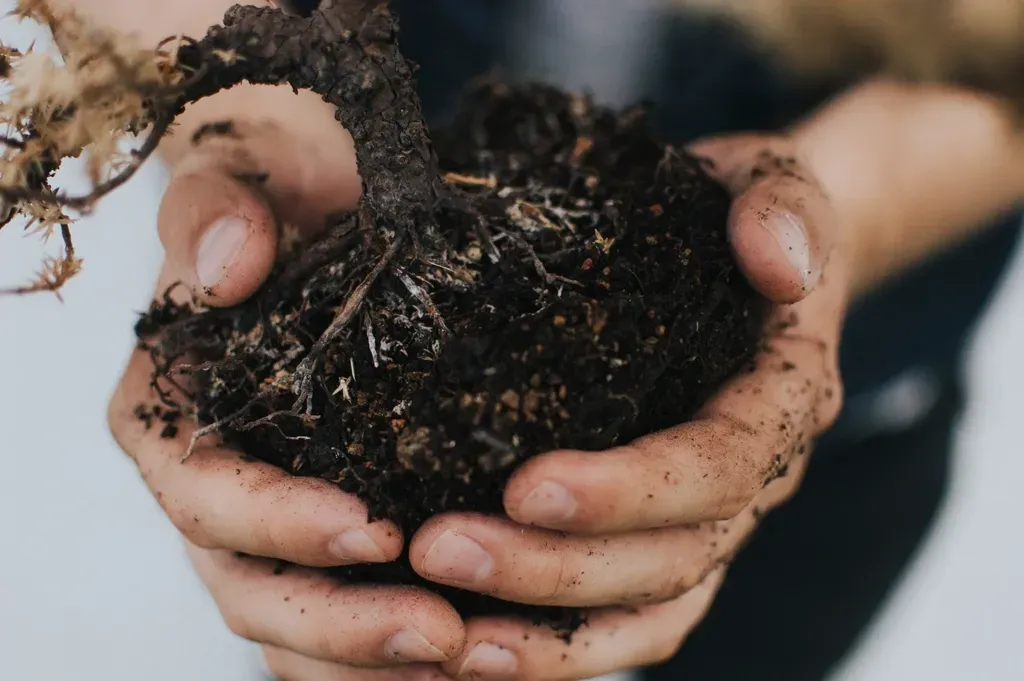
Walk through any forest or prairie and notice what’s missing: bare ground. In nature, exposed soil is an anomaly – a wound, not a feature. But the modern garden aesthetic loves it: individual plants spaced apart with clean, open soil between them. That look comes at a cost. Bare soil erodes in rain and wind, bakes in heat, and hemorrhages the nutrients your plants are supposed to absorb.
When a raindrop hits plant cover instead of open ground, its energy is dissipated across leaves before it ever reaches the soil. That cushioning protects both the soil surface and the organisms living just below it. Cover your beds with mulch, compost, or a cover crop and you protect everything underneath. It’s one of the simplest habits in gardening – and one of the most consistently skipped by people who are otherwise working very hard.
#13 – The pH Problem Nobody Mentions Until Plants Are Already Struggling
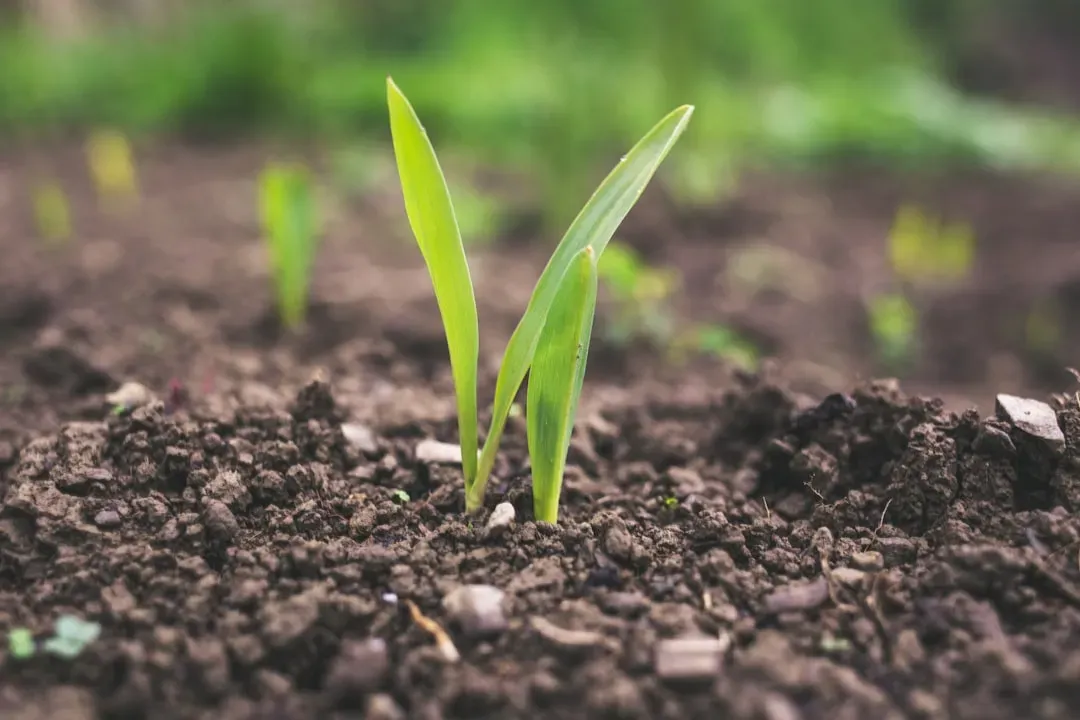
Here’s the thing that catches almost everyone off guard: soil pH doesn’t just affect growth – it controls whether your plants can access nutrients at all. Even if the right nutrients are present, or you’ve added expensive fertilizer, the wrong pH locks them away chemically. Your plants literally starve in a fully stocked pantry they can’t open. Most plants prefer a slightly acidic to neutral range of 6.0 to 7.5, but even small deviations outside that window cause visible problems.
Some plants are far more specific. Blueberries and rhododendrons, for example, need a pH between 4.5 and 5.5 because low acidity makes iron soluble and accessible to their roots. Get that wrong and you’ll chase yellowing leaves for years without finding the real answer. Lime raises pH in acidic soils; sulfur or acidic fertilizers bring it down in alkaline ones. A basic soil test – many state extension programs offer them free or nearly free – tells you exactly what you’re dealing with before you waste another full season guessing.
Quick Compare
- pH 6.0–7.5: Ideal for most vegetables, herbs, and flowers
- pH 4.5–5.5: Required by blueberries, azaleas, and rhododendrons
- pH above 7.5: Iron and manganese become unavailable; yellowing appears
- pH below 5.5 (general beds): Aluminum becomes toxic; root damage follows
- Fix it: Lime to raise pH; sulfur or acidic compost to lower it
#12 – Compost Is “Black Gold” for a Reason, but You’re Probably Using It Wrong
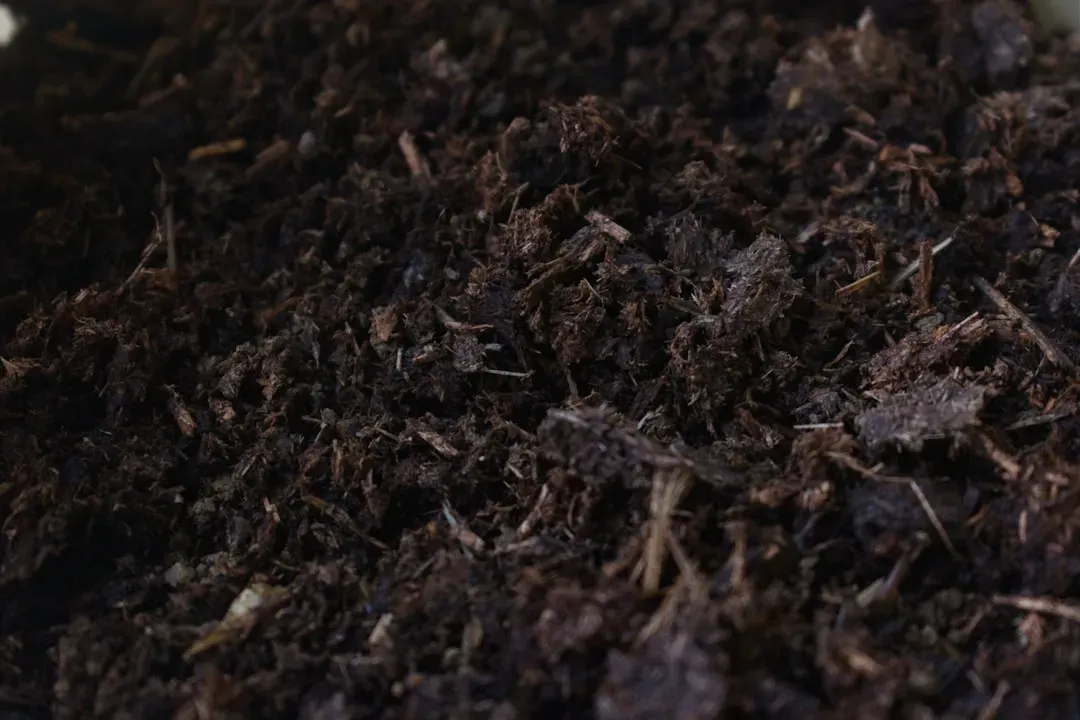
Most gardeners know compost is good. Far fewer know how to apply it in a way that actually works with the soil instead of against it. Well-decomposed compost is loaded with beneficial microbes, excellent texture, and slow-release nutrition. For new beds, work 2 to 3 inches into the top 6 to 8 inches of soil. That’s the foundation. From there, most people’s instinct is to dig it in hard every year – which is exactly what causes the damage they’re trying to prevent.
For established beds, the better approach is to top-dress: lay 1 to 2 inches of compost on the surface each year and let earthworms and microbes work it down naturally. This preserves soil structure, suppresses weed seeds, and keeps the living community below intact. The organisms already in your soil are more efficient at moving compost downward than any shovel is. Let them do the work – and stop undoing what they’ve already built.
#11 – Tilling Every Spring Is Making Your Weed Problem Worse
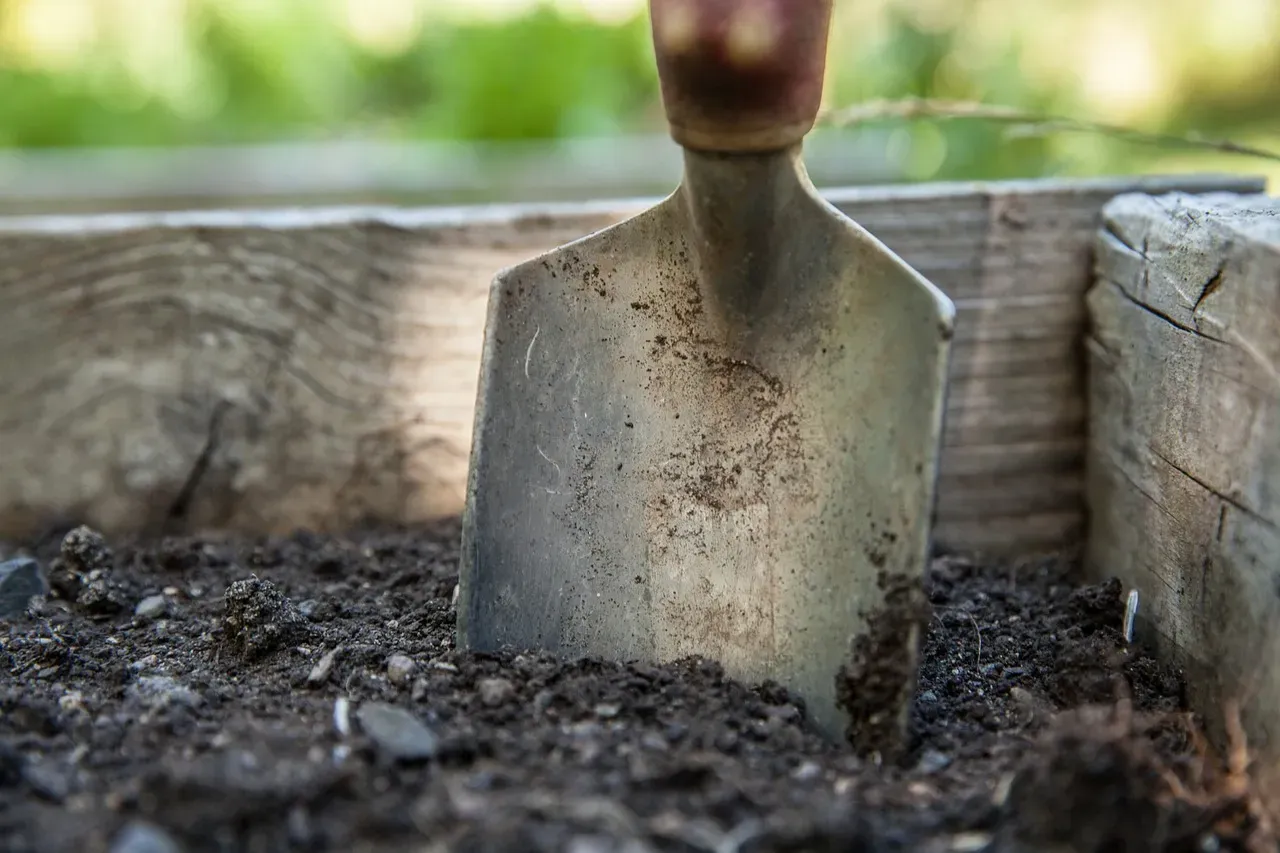
Every seasoned gardener eventually hits this frustrating realization: tilling in spring, which is supposed to clean up the bed and give it a fresh start, actually guarantees a weed explosion weeks later. Weed seeds can sit dormant in the soil for years – sometimes decades – waiting for two things: light and disturbance. A tiller hands them both at once. Every pass drags buried seeds up to the surface and signals them to germinate.
The gardeners who till the least end up pulling weeds the least. After a few seasons of no-dig methods, the soil settles into a stable structure with fewer disturbances and a dramatically smaller weed emergence. That’s not laziness – that’s understanding what’s actually happening in the top few inches of your bed. Stop giving dormant weed seeds the wake-up call they’ve been waiting for.
#10 – Walking on Your Beds Is Quietly Destroying Them
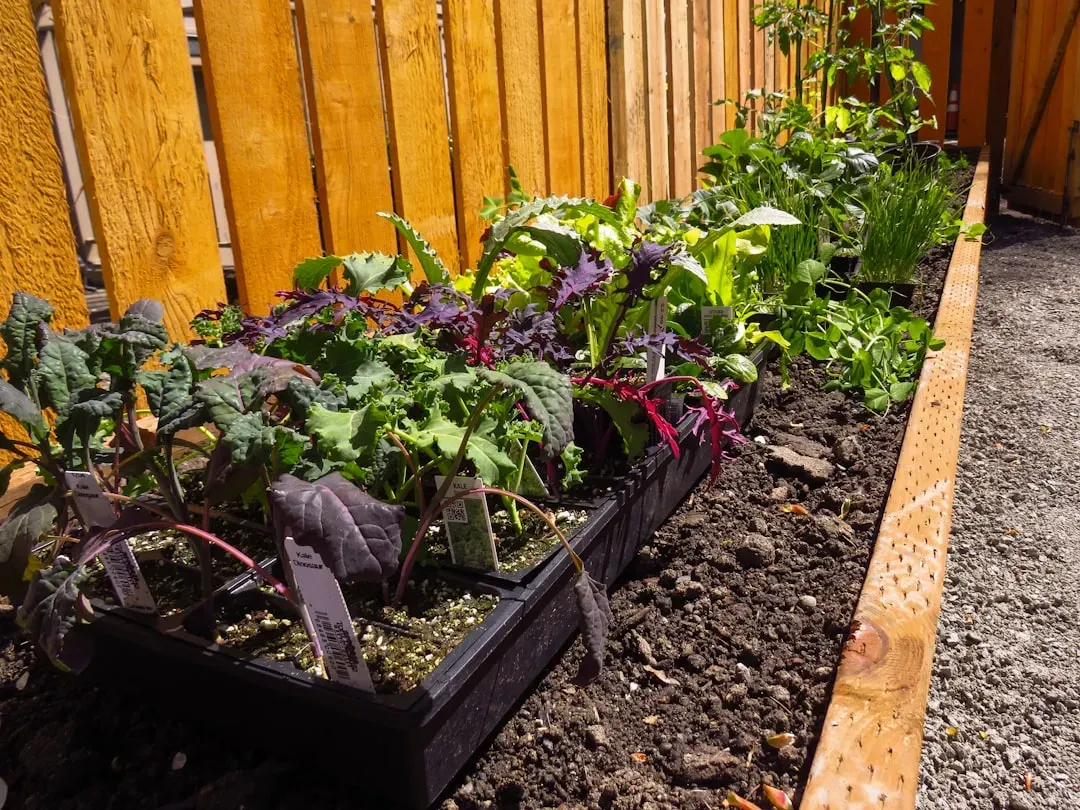
Compaction is one of the most underestimated problems in home gardens, and it happens one footstep at a time. Every time someone steps onto a garden bed – even once – they compress the tiny air pores that roots, water, and microorganisms depend on. Heavily compacted soil has almost no space between particles, which means poor drainage, suffocated roots, and an environment where beneficial organisms can’t function. The damage is invisible until the plants tell you something is wrong.
That pooling water after a hard rain that you’ve been blaming on drainage? Compaction is often the real culprit. The fix is simpler than any amendment: design beds no wider than four feet so you can reach the center from either side, and never step on planting soil. Add designated walking paths if you need to move through larger beds. This single habit change – staying off the beds – can visibly transform how your plants grow within one season, no products required.
#9 – Mulch Does Five Jobs at Once, and Most Gardeners Only Know One
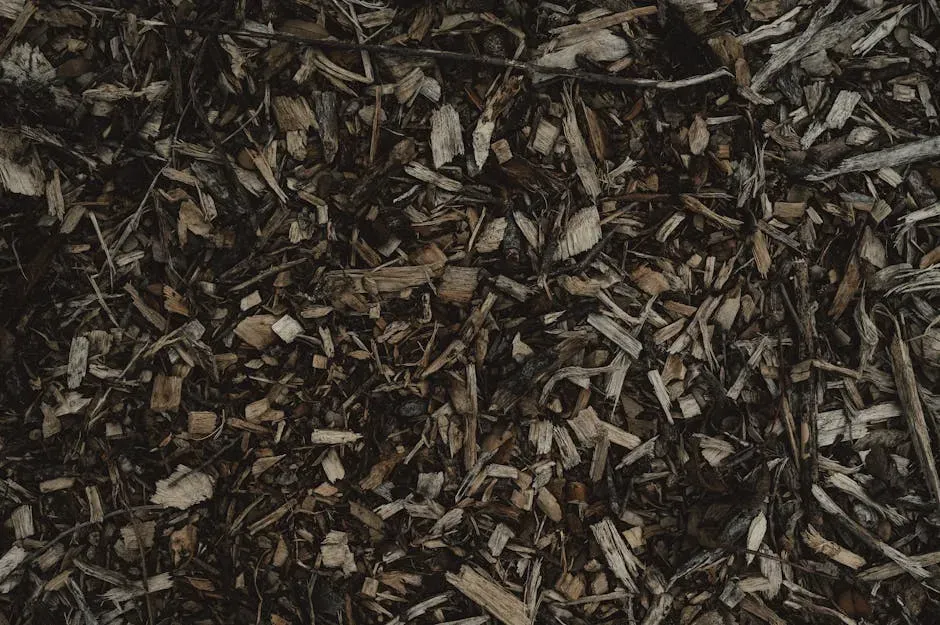
Ask most people why they mulch and they’ll say “to keep weeds down.” That’s true, but it barely scratches the surface. A good layer of organic mulch – straw, bark, shredded leaves, wood chips – retains soil moisture, moderates root temperature, prevents erosion, suppresses weed germination, and slowly breaks down into the next generation of compost. That last piece is the real long game. Every inch of organic mulch is silently building the organic matter content of the soil beneath it.
Apply a 2- to 4-inch uniform layer in mid-spring after removing weeds and clearing debris. One important distinction: organic mulches and decorative stone or gravel are not interchangeable. Stone absorbs and radiates heat, dries out the soil surface, and does nothing for soil quality over time. That clean gravel border might look finished, but it’s actively working against everything living underneath it. Organic mulch looks a little rougher and pays off in every way that matters.
At a Glance
- Moisture retention: Mulch cuts surface evaporation significantly, especially in summer heat
- Temperature buffer: Keeps root zones cooler in summer, warmer in fall shoulder seasons
- Weed suppression: Blocks light that dormant weed seeds need to germinate
- Erosion control: Absorbs raindrop impact before it hits bare soil
- Long-term fertility: Organic types decompose into compost, feeding the bed year after year
#8 – Crop Rotation Isn’t Just for Farmers – It’s What Saves Backyard Beds
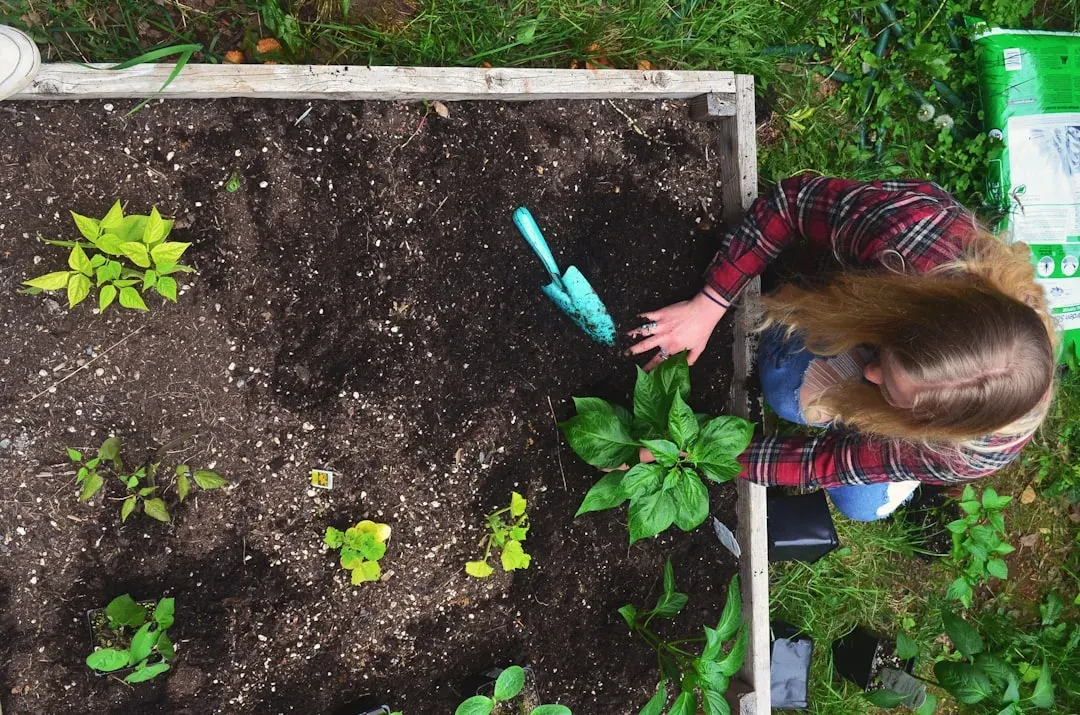
Tomatoes in the same corner every single year is the most common mistake in American vegetable gardens. Planting the same crop in the same spot depletes the specific nutrients that crop needs most, and it gives the same pests and pathogens a permanent address in your soil. The problem compounds quietly, year after year, until suddenly nothing you do in that bed seems to work anymore. By the time most gardeners notice, the soil has been silently struggling for seasons.
Legumes – beans, peas, clover – are the most powerful rotation tool available. They form a symbiotic relationship with soil bacteria that pull nitrogen directly from the air and convert it into a plant-available form. When the legumes die back, that nitrogen becomes available to whatever you plant next. Rotating crops through different beds each year breaks pest cycles, balances nutrient demands, and keeps the microbial community diverse and healthy. It’s the closest thing to resetting a bed without touching the soil.
#7 – Cover Crops Are the Secret Weapon Hiding in Plain Sight
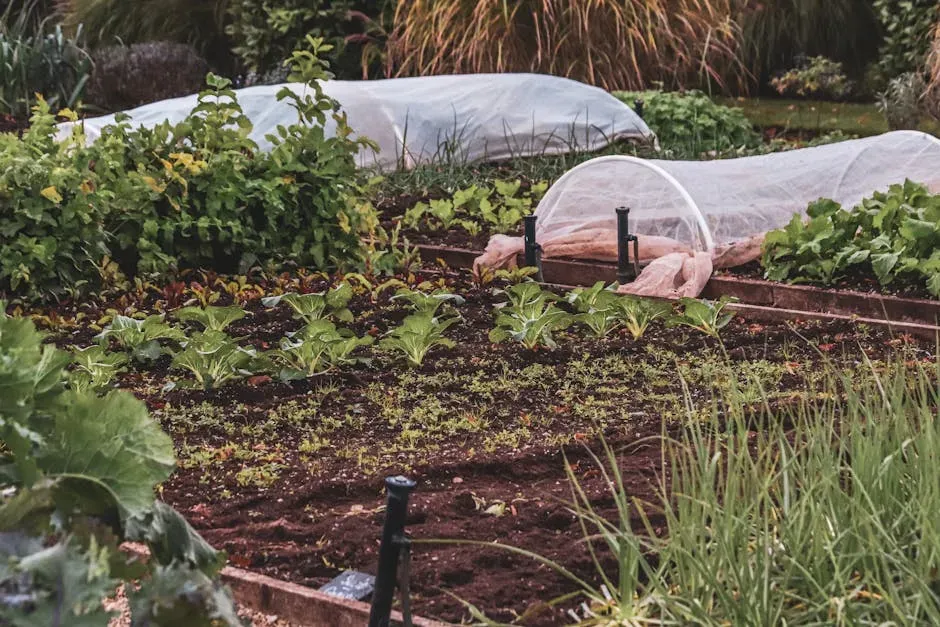
Most home gardeners leave beds bare through winter. That’s a missed opportunity every single year. Planting cover crops – winter rye, clover, vetch – prevents erosion, suppresses weeds, and rebuilds the organic matter and nitrogen that summer crops pulled out. These aren’t just filler plants sitting there doing nothing. They’re actively restoring what the last season took. A bare winter bed is a wasted winter bed, full stop.
Legume cover crops like clover, lupins, or broad beans are especially valuable because they fix nitrogen through their root bacteria relationships. When you cut them down in spring, leave the roots in the ground. They break down naturally, improving drainage and aeration as they go – and if the variety regrows, you get another flush of organic matter before you even plant. The beds that look richest in May are usually the ones that were never left empty in November.
#6 – Your Soil Needs a Test Before It Needs Another Amendment
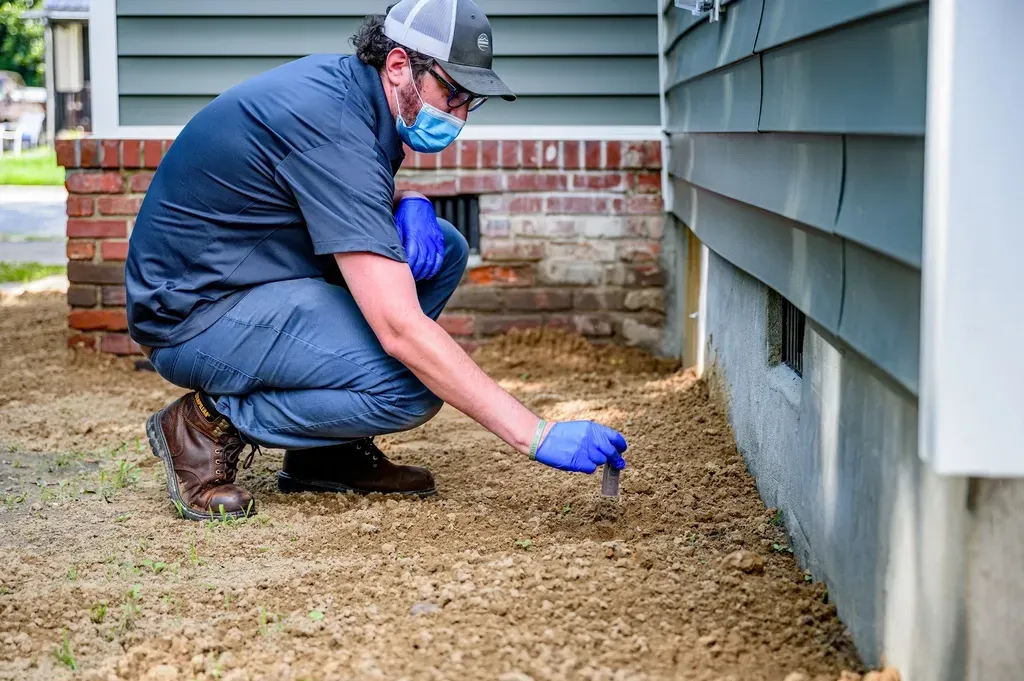
The instinct when a garden underperforms is to add something – more fertilizer, another bag of lime, a different compost blend. But adding amendments without knowing what’s already in the soil is expensive guesswork. You might be doubling down on something your soil already has too much of, or completely missing the one thing that would change everything. A soil test is the most high-leverage, lowest-cost tool available, and most gardeners ignore it for years.
Most state university extension programs offer basic soil tests free or for a small fee – testing pH, nutrient levels, and organic matter content. Fall is actually the best time to test, so you can address problems over winter and have the bed ready by spring. Experts recommend testing every 3 to 5 years for established gardens. Without that baseline, every amendment you buy is a guess. With it, you know exactly what your soil needs – and just as importantly, what it doesn’t.
Worth Knowing
- Many state cooperative extension services offer soil tests for free or under $20.
- A standard test typically covers pH, phosphorus, potassium, and organic matter content.
- Every 1% increase in soil organic matter holds an additional 1,000 lbs of nitrogen per acre.
- Testing in fall gives you all winter to source and apply the right amendments before spring planting.
- Established beds should be retested every 3 to 5 years – not every season.
#5 – Worm Castings Do Something No Fertilizer Bottle Can Replicate
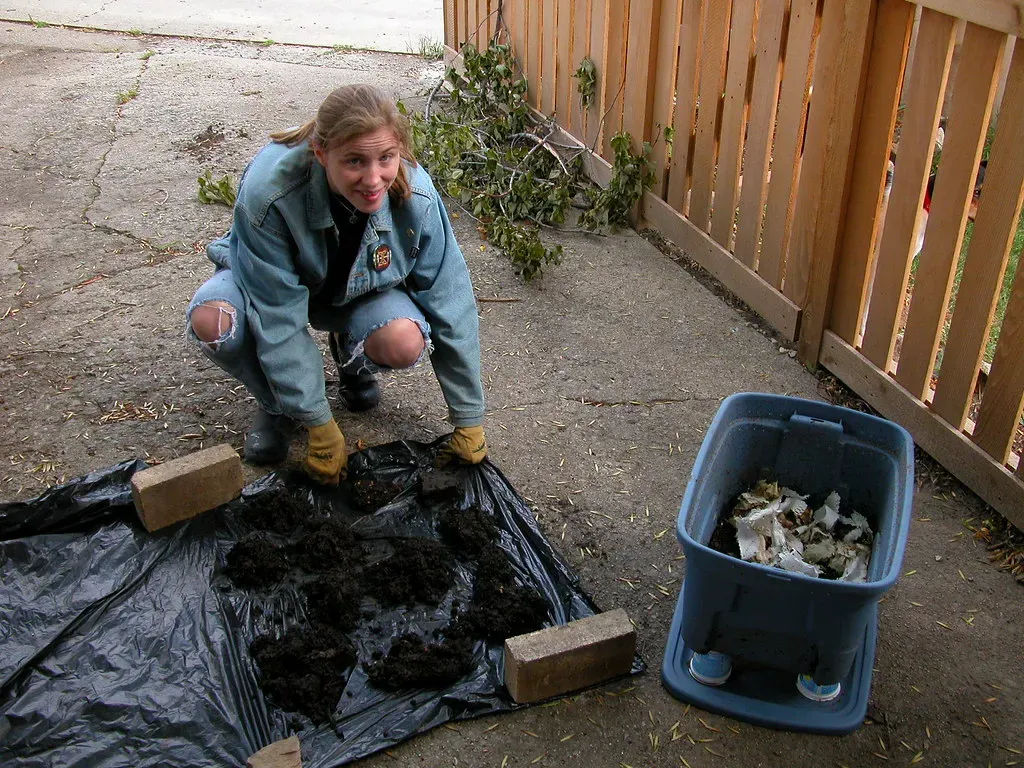
Earthworms are the most recognizable sign of healthy soil, but their real value goes much further than most people realize. Worm castings introduce a dense community of beneficial bacteria into the soil that stimulates plant growth and actively suppresses certain soil-borne diseases – working against the harmful fungi and bacteria that cause root rot and damping-off without any chemical intervention. They also dramatically improve moisture retention in the surrounding soil. That combination – disease suppression plus water management in one biological package – is genuinely extraordinary.
Worms also facilitate the movement of microorganisms throughout the soil profile and have been shown to promote the colonization of plant roots by symbiotic fungi, which extends the plant’s nutrient reach even further. Earthworms mix and aggregate soil particles, creating deep channels that help aerate the soil and give roots room to move. One earthworm is doing more for your garden than most bottled products ever will, and it works for free as long as you give it an environment worth living in. Feed the worms, and the worms feed your plants.
#4 – Mycorrhizal Fungi Give Your Plants a Secret Root System
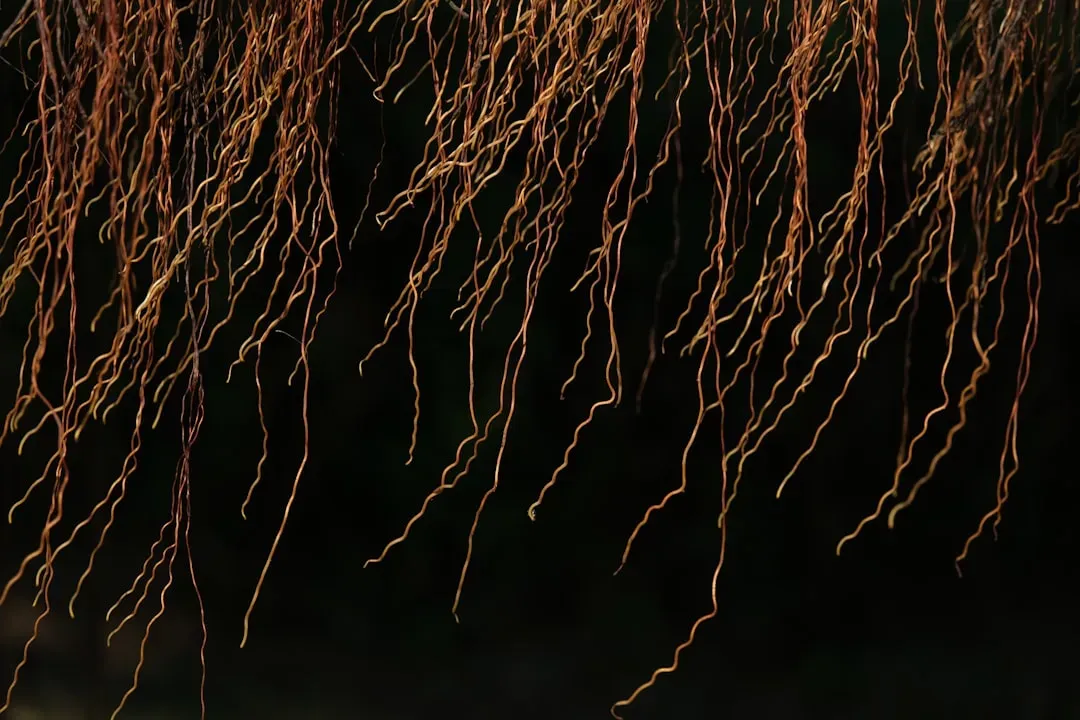
There is an entire secondary root system available to your plants – and most gardeners have never heard of it. Mycorrhizal fungi form symbiotic relationships with plant roots, weaving microscopic threads through the surrounding soil that dramatically extend the root system’s effective reach. These fungi help plants access water and nutrients far beyond what roots could find alone. Between 80 and 90 percent of all plant species form these relationships – it’s not a specialty adaptation, it’s how most plants are meant to grow.
The partnership is ancient, built over more than 400 million years of co-evolution. Plants and mycorrhizal fungi developed together, and most plants genuinely depend on that relationship for optimal health. Every time you till deeply, you shred the fungal networks your plants spent months building. No-dig methods preserve these structures, letting the underground system compound in complexity and value from one season to the next. Commercial mycorrhizal inoculants can help establish the relationship quickly in new or depleted beds – but the best thing you can do long-term is simply stop destroying what’s already there.
Why It Stands Out
- Mycorrhizal fungi are present in 92% of plant families – this is not a niche phenomenon.
- Fungal hyphae can extend a plant’s effective root reach by many times its actual root length.
- The plant-fungi partnership first appeared in fossils roughly 450 million years ago.
- Deep tilling destroys fungal networks that took an entire growing season to establish.
- Commercial mycorrhizal inoculants can jumpstart colonization in new or badly depleted beds.
#3 – Biochar Is the Longest-Lasting Soil Upgrade You’ve Probably Never Tried
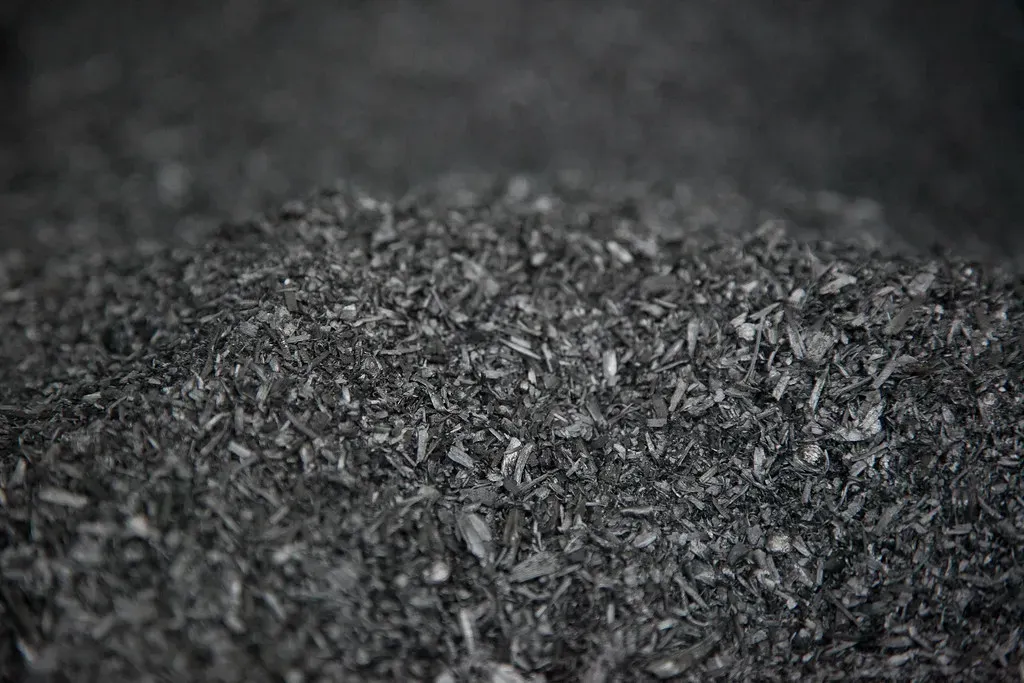
Unlike compost, which breaks down and needs to be replenished every season, biochar can stay biologically active in soil for hundreds of years. Its porous structure creates millions of tiny protected spaces where bacteria and fungi can establish stable colonies, safe from predators and environmental stress. It holds water and nutrients in those pores and releases them slowly as plant roots need them – a slow-release mechanism that genuinely sets it apart from almost everything else you can add to a bed.
For best results, gardeners typically “charge” biochar before application by soaking it in compost tea or mixing it with compost, loading the pores with microorganisms and nutrients before it goes into the ground. Even without that step, it improves water-holding capacity, microbial diversity, and soil structure measurably. One well-done application will still be working in your garden long after every other amendment from this season has disappeared. That’s a different category of investment entirely.
#2 – No-Dig Gardening Outperforms Traditional Digging – and Has the Results to Prove It
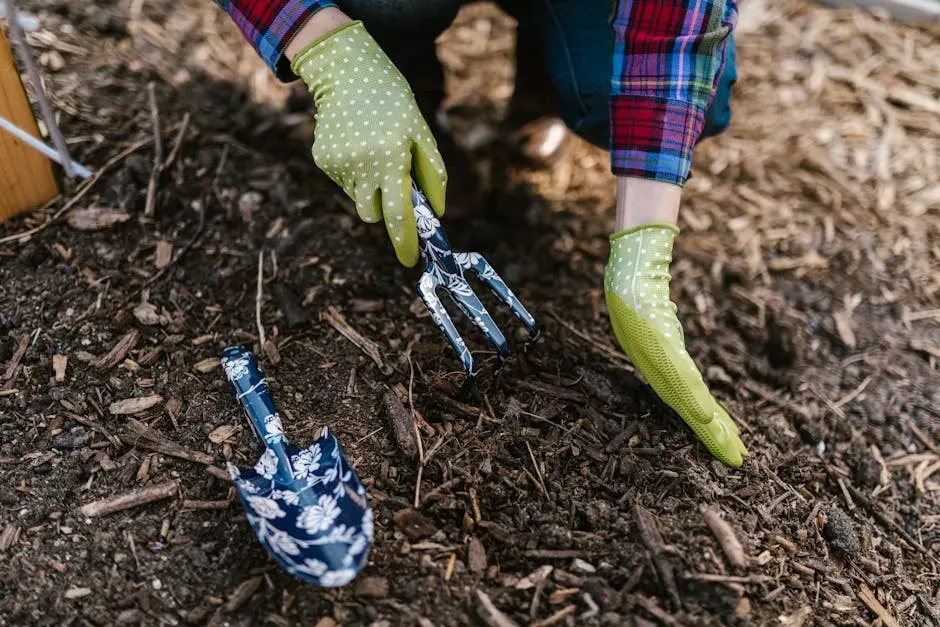
Generations of gardeners were taught that digging was the foundation of good gardening – break up the clods, aerate the bed, work in the amendments. That logic has a serious flaw: digging destroys the soil structure it’s supposed to improve. The large air pockets introduced by cultivation actually lead to worse moisture retention and faster compaction over time. After a few seasons of no-dig, soil settles into a stable structure with fine, consistent pores that handle water, air, and nutrients better than freshly turned soil ever does.
In a documented trial at Homeacres – a well-known no-dig trial garden in the UK – a strip forked every year produced 5% fewer crops than the adjacent no-dig strip, with both strips receiving the same amount of surface compost. Long-term research backs this up: studies show no-till systems tend to sustain higher yields and soil health over time, while conventional tillage may produce short-term results at the expense of long-term soil stability. Less physical work, measurably better results. No-dig simply mimics how soil builds up in nature: layers of organic material accumulating on the surface, processed downward by worms and microbes, building fertility from the top down.
#1 – Fall Is When the Real Garden Work Happens – and Almost Everyone Skips It
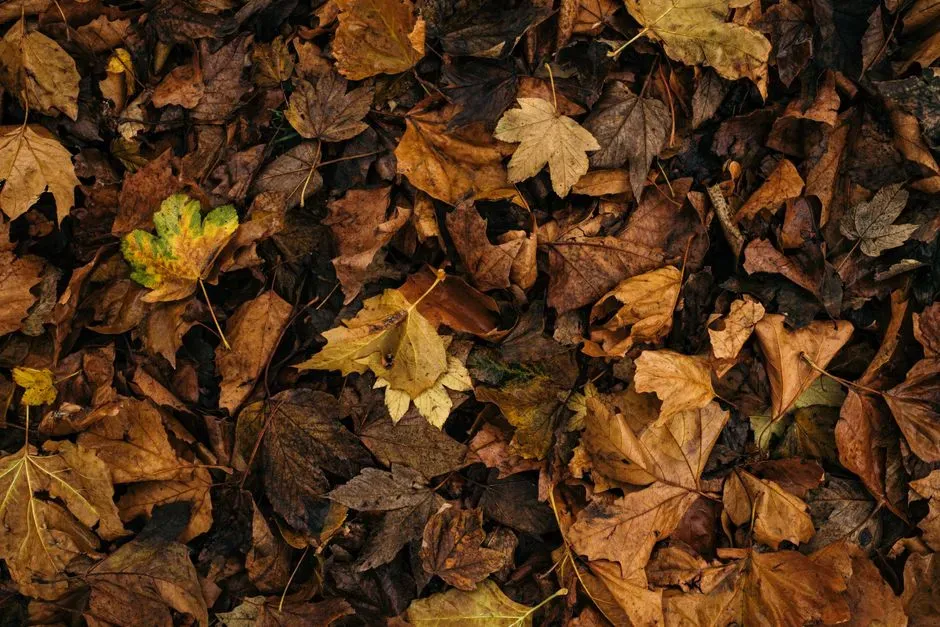
Spring gets all the attention – the seed catalogs, the excitement, the fresh start energy. But the gardeners with the most explosive spring growth did their most important work the previous fall. Fall is when you feed your soil and let nature do the heavy lifting through the quiet months. Organic matter worked into or laid on top of beds in autumn spends the entire winter decomposing, building structure and fertility underground while everything above looks dormant and done for the year.
For established beds, lay 1 to 2 inches of compost across the surface before the ground freezes. Worms will drag it down through the winter, and microbes will break it into plant-available nutrients in time for spring planting. Soil improvement is a season-by-season process – it doesn’t happen overnight, and it doesn’t have to. But each fall you invest in the soil, the next spring rewards you more visibly than the one before. The gardeners who make it look effortless in May? They were out there in October when nobody was watching.
The thread running through all 15 of these secrets is the same: soil rewards patience and consistency, and punishes the shortcuts most gardeners reach for first. Stop tilling compulsively. Test before you amend. Keep the surface covered year-round. Rotate your crops. Let worms and fungi do work no fertilizer bottle can replicate. Do those things over a few seasons and the difference won’t just be visible – it’ll be the garden people stop and ask about. Which one of these surprised you most? Drop it in the comments.