
Most people over 60 assume their biggest health risks live inside a doctor’s office – not in the home they’ve loved and lived in for decades. But ER nurses tell a very different story. In 2024 alone, over 43,000 Americans aged 65 and older died from preventable falls. Add burns, carbon monoxide exposure, medication mix-ups, and electrical fires, and the picture gets harder to look away from. The U.S. Consumer Product Safety Commission estimates 2.9 million adults 65 and older are treated in hospitals each year for injuries sustained at home – and the most common hazard isn’t something exotic. It’s the house itself.
What makes this so striking is that almost none of these people knew their home had turned on them. The hazards aren’t dramatic – they’re familiar. A beloved throw rug. A dim hallway. A water heater nobody has touched in fifteen years. A soft sofa that felt like luxury at 50 and became a trap at 68. That’s exactly what makes them so dangerous. Here’s what the data – and the nurses who see the consequences up close – actually say about what’s hiding in plain sight.
#15 – Keeping the Water Heater at Factory Temperature
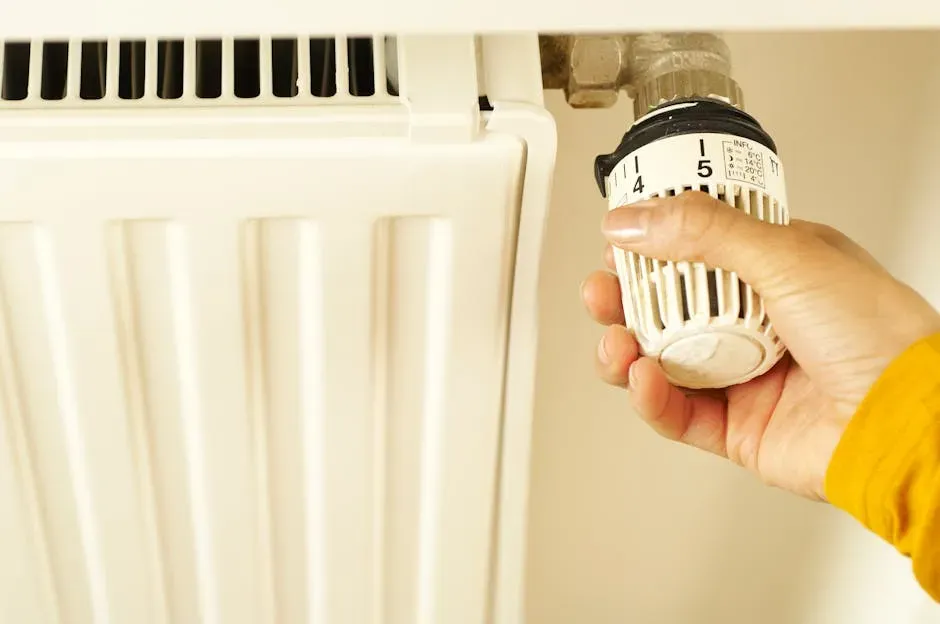
This one surprises almost everyone, because most homeowners have never once touched their water heater’s thermostat. The factory default on many units is set higher than the 120°F the U.S. Department of Energy recommends for safety. Skin sensitivity increases with age, meaning a temperature that felt perfectly fine at 40 can cause a serious burn at 65 – and the damage happens faster than most people expect.
Older adults may not react as quickly when water turns scalding, and the injury can be significant before they step back. Scalds from tap water are one of the most underreported home injuries in adults over 60 – partly because they’re embarrassing and partly because people assume hot water can’t really hurt you. It absolutely can. Adjusting the thermostat to 120°F and adding anti-scald devices to faucets takes about five minutes and costs nothing. Check it today.
Fast Facts
- The U.S. Department of Energy recommends water heaters be set to no higher than 120°F to prevent scalding.
- Skin burns can occur in as little as 5 seconds at 140°F water – a setting many factory defaults reach.
- Anti-scald faucet inserts cost as little as $10–$15 and install in minutes.
- Adults over 60 experience reduced skin sensitivity, meaning burns happen before pain registers.
#14 – Using Throw Rugs Anywhere in the House
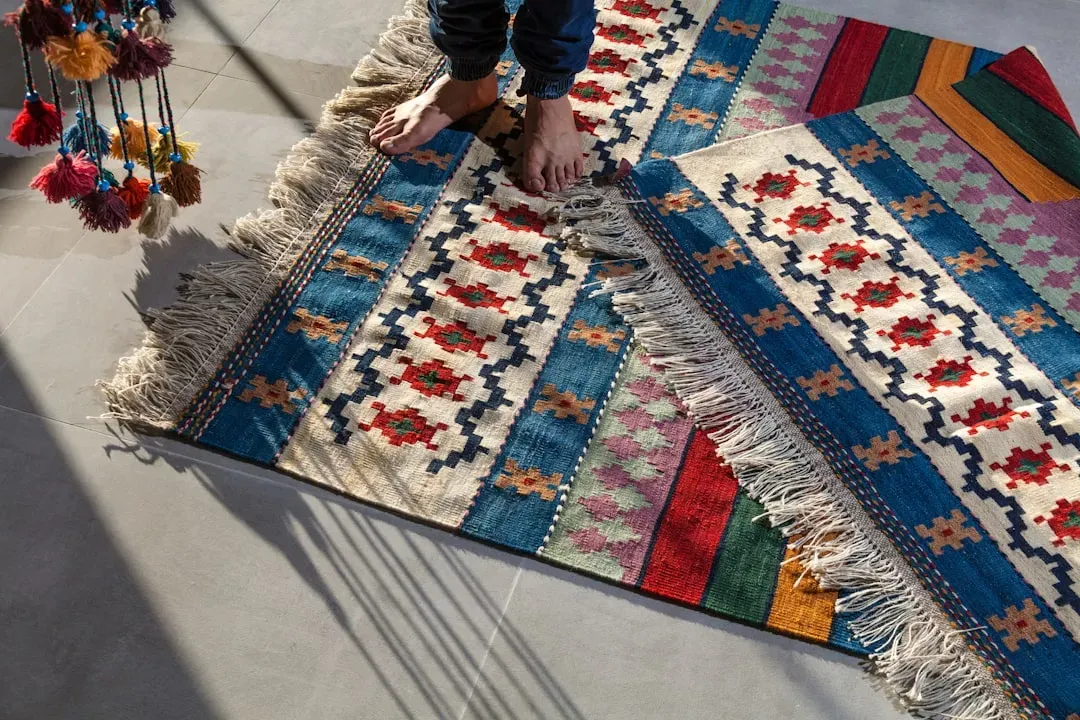
Throw rugs feel homey. They’ve been in the living room or hallway for twenty years, walked over a thousand times without incident. But ER nurses see the aftermath constantly. The danger isn’t just slipping – it’s that as we age, we naturally lift our feet slightly less with each step, which makes even a small rug edge a genuine tripping hazard. What families see as harmless décor is often a hidden threat.
The most dangerous spots are bathroom mats that aren’t rubber-backed, rugs at the top or bottom of stairs, and runners in hallways. Many people compromise by securing them with double-sided carpet tape – but the safest move, according to most fall prevention guidance, is simply removing them altogether. The rug has been there since 1998. A hip fracture will be there a lot longer.
#13 – No Grab Bars in the Bathroom
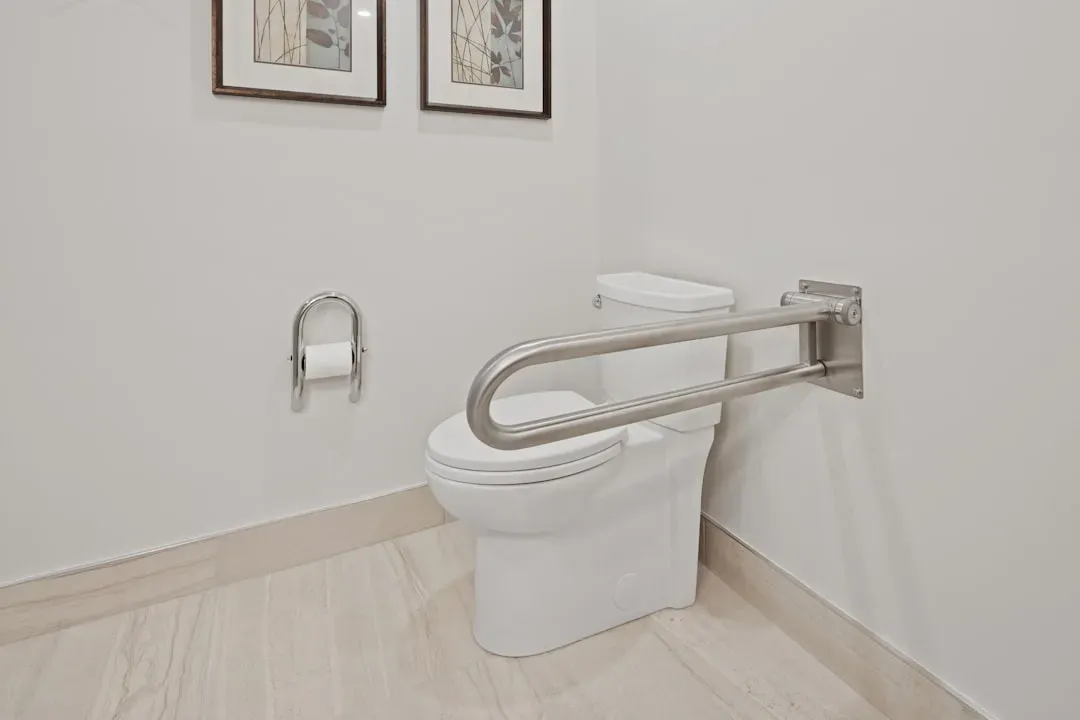
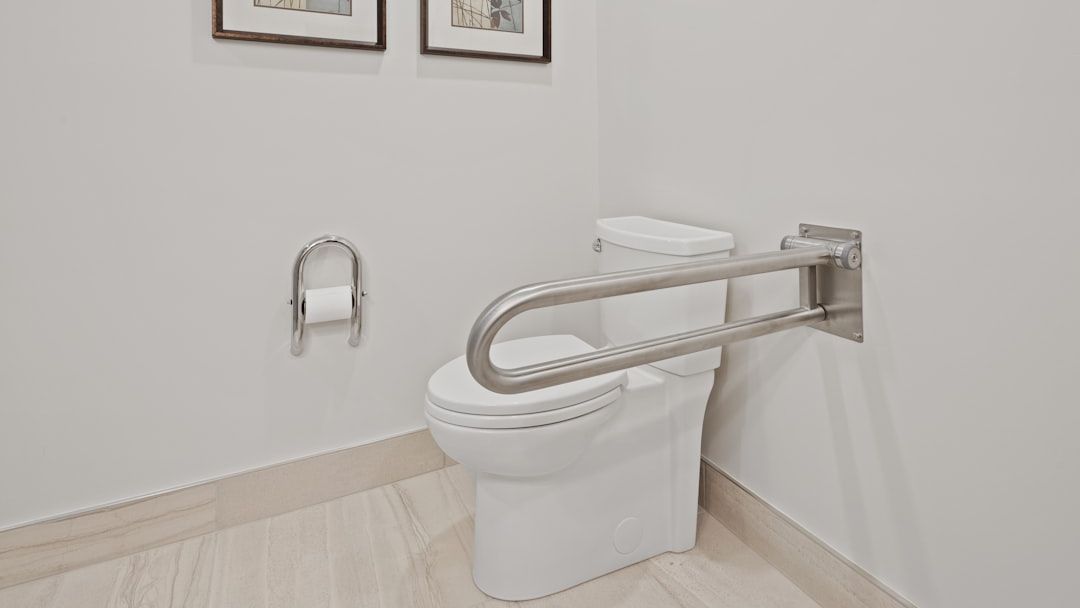
The bathroom is where a staggering number of senior ER visits begin. Smooth tiles, soap residue, and steam create slippery conditions that even younger people find risky – but older adults also face slower reflexes and decreased balance. And yet nearly half of all older adult homes have zero grab bars installed near the toilet or shower. It’s the smallest room in the house with the highest injury rate.
Research from the University of Toronto found that participants who had a grab bar were 75.8% more likely to recover their balance during a slip than those without one – for something that costs under $50 to install. The resistance is usually psychological: people think grab bars are for “old people.” The nurses treating the injuries would argue that distinction stops mattering the moment you hit a tile floor. Critical locations are next to the toilet, inside the shower, and on the outside of the tub.
At a Glance: Bathroom Safety by the Numbers
- 47% of older adults lack grab bars in the bathroom, per a 2022 national study of Medicare beneficiaries.
- Nearly 80% of senior falls in the home occur in the bathroom, according to the National Institute on Aging.
- Grab bars can reduce bathroom fall risk by up to 60% when installed in the right locations.
- Standard grab bar height is 33–36 inches from the floor – but should be adjusted for individual height.
- Over 235,000 Americans visit the ER each year for bathroom-related injuries.
#12 – Dimly Lit Hallways and Stairways
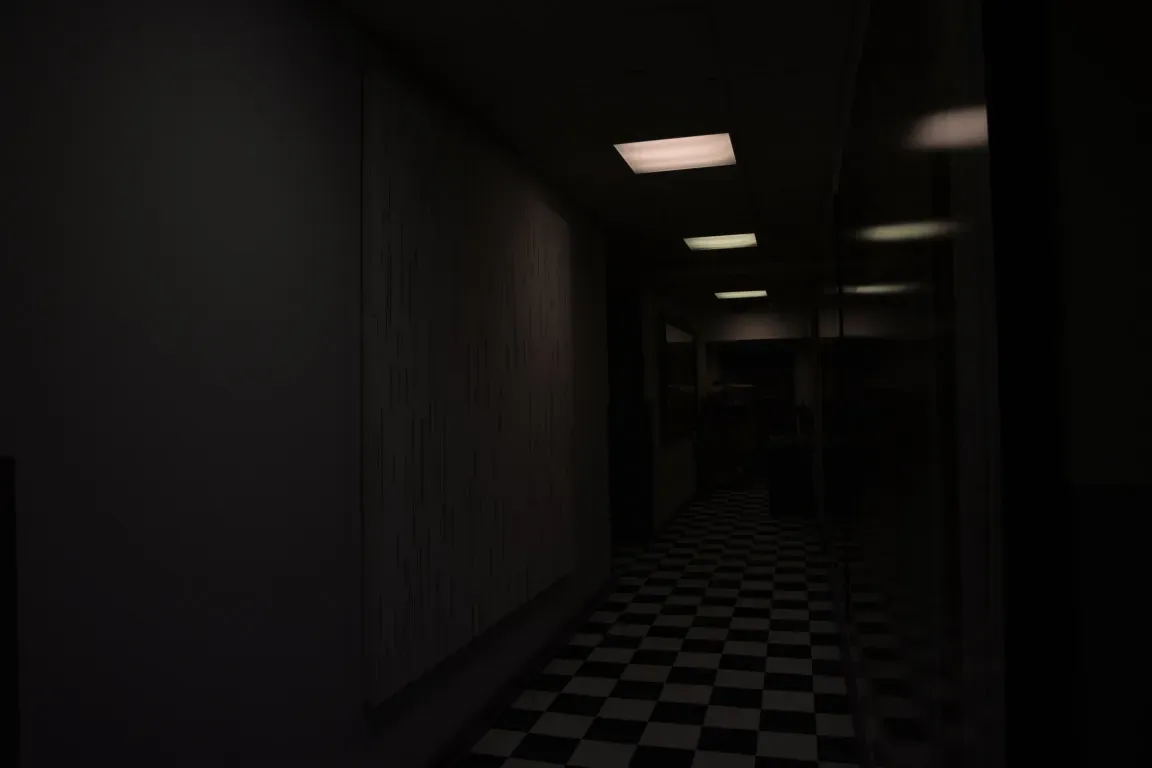
Here’s something most people don’t realize: the human eye after age 60 requires significantly more light than it did at age 20 – but most homes never update their lighting to reflect that. Families replace bulbs with the same wattage they always used, unaware that the person living there now navigates shadows on stairs and in hallways that look perfectly fine to visiting relatives but are consistently dim to the person who lives there every day.
Nighttime bathroom trips are especially dangerous. Many falls happen between midnight and 5 a.m., when grogginess combines with low visibility and rushed movement. Installing motion-sensor nightlights along the path between the bedroom and bathroom is one of the cheapest and most effective safety upgrades available – a $15 fix that works while you’re still half asleep. Visibility at night isn’t a comfort preference. It’s a fall prevention measure.
#11 – Extension Cords Crossing Walkways
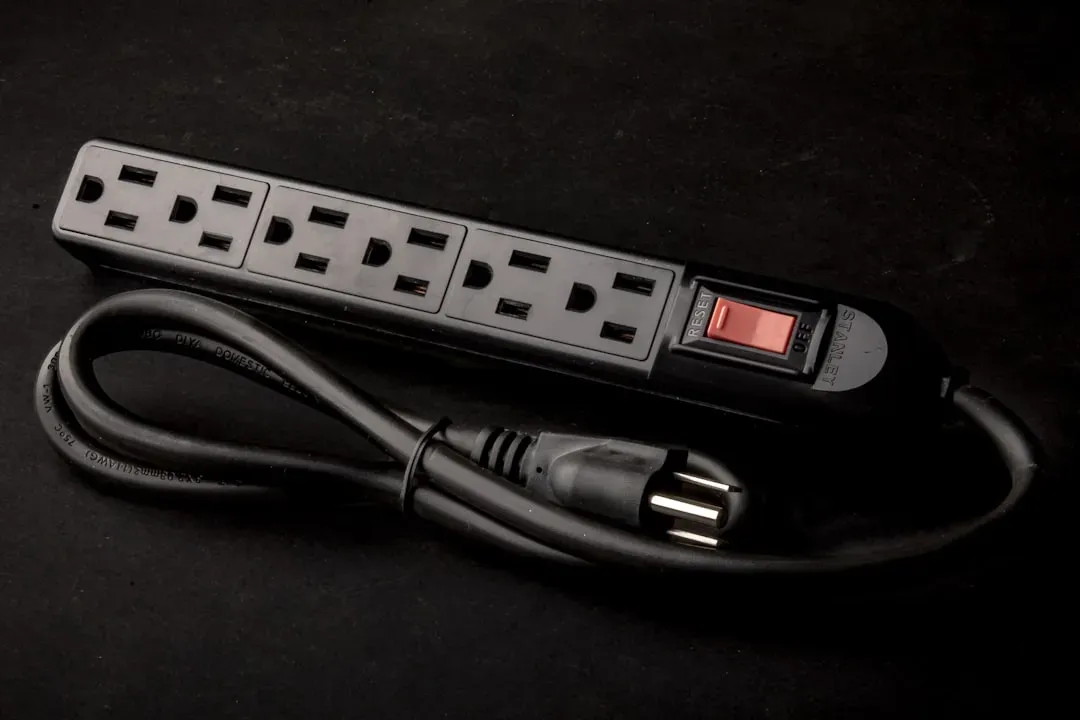
Nearly every home has at least one extension cord snaking across a room – from a lamp behind the sofa to an outlet across the hall. It gets walked over a thousand times without incident. Until it doesn’t. The problem compounds quietly over the years as more devices get added, more cords appear, and nobody clears them because nobody’s tripped yet. Familiarity is the whole hazard.
Cord clips and wall-mounted cable covers cost less than $10 and take about ten minutes to install – but most households never bother until after a fall. Beyond the tripping risk, frayed extension cords are a documented electrical fire hazard, and overloaded outlets should be unplugged when not in use. The danger here isn’t just falling over the cord. It’s also what happens when the cord itself becomes a fire source in a house where nobody smells the smoke in time.
#10 – Skipping Smoke Detector Battery Checks
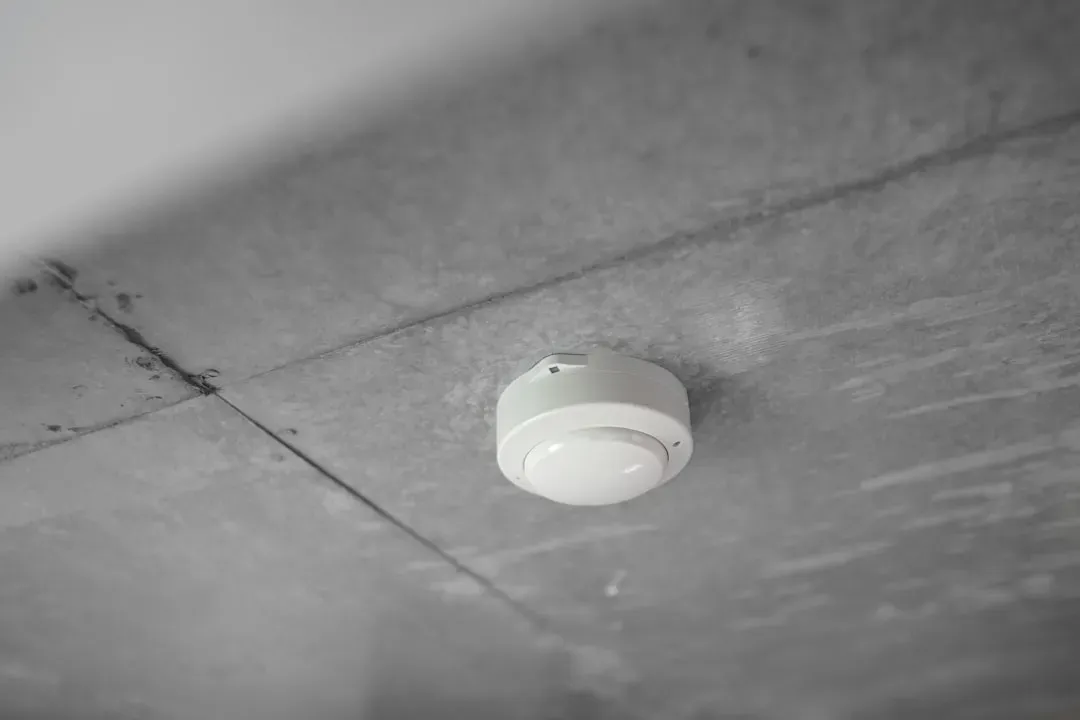
Older adults are at greater risk than any other age group of dying in a house fire. That’s not a scare tactic – it’s documented reality. Slower reaction times, hearing loss, and deeper sleep all shrink the window between an alarm sounding and a safe exit. And yet surveys consistently find that fewer than 20% of Americans check their smoke alarms at least every three months, even though 97% report having one.
A smoke detector with a dead battery is worse than no detector at all – it creates a false sense of security that can cost someone their life. The CDC recommends testing every unit monthly, replacing batteries annually, and replacing the entire detector every ten years regardless of whether it seems to be working. For seniors living alone, this isn’t optional maintenance. It’s the difference between a close call and a tragedy.
Worth Knowing: Smoke & CO Detector Basics
- Working smoke alarms reduce the risk of dying in a home fire by 50%, according to the American Red Cross.
- Replace smoke detector batteries once a year; replace the entire unit every 10 years.
- Test every detector monthly – it takes about 10 seconds per unit.
- Interconnected alarms (wired or wireless) are safest: when one sounds, all sound.
- Combination smoke-plus-CO detectors are available for around $30–$50 and cover both hazards in one device.
#9 – No Carbon Monoxide Detector in the Home
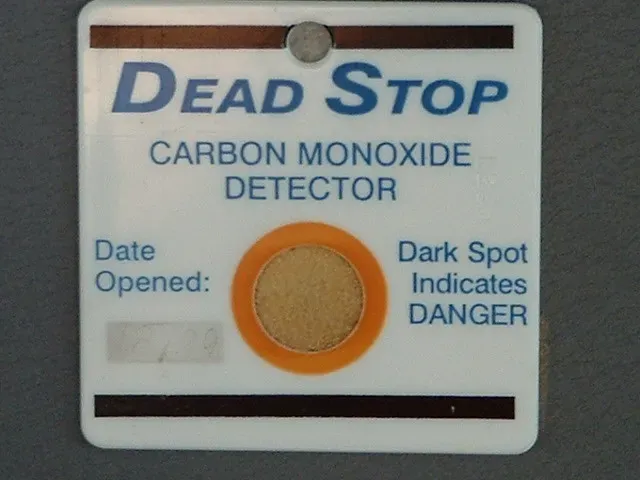
Most homeowners know about smoke detectors. Far fewer have a carbon monoxide detector – and that gap is genuinely deadly. Carbon monoxide is odorless, invisible, and produced by furnaces, gas stoves, fireplaces, and car exhaust. You cannot smell it, taste it, or see it. Over 400 Americans die from accidental carbon monoxide poisoning every year – and many of those deaths happen in homes without a working detector.
Older adults are particularly vulnerable because the early symptoms – headache, dizziness, confusion – can easily be mistaken for fatigue, a cold, or age-related fogginess. By the time the poisoning is obvious, it may already be severe. Every home with a gas furnace, gas stove, or attached garage should have at least one CO detector on each floor. It costs about $25. It has no downside. There is genuinely no reason not to have one.
#8 – Furniture That’s Too Low to Get Up From Safely
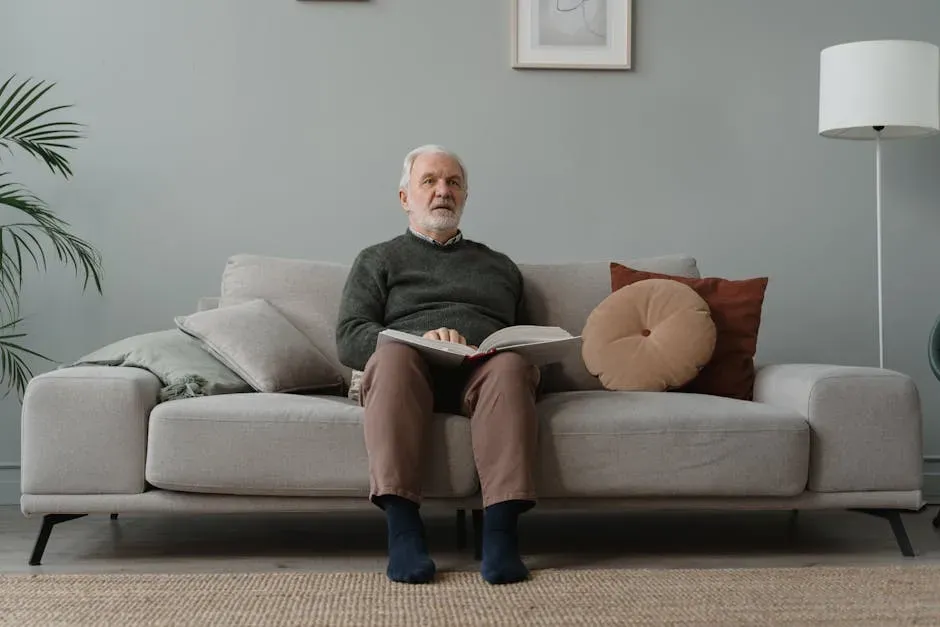
This one almost never shows up on safety checklists, but ER nurses see its consequences constantly. Soft, low sofas and chairs that seemed perfectly comfortable at 45 become genuine hazards at 65. Getting up from a too-low seat requires significant core and leg strength – and it’s often the moment of rising, not the sitting, where people lose balance and fall sideways onto the floor or into a coffee table.
The same problem applies to beds. A mattress set too low forces an awkward push-up position, especially during the first disoriented moments of the morning when balance is at its worst. Firm, higher chairs with armrests are significantly safer for adults over 60 than the plush, low-slung furniture that’s fashionable right now. This isn’t about aesthetics – it’s about whether a person can reliably stand up without grabbing something that might tip over with them.
#7 – Wearing Socks or Loose Slippers on Smooth Floors

It’s comfortable. It feels harmless. And it sends thousands of people to the ER every year. Socks on hardwood, tile, or laminate offer almost zero grip – and the risk multiplies when someone moves quickly to answer the phone or get up in the night without thinking. The combination of a rush, socks on a smooth floor, and a split-second of distraction is a textbook ER scenario that plays out in ordinary houses every single day.
The worst offenders are soft, open-backed “comfort slippers” – they provide almost no lateral support and can slide off the foot mid-step. Proper house shoes with a rubber sole and a closed back are a small investment. Many ER nurses say this single swap – swapping loose socks or backless slippers for gripped, fitted footwear – would prevent a shocking number of the falls they treat every shift. It’s one of the easiest changes on this entire list.
Quick Compare: Footwear Risk at Home
- Bare socks on tile or hardwood – near-zero traction; highest slip risk
- Open-back terry slippers – no heel support; can slide off mid-step
- Flip-flops or sandals indoors – no lateral stability; trip hazard on rugs
- Closed-toe slippers with rubber soles – low risk; recommended by fall prevention programs
- Indoor athletic sneakers – best grip and support; ideal for high-movement hours like mornings
#6 – Cluttered Pathways Between Rooms

Clutter accumulates so gradually that you stop seeing it. A newspaper here, a charging cable there, a small footstool pulled out and never pushed back. Because everyone in the house is used to navigating around these things, family members rarely perceive them as hazards. You walk around that stack of magazines a hundred times safely – and then once, at 2 a.m., half asleep, you don’t. That’s when the familiar becomes dangerous.
Statistically, nearly half of senior falls happen at home on pathways obstructed by clutter. The most critical zones are the path from the bedroom to the bathroom, the area immediately around frequently used chairs, and entryways where bags and shoes pile up. A clear, unobstructed path to the bathroom at night is not a luxury or a tidiness preference. For adults over 60, it is a medical necessity.
#5 – Not Having a Working Phone Within Reach at All Times
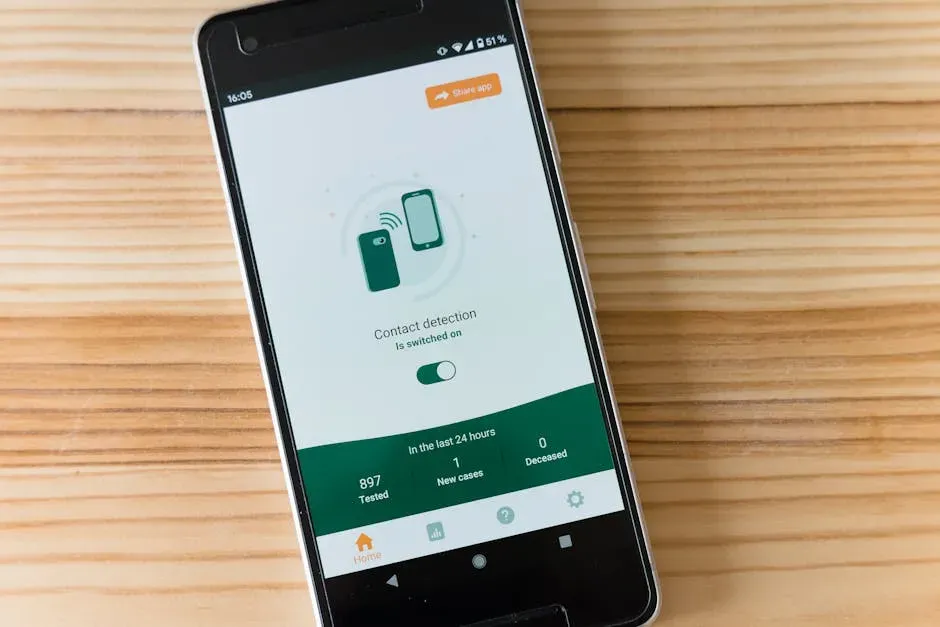
This is the mistake that turns a survivable fall into a tragedy. Someone falls in the kitchen or the bathroom. They can’t get up. Their phone is charging in the bedroom – or sitting on the counter six feet away, completely unreachable. What happens next depends entirely on whether someone checks on them, and how long that takes. For adults who live alone, that window can stretch into hours.
Lying on the floor unable to reach help is not a rare outcome – it’s a documented, preventable cause of death for older adults living alone. Keeping a charged phone on your person while moving through the house is the minimum baseline. Wearable alert buttons – worn as a bracelet or pendant – take it one step further and remove the phone problem entirely. For anyone who has fallen before, or who lives alone, this is one of the most important items on this list.
#4 – Medications Stored Without Clear Organisation

ER nurses rank this higher than most people expect – and for good reason. Adults over 60 are often managing multiple prescriptions, over-the-counter medications, and supplements simultaneously, sometimes more than a dozen. Missing a dose can cause health deterioration. Accidental double-dosing, or mixing medications that don’t interact safely, can cause serious harm. The disorganization is rarely intentional – it just accumulates the same way clutter does.
The risk is double-sided in another way too: research published in 2024 confirmed that taking multiple medications – particularly psychotropics, cardiovascular drugs, and diuretics – significantly raises fall risk among older adults. Many people have no idea their prescription is doing exactly that. A pharmacist review of the full medication list, including supplements, is one of the most valuable and most underused tools available to adults over 60. It costs nothing and can change everything.
#3 – No Plan for Getting Up After a Fall
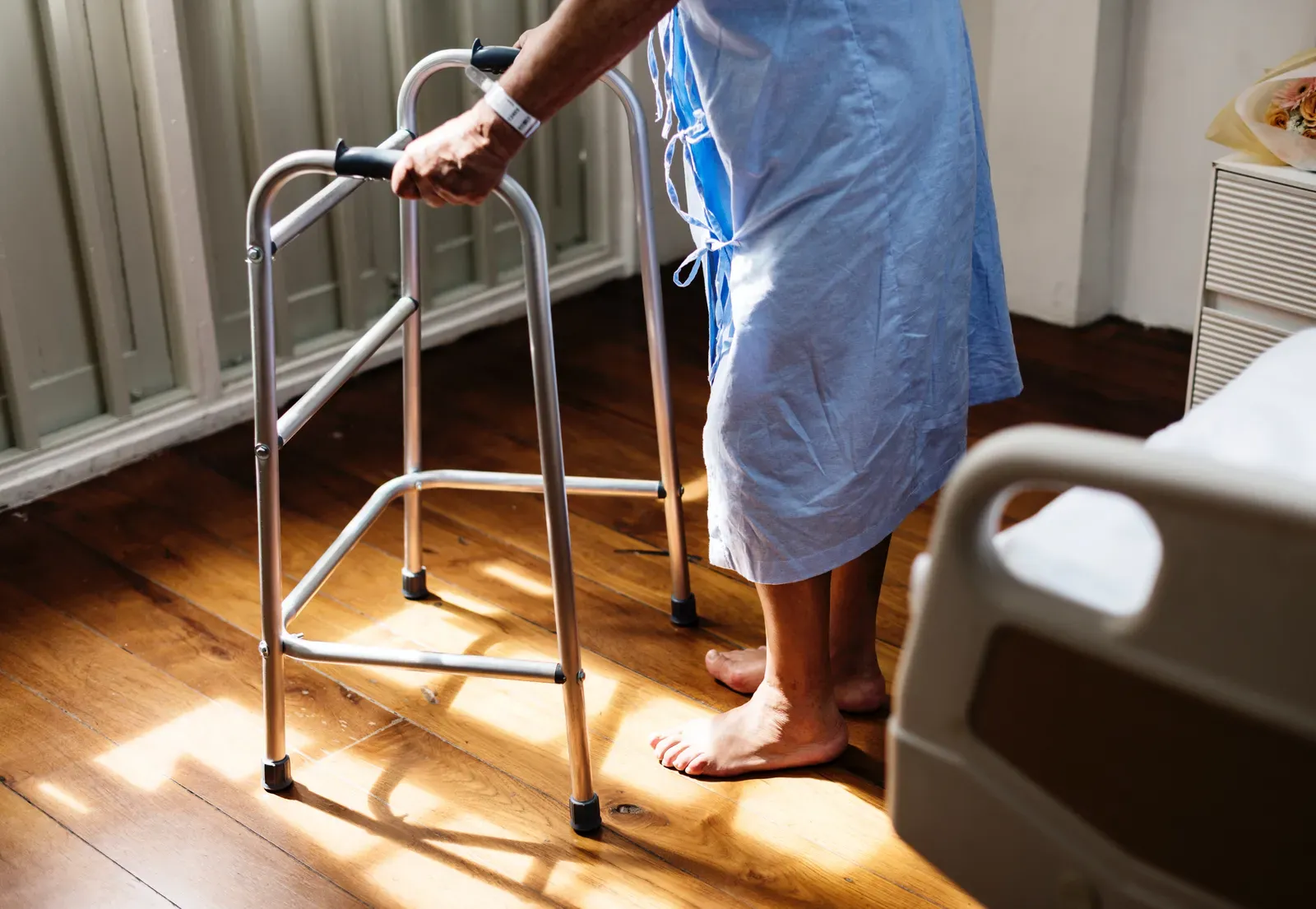
Most people have thought about how to avoid falling. Almost nobody has thought through what happens if they do fall and can’t immediately get up. That gap is genuinely dangerous – not just physically, but psychologically. Many people who fall, even without a serious injury, become so afraid of falling again that they cut down on activity. Less movement leads to weaker muscles. Weaker muscles increase the odds of the next fall. It becomes a cycle that’s hard to break.
Knowing how to safely get up from the floor – or recognising clearly when you can’t and need to call for help – is a skill that can be practised. Physical therapists routinely include floor recovery drills in fall prevention programs. Falls are the leading cause of traumatic brain injury in older adults, which means panicking and thrashing on a hard floor can sometimes cause more damage than the fall itself. Having a wearable emergency button, keeping a phone reachable, and knowing the safe get-up sequence before you ever need it is the difference between a frightening incident and a fatal one.
#2 – Staircases With Only One Handrail – or None at All

Stairs are one of the most statistically dangerous features in any home with an older resident. The risk isn’t just about tumbling down them – it’s also the effort and fatigue of climbing, and the instability that follows when a person reaches the top already off-balance. Many older homes only have a rail on one side, which means if someone loses balance in the direction away from the rail, there is nothing to catch them. It’s a design flaw that’s been there since the house was built.
Sturdy handrails on both sides of every staircase are one of the most straightforward structural changes available. High-contrast stair edge tape – bright white or yellow – improves step visibility for aging eyes that may have trouble judging depth and distance in lower light. For homes where stairs are a daily obstacle, stair lifts are a larger investment that often make the difference between aging in place and moving to assisted living. The staircase doesn’t have to be the most dangerous room in the house – but right now, in most homes, it is.
Why It Stands Out: Staircase Safety Upgrades Worth Prioritising
- Dual handrails – support on both sides catches balance loss in either direction
- High-contrast stair nosing tape – costs under $20; dramatically improves step edge visibility for aging eyes
- Bright overhead lighting – a dedicated stair light switch at both top and bottom prevents trips in the dark
- Decluttered steps – nothing stored on stairs, ever, not even “temporarily”
- Stair lift evaluation – worth discussing with an occupational therapist if stairs are a daily challenge
#1 – Assuming the Home Is Safe Because Nothing Has Happened Yet
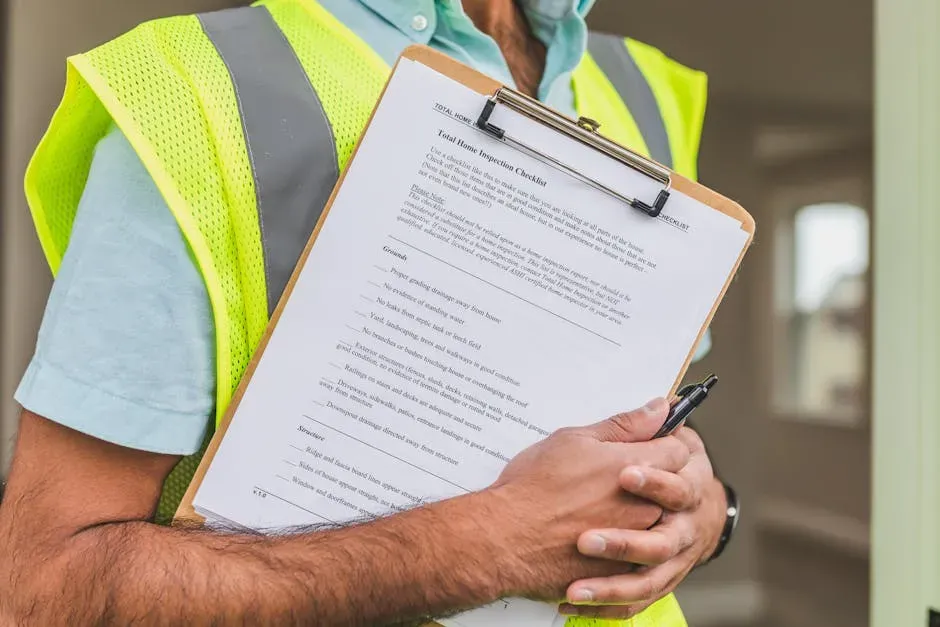
This is the one that ties every other mistake together – and the one ER nurses find most heartbreaking. The very fact that someone has lived in a home for twenty years without incident makes the hazards invisible. The rugs have always been there. The lighting has always been dim. The water heater has never been touched. Nothing bad has happened. Until the day it does – and then everyone wonders how they didn’t see it coming.
Over the past decade, fall-related deaths among older adults have increased by 51%, while emergency department visits have risen by 38%. The home doesn’t get more dangerous overnight. It gets more dangerous as the person living in it changes – and the home stays exactly the same. A professional home safety assessment costs a fraction of a single ER visit, and these evaluations may be covered by Medicare Part B if ordered by a physician, particularly after a recent hospitalization. The best time to go through this list was years ago. The second-best time is right now, before the house has a chance to prove it.
The pattern ER nurses describe isn’t carelessness – it’s familiarity. People live in their homes for decades and genuinely stop seeing what’s slowly become dangerous. A rug that’s been there since 1998. A hallway nobody re-lit after switching to dimmers. A water heater nobody has touched since move-in day. These aren’t failures of intelligence or attention. They’re the natural result of a home that hasn’t kept pace with the person living in it. The good news is that most of these fixes cost less than a single copay and take an afternoon. This list is exactly where to start.