
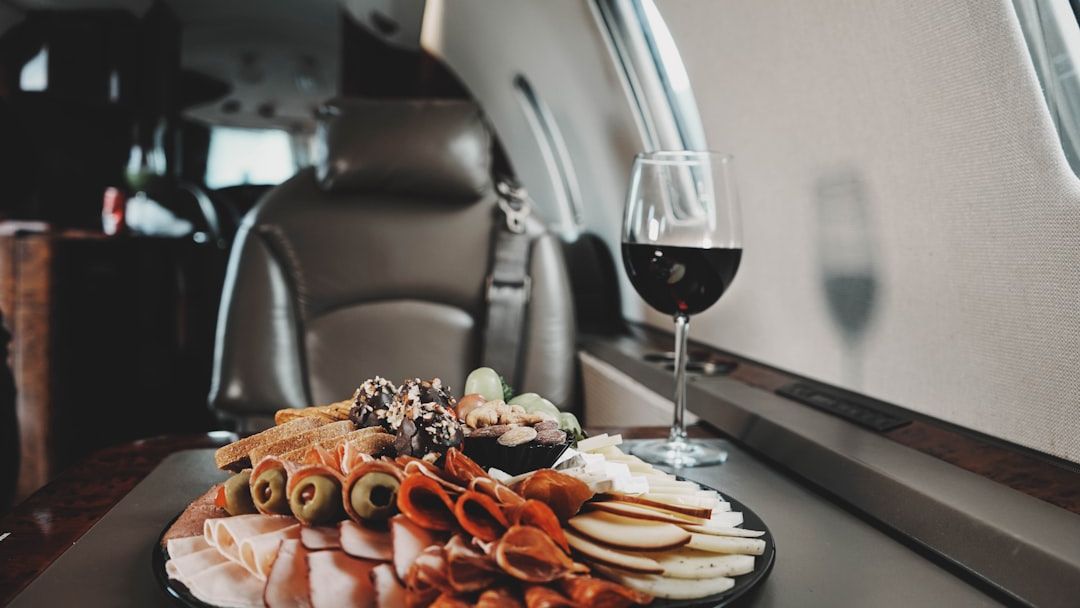
If you’ve ever complained about a bag of stale pretzels and a two-inch recline, buckle up – because commercial flying in the 1970s was a world so different from today that a time-traveling Gen Z passenger would genuinely struggle to process what they were seeing. We’re not talking about minor perks. We’re talking live piano bars at 35,000 feet, no ID required at the gate, your neighbor lighting up a cigarette mid-meal, and a filet mignon served on actual china in coach. Not first class. Coach.
The 1970s sat at the tail end of what historians call the Golden Age of air travel – a high-glamour era when flying was still a social event, not an endurance sport. But it wasn’t all champagne and white tablecloths. Some of it was genuinely alarming by modern standards. Some of it was beautiful in ways that are completely gone. Here are 29 things that defined flying in the 1970s – and that would absolutely baffle, horrify, or impress anyone under 45.
#1 – You Could Smoke a Cigarette Right There in Your Seat

This is the one that stops younger travelers cold. In the 1970s, smoking was not only allowed on airplanes – it was considered a normal part of the flying experience. Airlines designated specific rows as smoking sections, but the lack of real ventilation meant smoke drifted throughout the entire cabin. The “non-smoking section” was mostly a polite fiction. Everyone breathed the same air regardless of where they sat.
From the 1950s through the 1970s, smoking was so commonplace on flights that complimentary branded cigarette packs were often handed out by flight attendants. In 1976, the U.S. Civil Aeronautics Board banned cigar and pipe smoking on aircraft, but the full cigarette ban didn’t arrive until 2000. For nearly three decades, you couldn’t opt out of secondhand smoke at 35,000 feet – and nobody thought that was strange.
Fast Facts
- Cigar and pipe smoking on U.S. flights banned: 1976
- Cigarettes on domestic U.S. flights banned: 1990 (international flights followed in 2000)
- Smoking “sections” existed but shared the same recirculated cabin air
- Airlines including TWA and American distributed their own branded cigarette packs to passengers
- Getting caught vaping in a lavatory today can result in federal charges and fines up to $25,000
#2 – Airlines Actually Handed Out Free Branded Cigarettes as a Welcome Gift

It wasn’t enough that you could smoke – airlines actively encouraged it. Many carriers passed complimentary cigarettes to first-class passengers after meal service. TWA, American Airlines, and others had their own branded cigarette packs, distributed right alongside the cocktail nuts. TWA even branded their Boeing 707s as “StarStream Jets” and commemorated routes with cigarette samplers distributed in airport lounges and on board.
Think about that: an airline handing you a pack of cigarettes the way a hotel leaves chocolates on your pillow. Original artifacts from this era – airline ashtrays, sample cigarette packs, flight attendant instruction manuals – are now collector’s items. The culture around flying and tobacco was so intertwined it was practically part of the brand identity. Today, getting caught vaping in a lavatory can get you arrested.
#3 – Coach Passengers Were Served Gourmet Multi-Course Meals – Free
Airplane food in the 1970s was a far cry from the pre-packaged trays served today. Airlines prided themselves on multi-course meals prepared fresh, often overseen by real chefs – and first-class passengers dined on steak and lobster with fine wines. But here’s what really shocks people: even economy-class meals were genuinely good, with generous portions and multiple choices. This wasn’t a premium upgrade. It was the baseline.
Pan Am flight attendant Anne Sweeney, who worked flights from 1964 to 1975, described eggs cooked to order for breakfast in coach. Other economy dishes included chicken vol-au-vent, beef bourguignon, Cornish hen, and beef stroganoff. Before the airline industry was deregulated in 1978, everything – bag fees, a meal, drinks – was bundled into the ticket price. The pretzels came much, much later.
#4 – A Roast Was Actually Carved Beside Your Seat Mid-Flight
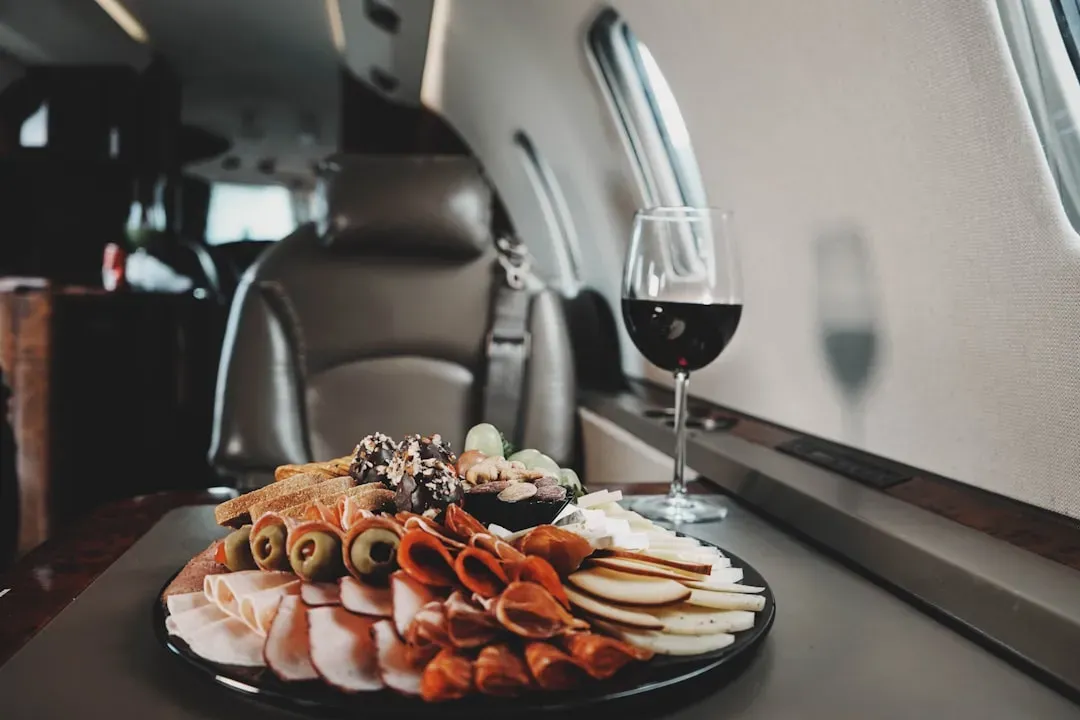
It sounds absurd, but it happened regularly. One traveler described a 1970s flight from JFK to Madrid in which he ordered cocktails at the upper-deck bar before returning to his seat for a meal where a flight attendant carved a roast right there in the aisle. Tableside carving on a commercial aircraft. That’s a level of service you can’t get at most restaurants today, let alone at 35,000 feet doing 500 mph.
Pan Am’s upper-deck dining room – reserved for first class and requiring reservations – accommodated 14 passengers and had two dedicated crew members assigned to the cabin. Former Pan Am galley attendant Lucinda Jamison recalled that the dining service launched in 1973 and was “a fabulous” hit with passengers. Flight attendants worked in elegant uniforms, offered folded linen napkins, china plates, and real silverware. Anyone who flew in the 1970s ate better than most business-class passengers do today – and paid for it in ways we’ll get to later.
#5 – You Could Get Beluga Caviar and Foie Gras as a Starter – in the Air
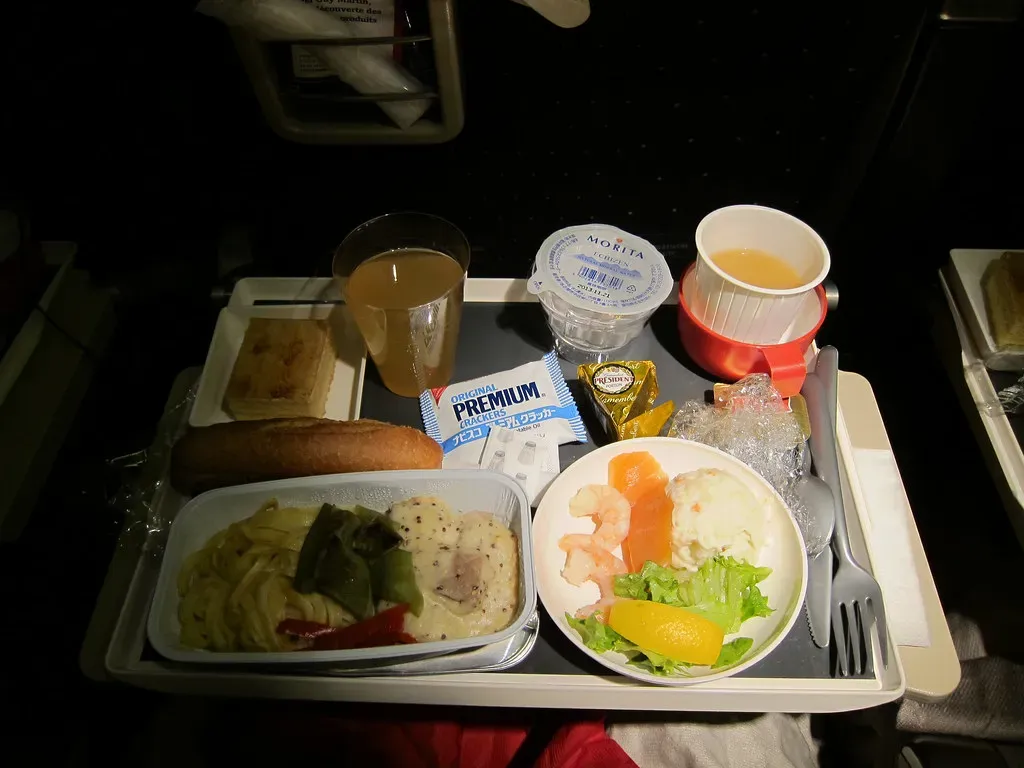
Passengers on certain carriers could choose from chilled Beluga caviar, pâté de foie gras, or Fortnum & Mason smoked Scottish salmon as a starter, followed by Tournedos Rossini, sautéed veal in Madeira sauce, or Sole meunière – all accompanied by fine wines, then Cognac and coffee. This was on a scheduled commercial flight. Not a private jet. A regular ticket.
Because ticket prices were government-regulated and fixed, airlines couldn’t compete on price – so they competed on culinary extravagance instead. Each airline hired well-known chefs to design in-flight menus, and the race to outdo each other produced arguably the greatest era of airplane food in history. The irony is that the very regulation that made flying expensive is what made it extraordinary.
#6 – Alaska Airlines Served Caviar and Live Balalaika Music on Board
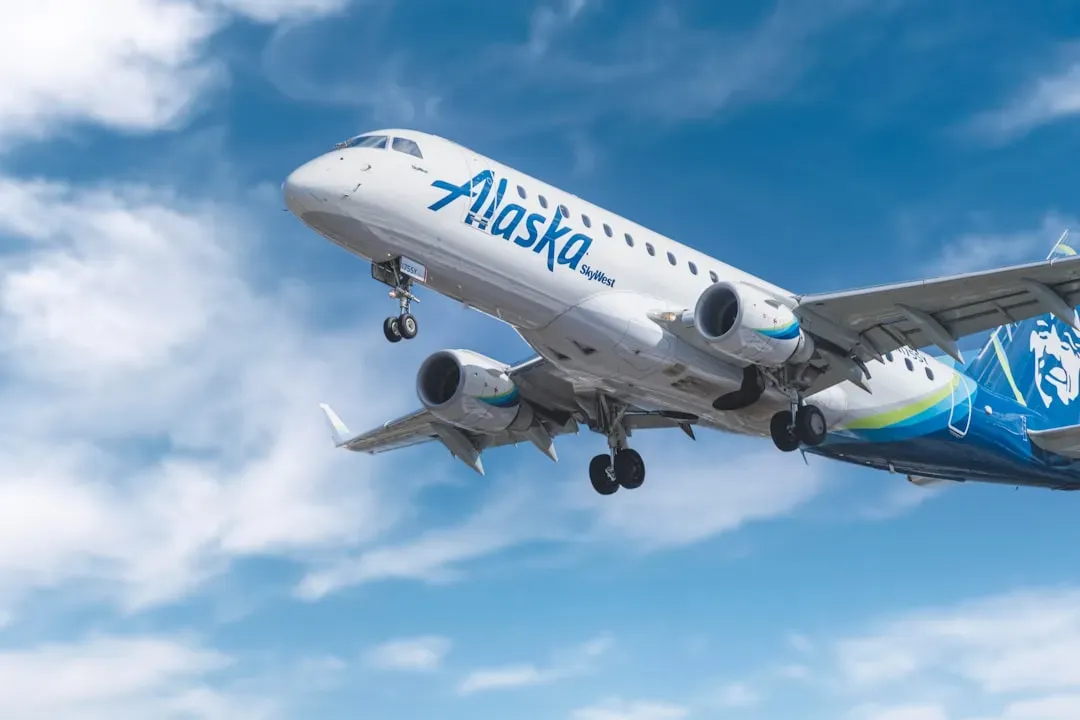
Alaska Airlines took onboard service to a different level entirely in the early 1970s with its Golden Samovar service, honoring Alaska’s Russian past by treating passengers like wealthy nobles. As you boarded, Russian balalaika melodies played while flight attendants in elegant long black maxicoats offered welcome drinks. The hors d’oeuvres included Russian pelmeni dumplings, king crab leg, and caviar. On a domestic Alaska flight.
This is what price regulation forced airlines to do creatively: when you can’t lower your fare, you go full imperial Russian banquet at altitude. The Golden Samovar is one of the most remarkable things any domestic carrier has ever pulled off – and it only existed because the government wouldn’t let airlines compete any other way. Deregulation gave us cheaper tickets. It also killed the balalaika.
#7 – Planes Had Actual Cocktail Lounges With Sofas and a Bar
The Boeing 747 entered service with Pan Am on January 22, 1970, and first-class passengers had elaborate spaces for relaxation, socializing, and outright partying in upper-deck cocktail lounges. These weren’t cramped little beverage carts. They were real lounge spaces with seating, conversation areas, and bartenders. Each airline gave its lounge a distinct identity: Qantas built a nautical-themed Captain Cook First Class Lounge with a bright orange wraparound sofa and seating for 15 passengers. Japan Airlines installed a Tea House in the Sky. TWA had its Penthouse Lounge. Continental Airlines had a pub open to all passengers.
After the 747 launched, the economy dipped and planes flew emptier than anticipated – so airlines began pulling seats from coach to bring a bit of that upper-deck luxury downstairs, sparking what insiders called the “Great Lounge War.” It didn’t last. By the 1980s, rising fuel prices forced airlines to convert every lounge space back to seats. The era of onboard pubs and piano bars quietly disappeared, and most passengers alive today have no idea it ever existed.
At a Glance: The 747 Upper-Deck Lounge Wars
- Pan Am: Upper-deck first-class dining room with tableside roast carving (from 1973)
- Qantas: Captain Cook Lounge – nautical theme, orange wraparound sofa, seats for 15
- Japan Airlines: Tea House in the Sky
- TWA: Penthouse Lounge
- Continental: Main-deck pub lounge, open to all passengers
- American Airlines: Piano bar with a live Wurlitzer on the main deck
#8 – American Airlines Had a Live Piano Bar in Economy Class
This is the one that makes people’s jaws drop. American’s Boeing 747s came equipped with a fully functioning piano bar on the lower deck – not a recording, not a sound system, but a live performance space. Because turbulence could knock a traditional piano out of tune mid-flight, American used electric Wurlitzer organs. The very first performance was inaugurated by Frank Sinatra Jr. himself.
Continental had cocktail lounges with sofas. American had live music. And here’s the part that really lands: this wasn’t a first-class exclusive. Coach passengers on American’s 747s could walk down, order a drink, and listen to live music in the piano bar on a domestic flight. Today, the height of luxury is a shower on Emirates. In 1970, it was a Wurlitzer and a gin and tonic somewhere over Kansas.
#9 – You Didn’t Need an ID to Board a Plane
Here’s one that will genuinely baffle anyone who’s spent 45 minutes in a TSA line. In the 1970s, ID wasn’t required to board. Tickets were transferable – you could hand yours to a friend if your plans changed and no one would stop them at the gate. The concept of verifying that the person on the ticket was actually the person traveling simply didn’t exist as a formal requirement.
Until September 11, 2001, anyone could walk past airport security – ticket or not. Friends and family accompanied travelers all the way to the gate, watched them board, and waved from the window. The 9/11 attacks created the TSA, and with it, the end of casual gate access for anyone without a boarding pass and a government-issued ID. That tearful gate farewell that shows up in so many old movies? It was real. And it’s permanently gone.
#10 – Friends and Family Walked You All the Way to the Gate
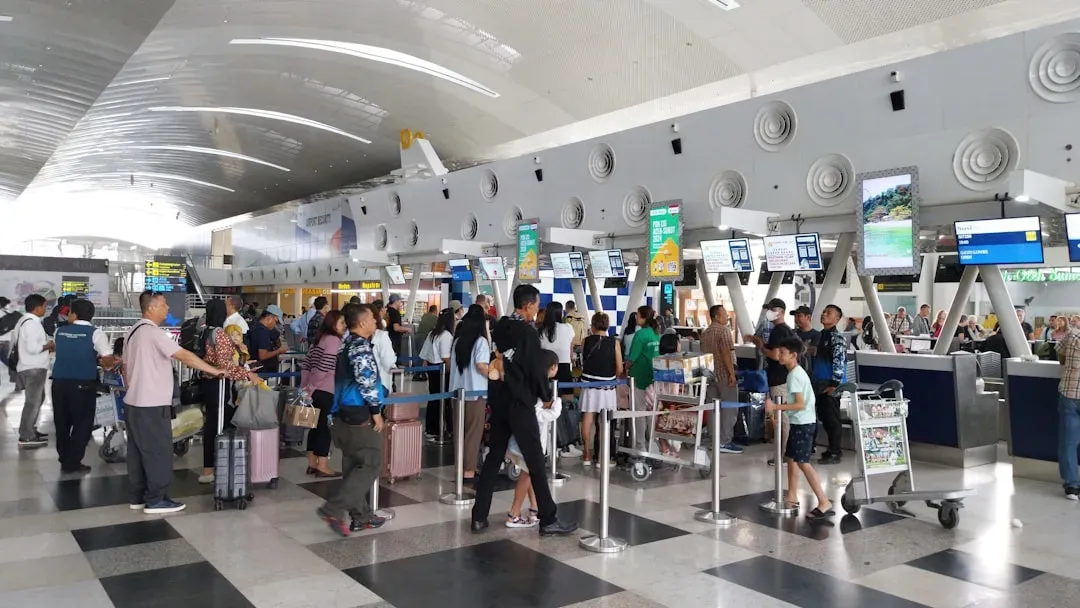
The airport goodbye used to mean something. Before security checkpoints divided terminals, friends and family accompanied travelers all the way to the gate – grabbed coffee together, sat in the departure area, and lingered until the last possible second before boarding. Coming home, your whole family could be standing right at the jetway door. The reunion happened the moment you stepped off the plane, not in a crowded baggage claim.
For millions of Americans, the airport gate was where some of the most emotional moments of their lives happened: send-offs before long separations, reunions after months apart. The terminal was a public space, open to anyone. Today’s security-divided airport – where non-ticketed visitors are stopped before they reach the gates – would look like a completely alien world to anyone who flew in the 1970s.
#11 – There Was No TSA – Each Airline Screened Its Own Passengers
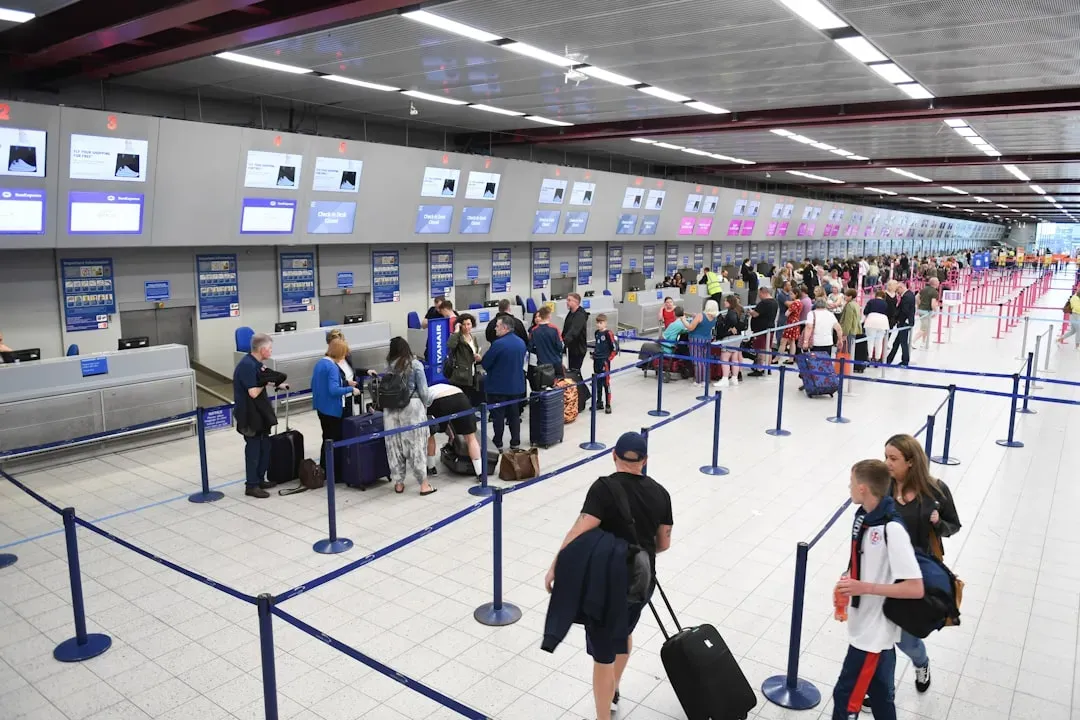
In the 1970s, each airline screened its own passengers with its own standards. American Airlines screened American passengers. United screened its own. There was no unified federal security force, no standardized protocol, and no centralized oversight. The standards varied wildly between carriers, and the entire concept of a national security apparatus at airports simply didn’t exist.
Passengers weren’t required to go through metal detectors until 1973, and even then it was patchwork. The first serious airport security measures came in response to a wave of hijackings – the FAA ordered cockpit doors locked and added Sky Marshals to select flights. The TSA wasn’t created until after 9/11, specifically to establish unified federal control over airport security. For most of the 1970s, the person checking your bag worked for the airline, not the government.
#12 – The Cockpit Door Was Often Left Wide Open
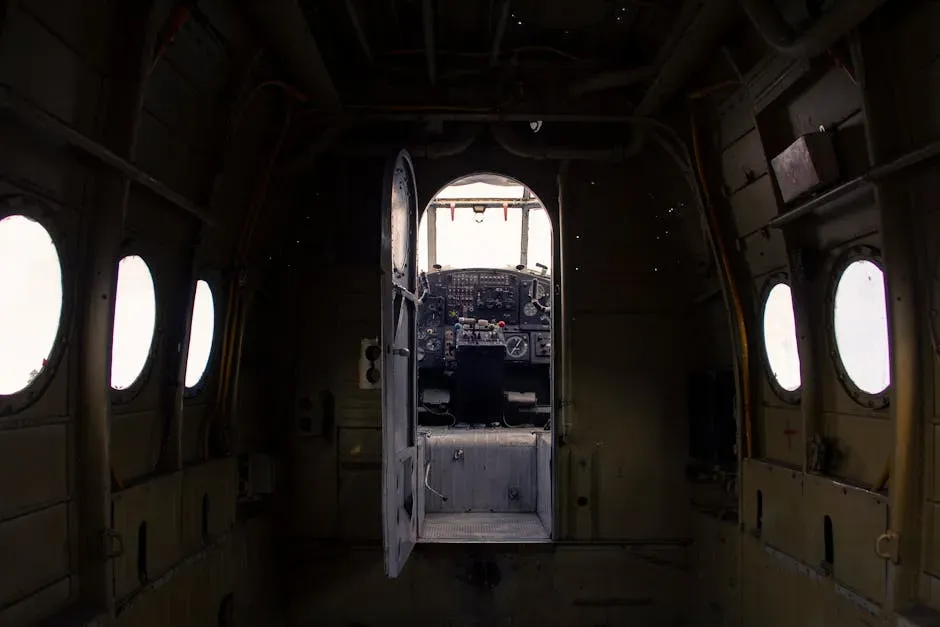
The cockpit door was routinely left open during flights, and children were regularly invited inside to watch the pilots work. Being waved into the cockpit mid-flight to say hello to the captain wasn’t a rare special occasion – crews did it routinely, parents thought nothing of it, and the cockpit was practically a tourist attraction at cruising altitude. The whole thing felt like a behind-the-scenes factory tour.
Today, cockpit doors are reinforced, locked from the inside, and designed to withstand significant physical force – a direct response to post-9/11 security overhauls. Even before that, a wave of hijackings in the 1960s prompted the FAA to order cockpit doors locked on certain flights. The shift from open-door hospitality to armored fortress happened gradually, then all at once. The image of a six-year-old sitting in the captain’s chair while the plane cruised at 35,000 feet now reads like something from a different civilization.
#13 – You Could Walk Onto a Plane With Almost No Security Check
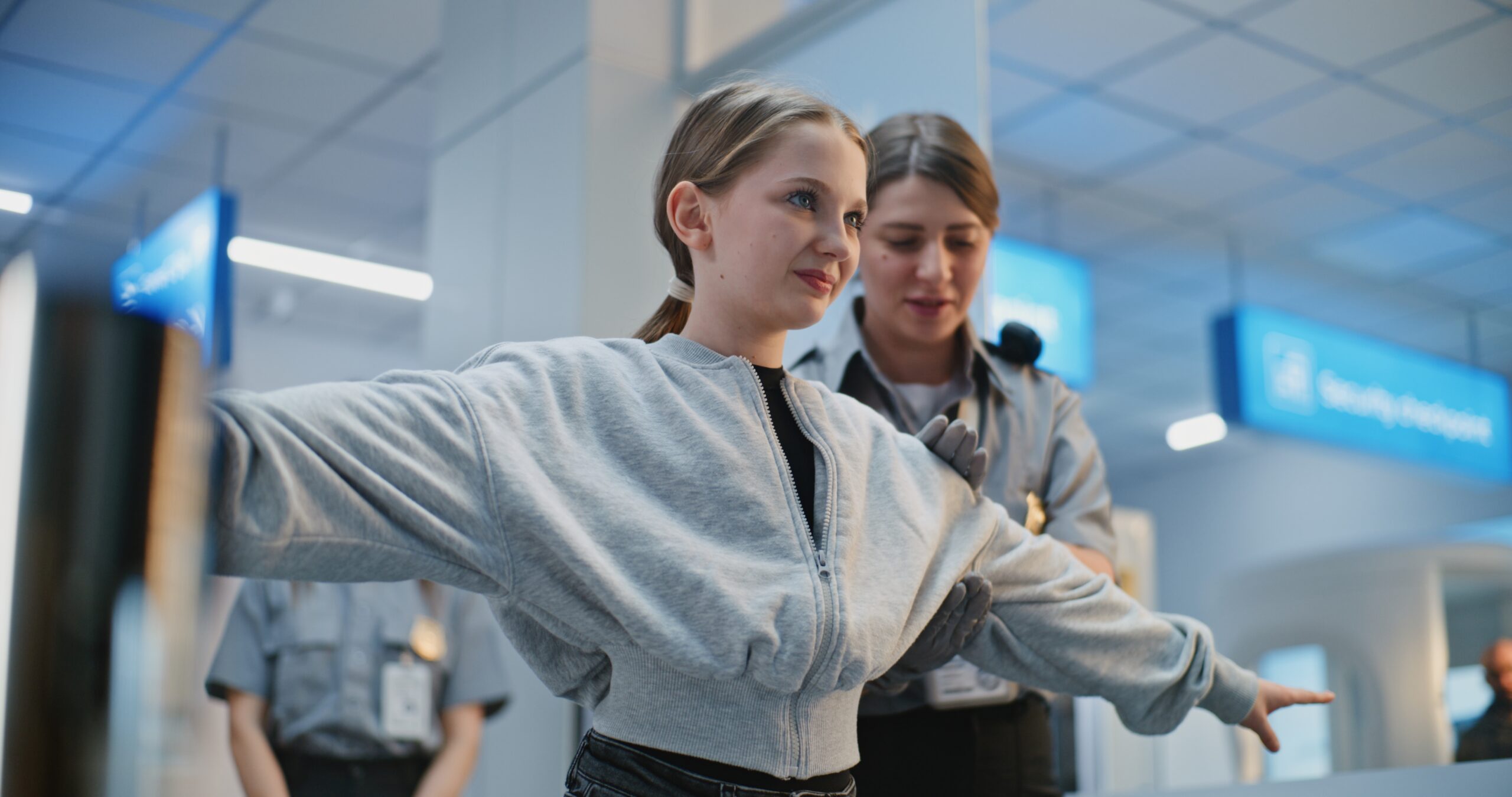
Picture getting on a flight the way you’d board a city bus. That’s roughly what it was like in the 1970s. No shoe removal, no laptop tray, no liquid restrictions, no full-body scan. You walked to the gate, showed your ticket, and boarded. The entire pre-flight experience took minutes. For most travelers, the concept of a security line that consumed an hour of their day simply did not exist.
The minimal checks of the era produced some genuinely staggering stories. Soldiers returning from Vietnam reportedly boarded commercial flights carrying rifles without significant challenge – one account described a traveler arriving from Vietnam to Los Angeles with a trophy rifle, stowed by a flight attendant during the flight and returned before deplaning. By today’s standards, that story reads like fiction. At the time, it was Tuesday.
#14 – The Boeing 747 Had a Spiral Staircase Inside
Early 747s had two decks connected by a spiral staircase, and you could literally walk upstairs mid-flight. That staircase wasn’t just structural – it was social. It was the passage between the main cabin and the upper-deck lounge, and climbing it felt like stepping into an entirely different world. Pan Am used it to access a first-class dining room where roast beef was carved tableside and conversation flowed over fine wine – with dedicated crew members assigned to serve just 14 guests at a time.
The Boeing 747 entered service with Pan Am on January 22, 1970, and the upper-deck lounge was originally conceived by Boeing as a rest area for flight crews before Pan Am chairman Juan Trippe helped transform it into the passenger lounge the aircraft became famous for. Each airline that followed gave the space its own name and personality. Braniff’s 747 promised passengers “a place to live well in flight” with six lounges and ten conversation foyers across a 185-foot-long cabin. No aircraft since has matched the theatrical drama of boarding one of those original 747s.
#15 – Pan Am Was So Beloved That 30% of Passengers Chose It for the Upper Deck Alone
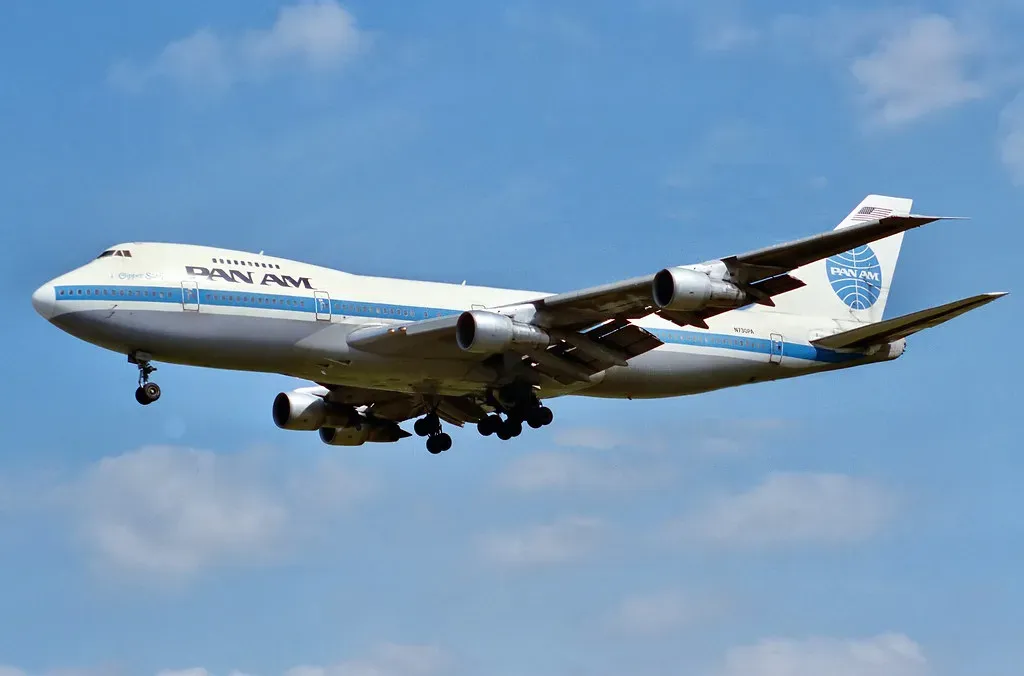
Surveys at the time showed that roughly 30% of Pan Am’s passengers chose the airline specifically for the upper-deck dining experience. Nearly a third of transatlantic travelers were booking their flights based primarily on where they’d eat and socialize during the journey – not the destination, not the schedule. The flight itself was the event. Pan Am didn’t just transport people. It gave them something to look forward to.
Pan Am was America’s leading international airline since 1928, and its 747 experience became the benchmark against which every competitor was measured. The bombing of Pan Am Flight 103 over Lockerbie, Scotland in 1988 devastated the already-struggling carrier, and Pan American ceased flying in December 1991. One of the most iconic brands in aviation history, gone. Many argue nothing has come close to replacing what Pan Am represented at its absolute peak.
#16 – Airplane Bathrooms Had Fresh-Cut Flowers in Them

In the 1970s, airplane lavatories on flagship carriers actually featured fresh-cut flowers. They were larger than what most people have in their homes, and airlines treated them as part of the overall luxury product. Today’s airplane lavatory – accordion door, broken soap dispenser, 14 inches of turning radius – is almost a parody of what the 1970s version looked like. The gap between then and now is genuinely staggering.
The attention to bathrooms reflected a broader philosophy: when the government sets your ticket prices and you can’t compete on fare, every touchpoint becomes part of the product. Flowers in the lavatory weren’t vanity – they were strategy. Prior to deregulation, airlines weren’t filling seats at maximum density. They were selling an experience from the moment you boarded to the moment you deplaned. Flowers and all.
#17 – Seats Were Dramatically Bigger – and Nobody Complained About Legroom
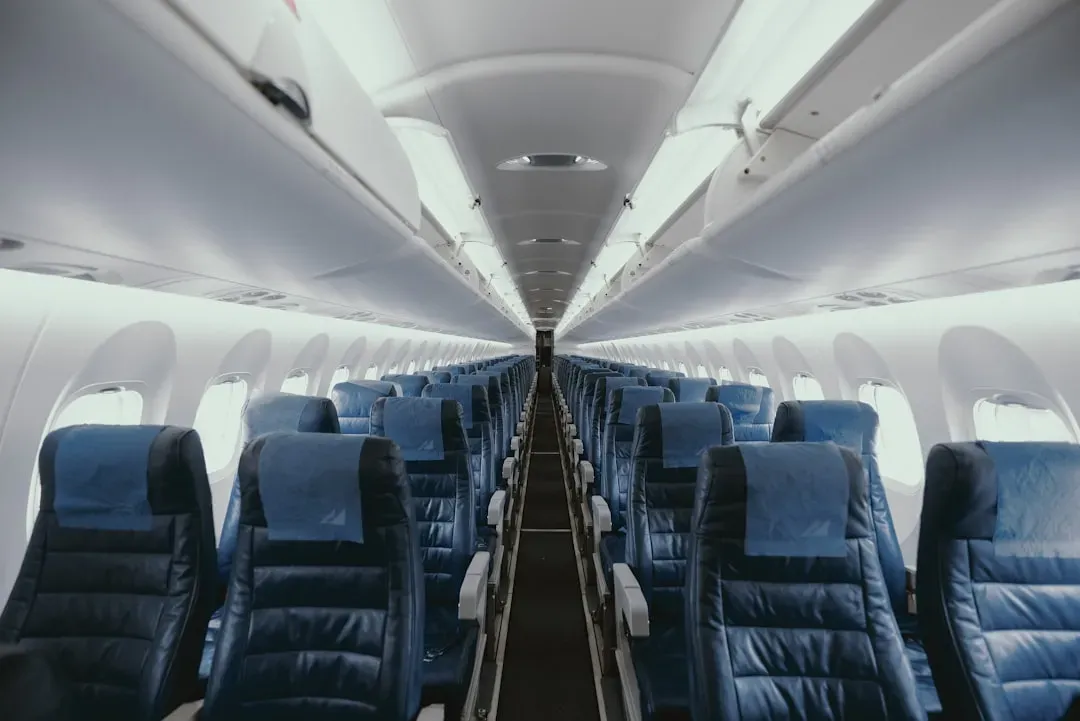
The average seat pitch in economy class before airline deregulation in the 1970s was around 35 inches. Today, most major U.S. carriers average about 31 inches – and budget airlines like Spirit drop to just 28. That’s not a minor adjustment – that’s the difference between sitting comfortably and spending three hours with someone else’s seat back pressed against your kneecaps. Legroom wasn’t a premium you paid extra for. It was just what a seat was.
Seat width has followed the same trajectory. In 1985, none of the main four U.S. carriers offered a seat less than 19 inches wide. By the mid-2000s, average seat width had dropped to around 17 inches on many aircraft. Before deregulation, airlines weren’t incentivized to squeeze in extra rows – the experience was a luxury, and the seat reflected that. Today, those extra inches cost money. If you can find them at all.
Quick Compare: Economy Seats Then vs. Now
- Seat pitch, 1970s average: ~35 inches | Today’s U.S. average: ~31 inches
- Budget carrier pitch today: as low as 28 inches (Spirit, Wizz Air)
- Seat width, 1985: no major U.S. carrier offered under 19 inches
- Seat width today: commonly 17–17.3 inches on short-haul Boeing aircraft
- Best economy legroom in 2026: Japan Airlines & ANA at 34 inches – matching the 1970s standard
#18 – Alcohol Was Free and Unlimited – Including in Coach
The era from the 1950s through the 1970s became known as the Golden Age of air travel partly because the free-flowing alcohol never stopped. Some airlines offered a full bottle of liquor to every of-age passenger, with champagne flowing freely even in economy. Complaining that your drink costs $14 on a modern flight is completely reasonable – because in the 1970s, the same drink was handed to you before you even asked.
Airlines recreated luxury lounges onboard where passengers could enjoy unlimited drinks while catching up on comfortable couches. Even regular coach passengers received custom cocktails with their multi-course meals. The economics only worked because every seat cost significantly more in real terms – but in the moment, it felt like pure generosity. Today, most airlines charge for a can of soda. The contrast is not subtle.
#19 – Flight Attendants Had to Be Single, Slim, and Young – Written Into Their Contracts
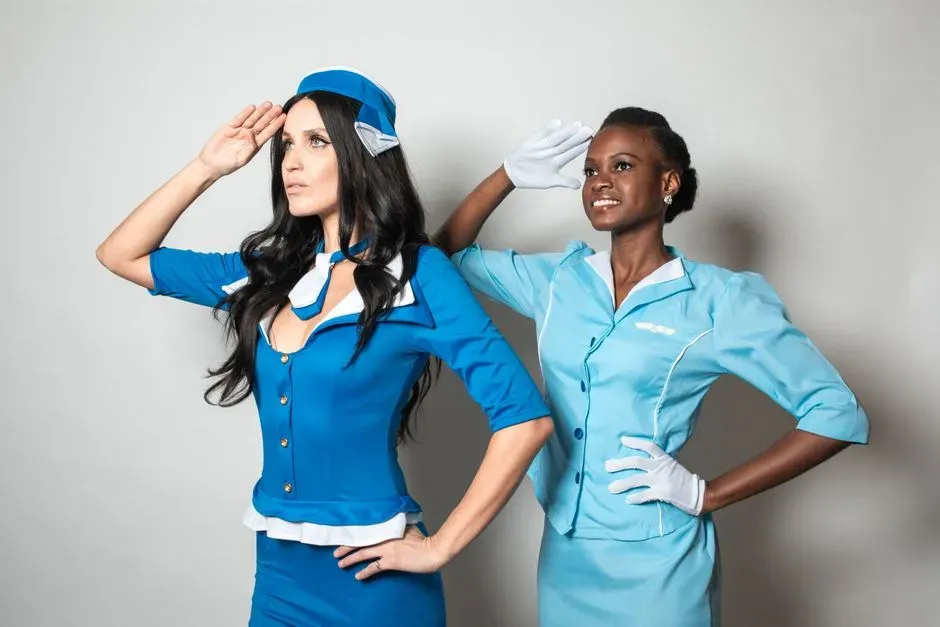
This one isn’t glamorous nostalgia – it’s a genuine horror. In the 1970s, flight attendants were required to be single. Getting married meant losing your job, full stop. This wasn’t an informal preference or a cultural pressure. It was written into employment contracts, enforced by airlines, and accepted as industry standard. The moment you said “I do,” your career was over.
On top of that, women had to weigh under 140 pounds and maintain “slender figures.” Height requirements were strict. Weight was monitored and enforced. Flight attendants were subjected to rigorous beauty standards, routine harassment from male passengers and pilots, and near-zero legal protection. These practices were gradually dismantled through legal action and labor activism across the 1970s and 1980s – but the era defined the profession in ways that took decades to fully undo. The glamour had victims.
#20 – Flying Was Statistically Far More Dangerous Than It Is Today
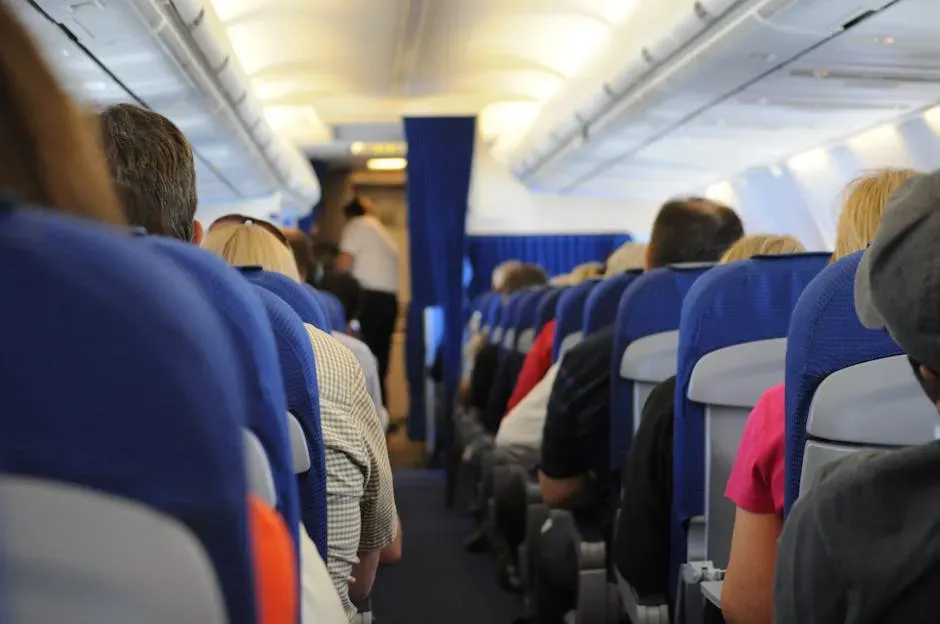
The Golden Age had a dark underside. For all its lobster and piano bars, roughly one in every 165,000 flights in the 1970s ended in a fatal accident. That number is almost unimaginable by modern standards. Aviation safety today is so dramatically better that the two eras are barely comparable. The luxury and the danger coexisted, and most passengers simply didn’t dwell on the latter.
Air travel is measurably safer now thanks to better aircraft engineering, computerized navigation, vastly improved pilot training, and rigorous international protocols. The hijacking crisis of the late 1960s and early 1970s was a genuine emergency that forced the industry to change. Safety improved because it had to – and the carefree, open atmosphere of the early jet age was part of the price paid to get there. We traded the open cockpit door for survivability. That was probably the right call.
#21 – The Government Told Airlines Exactly What They Could Charge and Where They Could Fly
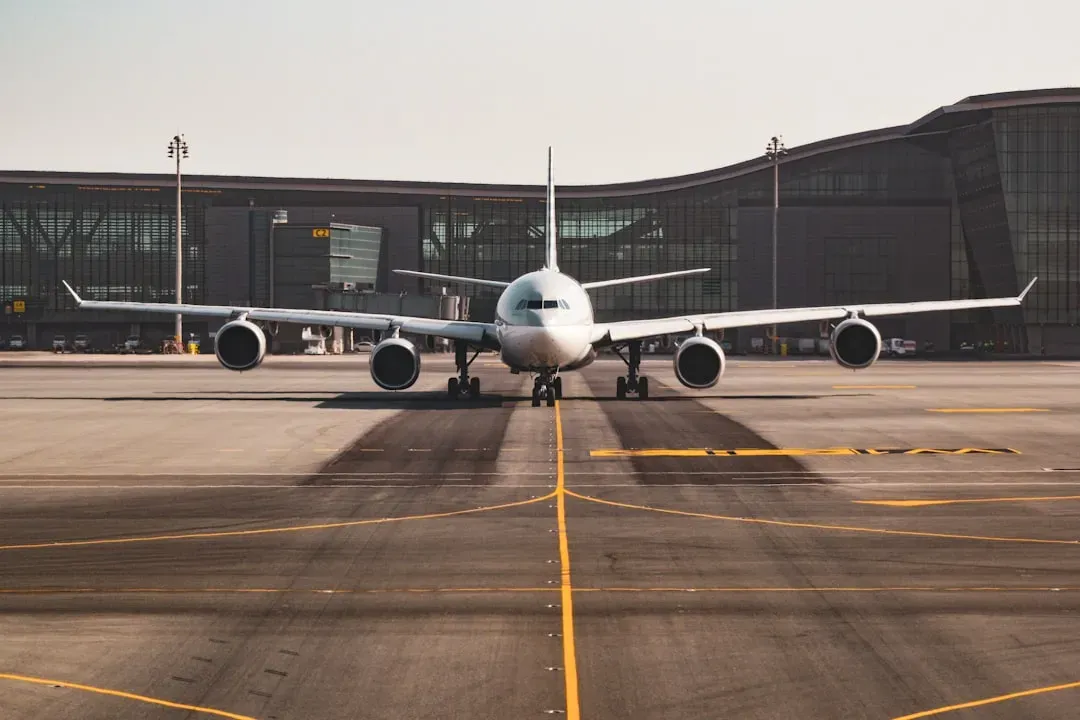
Since 1938, the Civil Aeronautics Board regulated every major economic decision in domestic commercial aviation – which airlines could operate, which routes they could fly, and what fares they could charge. There was no such thing as hunting for a deal on a comparison website. Every airline charged the same price for the same route because the government mandated it. The concept of a flight sale simply did not exist.
The 1973 oil crisis and stagflation cracked this rigid system wide open. The Airline Deregulation Act of 1978 removed federal control over fares, routes, and market entry. When you factor in inflation, travelers today pay roughly half what passengers paid in 1978. Deregulation made flying affordable for millions of Americans who’d never been able to afford it. The trade-off was losing almost every luxury that defined the Golden Age – a deal that, by the numbers, most people quietly accepted.
Worth Knowing
- The Civil Aeronautics Board controlled domestic airline fares from 1938 to 1978 – 40 years of fixed pricing
- Airlines legally could not undercut each other on price, so they competed entirely on food, service, and décor
- The Airline Deregulation Act was signed by President Carter on October 24, 1978
- Adjusted for inflation, average domestic fares today are roughly half what they were in 1978
- Within a decade of deregulation, nearly every in-flight luxury – meals, lounges, free drinks – had been eliminated from coach
#22 – Airlines Competed by Offering More Lavish Food – Not Lower Prices
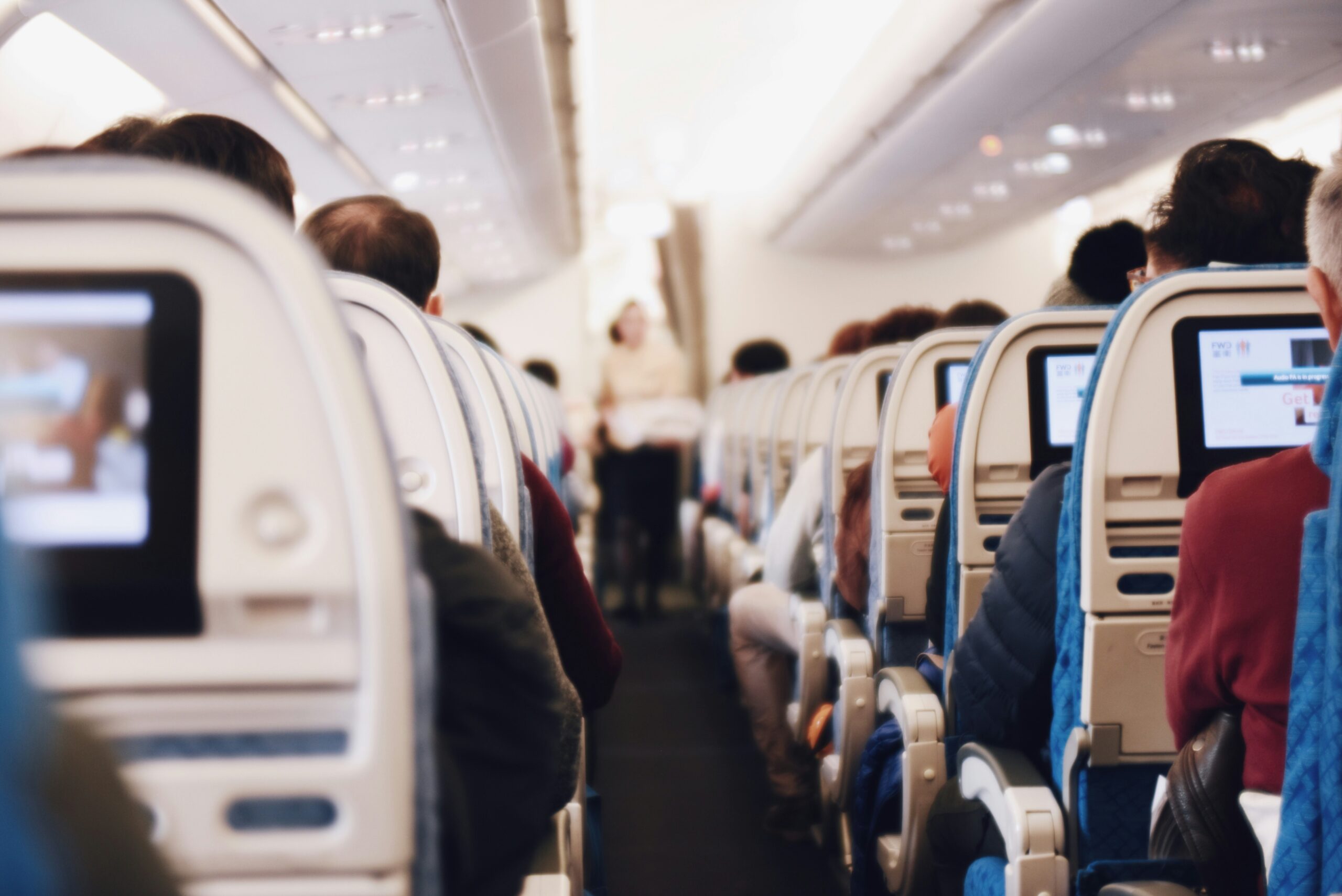
Because price competition was illegal, airlines channeled everything into the passenger experience. The result was a hospitality arms race: every carrier trying to outdo the others with more elaborate food, more generous drinks, more theatrical service. It was extraordinary for passengers – and ultimately unsustainable for airlines trying to fill increasingly large planes in an increasingly volatile economy.
The turning point came when Freddie Laker launched his low-cost transatlantic Skytrain service, and passengers voted with their wallets. Airlines quickly discovered that most travelers would trade a lobster bisque for a $200 transatlantic fare without a second’s hesitation. That revelation effectively ended the Golden Age. The race to the bottom on price began, and the race to the top on experience ended almost overnight.
#23 – Ticket Prices Were So High That Only the Wealthy and Business Travelers Flew
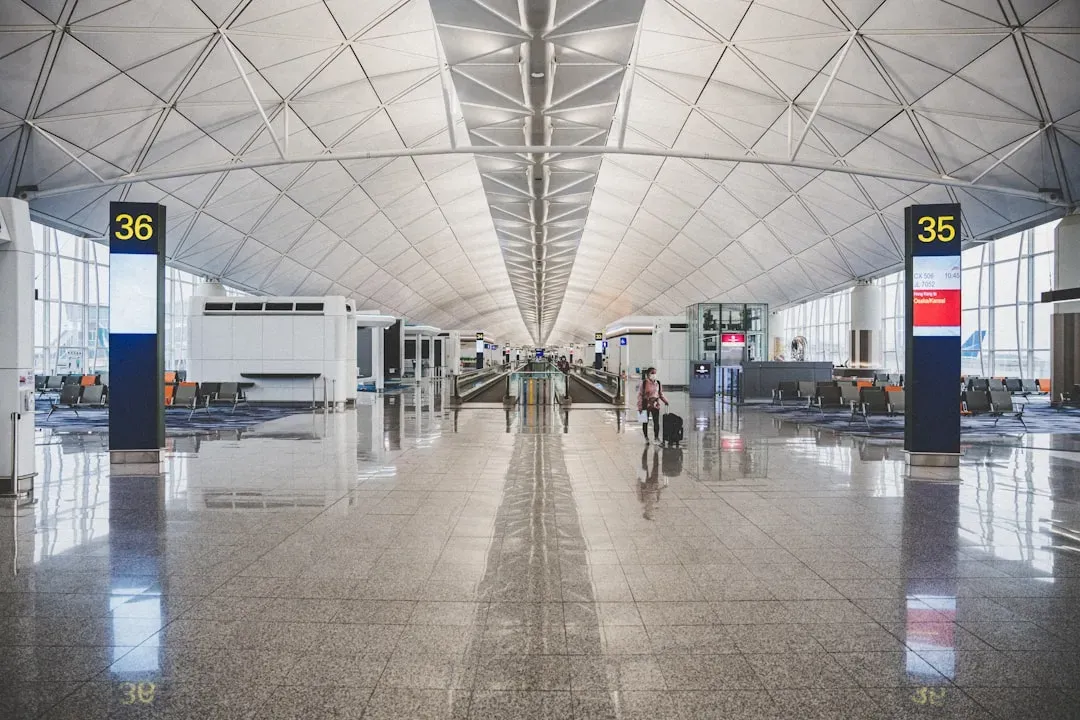
The glamour had a velvet rope. A basic domestic round-trip in the 1970s cost the equivalent of several hundred to several thousand dollars in today’s money, depending on the route. The extraordinary in-flight experience existed precisely because airlines could only attract passengers willing to pay a premium – and those passengers expected to be treated accordingly. The Golden Age was golden for those who could afford a seat.
Flying was also difficult for Black travelers in the 1970s. Airlines could no longer legally segregate passengers in-flight, but many U.S. airports remained segregated, and racism shaped the travel experience in very real ways. The nostalgia around 1970s air travel is genuine – but it’s felt most powerfully by those who were never excluded from it. The glamour and the injustice coexisted, and the full picture matters when we look back.
#24 – Holiday Flights Were Decorated and Served Seasonal Meals

Flying on Thanksgiving in the 1970s meant a proper Thanksgiving dinner at altitude – turkey, stuffing, the trimmings – not a sad foil-wrapped sandwich pulled from a cart. Special holiday flights were common, with airlines decorating cabins for Christmas, offering Valentine’s Day champagne, and serving seasonal menus that turned a flight into part of the celebration itself. The journey was a memory, not just a transition.
Occasionally, musicians and performers entertained passengers on long-haul holiday flights. The idea that a holiday flight was its own kind of event – not just a way to get somewhere in time for dinner – reflects how profoundly different the cultural relationship with flying was in the 1970s. Airlines understood that the experience was the product. That philosophy has almost entirely vanished from commercial aviation, replaced by a relentless focus on cost per seat mile.
#25 – Boarding Passes Were Handwritten
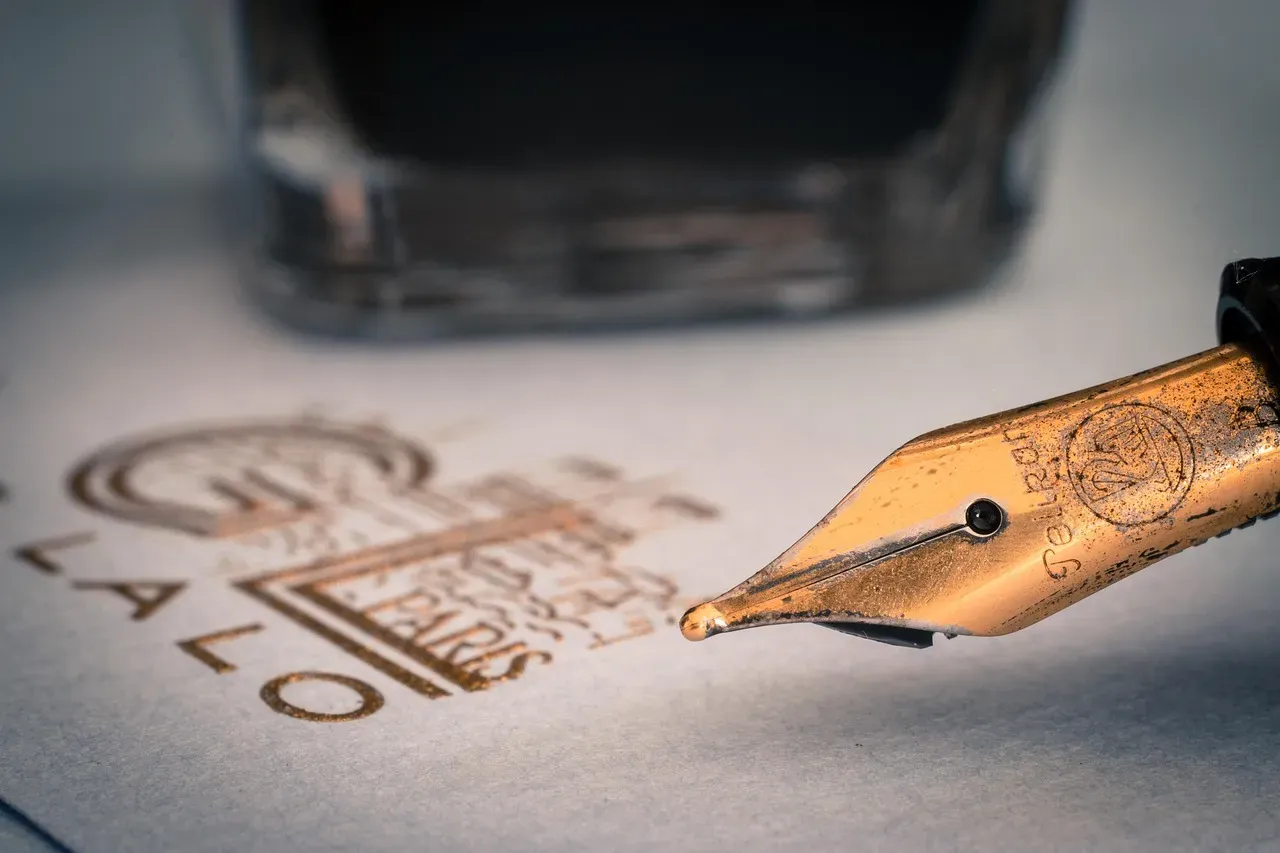
Check-in agents manually filled out passenger details by hand on paper tickets, usually stored in leather ticket wallets. There was no barcode to scan, no digital confirmation to pull up on a phone. The ticket was a physical artifact – a tangible keepsake of the journey. Losing it was a genuine crisis with no easy recovery. You couldn’t just pull up a screenshot.
The whole check-in process was slow by modern standards and deeply personal. Airline employees wrote down your details, knew your name, and often assisted travelers individually with specific needs. It was inefficient, intimate, and entirely human. Efficiency is the thing that costs us the most humanity – and modern aviation is one of the clearest examples of that trade-off playing out at industrial scale.
#26 – Everyone Dressed Up. Formally. Even the Kids.
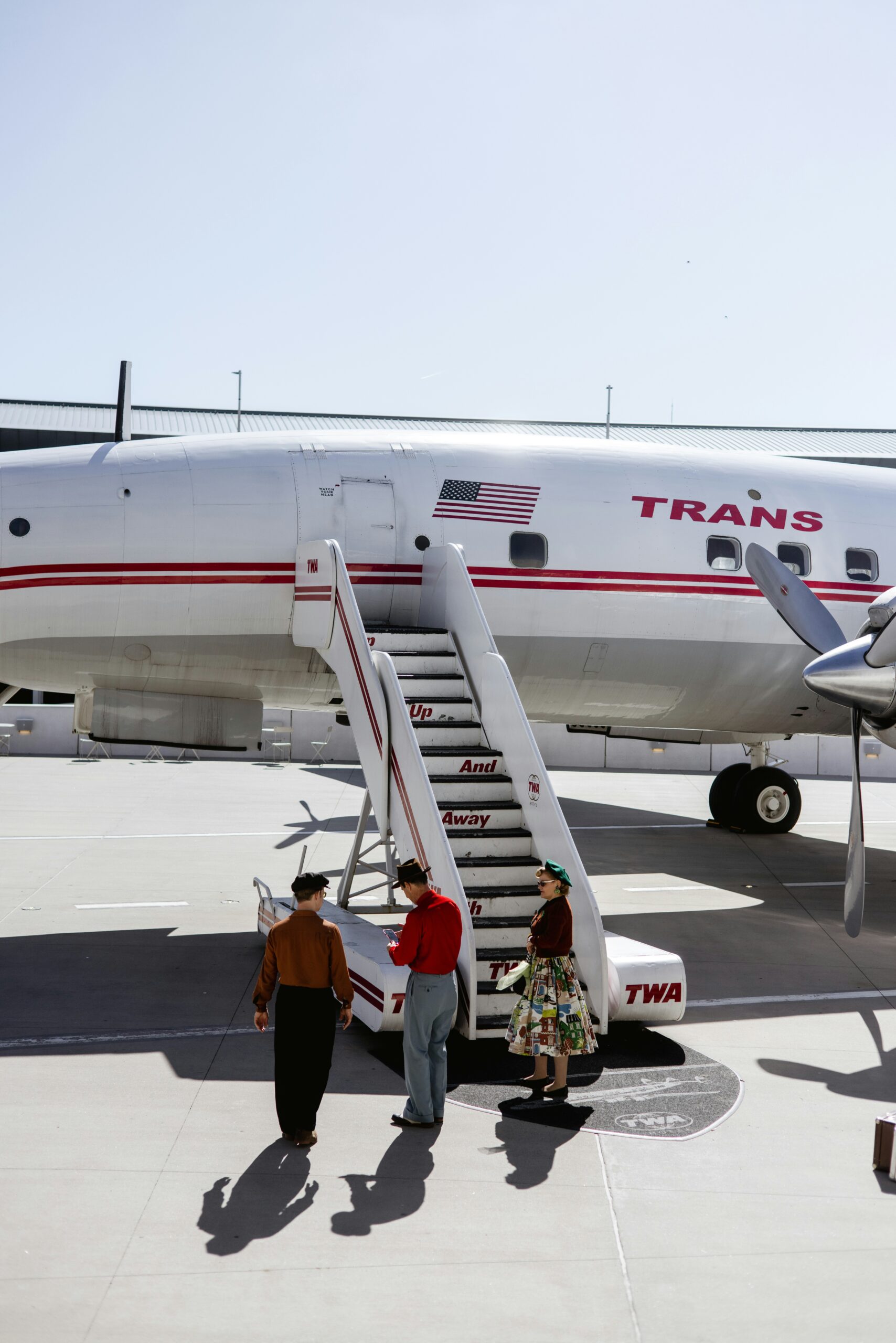
In the 1970s, men wore suits or dress shirts and ties. Women chose fashionable dresses, tailored pantsuits, or skirts. Even children were dressed in their best outfits. Flying was considered a formal occasion – closer in spirit to attending a dinner party than catching a bus. You dressed up because the experience demanded it, and because being seen mattered. Airlines marketed this image deliberately and passengers embraced it.
The gap between that world and today’s economy cabin – where sweatpants, slides, and neck pillows dominate – is almost comedic when placed side by side. The current standard of comfort-first dressing was an absolute social no-no in the 1970s. Showing up in the modern unofficial uniform of fleece and flip-flops would have prompted genuine stares and possibly a quiet conversation with the gate agent. The whole culture around flying was different – and the wardrobe was the most visible signal of that.
#27 – The 747 Turned a Five-Day Ocean Crossing Into a Six-Hour Flight
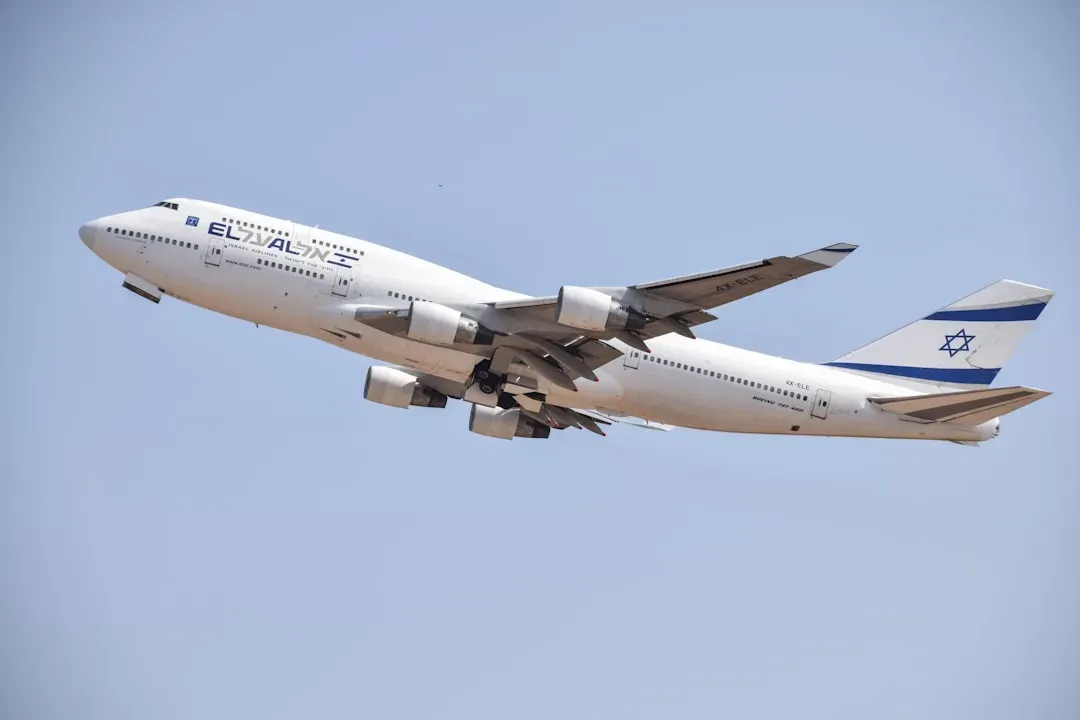
Before the jumbo jet era, crossing the Atlantic by ship took around five days. Most people could only afford to make the trip once or twice in their lives – if at all. On January 22, 1970, Pan Am’s Clipper Young America carried 335 passengers from New York to London on the largest commercial aircraft the world had ever seen, completing the crossing in hours instead of days. The psychological shift was enormous.
While the Boeing 707 carried around 180 passengers, the 747 suddenly offered space for nearly 500 – and greater fuel efficiency meant the cost per seat dropped dramatically, making flying accessible to the middle class for the first time. The jumbo jet didn’t just change aviation – it changed how Americans understood the world and their place in it. Europe went from a once-in-a-lifetime destination to somewhere you could reasonably visit for a long weekend. That shift in imagination is hard to overstate.
Why It Stands Out: The 747 by the Numbers
- First commercial service: January 22, 1970, Pan Am, New York JFK to London Heathrow
- Passenger capacity: up to ~500 vs. ~180 on the Boeing 707 it replaced
- Upper-deck lounge: originally just 3 windows per side – converted to seats as airlines chased revenue
- Final 747 passenger production delivered: February 2023 (to Atlas Air as freighter)
- The 747 held the passenger capacity record for 37 years, until the Airbus A380
#28 – Flying Was Treated as a Social Event – Strangers Actually Talked to Each Other
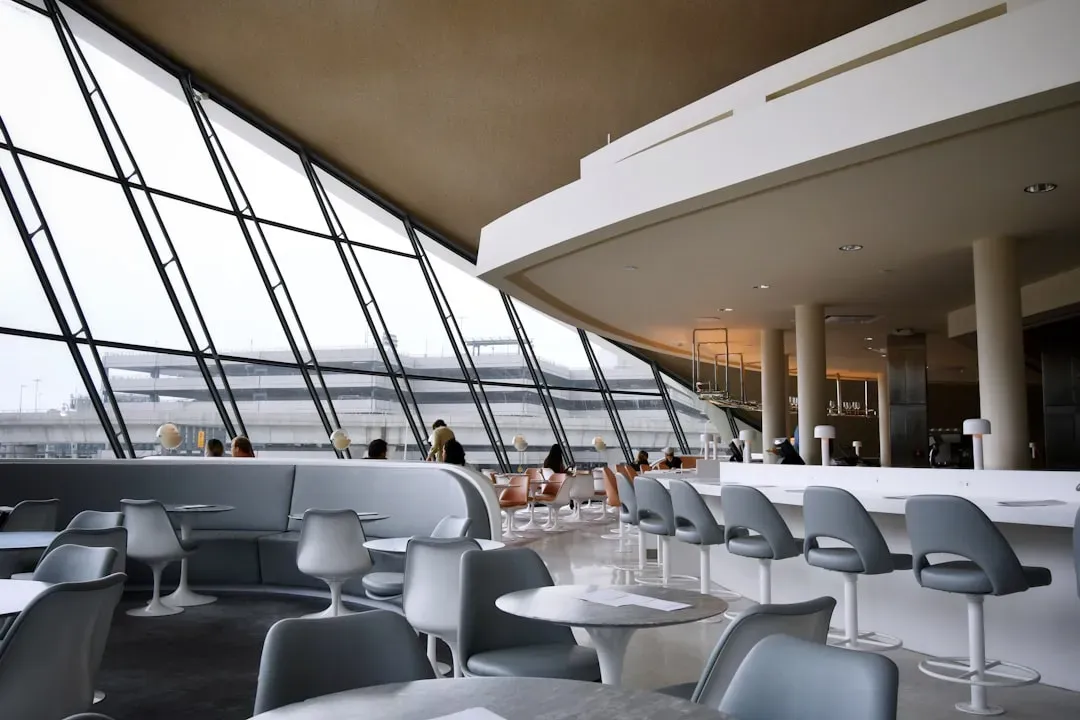
More than any single detail – the lobster, the piano bar, the free cigarettes – what most defined flying in the 1970s was the atmosphere. Passengers dressed up, lingered, and socialized with strangers over cocktails. They didn’t plug in headphones the moment they sat down. The cocktail lounge upstairs was a place to meet people. The plane was somewhere to be, not just a way to get somewhere. That distinction sounds small. It wasn’t.
Service and quality were the focal point of airline marketing, and the culture responded accordingly. People treated flying like the luxury it was – because for most of the decade, it genuinely was one. Airlines understood they were selling an experience, not just a seat. That philosophy is almost entirely absent from commercial aviation today, replaced by a model designed around speed, volume, and the absolute minimum required to get passengers from point A to point B without a lawsuit.
#29 – We Traded All of It for a Cheaper Ticket – and Most People Would Do It Again
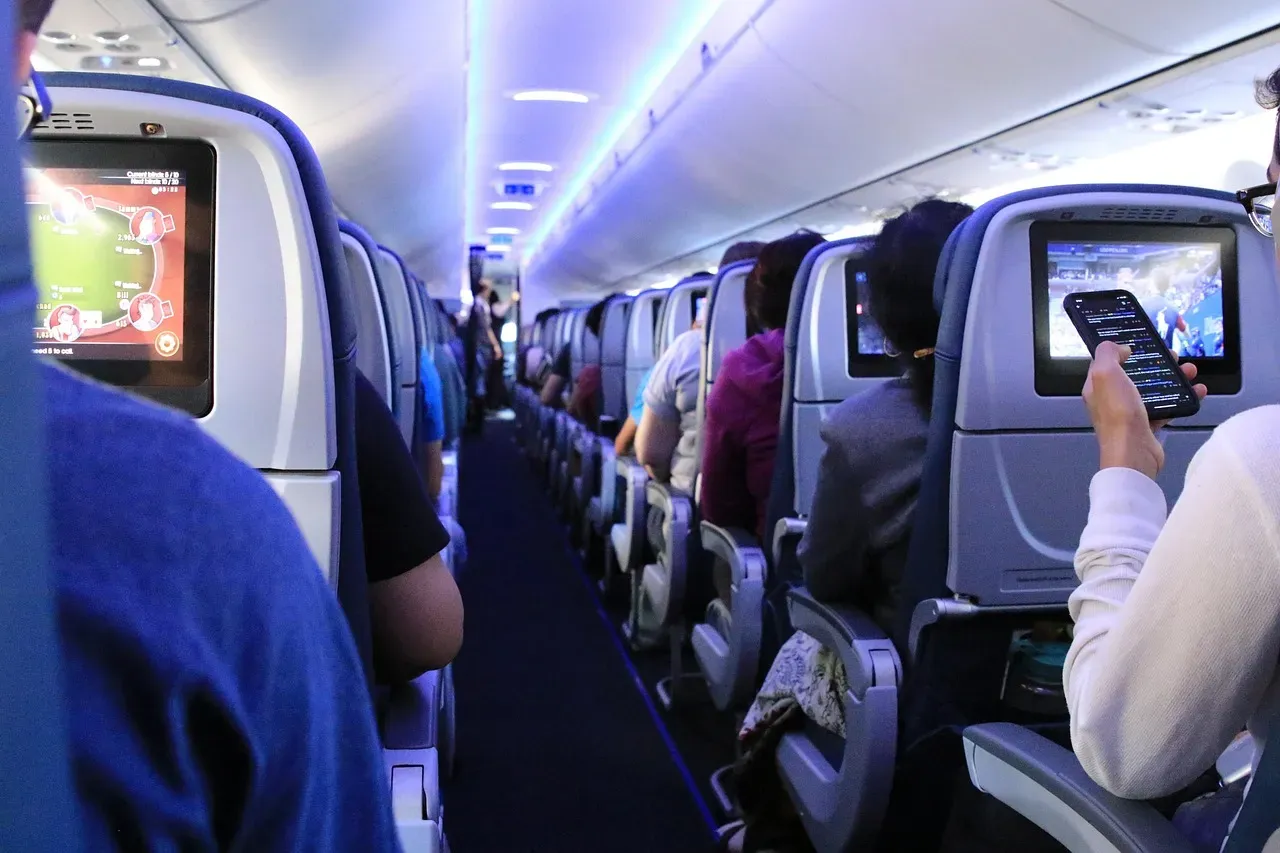
In 1979, a basic domestic round-trip cost the equivalent of roughly $615 today. In 2024, the average domestic round-trip runs closer to $350. We traded the experience for the price – and by and large, we made that choice consciously and collectively. Deregulation was intended to drive down the cost of flying, and it worked. More people fly, to more places, more affordably than at any point in aviation history.
The trade-off is that the magic is almost entirely gone – and anyone under 45 has never known anything else. Flying in the 1970s was a contradiction: glamorous and dangerous, generous and exclusionary, romantic and deeply flawed. But it was undeniably an experience. The checklist above barely scratches the surface of what’s been lost. Most of it was traded away willingly. That might be the strangest thing of all.