
Walk through any airport terminal and you can spot the difference almost immediately. Younger travelers are rushing, stress-eating a sandwich, hunting for an outlet, and checking their boarding pass for the fourth time. Then there are the retirees – unhurried, hydrated, already seated at the right gate with time to spare – looking like they cracked a code nobody else was handed. They did. It just took them years of rough flights, missed connections, and hard lessons to figure it out.
The habits below aren’t complicated and most of them cost nothing. But they’re almost invisible to anyone who hasn’t flown enough to feel the consequences of skipping them. The most seasoned travelers in the terminal have a system – and once you see it laid out, you’ll wonder why you ever boarded a plane any other way.
#15 – They Pre-Hydrate Aggressively, Starting the Day Before
Younger travelers grab a coffee at the gate and call it preparation. Experienced retirees know that by the time you’re boarding, it’s already too late to truly hydrate. Airplane cabin humidity typically runs between just 10 and 20 percent – drier than most deserts on Earth – and showing up to the gate already behind on fluids means headaches, fatigue, and brain fog that gets blamed on jet lag. The trick is front-loading water intake the day before you fly, not scrambling for a bottle at the terminal newsstand. On a 10-hour flight, you can lose up to 1.5 to 2 liters of water through breathing alone.
Many veteran travelers add electrolytes to their water for better absorption, and they start cutting caffeine and alcohol 24 to 48 hours before departure – both are dehydrating at exactly the wrong moment. It sounds almost too simple, but the number of younger travelers who step onto a six-hour flight already running a hydration deficit is staggering. Retirees have felt that specific misery enough times to make a permanent habit out of avoiding it.
Fast Facts
- Cabin humidity sits at just 10–20% – the Sahara Desert averages around 25%
- Your home runs 40–60% humidity; a plane delivers roughly one-quarter of that
- Headaches, muscle cramps, and fatigue are all documented side effects of in-flight dehydration
- Alcohol and caffeine accelerate fluid loss at altitude – a double hit on long flights
- Start hydrating the day before, not the morning of – your body absorbs it more efficiently
#14 – They Pull Up a Real-Time Flight Tracker the Night Before
Most younger travelers glance at their boarding pass and assume everything is fine. Experienced flyers are tracking their actual aircraft the evening before departure. Gate changes, equipment swaps, and cascading delays from earlier flights are all visible hours before the airline sends any notification – sometimes long before the gate agents even know. Apps like FlightAware and the airline’s own mobile app make this effortless, and it takes about three minutes.
Knowing your aircraft type in advance also lets you look up the exact seat configuration and confirm your seat choice is what you think it is – because aircraft get swapped regularly and your “extra legroom” row sometimes vanishes with them. Retirees who’ve been stranded after a silent gate swap or shown up to find their preferred seat reassigned don’t make that mistake twice. Younger travelers find out about changes when they’re sprinting to the wrong end of the terminal.
#13 – They Notify Their Bank Before They Leave the House
This one catches younger travelers constantly, and the timing is always the worst possible moment. Banks flag out-of-state or international card use as fraud – and having your card frozen when you’re trying to pay for a connection meal or pull cash from a foreign ATM is a genuinely awful experience. Retirees who travel regularly notify their bank and every credit card provider before each trip, no exceptions. It takes five minutes through the bank’s app and prevents a potential disaster.
The habit goes beyond just notifying – experienced travelers flag the specific destinations, travel dates, and any international stops so there’s no ambiguity on the bank’s end. It’s one of those invisible habits that only becomes obvious the one time you skip it and find yourself standing at a register with a frozen card and a line forming behind you. That experience tends to create the habit permanently.
#12 – They Pack Their Medications in Carry-On Only – Every Single Time

This isn’t a preference for seasoned travelers. It’s a rule with zero exceptions. Checked luggage gets lost, delayed, and misdirected – and when it does, the situation goes from inconvenient to genuinely serious the moment your prescription medications are inside it. Retirees managing chronic conditions figured this out, often the hard way, and the lesson stuck. The carry-on is the only bag that truly matters because it’s the only one that stays with you.
Keeping medications in their original labeled containers is also the move – it speeds up customs and removes any ambiguity with security. Younger travelers toss medications into a checked bag as an afterthought because the stakes feel low. Veterans know the stakes aren’t low at all, and that a 48-hour delay in a foreign city without your blood pressure medication or insulin is a medical emergency, not an inconvenience. The carry-on rule is non-negotiable for a reason.
Worth Knowing
- Keep meds in original labeled containers – customs agents and foreign pharmacists both need them
- Pack a 2–3 day supply in a separate small pouch in case your main bag is delayed at baggage claim
- Some countries classify common U.S. medications as controlled substances – check before you fly
- A handwritten list of all medications, dosages, and generic names travels well as a paper backup
#11 – They Adjust Their Sleep Schedule Days Before the Flight
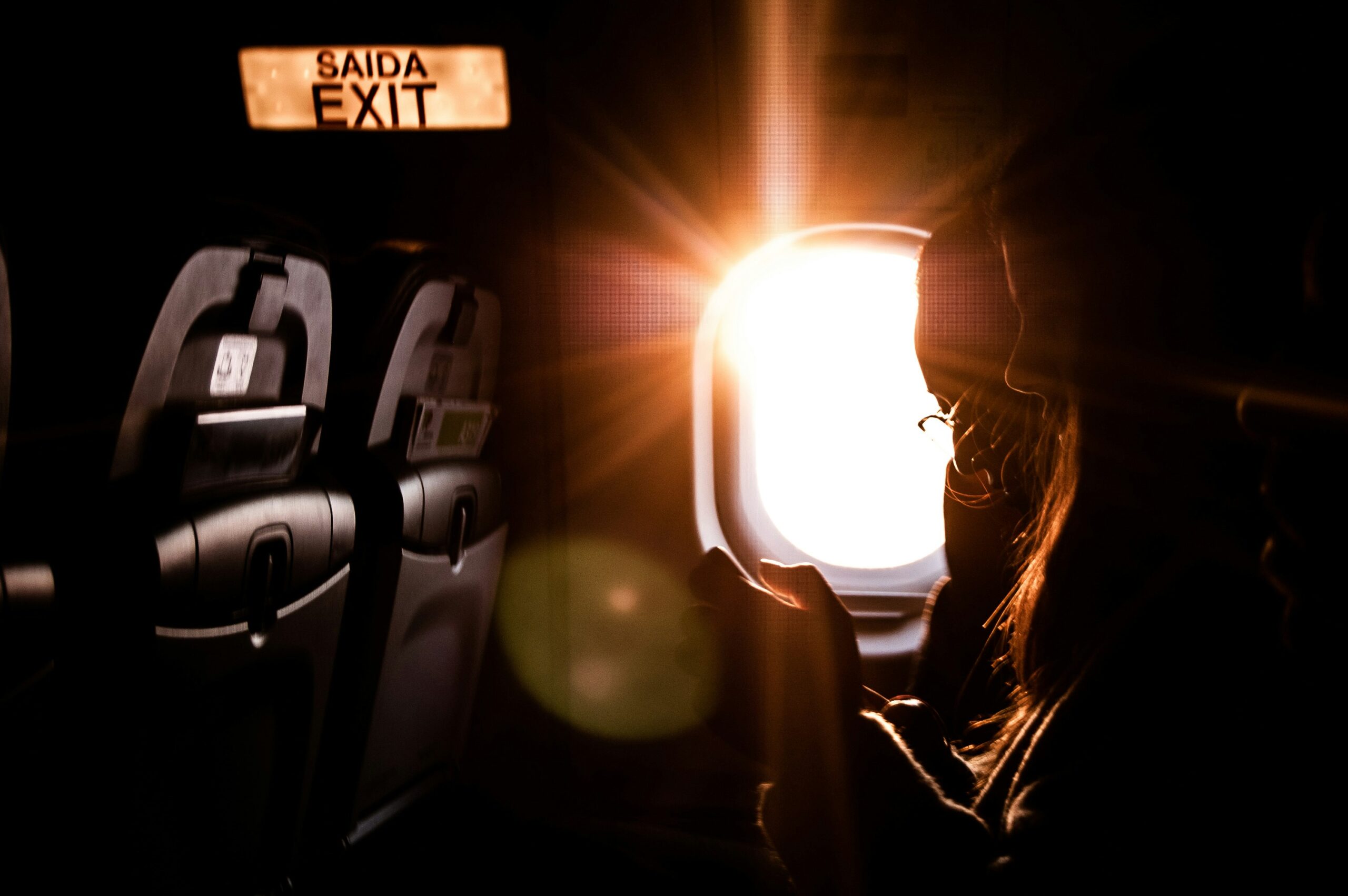
Jet lag isn’t just a minor annoyance – for travelers crossing multiple time zones, it can erase the first two or three days of a trip entirely. The fix most retirees have worked out isn’t a sleeping pill on the plane. It’s shifting their bedtime gradually before they even leave home. Flying east means starting to sleep earlier in the days before departure. Flying west means pushing bedtime later. Even a one- or two-hour shift creates a meaningful head start on adjustment.
Apps like Timeshifter can build a personalized adjustment plan based on your specific flight and destination, and experienced travelers have started using them the way athletes use training schedules. Younger travelers typically try to “sleep it off” on the plane with unpredictable results. Retirees who’ve wasted the first half of a two-week trip staring at a hotel ceiling at 3 a.m. decided that particular experiment was over.
#10 – They Book Their Seat – and Research It – Well in Advance
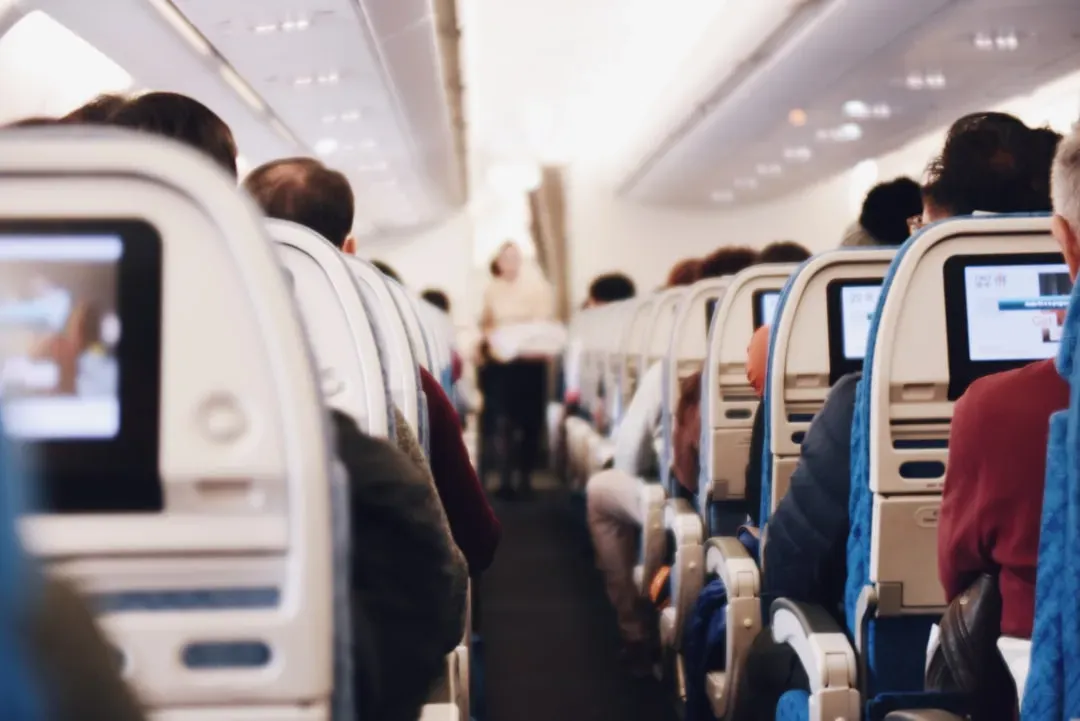
Younger travelers accept whatever seat the airline assigns or pick randomly without a second thought. Experienced flyers use tools like SeatGuru weeks before departure to research the exact aircraft configuration – identifying which rows have restricted recline due to a bulkhead, which window seats are missing a window, and which exit rows offer genuine legroom versus a misleading label. Choosing the wrong seat on a six-hour flight is a decision you will feel every single hour of that flight.
Aisle seats work best for travelers who need to move frequently; window seats offer the best sleep environment because you can lean against the wall without disturbing anyone. Retirees who fly the same routes repeatedly often know which specific rows to avoid by personal experience – and that knowledge is completely free, available to anyone who takes ten minutes to look. Most younger travelers find out about the bad seats after they’re already sitting in one.
#9 – They Pack Antibacterial Wipes and Actually Use Them

Airplane tray tables have tested worse for bacteria in multiple studies than airport bathroom surfaces – a fact that tends to stop people mid-bite with their in-flight snack. Retirees who travel regularly don’t leave that to chance. Antibacterial wipes come out at the seat: tray table, armrests, seatbelt buckle, window shade. It takes under two minutes and meaningfully cuts germ exposure during a flight where you’re breathing recirculated air for hours.
Younger travelers skip this because getting sick feels like a manageable inconvenience at 28. At 65, a cold picked up on a transatlantic flight can derail a week of carefully planned travel – and it’s not a hypothetical. Low cabin humidity also dries out the mucous membranes that normally protect against airborne illnesses, which makes the wipe routine even more important on long hauls. The wipe routine looks fussy from the outside. It looks smart from the inside of a miserable sick day that didn’t have to happen.
#8 – They Eat Light the Night Before and the Morning of the Flight
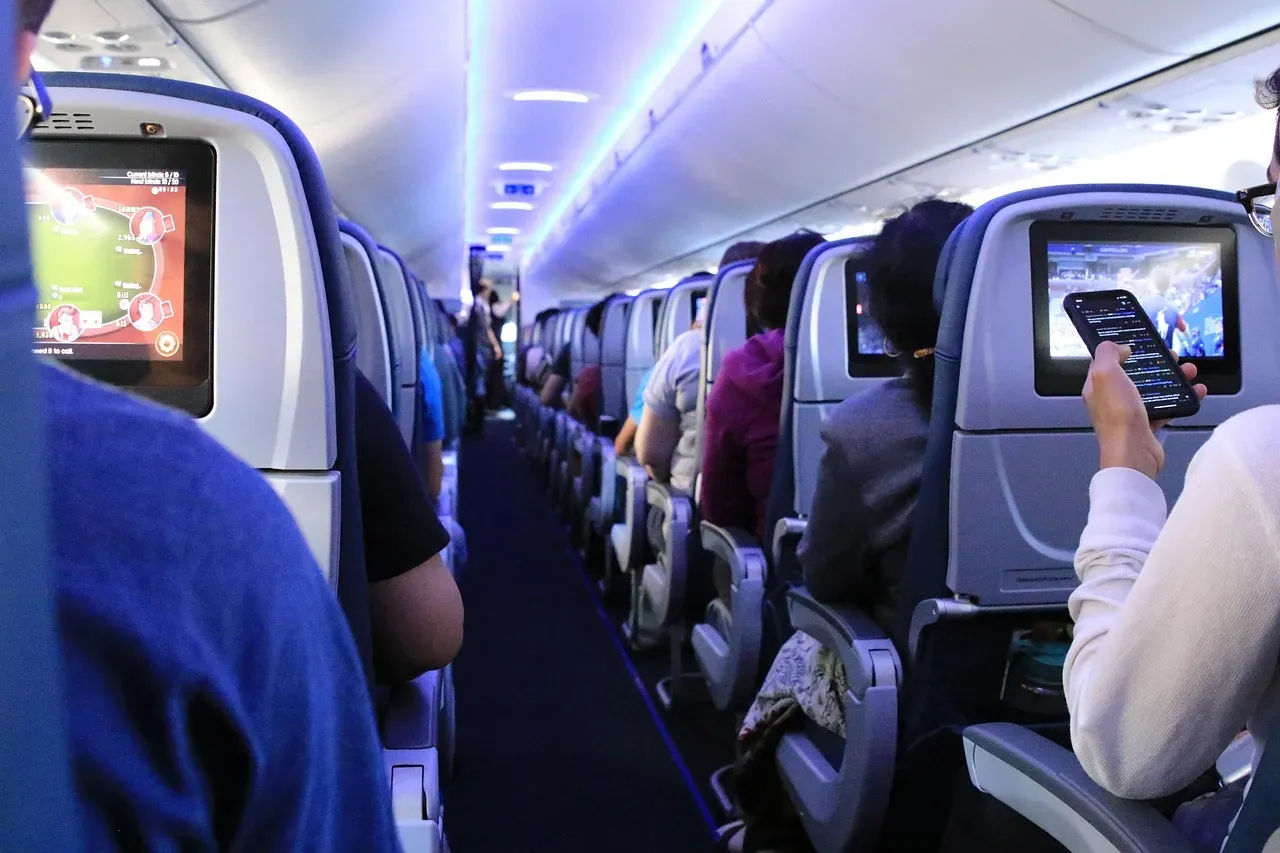
Cabin pressure at cruising altitude causes gases in the body to expand by roughly 30 percent. That fact turns a heavy pre-flight meal into a predictable source of real discomfort somewhere over the Midwest. Retirees who’ve spent enough hours in a pressurized cabin have quietly worked out that what they eat at dinner the night before directly affects how they feel at hour three of the flight. Lighter meals – fruit, soup, a salad – make a measurable difference.
The same logic applies to the morning of departure: heavy, greasy food and excess caffeine are harder to sleep through and harder to feel comfortable with in a cramped seat. Younger travelers routinely eat a big airport meal and spend the next two hours wondering why they feel terrible. It’s not a mystery. It’s just physics plus biology, and experienced travelers have done the experiment enough times to already know the answer.
Quick Compare
- Skip: Heavy pasta, fried food, or a big burger the night before a flight
- Skip: Extra coffee or an energy drink the morning of departure
- Do instead: Light dinner – soup, salad, grilled protein – the evening before
- Do instead: Oatmeal, fruit, or eggs the morning of; hydrate before you leave home
#7 – They Confirm Their Travel Insurance Coverage Before Leaving Home
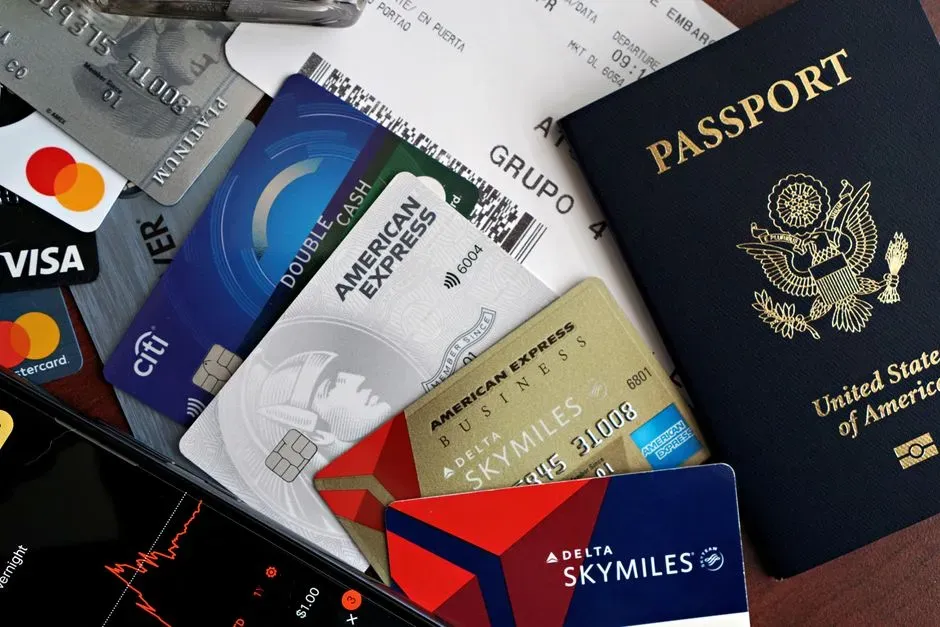
This is the habit that feels unnecessary until it’s suddenly the only thing that matters. Medicare – the primary coverage for most Americans 65 and older – provides essentially no coverage outside the United States. That means a single medical emergency abroad, without separate travel insurance, can turn into a six-figure out-of-pocket situation. Experienced retirees don’t just buy a policy; they read what it actually covers before departure, not at a hospital overseas.
The question isn’t whether to get travel insurance. It’s whether you’ve verified what it covers and how to file a claim from abroad. Younger travelers assume their employer insurance or credit card coverage will handle things – sometimes it does, sometimes the gaps are enormous. Veterans have either learned this firsthand or heard enough horror stories from fellow travelers to treat the pre-trip coverage review as mandatory. It belongs in the same checklist as the passport.
#6 – They Wear Compression Socks – and Put Them On Before They Board

Compression socks might not win any style points, but they prevent something genuinely dangerous. Sitting still for hours on a long flight increases the risk of deep-vein thrombosis – blood clots that form in the legs and can travel to the lungs. A Cochrane review of over 2,600 airline passengers found that those who wore compression stockings on flights longer than five hours had dramatically lower rates of DVT than those who didn’t – with only 3 cases among stocking wearers versus 47 among non-wearers in the study group. That’s not a small difference.
The key habit retirees have developed is putting compression socks on at home, before the journey starts – not digging through a bag in the boarding area. Younger travelers file this under “old people stuff” right up until a doctor explains what a pulmonary embolism actually is and how common it is in frequent flyers who skipped the precaution. The socks are eight dollars. The ER visit is not.
#5 – They Do a Full Document and Medication Inventory the Night Before

Experienced travelers don’t leave document checks for the morning of the flight when stress is already running high. The night before departure, everything gets laid out: passport, boarding pass, insurance cards, a printed itinerary, and a written list of all medications including their generic names and dosages. That last item sounds over-prepared until you’re in a foreign pharmacy trying to describe a medication by its U.S. brand name to someone who has never heard of it.
A copy of that document list also goes to someone at home – a family member or trusted friend – so there’s a backup if the originals are lost or stolen. Younger travelers keep everything on their phone and assume that’s sufficient. Phones die, get lost, and get stolen at rates that make paper backups genuinely useful. The night-before inventory takes 15 minutes and has saved countless trips from turning into emergencies.
At a Glance – The Night-Before Checklist
- Passport (check expiration – many countries require 6 months of validity beyond your travel dates)
- Printed boarding pass as a backup to your phone
- Travel insurance card and the 24-hour claims hotline number
- Written medication list with generic names, dosages, and prescribing doctor’s contact
- Copy of everything emailed to a trusted contact at home
#4 – They Stretch Before Boarding – Not Just During the Flight

Most travelers think about moving around during a long flight. Veteran flyers take it a step further and stretch before the flight begins. Boarding a plane already stiff from two hours of sitting in the terminal – hunched over a phone, slouched in a gate chair – means starting the journey at a deficit that just compounds over time. Retirees who prioritize joint health and circulation treat pre-boarding movement as non-negotiable, not optional.
A 10-minute walk through the terminal, some calf raises at the gate, and a few hip circles make a measurable difference in how your body feels at hour four. Younger travelers sit scrolling until the boarding group is called, then spend the flight shifting uncomfortably in a seat that feels smaller by the hour. The ones who move before they board arrive in noticeably better shape – and the habit costs exactly nothing except the willingness to look slightly weird doing hip circles near gate B12.
#3 – They Use TSA PreCheck or Global Entry – and Enrolled Years Ago
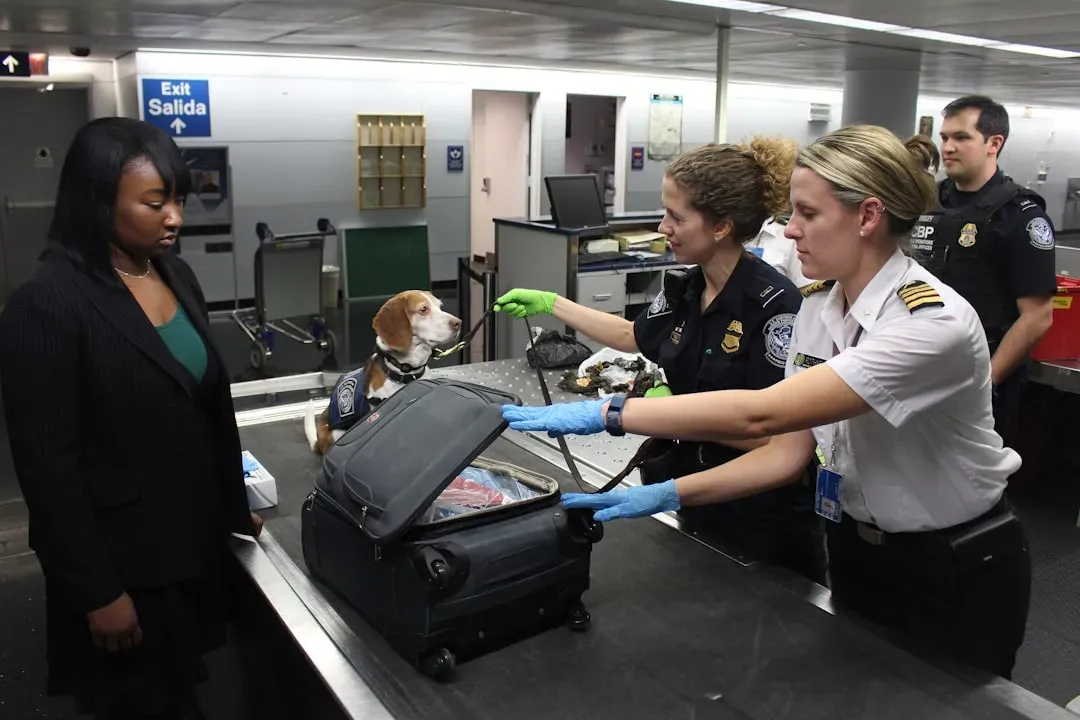
This isn’t just about skipping a line, though that benefit alone pays for itself on the first use. It’s about controlling the pace and stress level of the entire pre-flight experience. TSA PreCheck means no removing shoes, no pulling out laptops, no separating liquids – a faster, calmer, lower-friction path through security. As of October 2025, 99% of TSA PreCheck passengers waited less than 10 minutes in line. For travelers 75 and older, TSA already allows expedited screening as standard policy, a benefit most younger travelers have no idea exists.
Global Entry – at $120 for five years – adds expedited re-entry when returning from international trips: no customs lines, no paper forms, straight to the exit. That $120 also automatically includes TSA PreCheck at no extra cost, and many travel credit cards reimburse the fee entirely. Younger travelers say they’ll “get around to it” and then spend 45 minutes in a standard security line watching enrolled travelers stroll through in four minutes while removing exactly nothing from their bags.
Quick Compare – TSA PreCheck vs. Global Entry
| TSA PreCheck | Global Entry | |
|---|---|---|
| Cost | ~$77–$85 / 5 yrs | $120 / 5 yrs |
| Includes PreCheck? | Yes | Yes (automatically) |
| Expedited U.S. customs re-entry? | No | Yes |
| Best for | Domestic flyers | International travelers |
| Credit card reimbursement? | Often | Often |
#2 – They Schedule a Pre-Trip Doctor Visit for Any International Journey

This habit separates genuinely experienced travelers from casual ones. Before any international trip, seasoned retirees consult their doctor – not out of excessive caution, but out of strategy. The CDC recommends meeting with a healthcare provider at least four to six weeks before international departure for destination-specific vaccines, medication guidance, and advisories. Waiting until the week before means some vaccines don’t have time to take full effect.
The visit also covers less obvious ground: some countries classify certain common U.S. medications as controlled substances, and crossing a border with them without documentation can create serious legal problems. Travelers crossing multiple time zones need to know whether to take their prescriptions on home time or local time. These aren’t edge-case concerns – they’re things that derail trips every day for travelers who assumed they’d figured it out on their own. Most younger travelers never think to ask until it’s already a problem.
#1 – They Arrive Early Enough to Be Calm – Not Just on Time
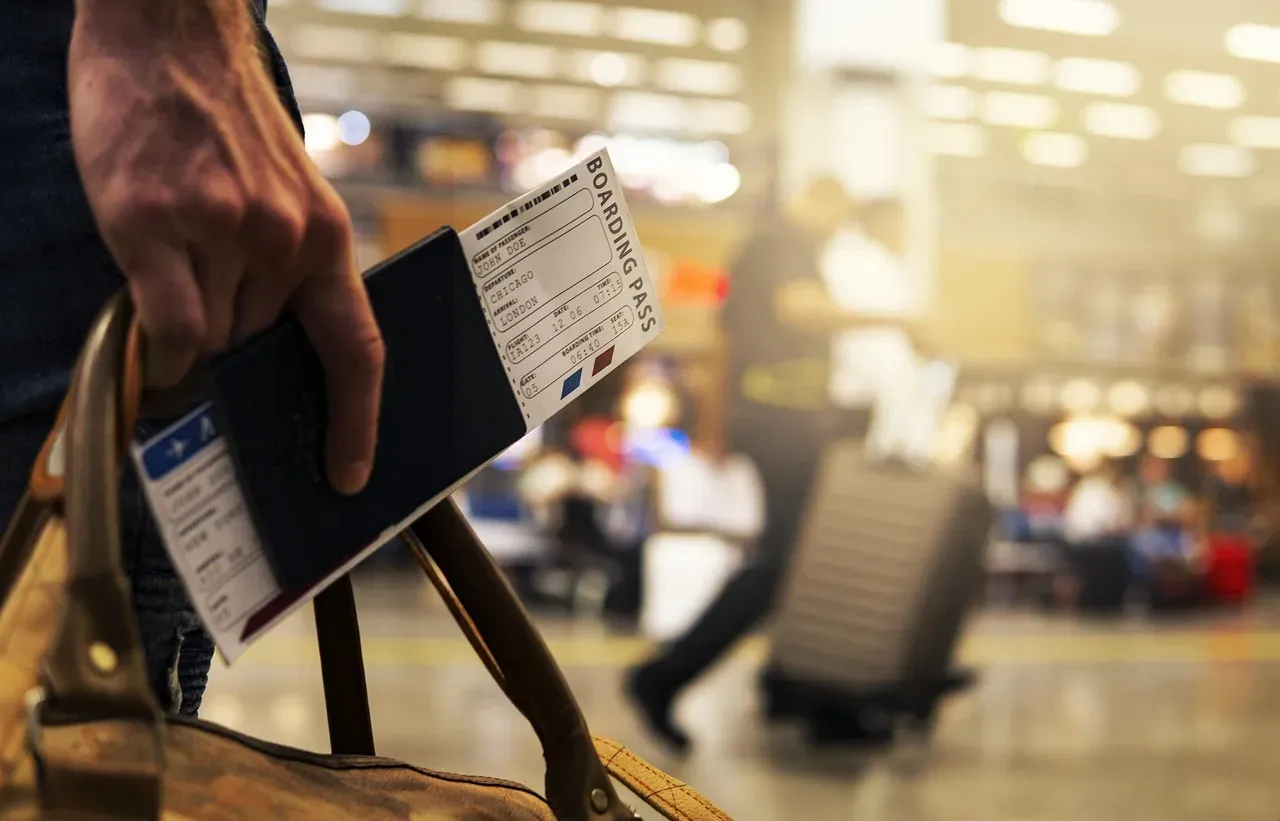
Every other habit on this list feeds into this one. Experienced retirees don’t arrive at the airport racing the clock. They build in enough time to move through check-in, security, and the terminal without adrenaline – two hours ahead for domestic flights, three for international. But the veterans go further than the rule of thumb: they treat that buffer as time to settle, hydrate, stretch, and mentally transition into travel mode, not time spent in a full sprint to the gate.
The single biggest difference between stressed travelers and calm ones almost never comes down to the flight itself. It comes down to the hour before boarding. Retirees who’ve missed flights, sprinted through terminals, and boarded with their heart still pounding have decided that particular experience isn’t worth repeating at any age. They show up early, find their gate, sit down with water, and let the chaos happen around them. Younger travelers will eventually figure this out – usually one too many close calls at the jet bridge from now.
None of these habits require a big budget or complicated planning. What they require is experience – and the willingness to stop treating the pre-flight window as wasted time. Retirees didn’t arrive at this list by reading a travel blog. They earned it through missed medications in lost bags, frozen cards at foreign ATMs, and entire first days abroad wrecked by jet lag that was completely avoidable. The habits are simple. The hard part was learning why they mattered.