

Most travelers over 60 walk up to the security checkpoint the same way they have for twenty years – shoes off, belt in the bin, quietly hoping the line moves fast. What they don’t realize is that TSA has an entire layer of accommodations, exemptions, and quiet policies built specifically for older travelers that almost nobody announces out loud. Some have been federal policy for years. Others are things experienced agents only mention in a low voice when a traveler looks confused, in pain, or close to tears.
The gap between what most travelers over 60 actually experience at the checkpoint and what they’re genuinely entitled to is wider than almost anyone knows. Free specialist escorts. Medical exemptions that bypass the 3-1-1 rule entirely. Seated pat-down options. Age-based screening changes that never get called over the intercom. A handful of these – the right ones – can turn the most stressful part of your travel day into the fastest.
#16 – You Can Ask to Sit Down During Any Part of the Pat-Down

Most travelers assume that when a pat-down is required, they have to stand through the whole thing – arms out, feet apart, no exceptions. That’s not true. You can request to be seated at any point during the screening. TSA agents know this, but they won’t always volunteer it before the line presses forward. If standing for extended periods causes pain or balance problems, just say the words: “Can I be seated for this?” The agent will accommodate you.
This is one of the most practically useful things an older traveler can know, and it costs nothing to use. You can inform the officer before the pat-down begins about any difficulty raising your arms, holding a required position, or areas of your body that are painful when touched. The right to request seated screening applies at every U.S. airport, in every lane. Agents who see a traveler struggling often want to offer it – they just don’t always have a clear moment to explain it in time.
At a Glance: Seated Pat-Down Basics
- You can request a seat at any point during the screening – before it starts or midway through
- Tell the officer upfront about painful joints, limited range of motion, or balance concerns
- Applies at every U.S. airport regardless of which lane you’re in
- No doctor’s note, form, or pre-registration required
- Agents can also call a supervisor if you need additional accommodation beyond seated screening
#15 – Your Liquid Medications Are Completely Exempt From the 3-1-1 Rule

Here’s one that genuinely shocks a huge percentage of older travelers: that small zip-lock bag rule for liquids does not apply to your medications. Medically necessary liquids, medications, and creams may be carried in your carry-on bag regardless of size – they just need to be removed from your bag and declared at screening. Your full-size eye drops, liquid pain relievers, and prescription liquids do not need to fit into a 3.4-ounce container.
The step most people miss is the declaration. Liquid medications should be clearly labeled, separated from other carry-on items if they exceed 3.4 ounces, and declared to a security officer as a medical necessity. A lot of older travelers quietly toss out prescription bottles at the checkpoint because they think the rules force them to – they absolutely don’t. Pull them out, tell the agent they’re medically necessary, and let the screening proceed. Never leave medication behind at the checkpoint.
#14 – TSA Can Test Your Medications Without X-Raying or Opening Them – If You Ask
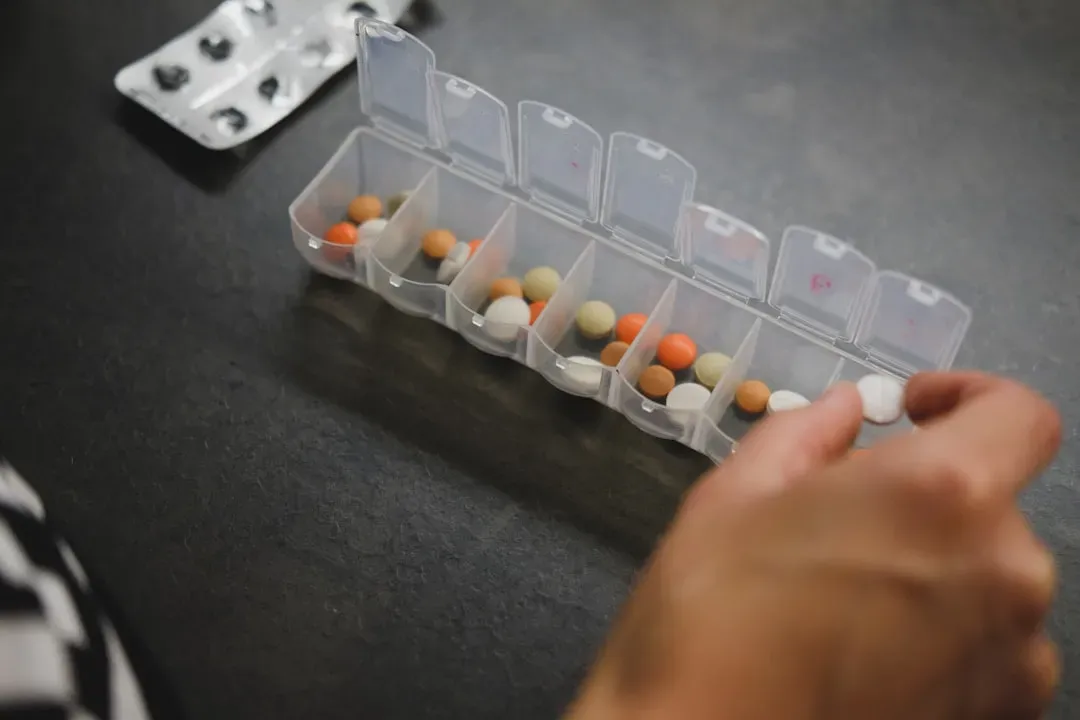
Almost nobody knows this one exists. If you don’t want your liquid medication X-rayed or opened, you can say so. Informing the TSA officer that you don’t want a specific liquid medication screened by X-ray or opened triggers an alternative process – additional screening steps that may include Advanced Imaging Technology, a pat-down, and further inspection of your carry-on. It’s a trade-off, but it’s your trade-off to make.
This matters most for travelers carrying biologics, temperature-sensitive compounds, or medications that could be compromised by repeated opening. Officers are permitted to open containers and transfer pills for testing – but if you don’t want that, you can refuse it and they will use another method to clear the item. The right to decline X-ray or container-opening of your medications is one of the least-publicized rules at the entire checkpoint. Most agents only mention it when a traveler specifically asks – so ask before they reach for the bottle.
#13 – If You’re 75 or Older, Your Shoes Stay On – But There’s a Catch Nobody Mentions
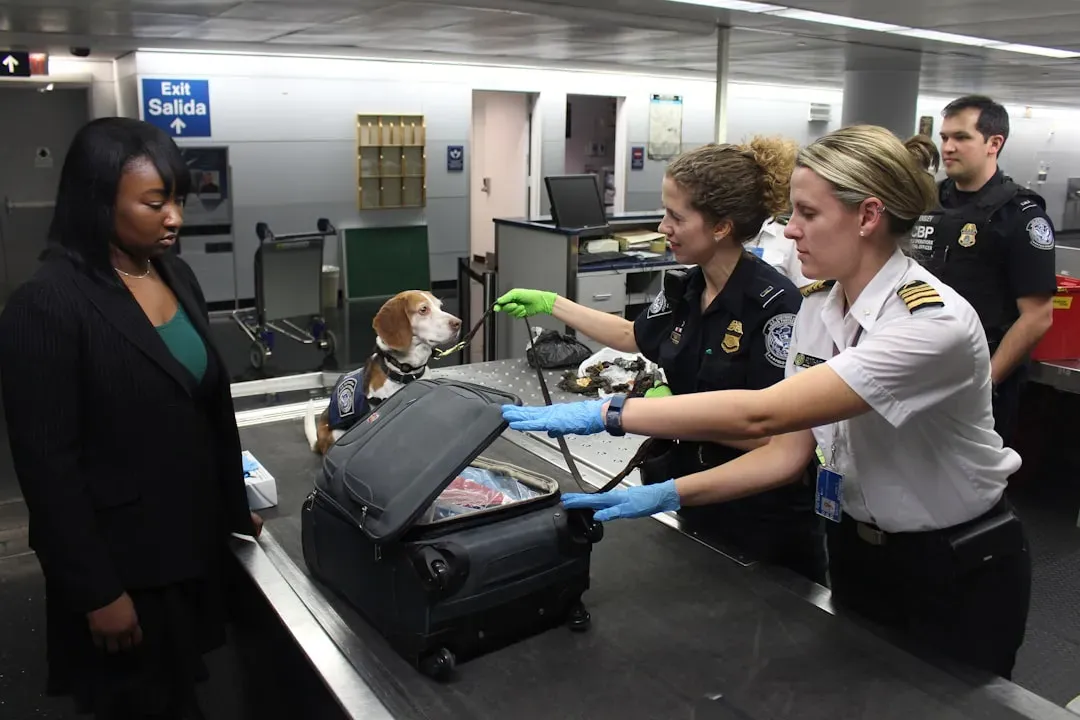
Passengers 75 and older receive a form of expedited, risk-based screening at every U.S. airport – and in practical terms, that means your shoes stay on when you walk through the checkpoint. You don’t need to enroll in anything special. You don’t need to fill out a form. Your date of birth on the ticket booking is all the system needs to flag you for modified screening.
Here’s the nuance agents know but rarely say out loud: the 75-plus shoe exemption does not extend to light jackets. Removal of outerwear is still required for Advanced Imaging Technology screening in standard lanes, even for passengers over 75. That means seniors in standard lanes are still asked to remove jackets, unpack laptops, and pull out their liquids bag – every time. TSA PreCheck eliminates all of those remaining steps, which is why agents often quietly suggest it to travelers who qualify for the age-based exemption but still find the standard line exhausting.
#12 – You Don’t Have to Remove Your Hearing Aid or Cochlear Implant
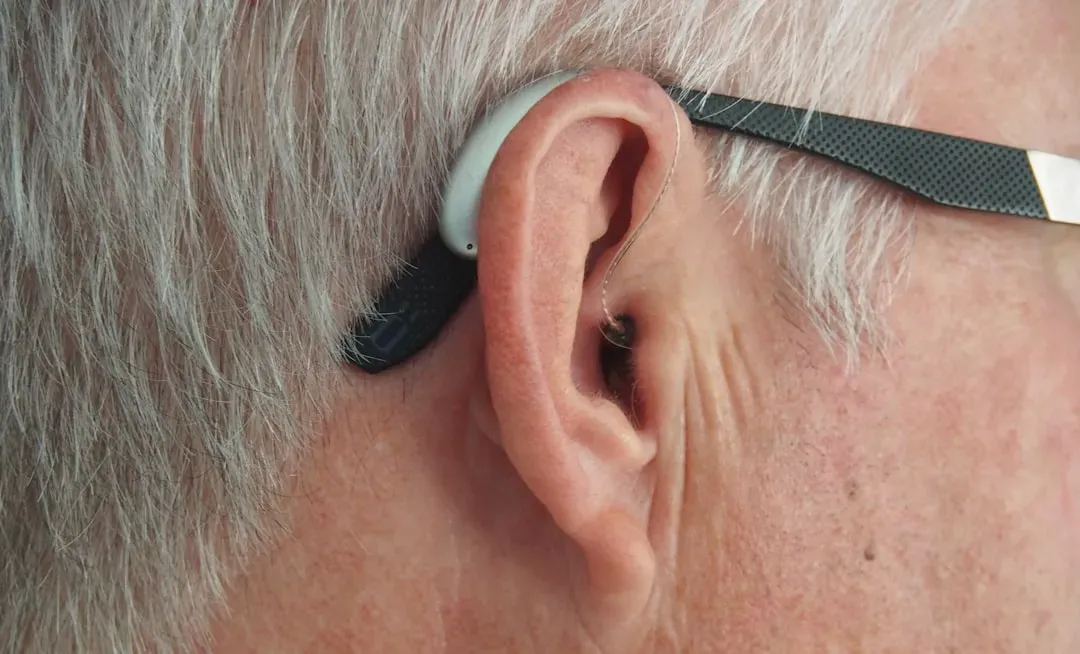
Millions of older Americans travel with hearing aids or cochlear implants and assume they need to come off before walking through security. They don’t. You are not required to remove any hearing aids or cochlear implants at the checkpoint. Additional screening – a pat-down or a closer inspection of the device – may be required if it triggers the metal detector or advanced imaging, but in most cases these devices pass through without any alarm at all.
What experienced agents often quietly tell hard-of-hearing travelers is to let them know upfront – not because it changes the screening procedure, but because it helps the officer communicate more clearly with you throughout the entire process. A quick heads-up before you reach the scanner means the agent will face you directly, speak clearly, and won’t mistake a lack of response for non-compliance. It’s a small thing that makes the whole interaction noticeably smoother for everyone involved.
#11 – Pacemakers and Defibrillators Should Skip the Metal Detector Entirely
This one carries real health stakes if you don’t know it. Passengers with a pacemaker, defibrillator, or other internal medical device should not be screened by the walk-through metal detector (WTMD). The WTMD is not the only option at the checkpoint – officers can and should route you to an alternative screening method instead. Always inform the TSA officer before you approach the equipment, not after an alarm sounds.
While the metal detector typically won’t damage a pacemaker, the stakes are different for implantable defibrillators – the hand-held wand used during secondary screening can cause a shock. That last detail is something agents share only when a traveler mentions their specific device, which is exactly why you should speak up first. Tell the officer what you have before you step anywhere near the equipment, and ask explicitly for a hand search or alternative screening method. The few extra seconds it takes to say it out loud are worth it.
Fast Facts: Internal Devices at the Checkpoint
- Pacemakers and defibrillators: always inform the officer before approaching any screening equipment
- Walk-through metal detectors should be avoided with internal cardiac devices
- Advanced Imaging Technology (AIT) reduces the likelihood of a follow-up pat-down for implant travelers
- The hand-held secondary wand can pose a risk to implantable defibrillators specifically – request a hand search instead
- A medical card from your doctor describing the implant speeds up the process significantly
#10 – A Free “Passenger Support Specialist” Can Escort You Through the Entire Checkpoint
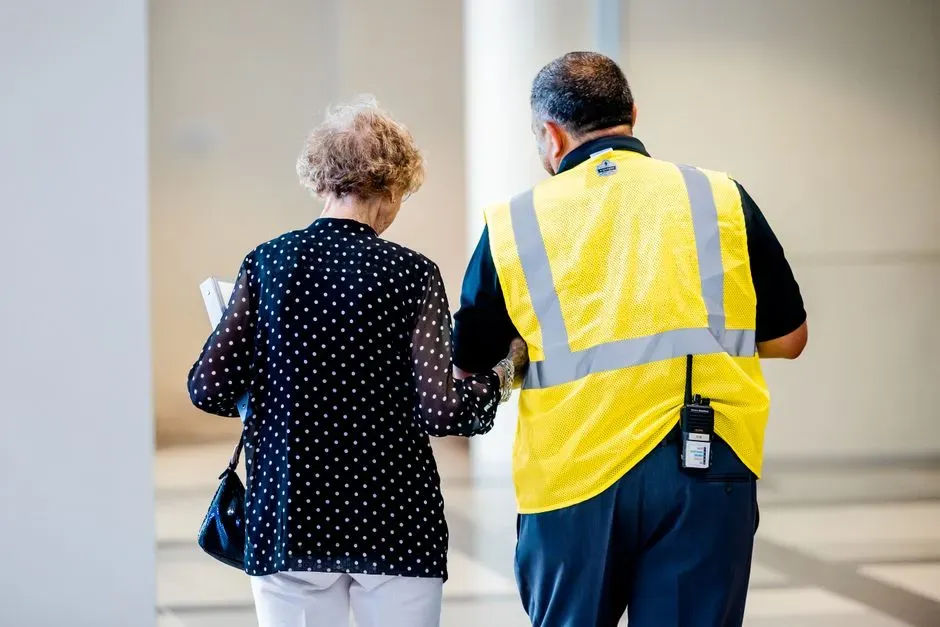
Most travelers over 60 have never heard of a Passenger Support Specialist – and that gap is exactly the problem. A TSA Passenger Support Specialist (PSS) is a trained officer who can walk alongside you through the entire security screening process, help communicate your needs to other agents, and assist with complex screening situations involving disabilities or medical conditions. This service is completely free and available at airports across the country.
The best way to access it is to plan ahead. You can request a PSS by calling TSA Cares at (855) 787-2227 or submitting a request at least 72 hours before departure. Support ranges from helping someone with a large supply of liquid medication move through without confusion to opening a designated lane for travelers with more complex needs. Most travelers who use this service say it turned the part of the trip they dreaded most into the easiest stretch of their entire day.
#9 – You Can Stay Seated in Your Wheelchair Through the Entire Screening Process
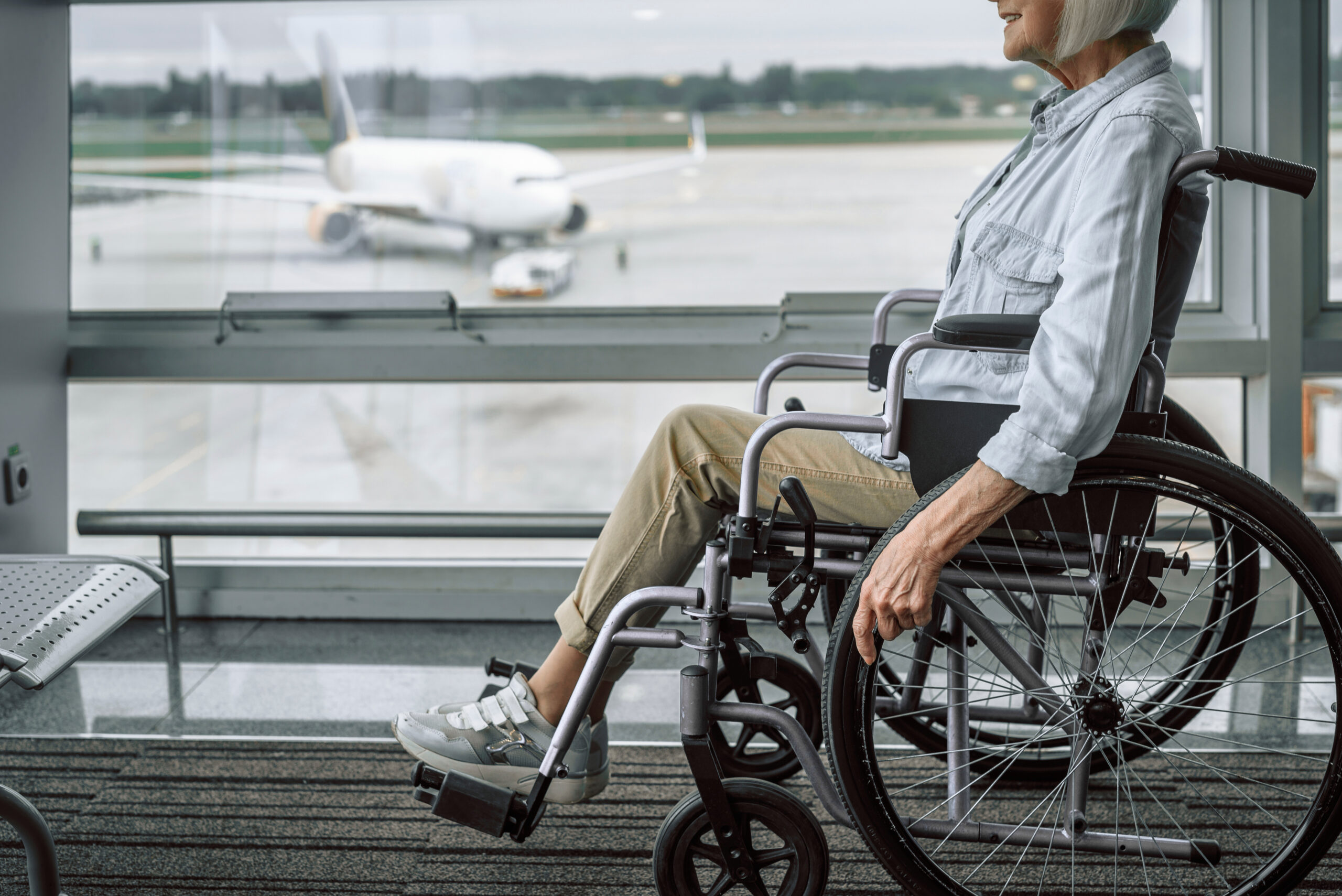
There’s a widespread assumption that wheelchair users have to stand at some point and walk through a detector. They don’t. Passengers need not get out of their wheelchair at the TSA checkpoint. If you can’t walk through the metal detector, you’ll receive a full-body pat-down conducted by a same-gender officer – and you can request that it take place in a private screening room rather than in the open lane.
If you’re 75 or older and seated in a wheelchair or scooter, the process is even less intrusive: the officer will conduct a test of your hands for trace explosives rather than a full pat-down. That’s a detail most travelers in this age group never know to ask about. One practical tip agents almost always share quietly: remove any bags or satchels attached to your mobility device before you reach the belt. It speeds up the entire screening and prevents the kind of back-and-forth confusion that can make the process take twice as long.
#8 – Your CPAP Machine Has Rules That Actually Work in Your Favor
Traveling with a CPAP, BiPAP, or APAP machine is more common among older travelers than any other age group – yet most have no idea a specific protocol exists that makes checkpoint screening easier. The machine itself must be removed from its carrying case and run through X-ray screening separately. But facemasks and tubing can stay in the case, and distilled water used with the device is exempt from the 3-1-1 liquids rule as long as you declare it.
The single most useful tip agents share with repeat CPAP travelers: keep a dedicated clear plastic bag just for the machine. It speeds up the X-ray process and signals to agents immediately what they’re looking at, preventing the kind of confused re-scanning that holds up the line. Pack it on top of everything else in your carry-on so it’s the first thing out when you reach the belt. Travelers who do this consistently say they move through the CPAP portion of screening faster than people traveling with nothing unusual at all.
Quick Compare: CPAP at Security – What Stays vs. What Goes
- Remove & X-ray separately: the CPAP, BiPAP, or APAP machine itself
- Can stay in the bag: facemasks, tubing, and accessories
- Exempt from 3-1-1: distilled water for the machine (declare it)
- Pro move: carry machine in a dedicated clear bag, packed on top
- Optional but smart: request a PSS through TSA Cares if your setup is complex
#7 – Artificial Joints and Metal Implants Won’t Get You Detained – But Silence Will Slow You Down
Hip and knee replacements are extraordinarily common among travelers over 60, and surgically implanted devices can set off metal detectors at the checkpoint. That can’t be avoided – but what can be avoided is the confusion, delay, and repeated secondary screening that happens when a traveler says nothing and then an alarm sounds. The TSA recommends informing security officers of the location of any internal medical devices before you approach the equipment, not after.
Advanced Imaging Technology reduces the likelihood of a pat-down for travelers with implants, so asking to go through AIT instead of the WTMD is worth requesting. If your doctor has provided a medical card describing your implant, hand it to the officer before you step forward – agents consistently say that travelers who present a card move through faster than those who try to explain it verbally after an alarm has already triggered. The card doesn’t exempt you from screening, but it communicates clearly and instantly what the officer needs to know.
#6 – The TSA Cares Hotline Exists Specifically for You – and Almost Nobody Calls It

TSA Cares is a helpline designed specifically for travelers with disabilities, medical conditions, and circumstances that require additional assistance during security screening. The number – (855) 787-2227 – is printed nowhere on your boarding pass and announced nowhere in the terminal. It’s one of the most useful federal travel resources available to older Americans, and the vast majority have never heard of it. Hours are weekdays 8 a.m. to 11 p.m. ET and weekends and holidays 9 a.m. to 8 p.m. ET.
What happens when you call isn’t a recorded FAQ. A real person walks you through exactly what to expect at the checkpoint for your specific situation – medications, devices, mobility needs, whatever applies – so you arrive knowing the process instead of discovering it under pressure. The line can also connect local TSA management at your specific airport so staff knows you’re coming and what your needs are before you ever walk through the door. Agents who handle complex screenings regularly say the travelers who called ahead are always the ones who move through fastest and with the least stress.
#5 – You Can Request a Private Screening at Any Time, No Questions Asked

A lot of travelers – especially those with ostomy pouches, catheters, or other sensitive medical equipment – endure embarrassing public pat-downs they never had to go through. Any passenger can request a private screening at any time, and a private screening should be offered automatically when an officer must pat down sensitive areas. This right applies at every U.S. checkpoint regardless of age. You don’t need to explain your reason. You simply ask.
The pat-down is conducted by a same-gender officer, a second officer is always present, and – this is the part even frequent travelers over 60 are stunned to learn – you may be accompanied by a travel companion of your choosing. Before screening begins, tell the officer about the location of any ostomy pouch, medical port, or catheter attached to your body. Getting ahead of it prevents alarm confusion and keeps the process dignified rather than reactive. The private room exists for exactly this reason, and using it is never an unusual request.
#4 – Travelers with Dementia Don’t Have to Be Separated From Their Companion at the Checkpoint
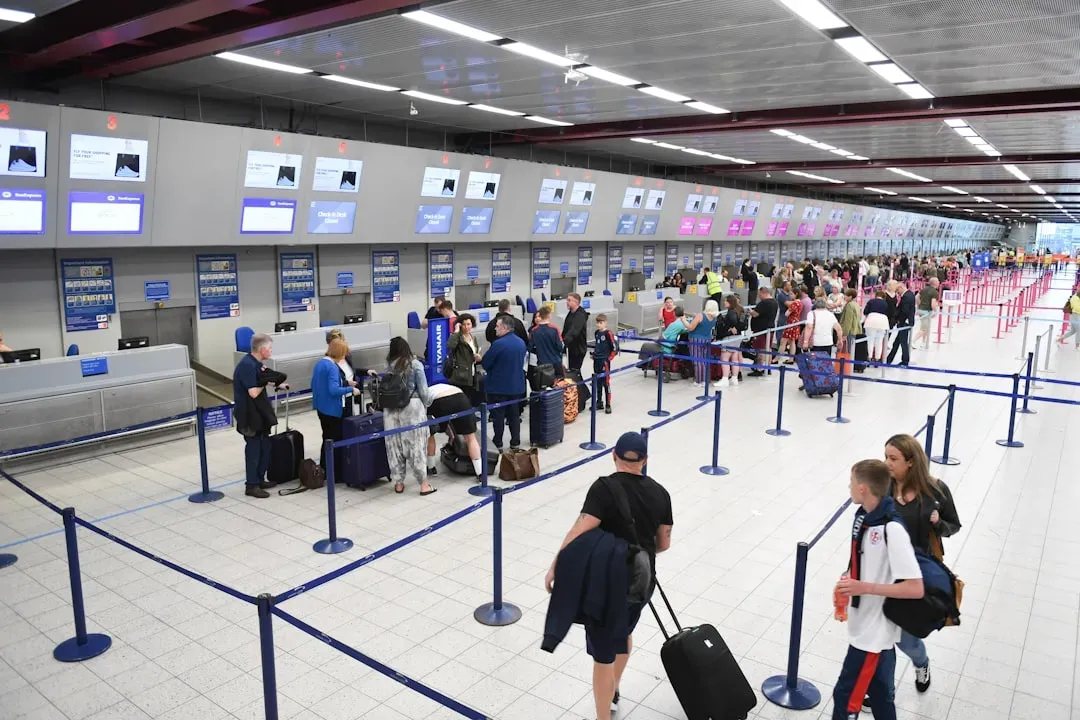
For families traveling with an older relative who has Alzheimer’s or dementia, one of the most stressful fears at the airport is separation at the checkpoint. TSA has a specific policy that directly addresses this: passengers with non-visible conditions including Alzheimer’s, dementia, and autism spectrum disorder can be screened without being separated from their traveling companion. If the companion provides physical assistance during screening, they’ll need to be rescreened themselves – but they do not have to step away.
One of the most underused tools in the entire TSA system is the TSA Notification Card – a discreet card that lets a caregiver silently hand an officer a written description of the traveler’s condition without the traveler overhearing a clinical explanation of their own situation. Travelers and companions can also request accommodations to the standard screening process simply by consulting with an officer before reaching the equipment. Ask your doctor to fill out a notification card before the trip. It takes minutes to prepare and can prevent an extraordinarily difficult scene at the checkpoint.
Worth Knowing: TSA Notification Card Basics
- Free to download and print from TSA.gov – no enrollment required
- Lets a caregiver hand the officer a silent, written description of the traveler’s condition
- Works for Alzheimer’s, dementia, autism spectrum disorder, and other non-visible conditions
- Companions are never required to step away – they can stay through the entire screening
- Ask your doctor to complete or review the card before the travel date
#3 – Your Oxygen Equipment Has Its Own Rules – and the Airline’s Rules Override TSA’s Once You Board
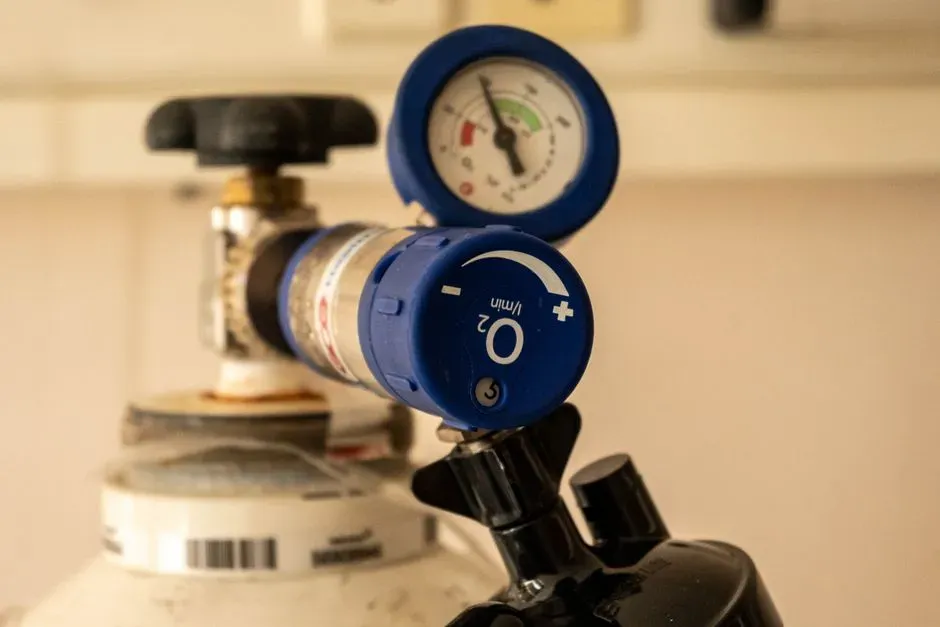
Travelers who use portable oxygen concentrators run into a two-part system that catches people off guard: TSA sets the rules at the checkpoint, but the airline sets the rules in the air – and the airline’s rules are the ones that determine whether your device is allowed on the plane at all. At the checkpoint, if the device can be disconnected for screening, you’ll go through like everyone else. If it can’t, the officer will test the equipment for explosive residue using an alternative method.
Before your trip, confirm with your airline that your specific portable oxygen concentrator model is approved for in-flight use – not all carriers allow all devices. Then verify with the device’s manufacturer that it’s certified for air travel, and ask your doctor whether you can safely disconnect during the brief screening window. Have your medical documentation ready and tell the TSA agent upfront what device you have and whether disconnecting is possible. The travelers who have the smoothest oxygen-related screenings are almost always the ones who called TSA Cares and their airline at least 72 hours before departure.
#2 – TSA PreCheck Delivers Far More for Travelers Over 60 Than It Does for Anyone Else

A lot of older travelers skip TSA PreCheck because they assume the standard line is fine, or because they’re already 75 and get the shoe exemption. But agents quietly point out that PreCheck delivers far more than shoes-off convenience – especially for anyone managing mobility issues, medications, or arthritis. For most seniors, the biggest physical stress at the checkpoint isn’t the screening itself. It’s standing in a slow-moving standard lane for 20 to 40 minutes before you even reach it.
Every item removed in the standard lane is a physical task: bending, unzipping, lifting, then reversing the entire process before you can move. For travelers managing arthritis, limited range of motion, or any condition that makes repetitive bending difficult, eliminating those steps on every trip is meaningful. TSA PreCheck provides a dedicated shorter lane and lets you keep your laptop, liquids, belt, and light jacket exactly where they are. Enrollment fees range from approximately $76 to $85 depending on provider, covering five full years – that works out to roughly $16 per year. Most TSA agents over 60 are enrolled themselves – and that says something.
Fast Facts: TSA PreCheck for Travelers Over 60
- Cost: ~$76–$85 to enroll (five-year membership); online renewal often available for less
- Wait time: 99% of PreCheck passengers wait under 10 minutes at security
- What stays on: shoes, belt, light jacket – and laptop and liquids stay in the bag
- Coverage: accepted at 200+ U.S. airports across more than 90 airlines
- Fee offset: many travel credit cards reimburse the enrollment fee as a statement credit
- Extra perk: children 17 and under can use the PreCheck lane alongside an enrolled adult for free
#1 – You Are Legally Entitled to Free Escort Assistance From Curb to Gate – Whether You Look Like You Need It or Not
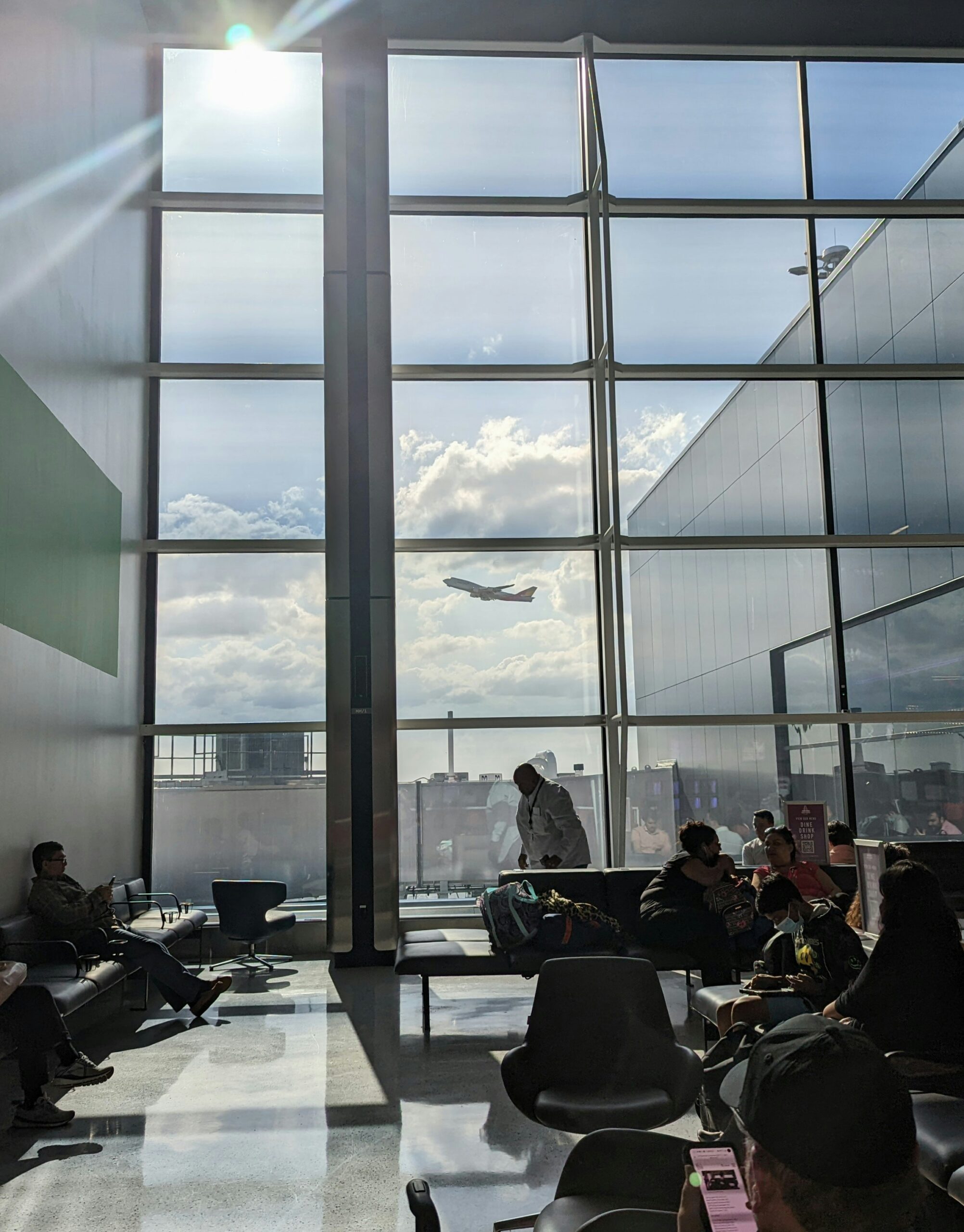
This is the one that stops most travelers cold. You don’t need to be visibly disabled, use a wheelchair, or produce a doctor’s note. Under the Air Carrier Access Act, travelers aged 60 and older are entitled to free wheelchair or ambulatory assistance throughout their airport journey – escort through security, help with carry-ons, expedited checkpoint processing, and priority boarding. This is a federal legal protection, not an optional airline perk, and the carrier must provide it upon request.
Almost no one tells you this at check-in, and airline staff won’t announce it to every traveler who approaches the counter. Federal policy also provides modified screening for travelers 75 and older – shoes, belts, and light jackets staying on – and if the system doesn’t flag your age automatically, you can self-identify to a TSA agent and request it directly. Between the Air Carrier Access Act escort right and TSA’s age-based accommodations, a traveler over 60 who knows these rules has a genuinely different airport experience than one who doesn’t. These aren’t marketed perks. They’re quiet policies, legal requirements, and staff-discretionary benefits that most older Americans never discover – because no one at the checkpoint is paid to announce them. The only thing standing between most travelers over 60 and a dramatically easier airport experience is simply knowing to ask.
The checkpoint has always been the stretch of travel that older Americans dread most – but a huge share of that dread comes from not knowing what’s already been put in place to help them. Seated pat-downs, free specialist escorts, medication exemptions, private screenings, dementia companion policies, federal escort rights – all of it sitting there unused because it never gets announced over the intercom. Share this with every traveler over 60 you know before their next trip. They’ll thank you at the gate.