
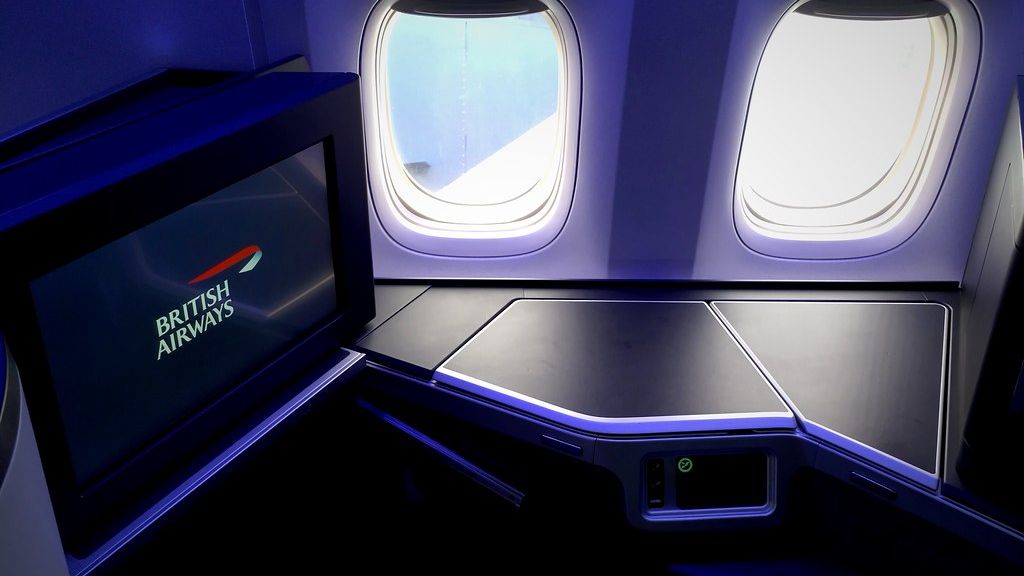
There’s a familiar moment that happens to most air travelers. You’re booking a long-haul flight, you see the economy fare, and then you notice something between economy and business class that sounds tantalizing. “Premium Economy.” More space. Better meals. A separate cabin. You pull out your card and pay considerably more, reassuring yourself it’s a worthy investment.
Whether that investment actually delivers what it promises depends almost entirely on which airline you’re booking, which aircraft you’re on, and whether you’ve done your homework. The answer is rarely as straightforward as airlines would like you to believe.
The Price Gap Is Real, and It Can Be Steep
Premium economy often costs around 50% more than economy, although this varies widely and varies by sub-class. On some routes, the gap is even more dramatic. A premium economy roundtrip between London Heathrow and New York JFK averages around GBP 820 with British Airways, while economy is approximately GBP 420 for the same dates. Virgin Atlantic typically lists premium economy at GBP 1,050, with economy fares from GBP 450.
For London to Dubai, Emirates premium economy averages GBP 1,980 compared to GBP 690 in economy. Flying London to Singapore, expect premium economy on Singapore Airlines to be around GBP 2,420, while economy will cost about GBP 1,180. Those aren’t rounding errors. That’s the difference between a weekend city break and a whole new trip.
How Much Legroom Are You Actually Getting?
Most mainline carriers give economy class seating an average seat pitch of 30 to 31 inches on long-haul flights. This can fall to 28 inches, particularly with low-cost airlines and short-haul flights. Premium economy raises that number – but not always dramatically. It’s common for the class to offer 38 inches in seat pitch, although this can rise to 40 inches or more with premium carriers like Emirates and Cathay Pacific.
Premium economy seats usually offer five to seven inches of extra legroom compared to standard economy. That’s a real improvement, but it’s not the transformation marketing brochures sometimes imply. On a short-haul or medium-haul flight under five hours, the difference in how you feel on arrival is likely minimal. The value math changes significantly on a 12-hour overnight flight.
Seat Width: The Understated Upgrade
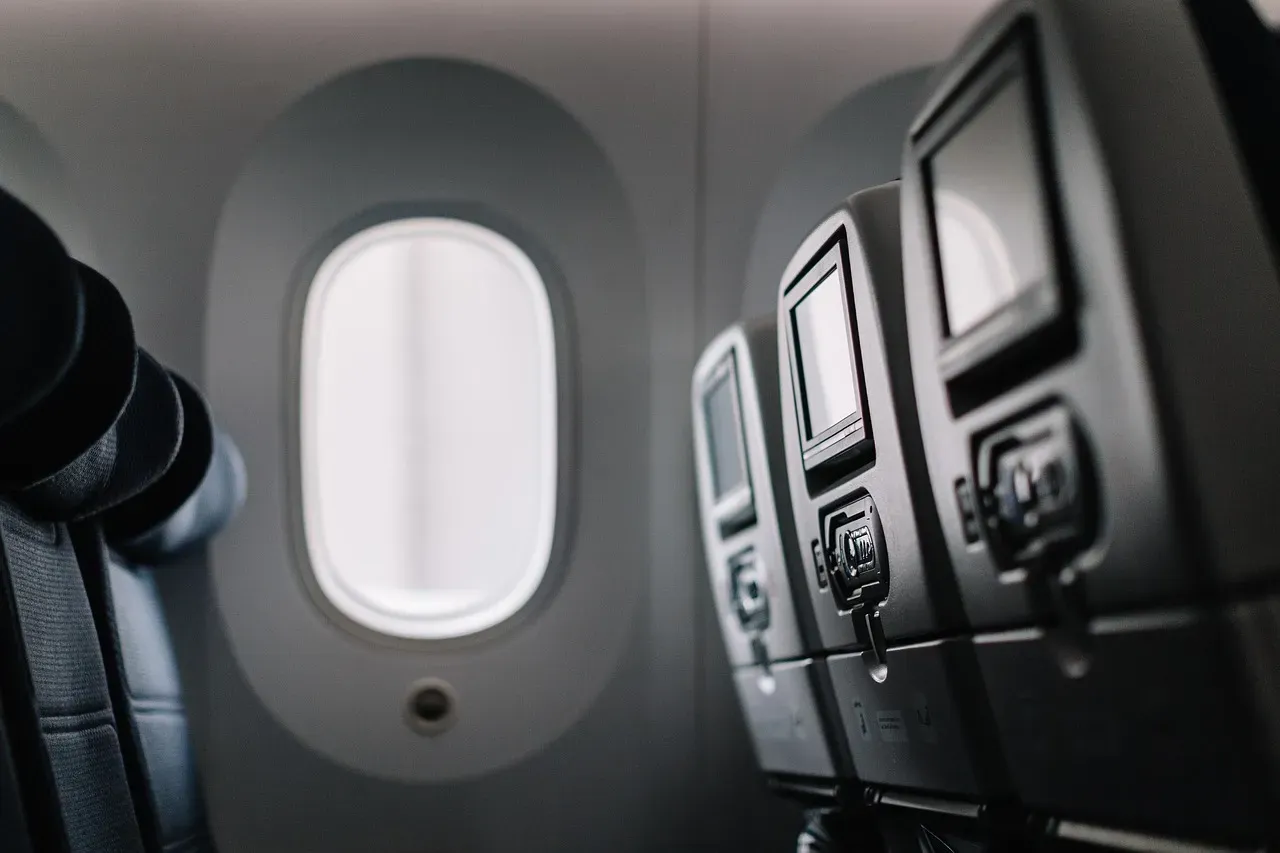
Across the three major US legacy carriers, premium economy’s key width advantage over standard economy is usually meaningful but somewhat modest. Passengers can anticipate two or so more inches to spread out, with the biggest jumps appearing on some very specific widebody layouts. That said, width often matters more than pitch in terms of how a flight actually feels.
What is important with premium is not so much that they are wider between armrests, but that the number of seats abreast is reduced. This means passengers are physically more spaced out. A seat that is even an inch wider can change how your shoulders sit, how much you fight for the armrest, and whether you can work or sleep without constantly bumping your neighbor. That’s the real difference, and it’s rarely the headline figure in an airline’s promotion.
Not All Premium Economy Is the Same Product
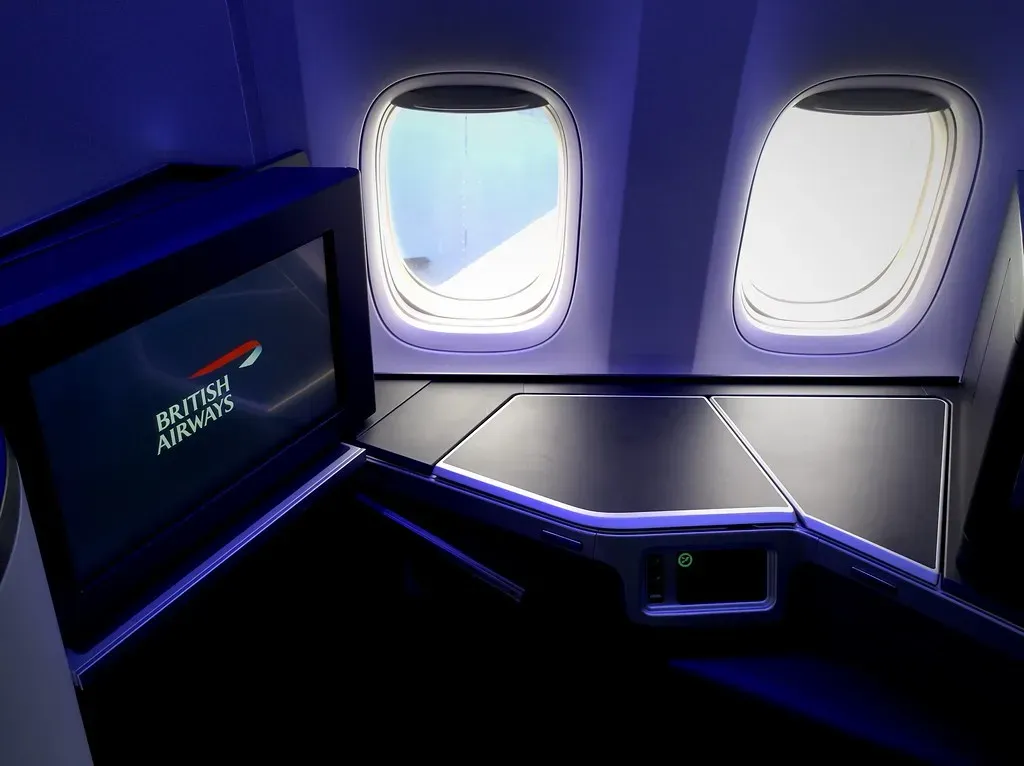
The soft product can vary between airlines, and different airlines take different approaches to position their product between “economy plus” and “business class minus.” Some find that Lufthansa’s premium economy soft product is not too far off from economy, whereas Qantas and KLM take a more “business class lite” approach. Those are two very different propositions for a similar-sounding name.
The amenities and customer service you get in premium economy are all over the map. Some, including premium economy pioneer Virgin Atlantic, offer priority check-in counters, cushy seats, amenity kits, plenty of good-quality food, and expedited baggage handling. Others skimp on the extras, offering less to premium economy customers than other airlines provide in coach. Researching the specific product before booking isn’t optional; it’s essential.
The Airlines Profiting Most from This Cabin
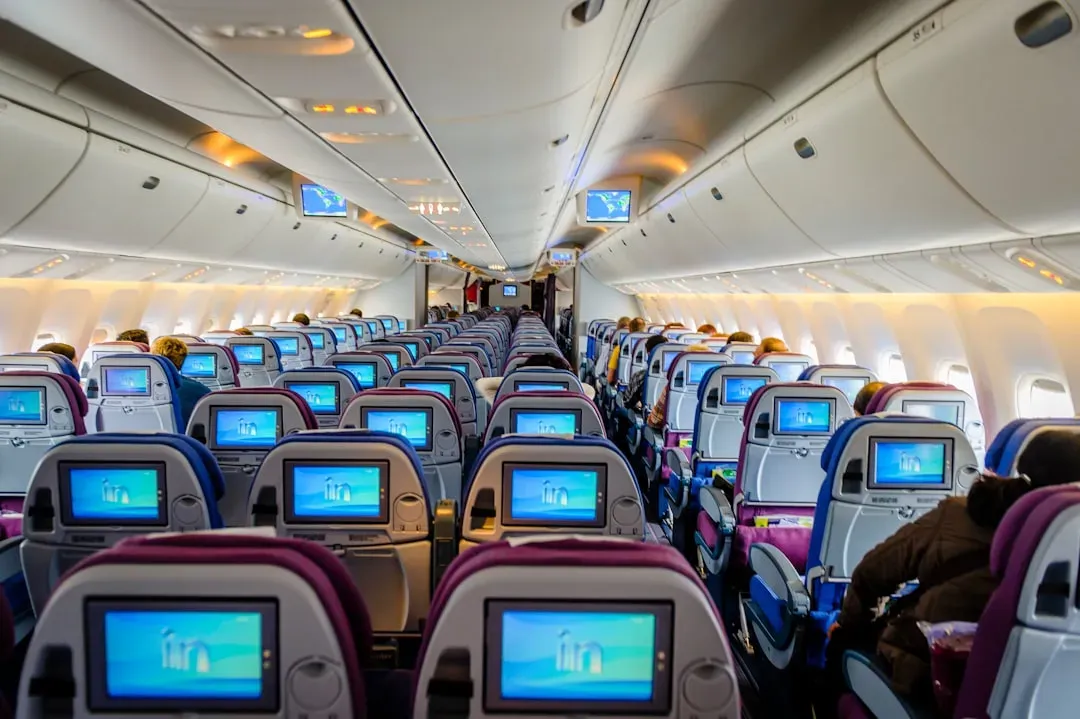
For airlines, the calculation pays off. Several carriers, including Lufthansa and Virgin Atlantic, are on record as saying that this ersatz premium cabin is, for them, the most profitable swath of real estate on the plane. The reason is structural. Airlines can set a price for this service that’s far higher than the costs they incur in giving fliers a bit more space than in coach.
The number of carriers offering premium economy cabins has risen drastically, with only 42 offering the product in 2017 and almost 90 offering it in 2024. Premium economy installations have more than doubled across the global widebody fleet over the past decade, reaching about 45% of aircraft. In late 2025, Delta’s revenue from premium economy surpassed that from economy for the first time. The airlines know exactly what they’re doing.
The Wide Variance in Pricing by Route
Premium economy fares are consistently higher than economy, typically ranging from double to over seven times the price, depending on the route, season, and demand. Pricing is highly dynamic, with fluctuations even on the same airline and route. The phrase “50% more” is almost an optimistic floor for many long-haul options.
In October 2025, Virgin Atlantic offered one-way flights from London Heathrow to New York JFK for around $970. British Airways was pricing its premium economy seats on the same day and route for $3,500. Perhaps surprisingly, basic economy fares were similarly priced by both airlines on those flights. That kind of variability makes it nearly impossible to generalize about whether premium economy is “worth it” without comparing a specific fare on a specific day.
When the Upgrade Genuinely Makes Sense
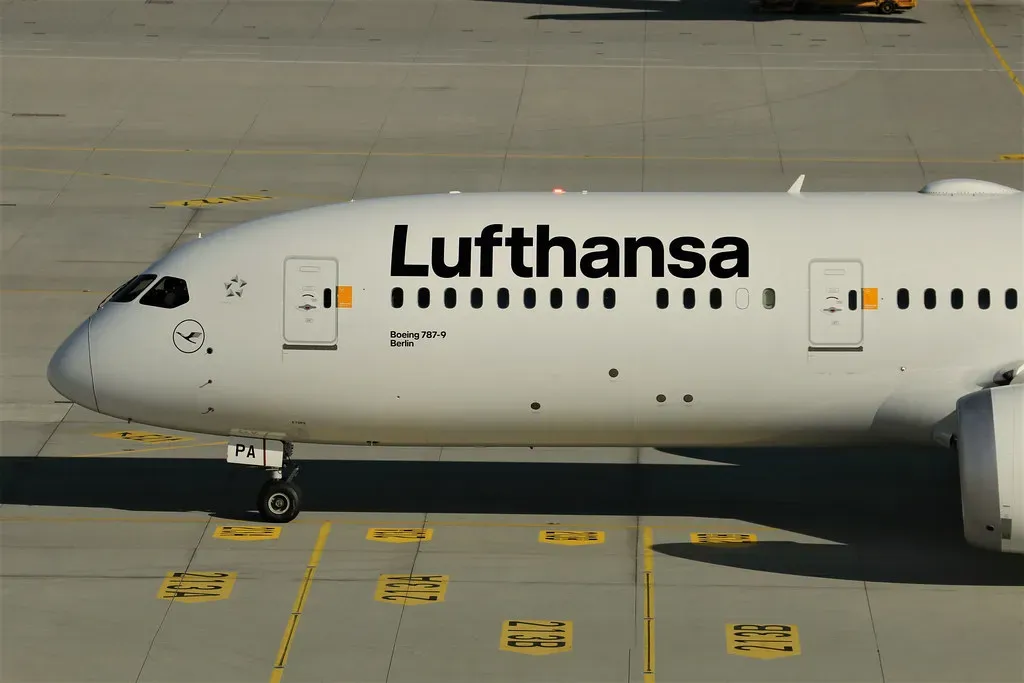
For leisure travelers on long overnight flights, for any flight over 8 hours – especially overnight flights where sleep is crucial – the extra comfort can make the difference between arriving exhausted or refreshed. The comfort math shifts decisively on ultra-long-haul routes. On long-haul routes, the difference in personal well-being can be surprisingly substantial. Many travelers report sleeping better, experiencing less stiffness, and arriving at their destination more refreshed.
Flight attendants can attend to fewer passengers, often leading to quicker meal service, faster responses to requests, and a more personalized experience. Passengers in premium economy usually get priority boarding, dedicated check-in counters, and a separate section, all of which help reduce congestion at the gate and on the plane. These procedural perks are easy to dismiss on paper, but they add up noticeably on a stressful travel day.
The Airlines That Actually Deliver Value
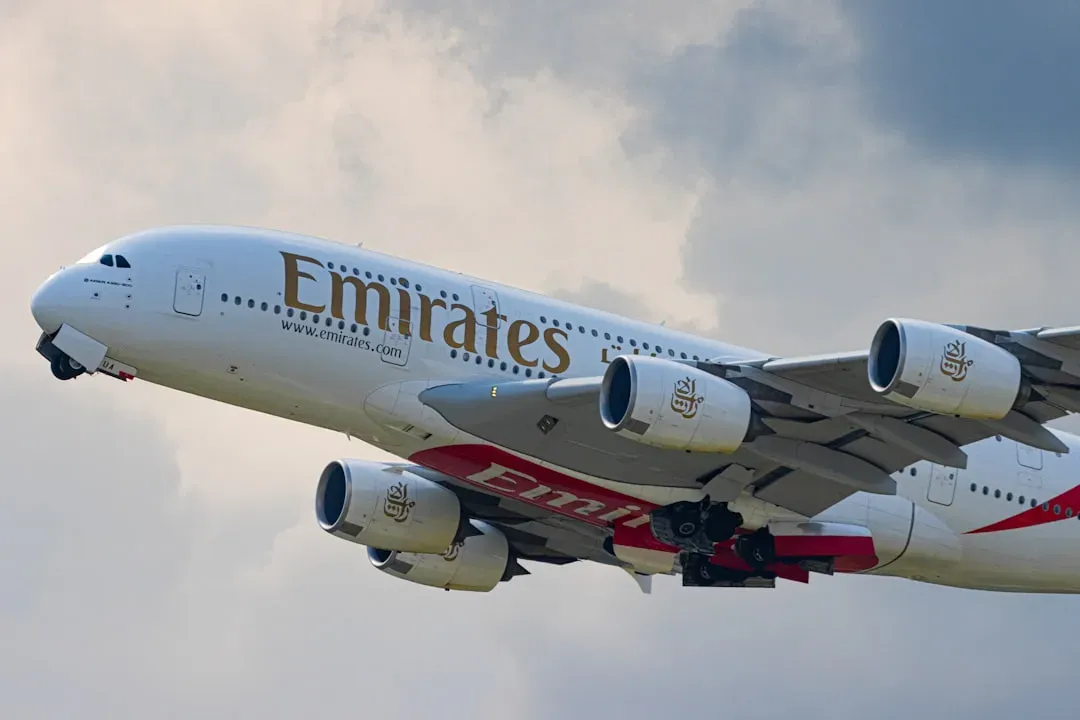
According to the Skytrax World Airline Awards 2025, Emirates offers the world’s most comfortable premium economy seat. Based at Dubai International Airport, the airline only introduced its premium economy cabin in 2021, but it has already earned accolades for its innovative design and exceptional onboard service. Each seat offers up to 40 inches of pitch, 19.5 inches of width, and eight inches of recline. The cabin’s cream leather seats feature adjustable leg rests, headrests, and footrests, along with a six-way adjustable seat design for added comfort.
EVA Air holds a distinctive place in aviation history for its pioneering role in premium economy. In 1992, the airline launched what it called “Evergreen Deluxe Class,” widely regarded as the world’s first true premium economy cabin. Its latest premium economy seats, particularly on the Boeing 787-9, offer approximately 42 inches of seat pitch, firmly positioning EVA among the global leaders in legroom. Japan Airlines matches that pitch figure, making both carriers standout options for travelers who prioritize space above all else.
The Aircraft Lottery That No One Warns You About
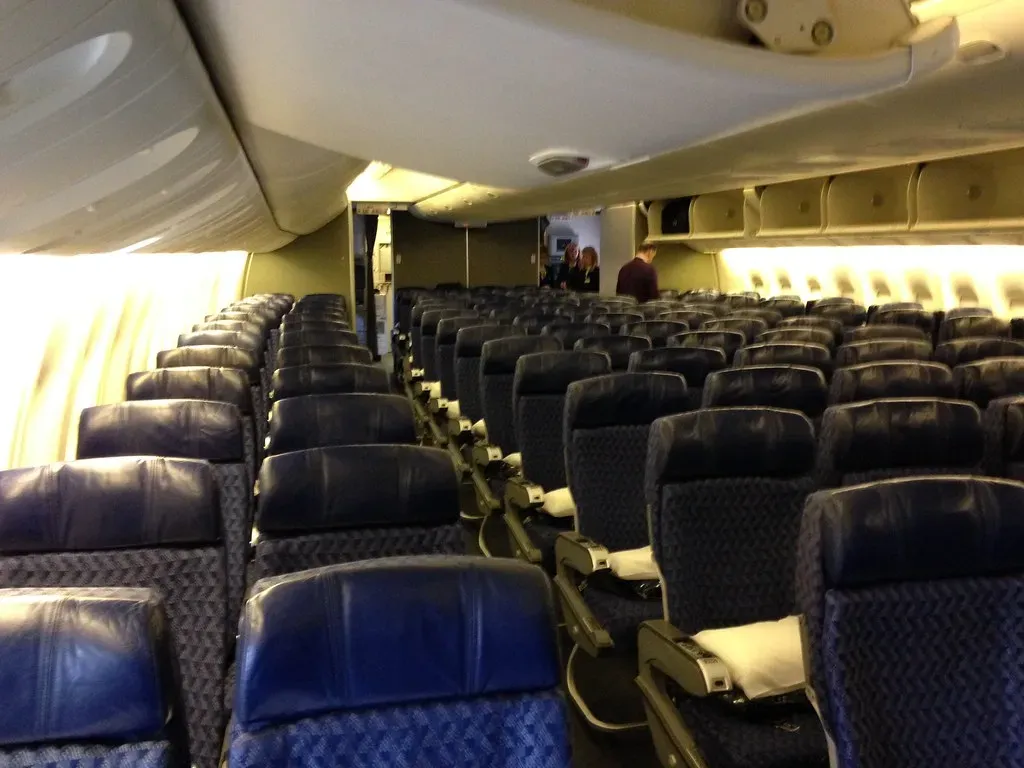
Your premium economy experience can vary significantly depending on the aircraft. Newer planes like the Airbus A350 and Boeing 787 Dreamliner typically offer the latest premium economy products with improved air quality and larger windows. The A380’s quiet cabin enhances comfort, while some carriers’ retrofitted 777s might feature older seats. Booking a premium economy ticket guarantees you a price. It does not always guarantee you a modern seat.
These differences underline that you really must check the specific aircraft and product rather than assume all premium economy seats are the same. Airlines regularly swap aircraft on routes without passenger notification. The premium economy seat you saw in the promotional photo may not be the one you board.
The Bottom Line: When It’s a Scam and When It Isn’t
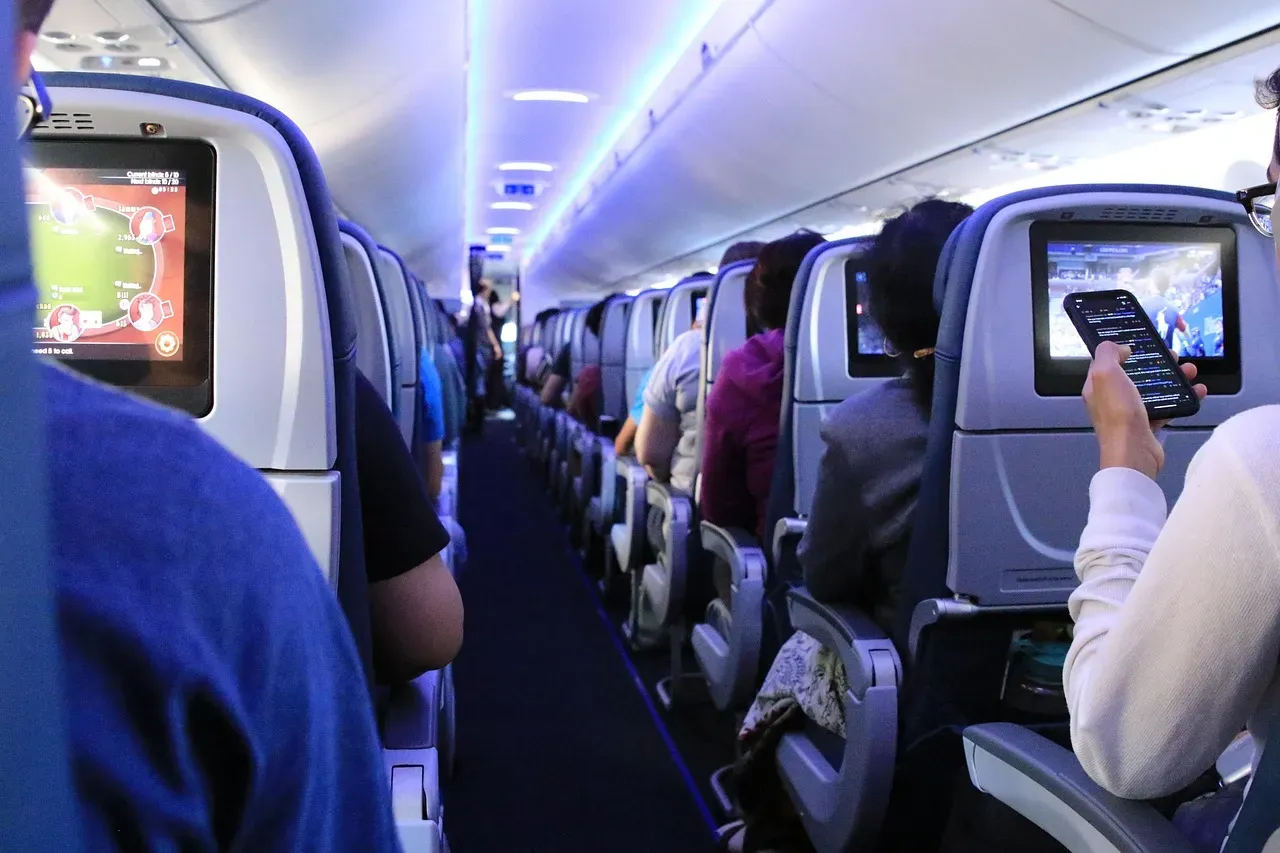
Premium economy is typically 50 to 100% more expensive than economy for the same flight. Anything below a 50% difference is a bargain. Anything higher than 100% is usually too expensive to be worth it. That’s a reasonable rule of thumb, though the specifics of each route, airline, and aircraft still matter enormously.
Post-pandemic, with corporate travel recovering unevenly, airlines have leaned harder into selling passengers up to premium cabins. These new cabins are primarily aimed at leisure and small-business customers, rebalancing aircraft toward overall higher-yield seating. In that context, the term “premium economy” is partly a product category and partly a revenue strategy – and the two don’t always overlap cleanly in the passenger’s favor.
The honest verdict is that premium economy is neither a reliable scam nor a reliable bargain. It’s an inconsistent product sold under a consistent name. On the right airline, the right aircraft, and the right long-haul route, it can be a genuinely smart purchase. On the wrong combination of those three factors, you’re mostly paying a significant premium for a marginally wider seat and a slightly warmer welcome drink. The research you do before booking is, realistically, the most valuable upgrade you can make.