
Turn on a tap almost anywhere and water comes out. What almost never gets asked is what that simple act actually costs somewhere else in the world, or what invisible systems make it possible where it works well. The gap between the two experiences has never been wider, and in 2026 it keeps growing for reasons that have little to do with luck and everything to do with geography, governance, and money.
Switzerland: glacier meltwater and near-zero treatment
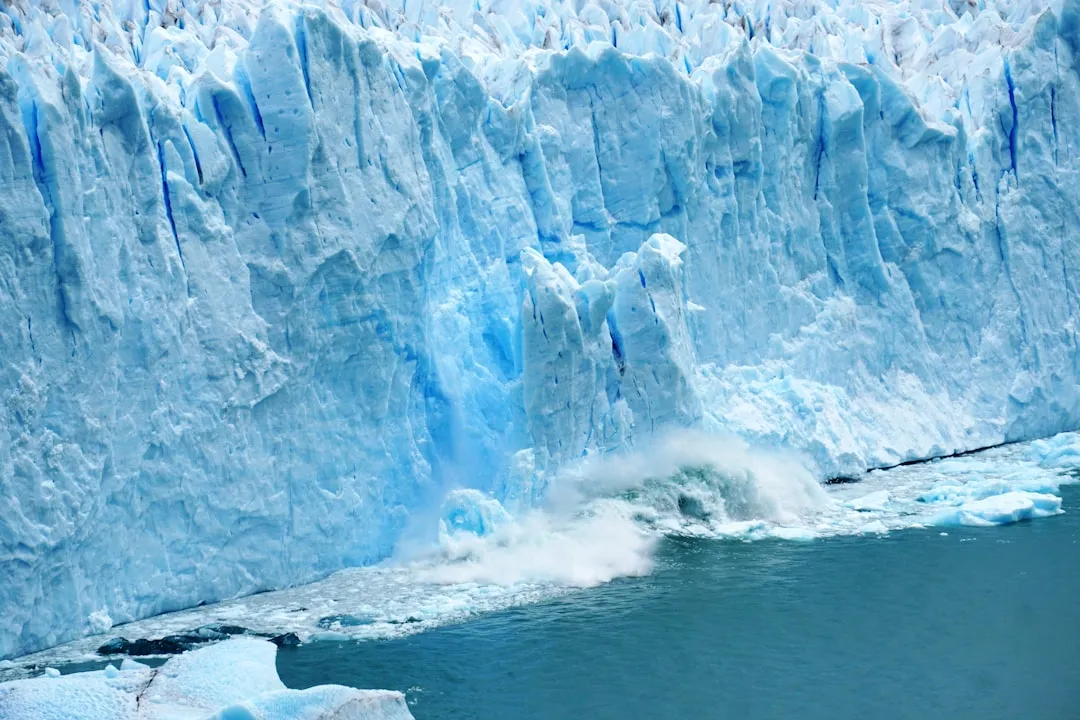
Switzerland’s reputation for pure water isn’t marketing. Great environmental practices have kept Swiss water sources clean, and rigorous testing and contamination regulations have allowed Switzerland to provide some of the best tap water in the world. Much of the supply starts as snow and glacier runoff high in the Alps, filtering through rock and soil long before it reaches a household pipe.
That natural filtration means treatment plants often have very little work to do. The government also follows strict water safety rules and uses advanced treatment systems, and in many areas, the water is so clean that it needs very little or no chemical treatment before reaching homes. It’s one of the few places where drinking straight from a public fountain in a city square is completely normal, not a risk anyone thinks twice about.
Finland: forest-filtered groundwater from thousands of lakes
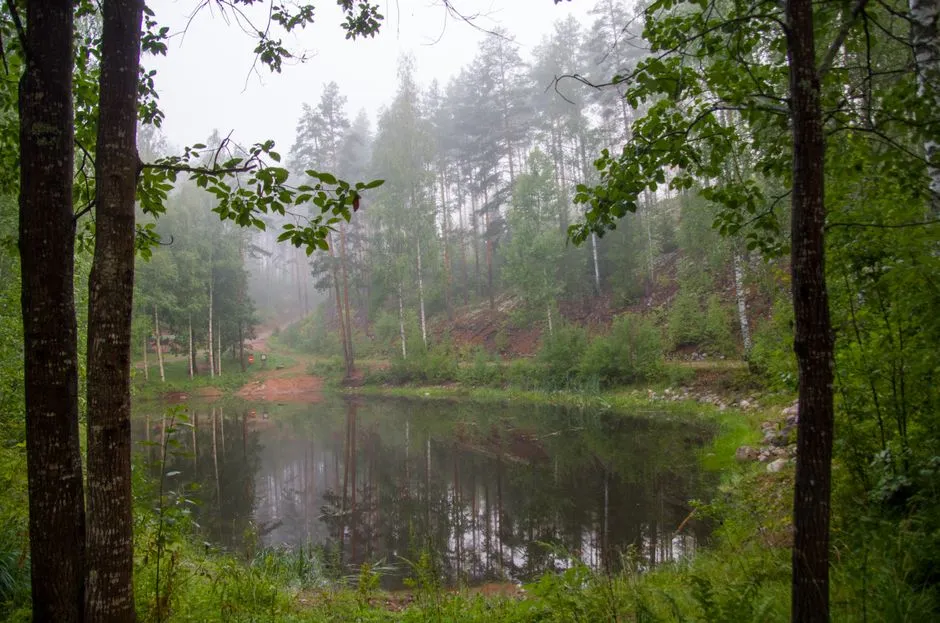
Finland’s advantage comes from geology as much as policy. Much of Finland’s water is sourced from underground granite rocks and its 187 thousand lakes, and as groundwater collects in the rocks and is naturally filtered by sand and stone, very little contaminants make it into tap water. The country’s boreal landscape essentially does free filtration work that other nations spend billions building infrastructure to replicate.
Consistency matters just as much as source quality. Regulations are also consistently enforced, meaning Finnish tap water is always safe to drink, and not only is tap water in Finland safe, it’s also reportedly delicious, which is part of why bottled water isn’t a huge market there. When people genuinely prefer the tap over a bottle, that says something about trust in the system, not just the mineral content.
Iceland: volcanic filtration with almost no treatment at all
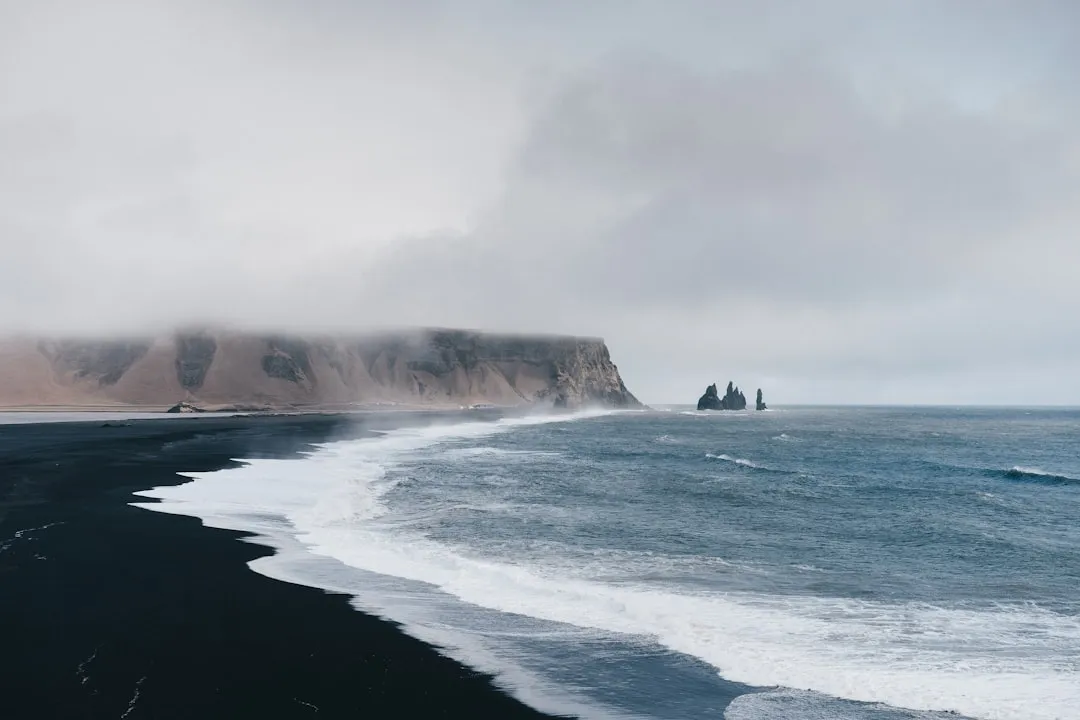
Iceland’s water story is tied to its geology in a way few other countries can match. Most of Iceland’s drinking water comes from snow and rain, and this moisture filters through porous volcanic rocks underground and is easily accessible from mountain streams. The result is water so clean that treatment plants barely need to intervene before it reaches a glass.
The numbers back that up in a striking way. Given the purity of water in Iceland, it doesn’t even need to be treated, and according to Water Technology, only 0.9% of water is treated before it reaches consumers. A 2025 global cleanliness assessment reinforced this reputation, ranking Iceland as the cleanest country in the world, followed by Switzerland and New Zealand, with water quality as one of the core factors behind that score.
Singapore: engineering its way to purity without natural abundance
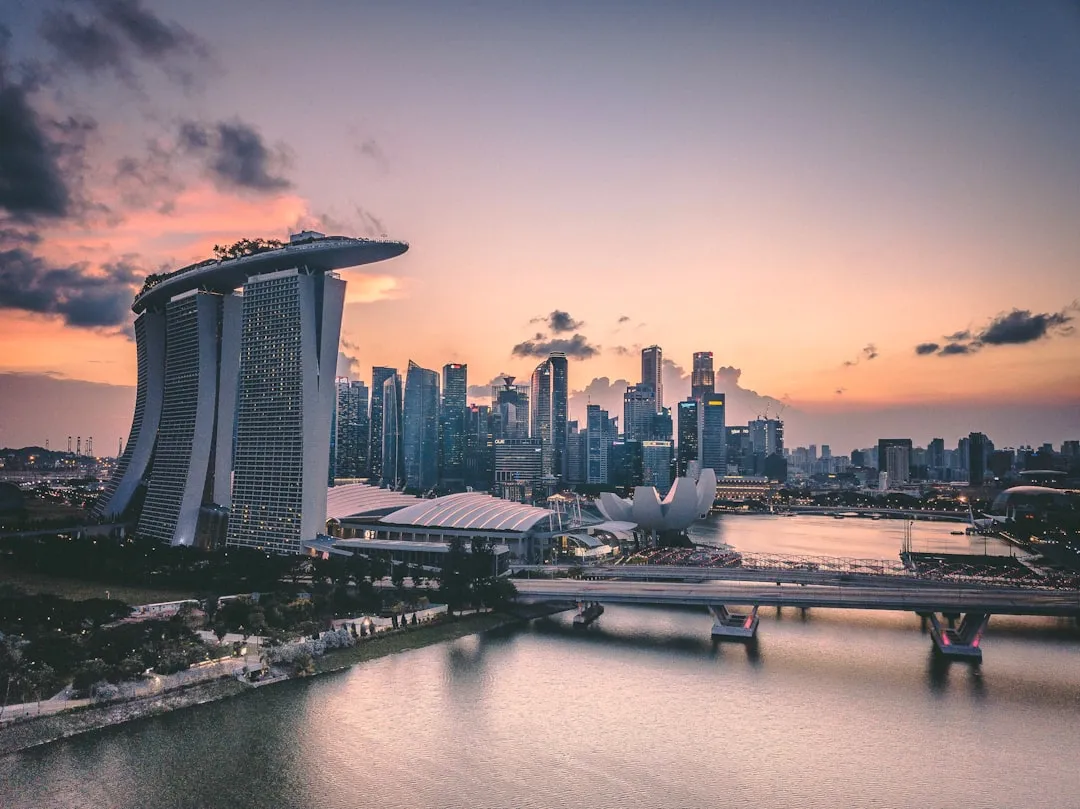
Singapore earns its spot on this list through a completely different route than the others. Unlike countries blessed with abundant natural freshwater, Singapore has invested heavily in water technology, combining reservoir collection, desalination and advanced recycled water treatment known as NEWater to produce extremely high-quality drinking water. It’s a small, densely populated island with almost no natural freshwater reserves of its own, yet it manages to deliver some of the safest tap water on the planet.
That success is entirely a product of policy and infrastructure spending rather than geography. For water security, the country relies on desalination and NEWater, a high-grade recycled water system, to cope with droughts. It’s proof that clean water doesn’t have to come from nature. It can be built, at a cost, through sustained investment and long-term planning that most governments never commit to.
Afghanistan: a capital city racing toward “Day Zero”
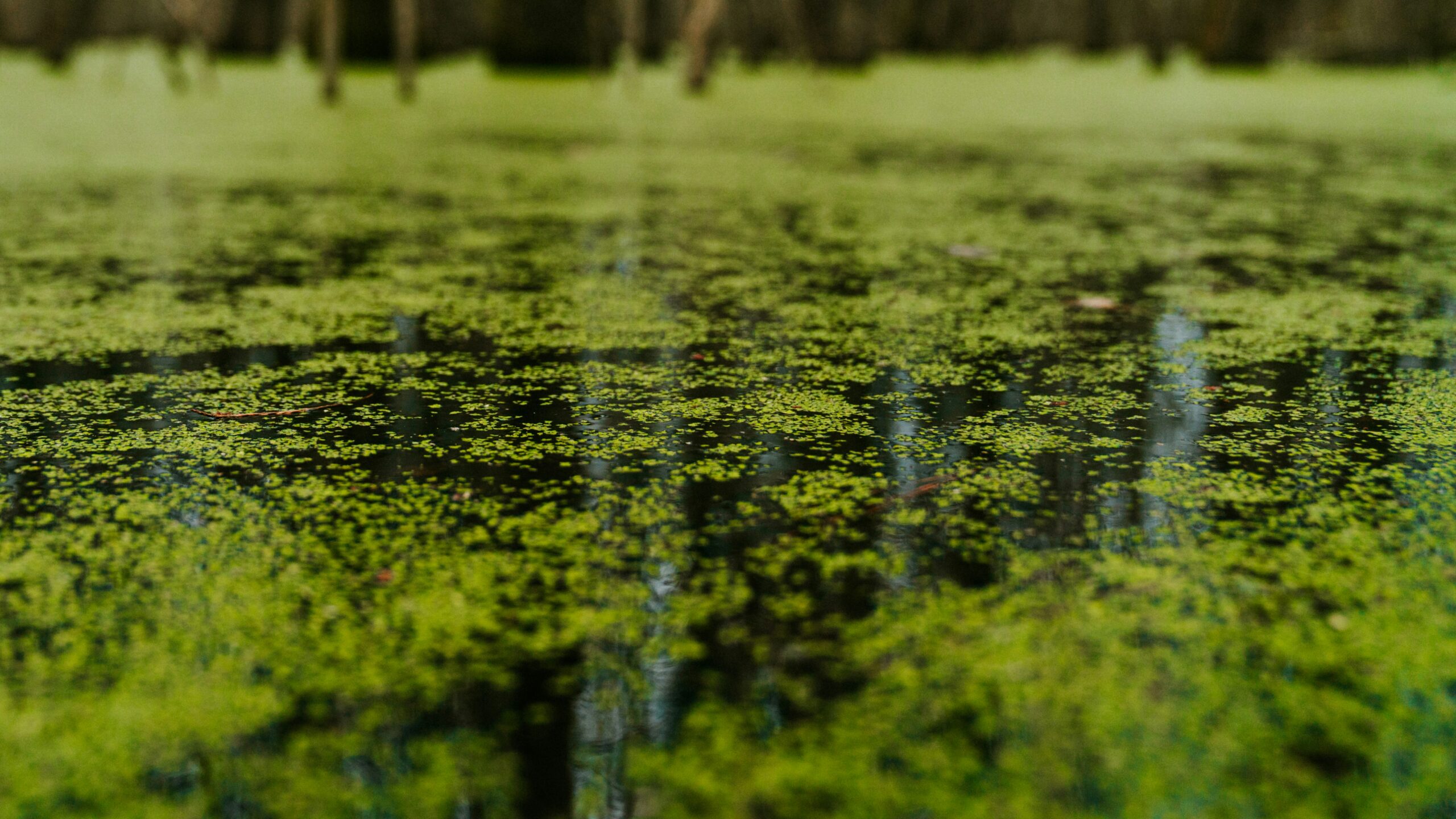
Afghanistan’s water crisis has moved from chronic to acute in the past few years. Water is becoming harder to access in Afghanistan, and just over 30% of the country has access to safely managed drinking water, with that access dropping significantly in rural and hard-to-reach provinces. Decades of conflict, drought, and weak infrastructure investment have compounded each other rather than improving with time.
The capital faces a particularly alarming outlook. One 2025 report warns that Kabul may become the first modern city to run out of water, possibly as soon as 2030. Groundwater in the Kabul basin has been pumped faster than it can recharge for years, and there’s no obvious backup plan for a city of millions if the wells simply go dry.
Democratic Republic of Congo: abundant rivers, unsafe drinking water
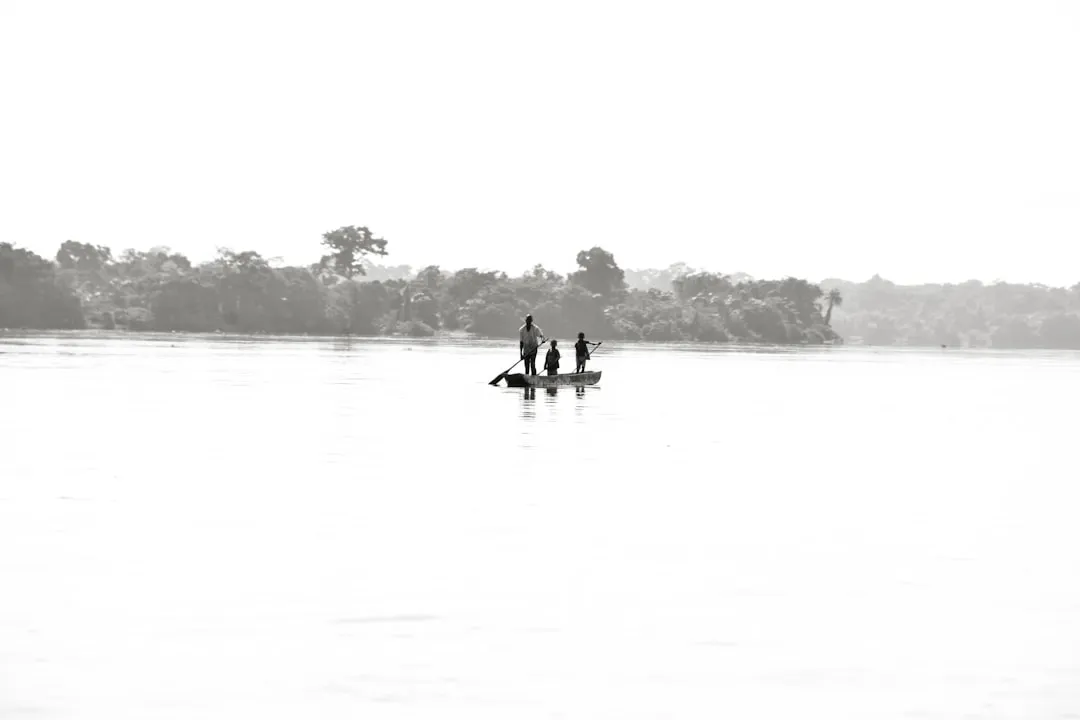
The DRC presents one of the more counterintuitive cases on this list, a country rich in water that still can’t guarantee safe access to it. Like the Central African Republic, the DRC has a wealth of freshwater resources, including 62% of the Congo River basin, but underdevelopment over the last 65 years combined with both national and localized conflicts mean under-serviced sanitation needs that lead in turn to contaminated drinking water. Having a major river system nearby means very little if there’s no infrastructure to treat and distribute it safely.
Ongoing violence has made the humanitarian response urgent rather than developmental. With an increase in violence in eastern DRC beginning in late 2023 and continuing in 2025, aid groups have been responding by providing over 400,000 gallons of drinking water each day to civilians affected by the conflict, reaching nearly 362,000 Congolese with WASH programs in 2025 alone. That’s emergency relief, not a long-term fix, and the underlying gap between resource and access shows no sign of closing on its own.
Yemen: a water network broken by nearly a decade of war
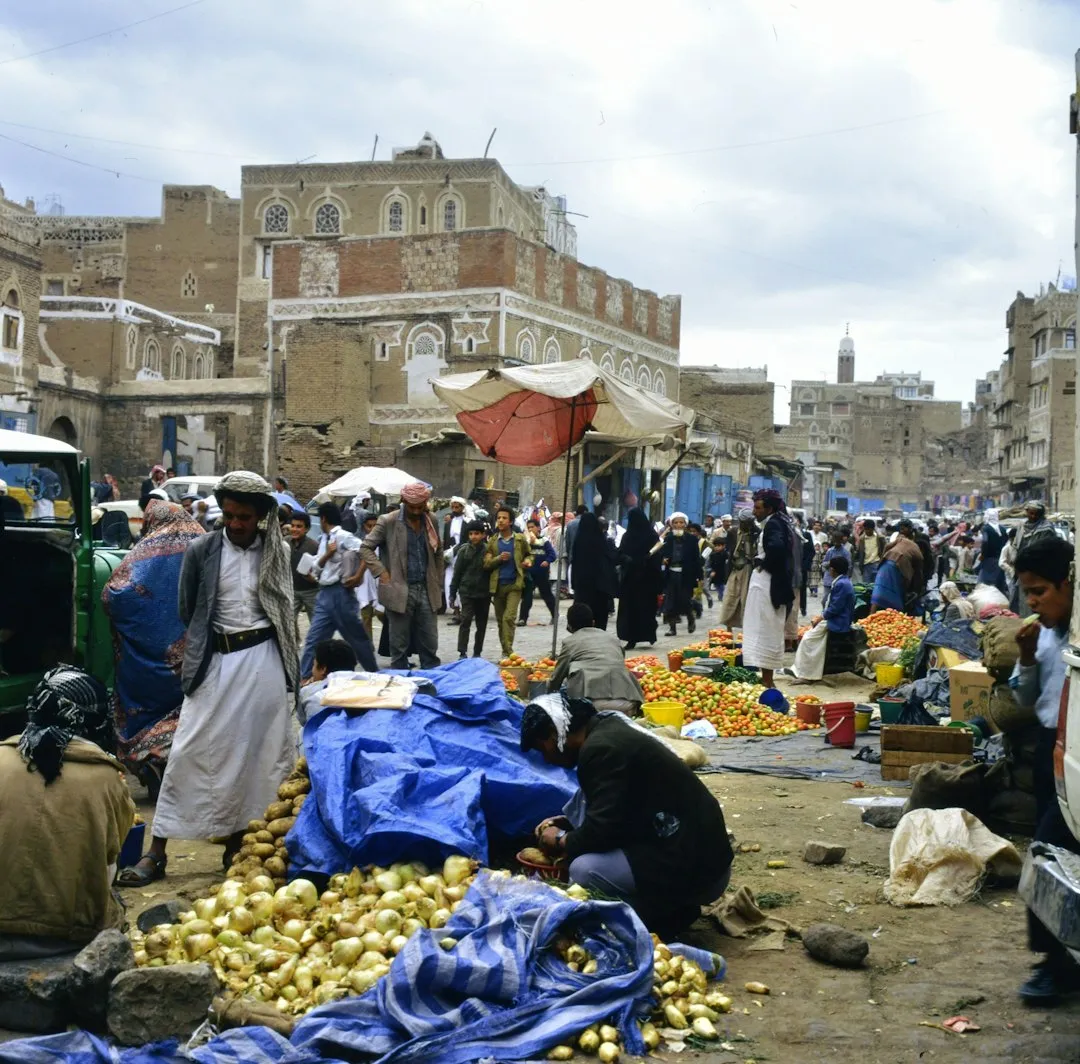
Yemen’s water crisis is almost entirely man-made, a direct casualty of prolonged conflict rather than drought or geography alone. According to figures released by Action Against Hunger, in Syria more than half of the water network has been damaged in the fighting, and in Yemen, the population without access to safe water has risen from 40% to 70% since the start of the conflict. That’s a staggering jump in a country that already had limited freshwater resources before the fighting began.
The consequences ripple through public health in predictable, grim ways. Contaminated water and collapsed sanitation systems have made waterborne disease outbreaks a recurring feature of daily life rather than an occasional emergency, and rebuilding pipe networks in active conflict zones remains close to impossible while fighting continues in parts of the country. Without a durable peace, water infrastructure repairs tend to get destroyed again before they’re finished.
Niger: drought, desertification, and a fragile water table
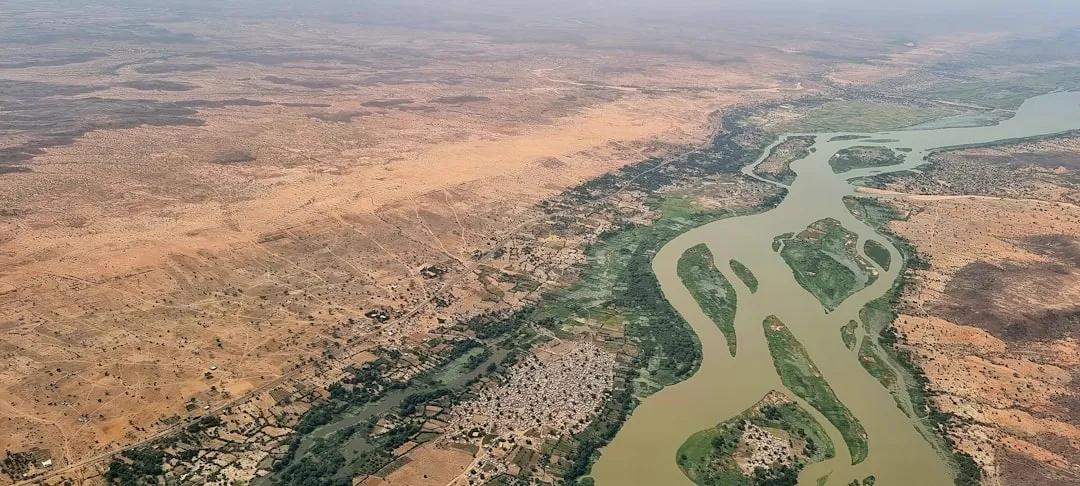
Niger sits at the intersection of geography and instability, and neither is working in its favor. Landlocked and dominated by the Sahara Desert, only one-eighth of the land in Niger is considered arable, an especially large challenge given that 80% of the workforce relies on agriculture and livestock, and the country has also faced recent bouts of violence and political instability. Desert expansion keeps shrinking the usable land base at the same time as the population keeps growing.
Access to safe water remains far below what’s needed for basic stability. Just under a third of the country has access to safely managed drinking water, a figure that drops even further outside the capital, and aid organizations have had to install both small and large-scale water points to fill gaps that national infrastructure hasn’t reached. Sack gardens and solar-powered irrigation have helped some communities cope, but these are patches on a much larger structural shortfall.
Gaza: contamination and collapse layered on top of conflict
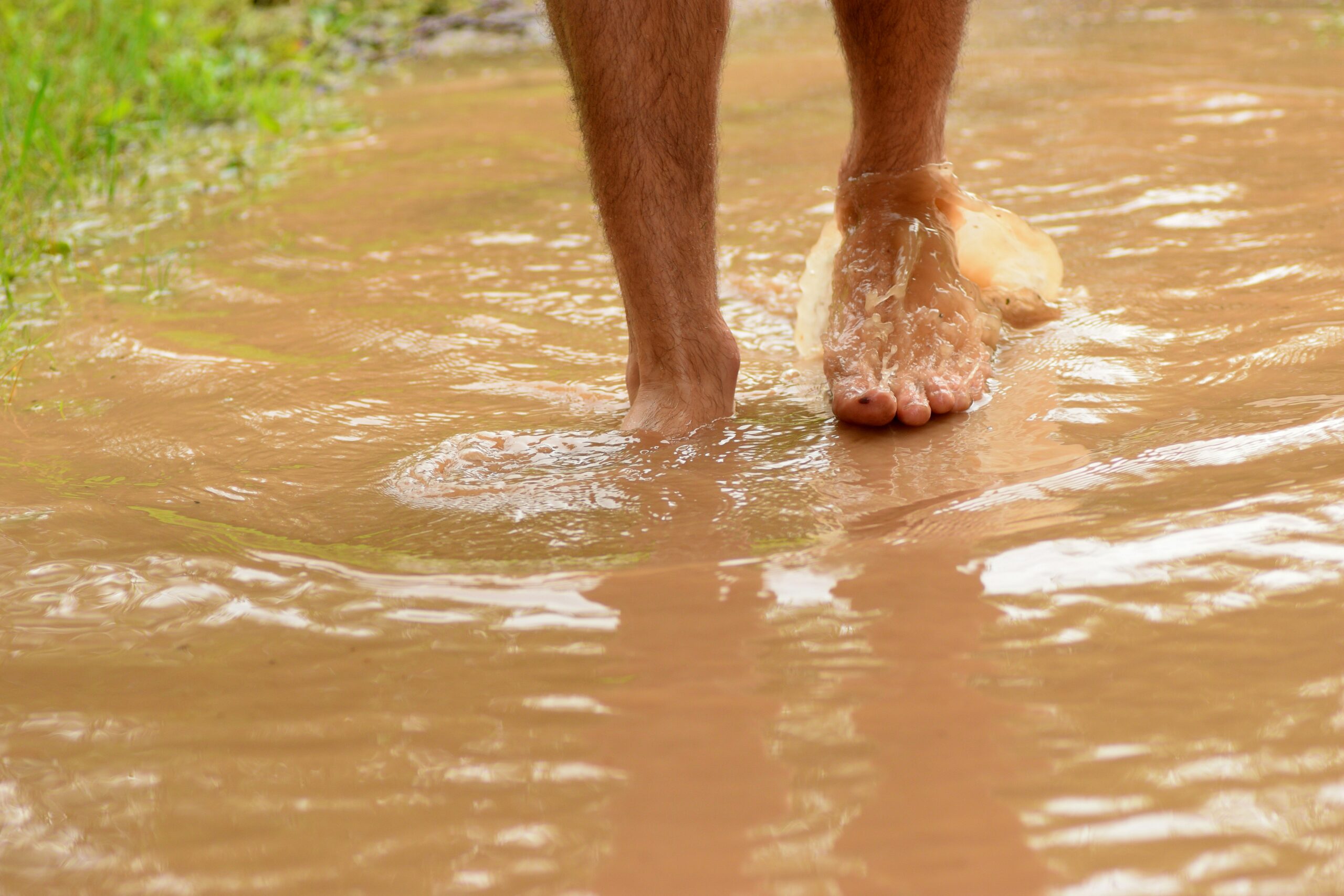
Few places illustrate how quickly a water system can break down under sustained conflict as starkly as Gaza. Over 90% of Gaza’s water supply is unfit for human consumption due to contamination and damage, and only 40% of the population currently has access to safe drinking water. That’s not a slow decline. It’s the near-total collapse of a system that was already strained before the current crisis intensified.
The public health fallout has followed almost immediately. The collapse of sanitation services has also led to rising cases of waterborne diseases, including cholera and Hepatitis A, and scientists have also confirmed traces of polio in water samples. Aid groups have stepped in with emergency filtration and bottled distribution, including supplying 1,300 gallons of drinking water every two days to camps in Deir al-Balah and Khan Younis, and installing a water filtration machine at Al-Rantisi Hospital to keep dialysis services running for children, but these are stopgap measures rather than a rebuilt system.
The contrast between these two groups of countries isn’t really about wealth alone, since Singapore proves that money and planning can overcome a poor natural starting point. It’s about whether water is treated as infrastructure worth protecting decades in advance, or as something that gets fixed only after it breaks. The four countries doing well got there through some mix of geographic luck and sustained investment, while the four in trouble are dealing with either resource scarcity, conflict, or both at once. Neither problem solves itself, and the gap between the two groups is more a matter of policy and stability than anything fixed by geography alone.