

Most people assume an overnight train ticket buys nothing more than a reclining seat and a thin blanket, and that anything extra has to be requested, tipped for, or fought over. Regular sleeper-car riders over 60 know something different happens once the dining car empties out and the corridor lights start to dim.
None of it gets announced over the intercom, and none of it is printed on any receipt. Here’s what longtime attendants, rail forums, and frequent senior travelers say actually happens once the rest of the train has gone quiet.
#15 – The Bed That’s Already Turned Down Before You Finish Dessert
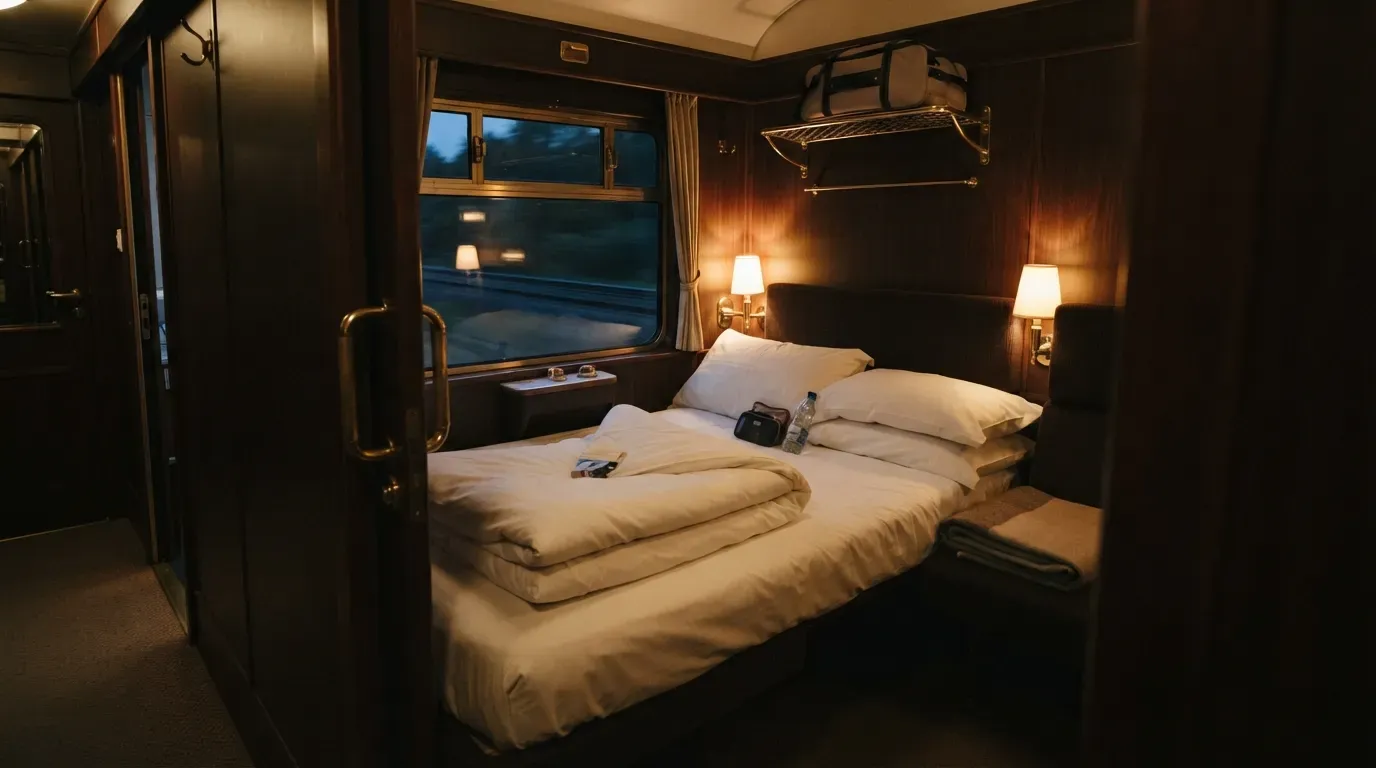
Younger travelers often wait until they’re yawning before asking for their bed to be made up. Attendants who’ve worked sleeper cars for years know older passengers move slower getting settled for the night, so many convert the room from daytime seats into a made bed while the passenger is still at dinner, without ever being asked.
That means walking back from the dining car to find the room already finished, sheets tucked, nothing left to arrange in a dark, swaying space. It sounds minor until you’re the one fumbling with cushions at 9 p.m. with tired knees and low light. What happens with the bunks themselves is even more deliberate.
#14 – The Bottom Bunk Nobody Had to Ask For
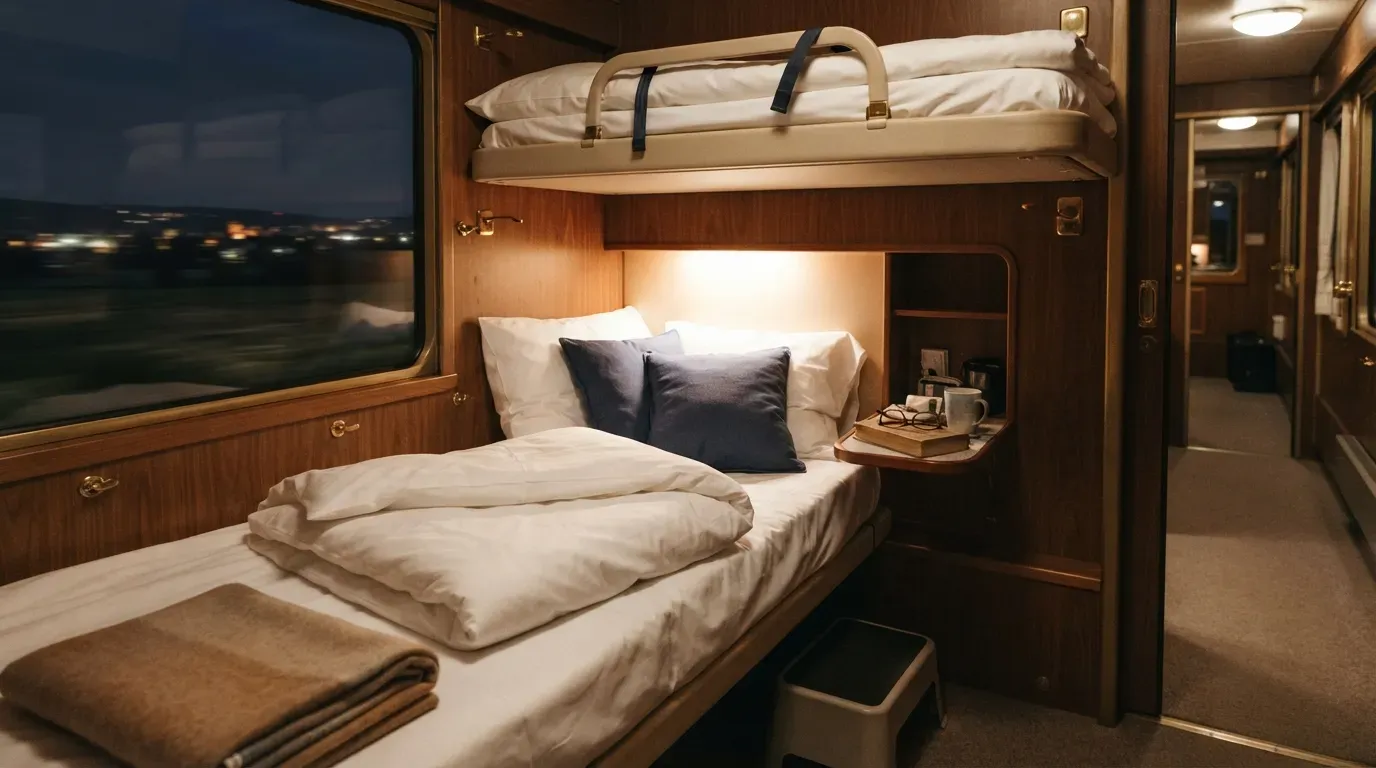
Climbing a ladder in a moving train car at night is harder than it looks, even for people who feel steady on solid ground. Attendants notice this fast, and in shared or multi-berth rooms, one passenger sometimes has to ask the other to swap so they don’t have to climb.
Experienced stewards often head off that awkward conversation entirely by quietly assigning the lower berth to the older rider from the start, before anyone has to negotiate anything. It’s a small gesture, but it removes an entire category of nighttime anxiety before it ever begins. The next comfort is one almost nobody notices until they need it.
#13 – A Dim Path Left Glowing Toward the Restroom
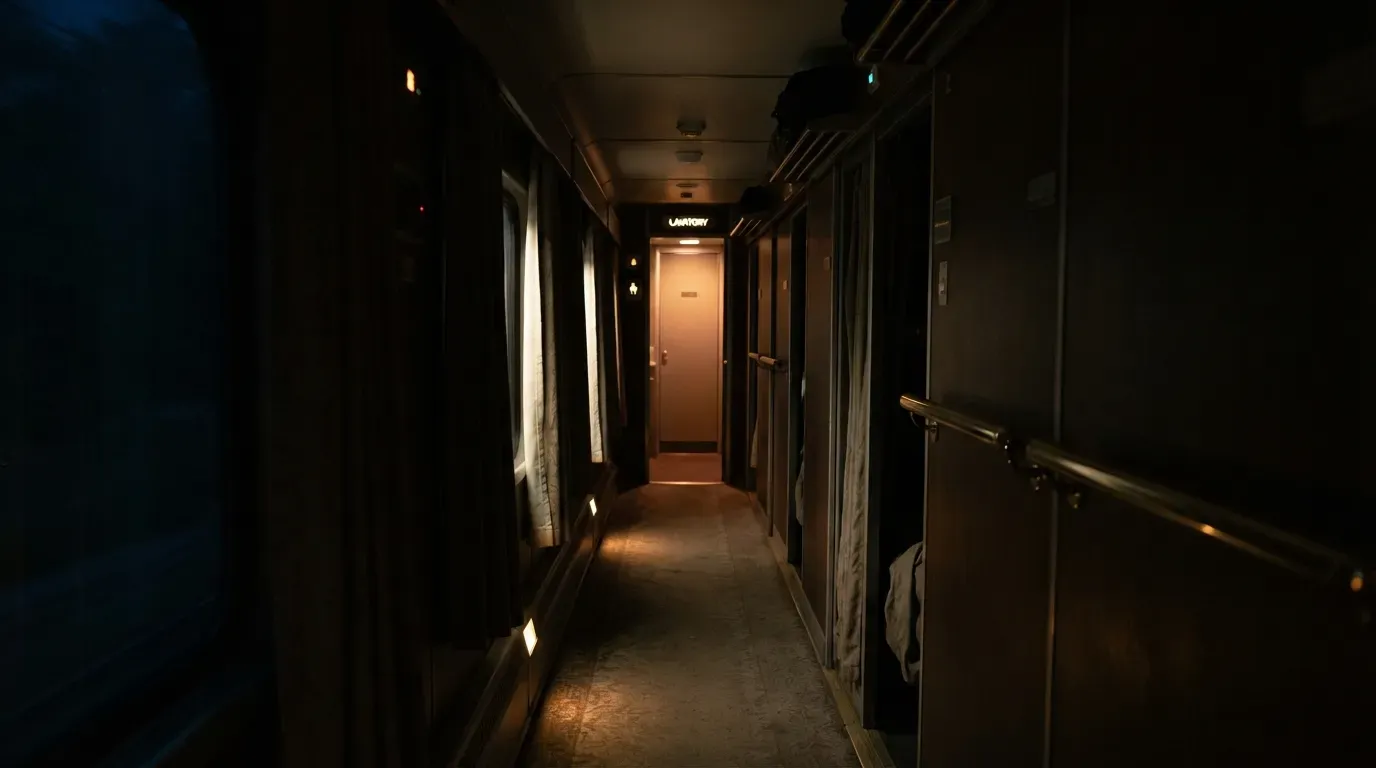
Full darkness in a swaying train car is disorienting at 2 a.m., especially for anyone who’s made more than one bathroom trip in a single night. Attendants who know their passengers will often leave a soft corridor light on or crack a curtain just enough to keep a walkable line of sight, without waking the rest of the car.
It isn’t listed as an amenity anywhere. It’s just something a steward who’s seen enough stumbles and near-falls decides to do quietly, on their own judgment. The next favor is easy to miss, but it solves a problem almost every older rider has faced.
#12 – Water and Snacks Placed Within Arm’s Reach
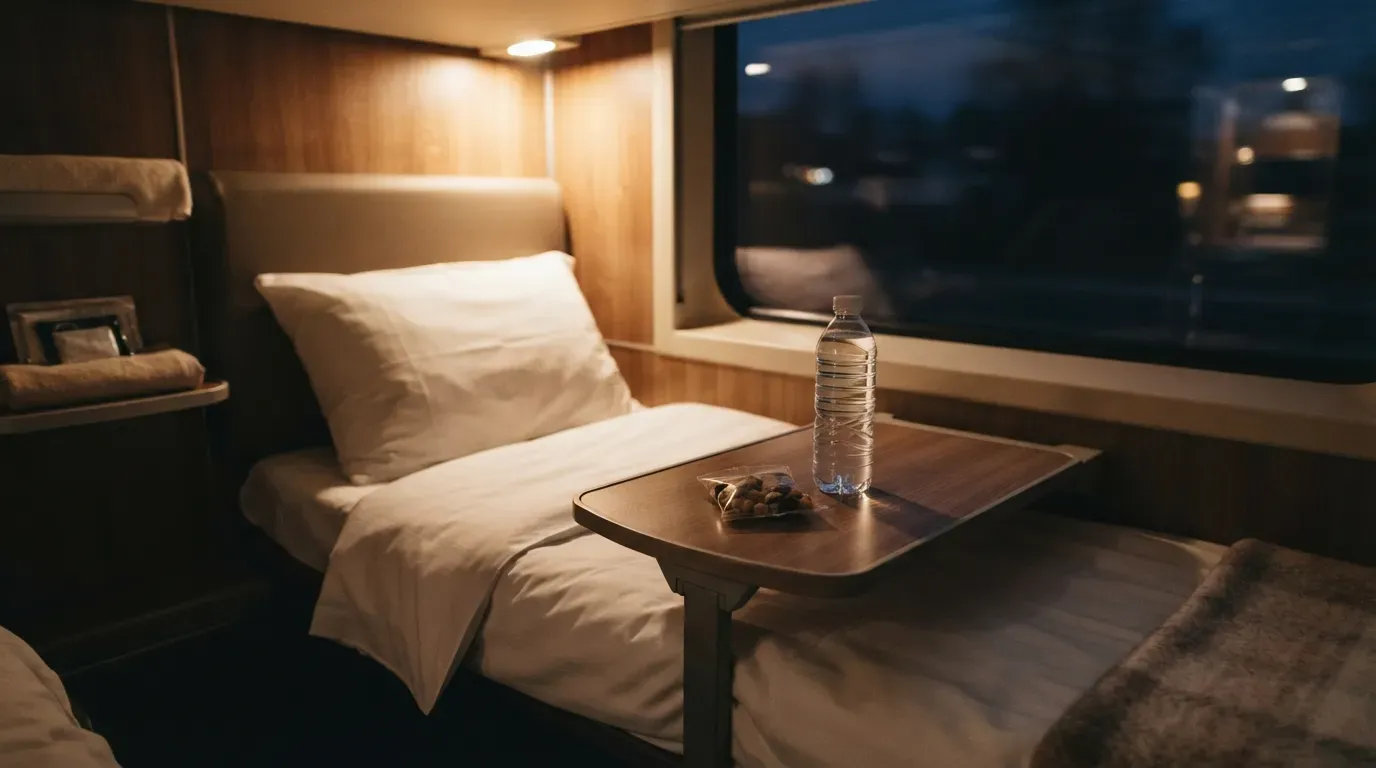
Getting up in a dark, moving room just for a sip of water is its own small hazard. Sleeping car passengers are already entitled to hotel-like touches like fresh linens and complimentary bottled water, but attendants who notice a passenger is older often set that bottle, plus a snack, directly on the fold-down table before lights-out.
It sounds like nothing until you’re the one who would’ve otherwise had to grip a swaying wall just to reach a bag on the floor. Small placement, real difference. What happens with the room’s temperature is something most travelers never think to ask about at all.
Fast Facts
- Apart from fresh linen, towel service, and complimentary bottled water, sleeping car travelers are entitled to full breakfast, lunch, and dinner as part of a standard sleeper fare.
- All rooms include a large picture window, electrical outlets, climate controls, reading lights and a small closet, no upgrade required.
- Included with sleeping accommodations are bed linens, toiletries, bottled water, coffee and assistance and turn-down service from a dedicated Sleeping car attendant – not an add-on.
#11 – The Room Quietly Nudged Warmer
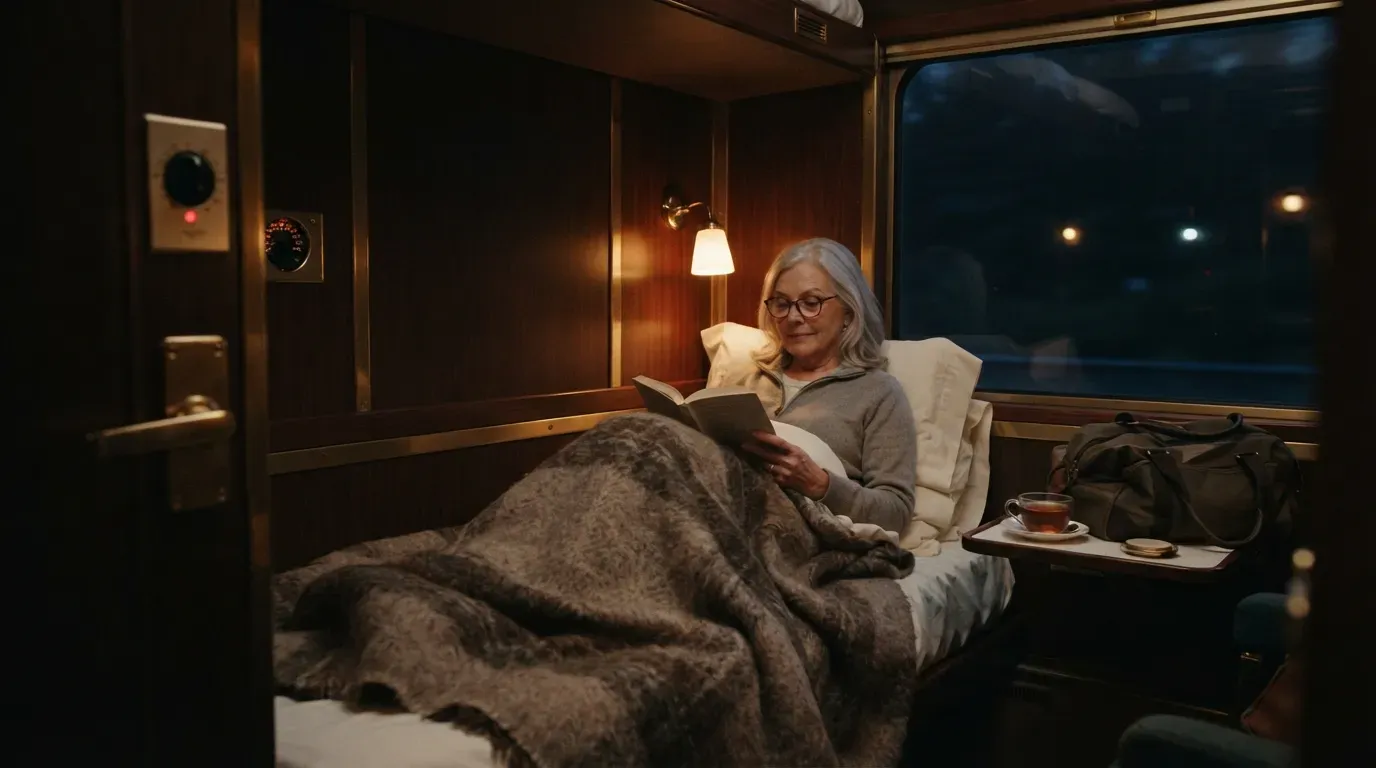
Sleeper cabins can run cold overnight, and older bodies regulate temperature differently than younger ones do. Attendants who’ve worked the same route for years will often nudge the climate controls in a passenger’s room slightly warmer before turndown, especially once they notice someone reaching for every blanket in sight.
It’s a judgment call, not a policy, which is exactly why it never appears on any amenities list. Most passengers only realize it happened when they wake up and realize they never once got cold. The timing trick behind the next comfort is even more specific.
#10 – A Private Wake-Up Call Before a 2 a.m. Stop
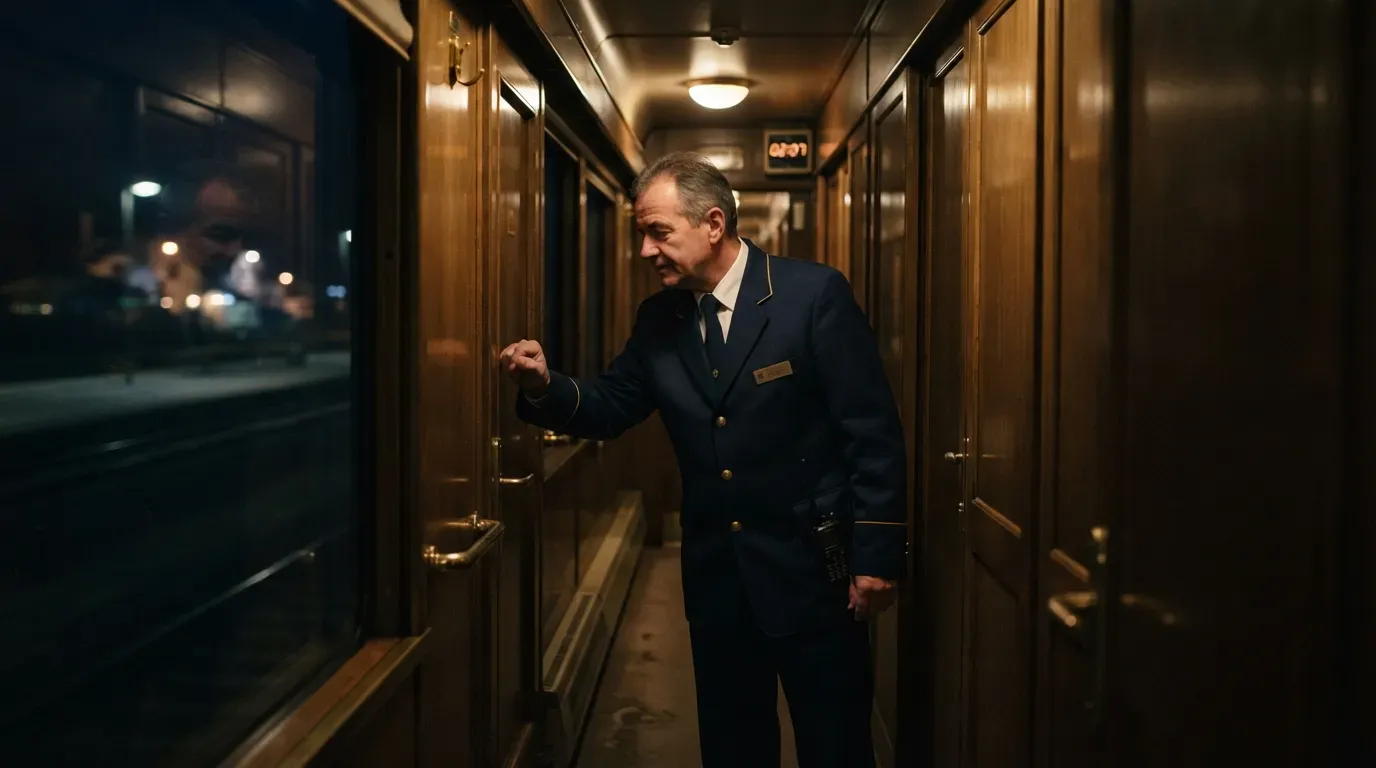
Sleeping through your own stop is one of the most common overnight-train fears, and it only gets worse the later the arrival time gets. Attendants know this well, which is why sleeper passengers can request a personal wake-up call instead of relying on a phone alarm alone.
For a passenger over 60 traveling with a hearing aid out for the night, attendants often follow up with a soft, direct knock rather than trusting the passenger to wake up on their own. It’s the difference between a calm, unhurried exit and a frantic scramble for shoes. The next habit is the one longtime riders bring up more than any other.
#9 – A Steady Arm Through the Swaying Corridor
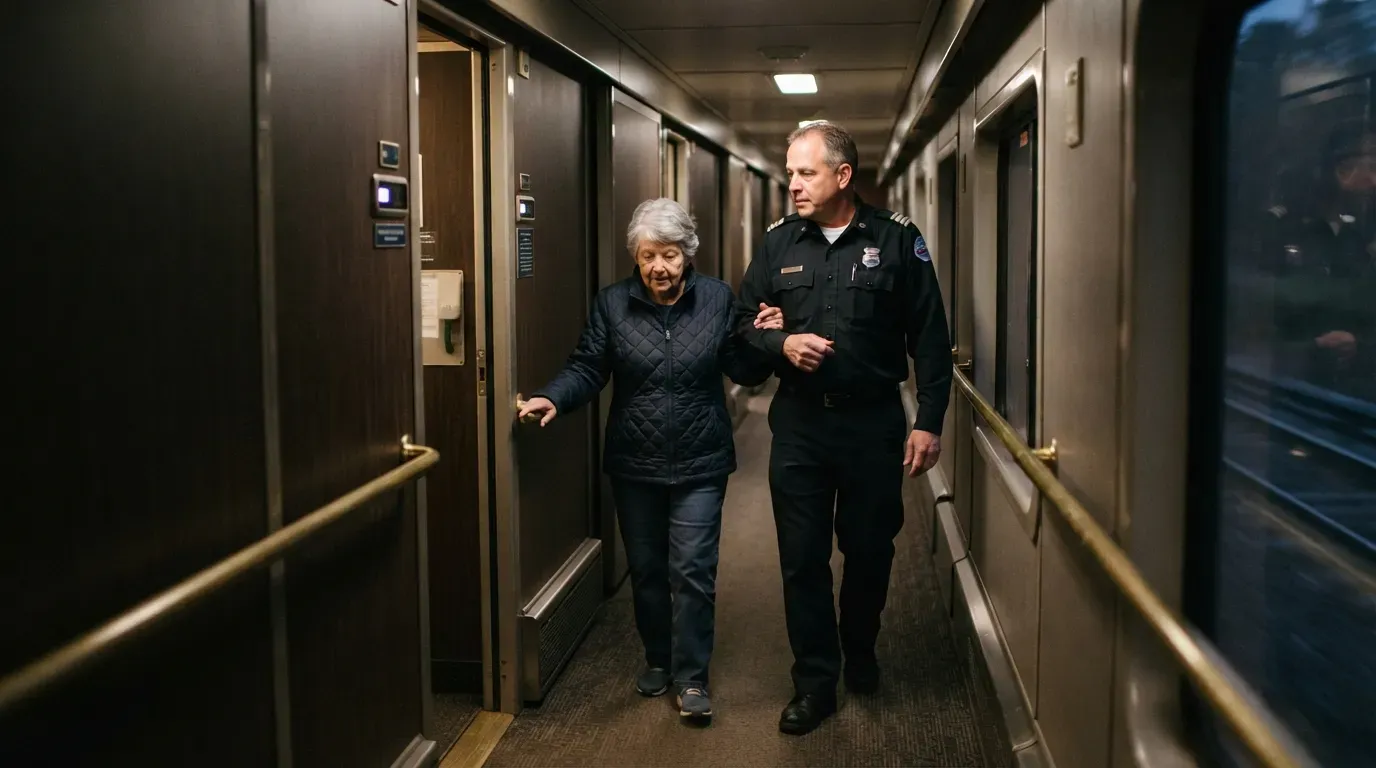
Walking a moving train hallway at night takes balance that even fit passengers don’t expect to need. Amtrak’s own attendant job requirements note that staff must be willing to give special assistance to elderly and disabled passengers boarding and detraining, and that same instinct carries into the middle of the night, not just onto the platform.
Frequent riders describe attendants appearing at just the right moment near the diner or the restroom door, offering a steadying hand without making a scene of it. It’s quiet help, offered before anyone has to ask for it. The room assignment trick that follows surprised us even more.
#8 – The Quietest Room on the Whole Car
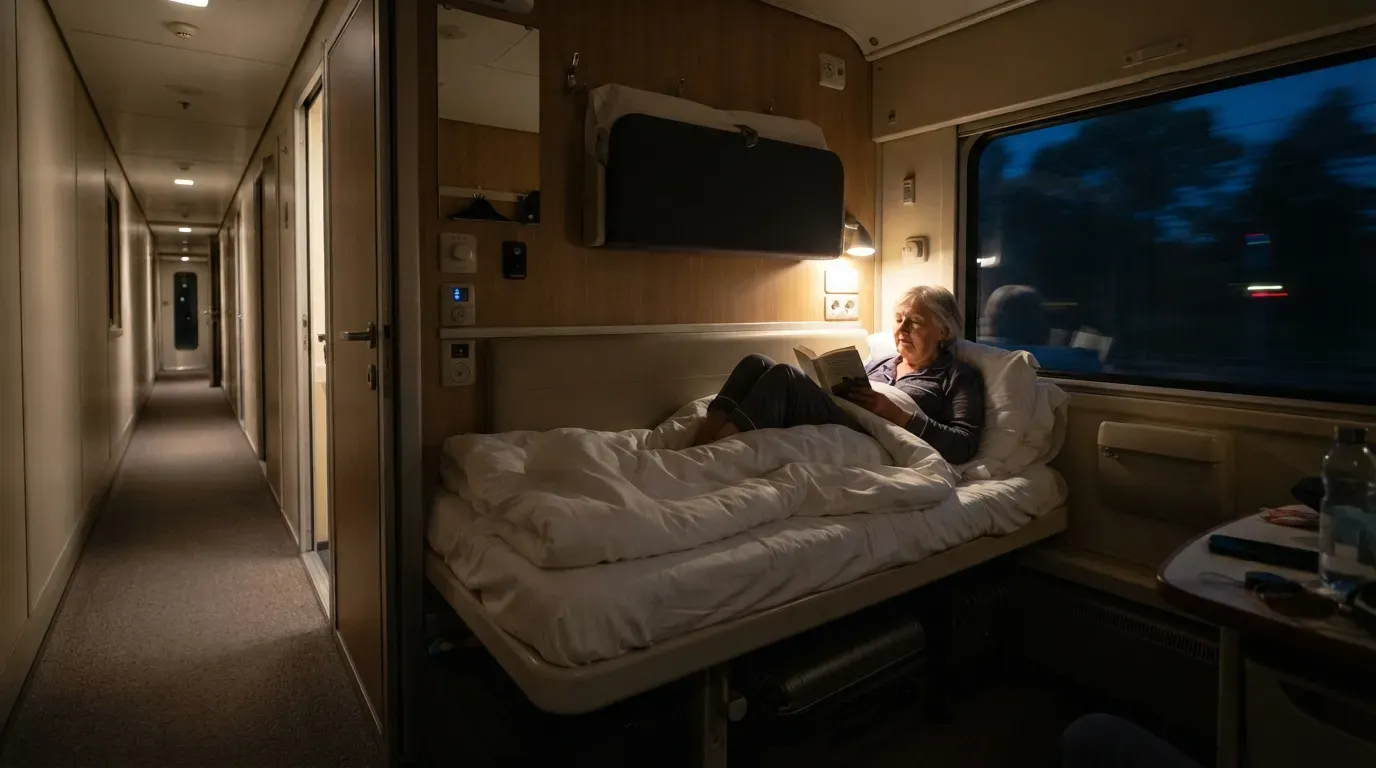
Not every room on a sleeper car is equally peaceful. Rooms near vestibules, doors, and shared bathrooms take the brunt of overnight foot traffic, and attendants who manage seating know exactly which rooms those are before anyone else does.
Some quietly steer older or more sensitive passengers toward rooms farther from the noise, since good manners on an overnight train basically require assuming the walls are thin. It’s a placement decision nobody explains out loud, but frequent travelers notice the pattern trip after trip. Nothing compares, though, to what happens each morning right on schedule.
Quick Compare
- Roomette: Two comfortable seats by day transformed to upper and lower beds by night, with a big picture window and access to shared restroom and shower facilities.
- Bedroom: Twice the space as a Roomette, with a sofa and separate chair by day, plus a private in-room sink, restroom and shower.
- Accessible Bedroom: On the lowest level of the train, built to accommodate a wheelchair and reserved for travelers with a disability, with a sink and toilet in the room.
#7 – Coffee Waiting Before You Even Open Your Eyes

This is the extra that turns a groggy early morning into something almost civilized. Attendants who’ve served the same regular more than once often already know exactly how a passenger takes their coffee, part of a broader habit where sleeping car attendants set out coffee and juice for their passengers each morning without being asked.
For a first-time rider, it feels like pure luck. For someone who’s ridden the same route several times, it quietly becomes an unspoken ritual between passenger and steward. The medical detail waiting in the next section is something almost nobody plans for in advance.
#6 – Medical Equipment Power Quietly Confirmed Before Boarding
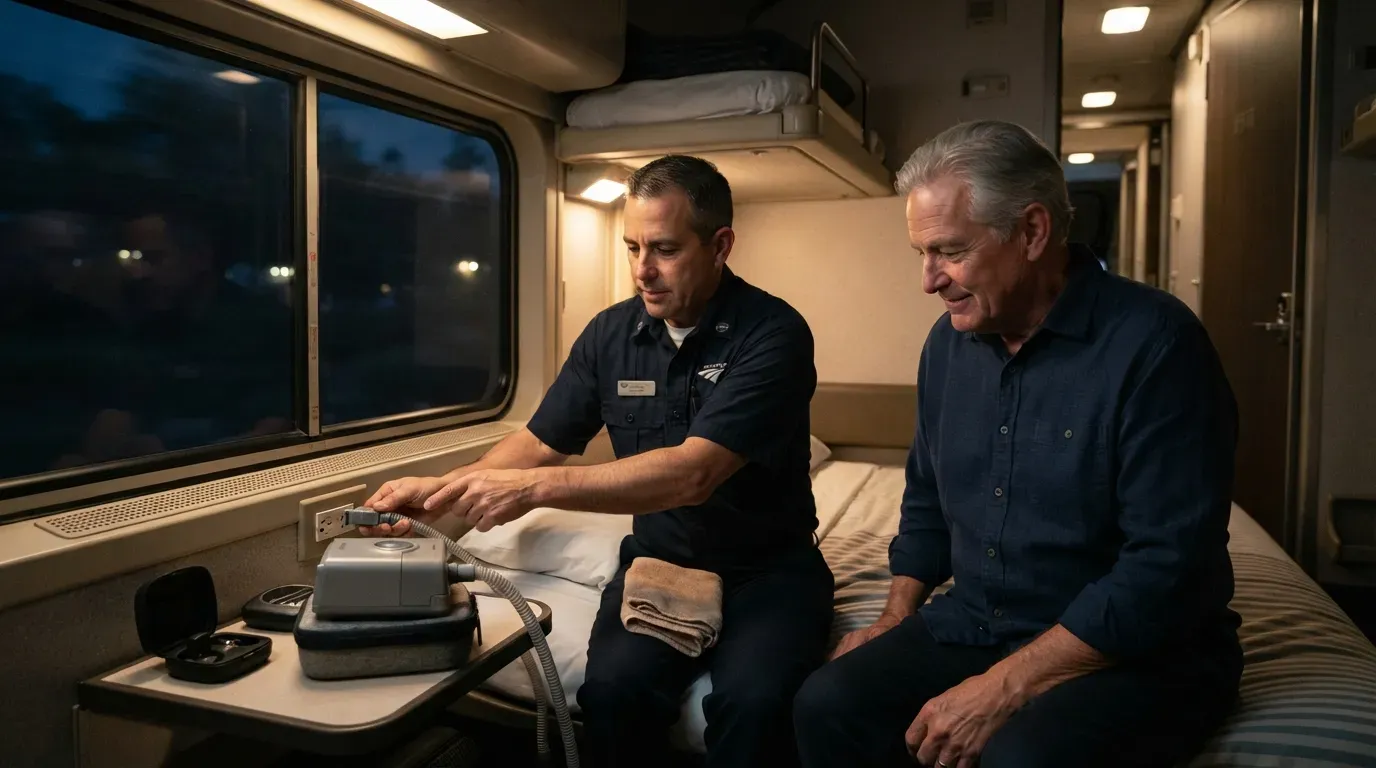
CPAP machines, hearing aid chargers, and other overnight medical devices all need a working outlet, and older travelers are far more likely to depend on one working correctly. Roomettes come equipped with electrical outlets, climate controls, reading lights, and a small closet, and attendants who notice medical gear will often double-check that outlet before the passenger even settles in for the night.
It’s a two-second favor that quietly prevents a middle-of-the-night crisis. Nobody advertises it, because it isn’t really a listed “service” – it’s just an attendant paying attention. That same instinct shows up again, in a different form, right before arrival.
#5 – A Soft Knock Instead of a Loudspeaker Announcement
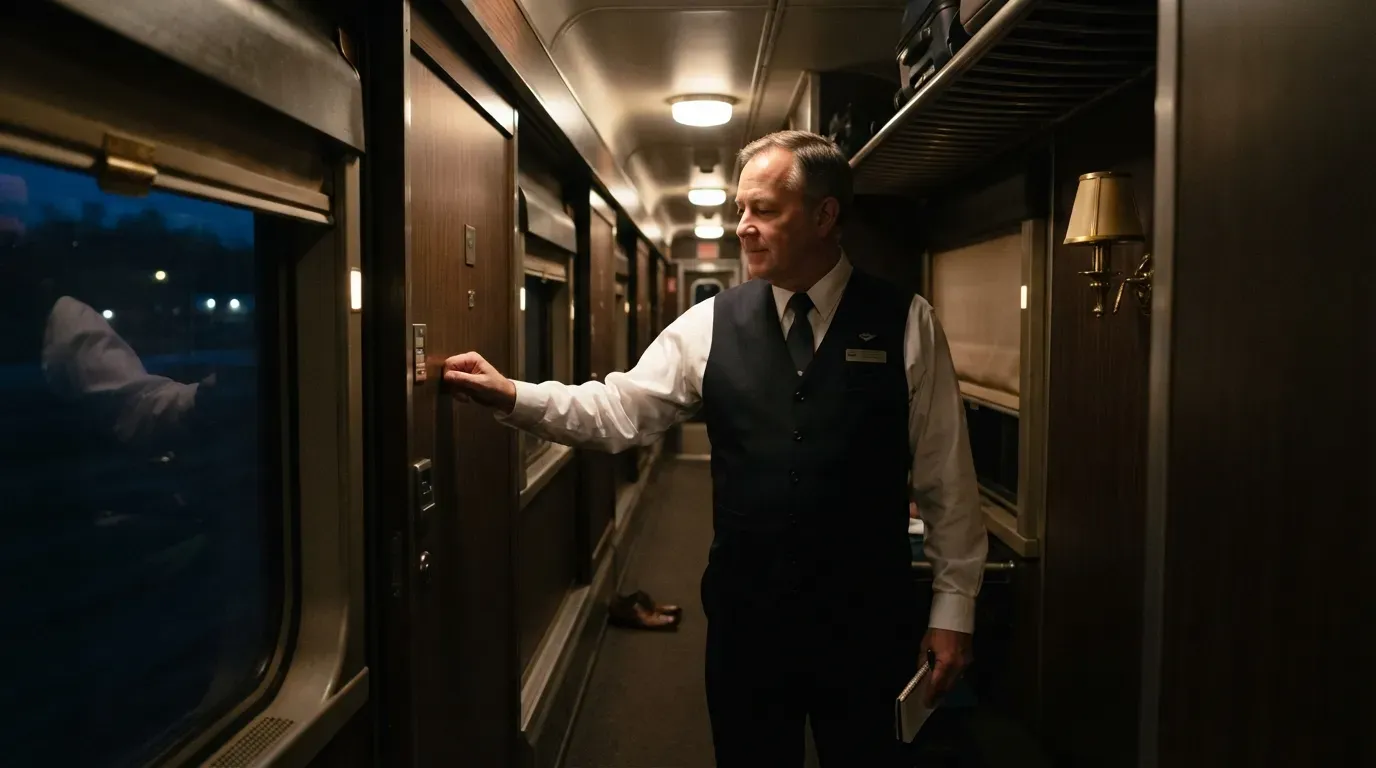
Overnight station stops usually come with an intercom announcement, which can jolt a light sleeper wide awake. Attendants managing a car with older passengers will sometimes quietly skip the full announcement for that one room and knock gently instead, especially on routes where the arrival time can simply be told directly rather than blasted over the speaker.
It keeps the rest of the car undisturbed while still making sure the one passenger who needs the update actually gets it. Regular riders say this only starts happening once an attendant has learned exactly who’s staying in which room. The next habit involves something simple that gets forgotten constantly.
#4 – Fresh Blankets Brought Without Being Asked, Mid-Journey
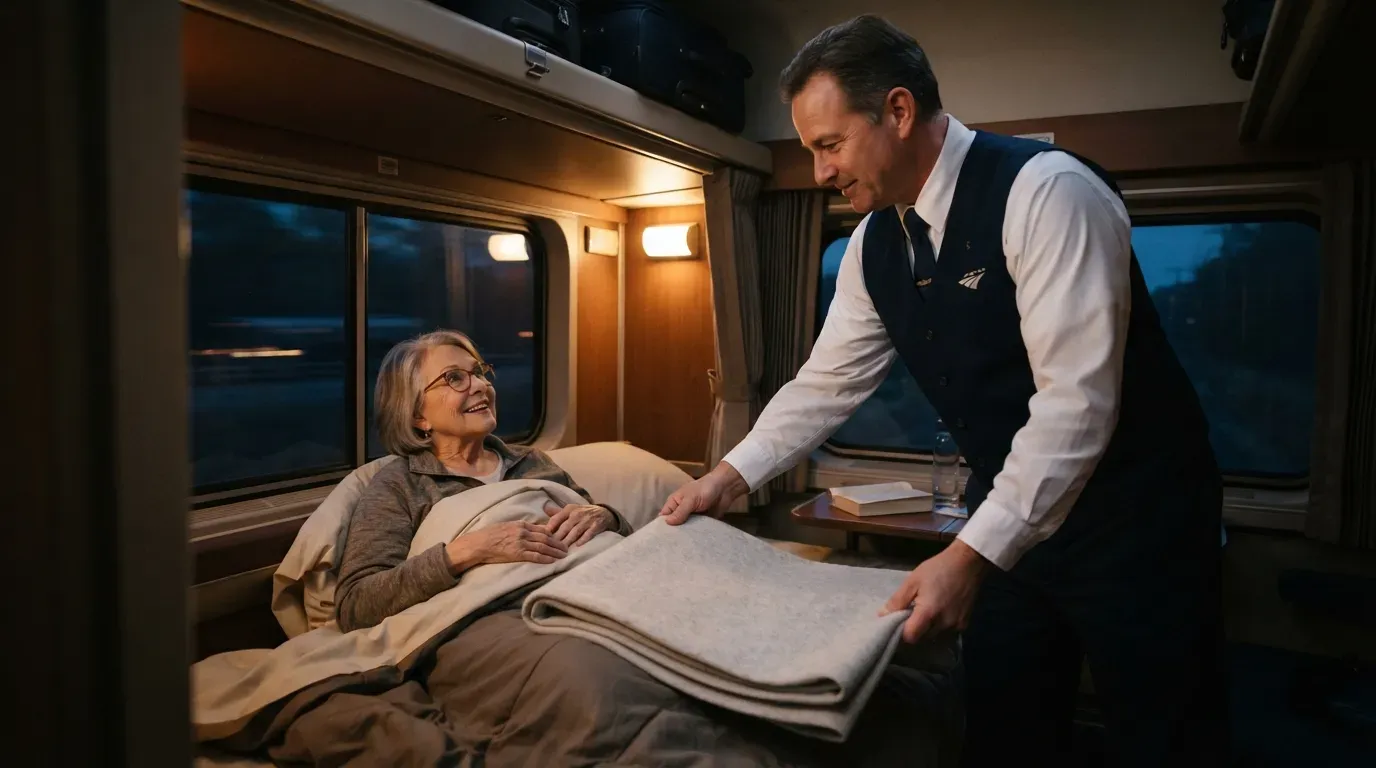
Overnight trains get colder as the night wears on, and most passengers don’t want to buzz a call button just for an extra blanket. Attendants doing their rounds – the same ones offering luggage help, newspaper delivery, and quiet “can I get you anything” check-ins – often bring an extra blanket completely unprompted once they notice someone shivering.
It’s the kind of thing that seems obvious in hindsight but rarely happens unless someone is actually paying attention room by room. Frequent senior travelers say this habit is far more common than Amtrak ever bothers to advertise. What happens next involves an actual physical change to the room itself.
Worth Knowing
- Tipping is optional, but many riders quietly reward this kind of attention: sleeping car attendants typically receive $10 to $20 per night, usually given at the end of the trip, while some longtime riders start with a very basic $5.00 per person per night and adjust from there.
- Riders who ask for extras mid-trip, like an unrequested blanket or help with medical gear, often bump that number up rather than treat it as a separate charge.
- It is also customary that you do NOT tip Amtrak conductors, even though the sleeping car attendant handling your room absolutely can be.
#3 – An Extra Pillow Tucked in for the Climb Down
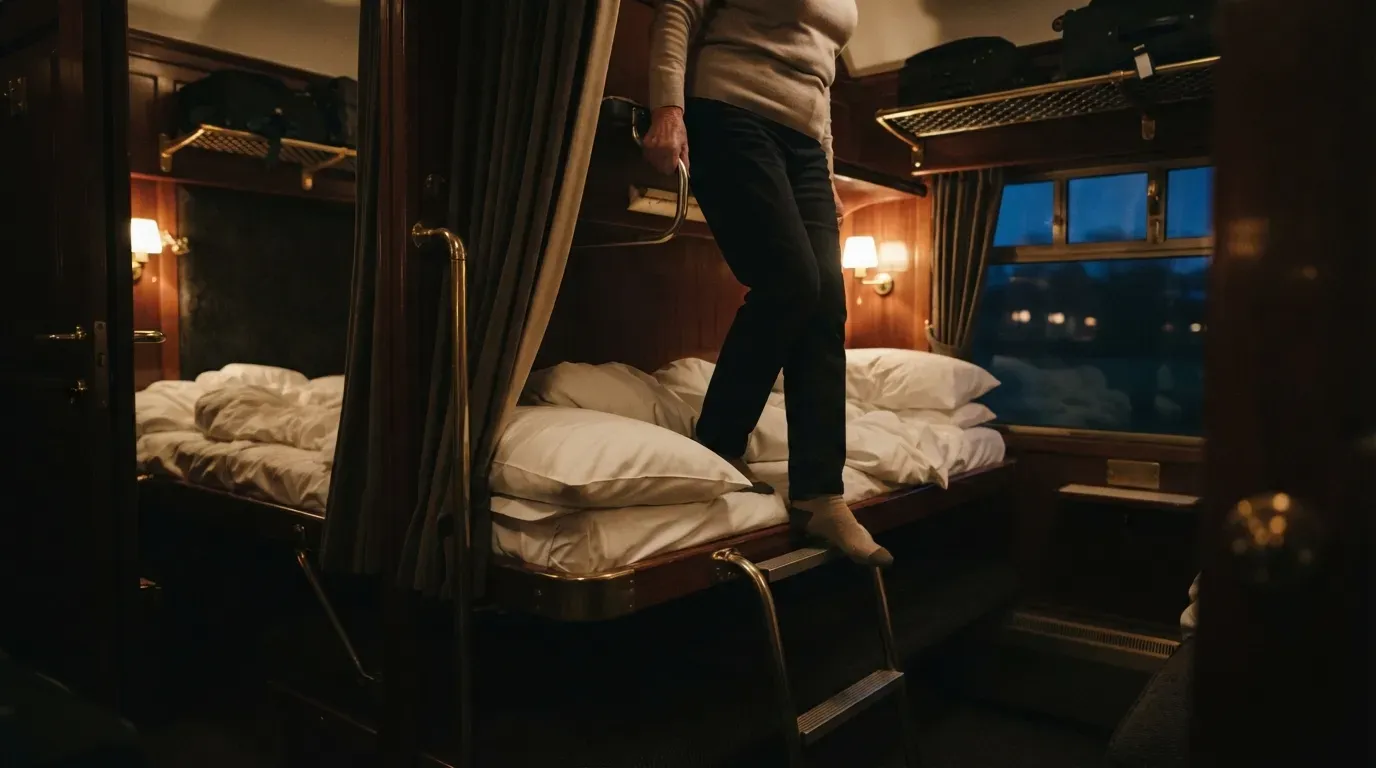
Getting out of an upper or lower berth in the dark takes more coordination than most passengers expect, especially with stiff knees or a sore back working against them. Attendants sometimes tuck a spare pillow or rolled blanket against the edge of the bed frame specifically to soften that transition, a habit some call old-fashioned but riders over 60 consistently praise.
It isn’t listed anywhere as an amenity, and it’s easy to miss unless you’ve had a rough night on a different trip without it. One frequent rider put it simply: attendants who still “do it right” the old-fashioned way make the entire trip feel noticeably more human. What happens next is something almost nobody expects a stranger in uniform to bother with.
#2 – The Conductor Quietly Briefed Before You Even Ask
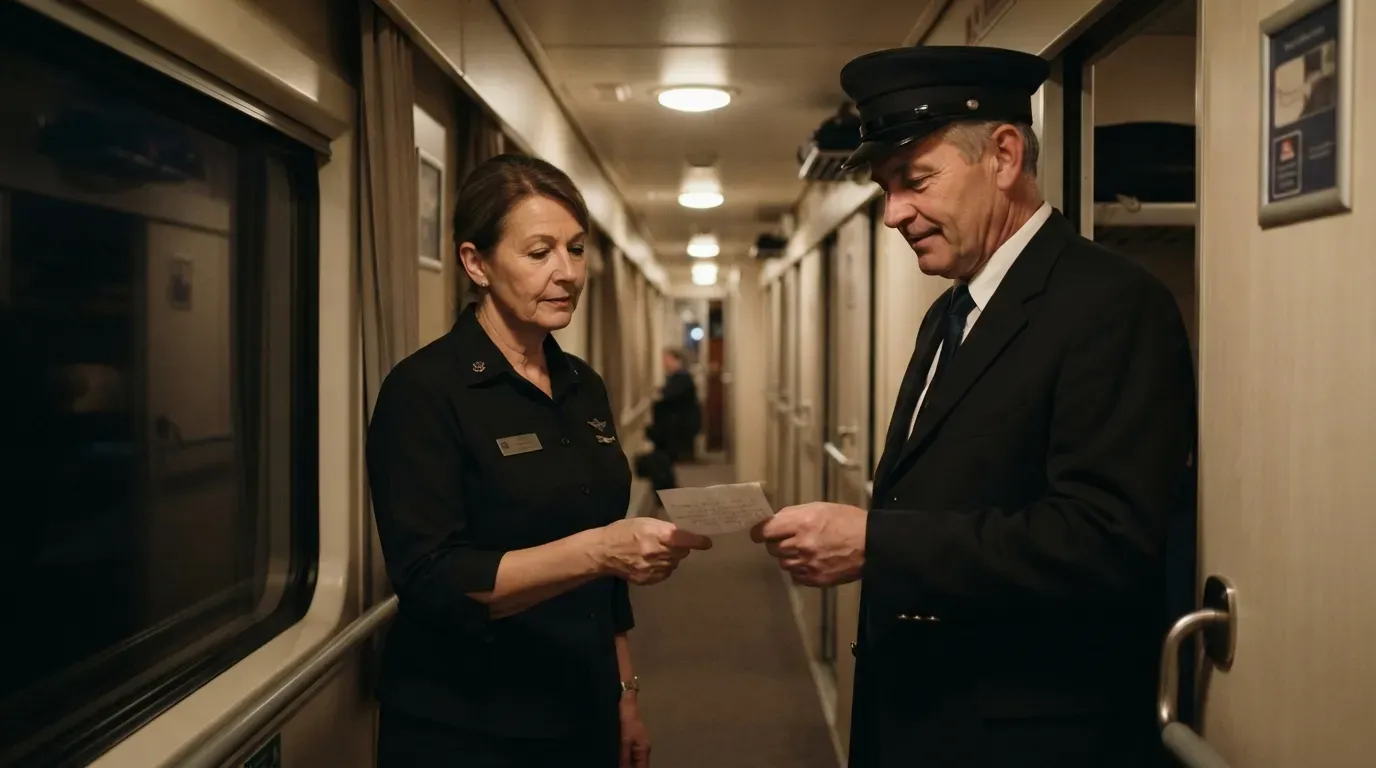
Attendants who notice a passenger needs a little extra care don’t always handle everything alone. Some quietly pass a note to the conductor or a colleague down the line, mentioning a mobility issue, a specific stop, or a medical need, so the next person on shift already knows before the passenger has to explain it all over again.
It’s the kind of behind-the-scenes coordination that never gets announced anywhere, but it means a passenger over 60 traveling solo doesn’t have to repeat their situation to three different staff members overnight. Riders who’ve experienced it call it the difference between feeling like a stranger and feeling genuinely looked after. Still, the most talked-about comfort of all comes down to something far simpler.
#1 – Someone Quietly Checking That You Made It Back Safely
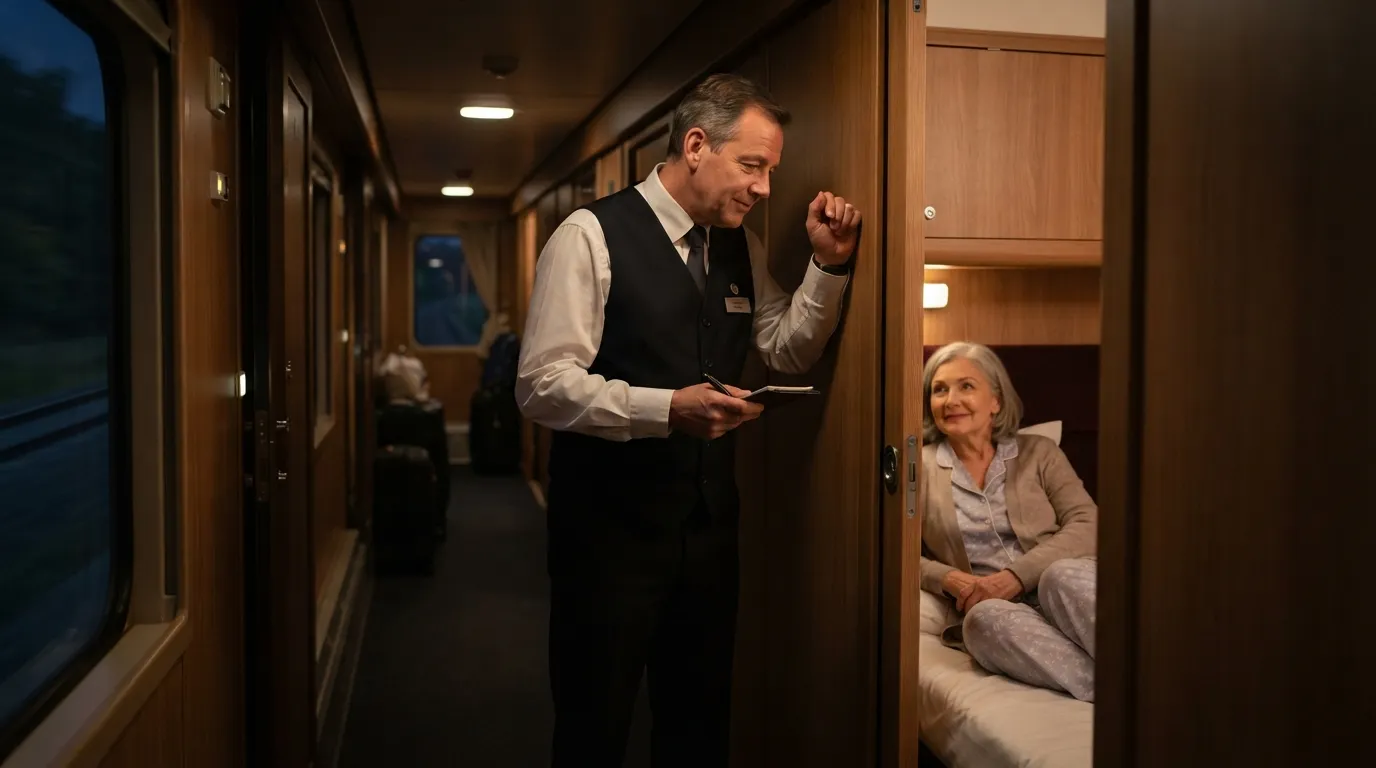
Above every scheduled duty, the comfort senior riders mention most is the simplest one: an attendant who notices when someone hasn’t returned from the dining car or restroom in a while, and quietly checks. It isn’t written into any job description beyond the broader understanding that a car attendant’s role is fundamentally about the safety of the car and everyone riding in it.
For an older traveler riding alone overnight, that unspoken check-in – a knock, a glance down the corridor, a quiet “everything okay?” – matters more than any blanket or coffee ever could. It’s rarely mentioned in reviews because it’s hard to put into words, but it’s the one comfort frequent riders say keeps them booking the same sleeper car again and again.
None of these 15 comforts show up on a fare chart or a brochure. They exist because attendants who work overnight routes long enough start noticing patterns – who needs the lower bunk, who needs a warmer room, who just needs someone to check in after dark.
Add in the well-known extras, like the 10% fare discount travelers 65 and older already receive when booking through Amtrak, and the picture becomes clear: the real value of an overnight sleeper ticket was never printed on the ticket at all. It’s carried quietly, room by room, by the people working the night shift.
Have you experienced one of these on an overnight train, or has an attendant done something for you that didn’t make this list? Drop it in the comments – we might feature it next time.