
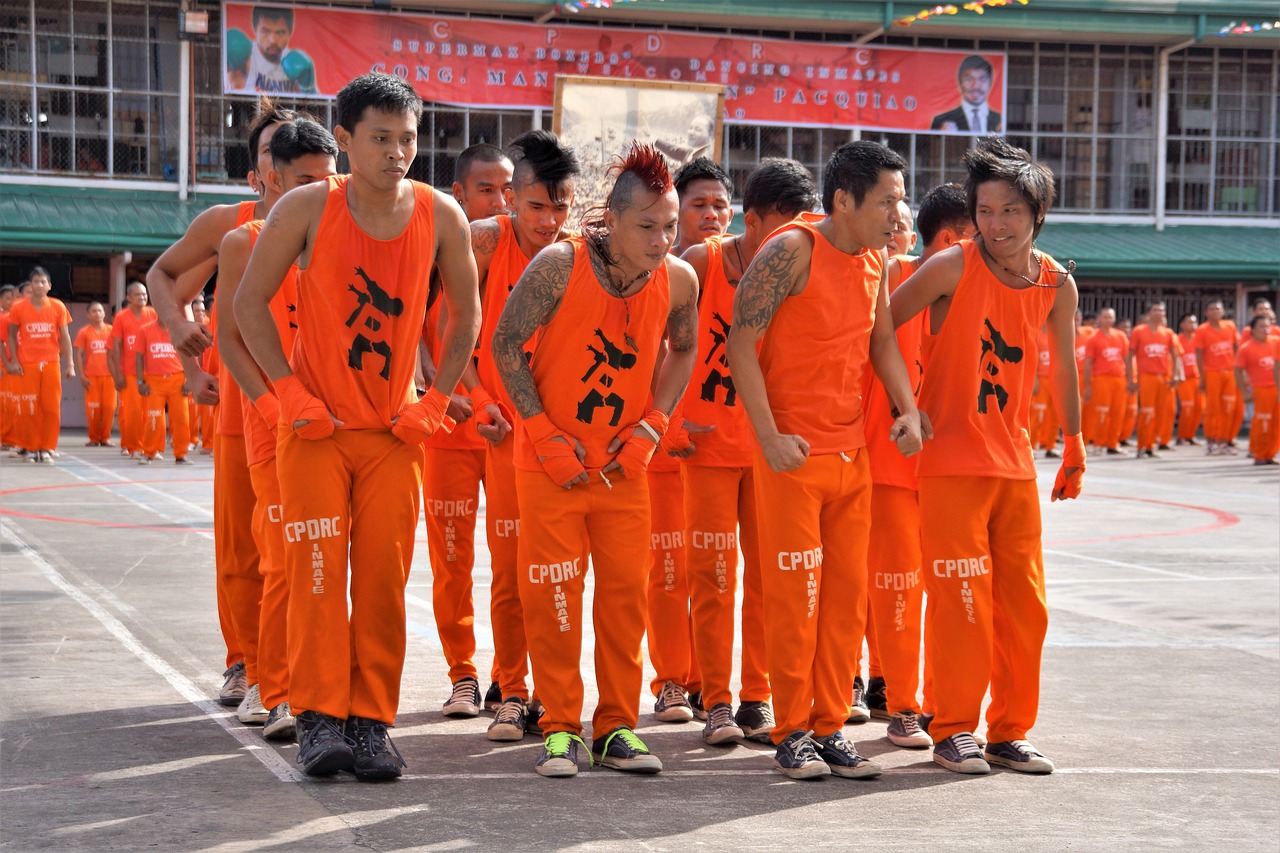
Alarming Statistics Highlight the Scale of the Problem (Image Credits: Pixabay)
England and Wales – A recent report from HM Inspectorate of Prisons exposed stark inconsistencies in physical activity opportunities across the nation’s jails. Inspectors reviewed survey data and inspection outcomes from a full year of visits, revealing that essential exercise remains out of reach for significant numbers of inmates.[1][2] Despite proven links between fitness, mental health improvement, better behavior, and rehabilitation support, too many prisoners face barriers that limit their participation.[1]
Alarming Statistics Highlight the Scale of the Problem
Survey responses painted a clear picture of restricted access. In men’s prisons, 18 percent of respondents reported no ability to use the gym or engage in sports, a figure that climbed to 25 percent in local facilities.[1] Women fared worse, with 28 percent in their establishments unable to participate.[1]
Frequency of access told an even starker story. Just 13 percent in men’s prisons and 15 percent in women’s jails managed gym or sports sessions more than five times per week. Open prisons led with 30 percent achieving this level, while local prisons lagged at a mere 5 percent.[2] These gaps underscored how prison type and location influenced outcomes profoundly.
Key Barriers Blocking Physical Activity
Inspectors identified multiple obstacles rooted in infrastructure, staffing, and daily operations. Facilities often fell short, as seen at Five Wells, which opened in 2022 without a dedicated gym and had to repurpose a workshop.[1] Qualified instructors proved scarce in some jails, and physical education staff frequently got reassigned to other duties.
Regime constraints compounded the issue. Sessions canceled due to lockdowns or staff shortages forced tough choices, such as gym time versus showers, library visits, education, or work.[1] Older and disabled prisoners often lacked tailored provisions, leaving them sidelined despite clear needs.
- Inadequate facilities, including missing gyms in newer builds
- Staff shortages and diversions of PE personnel
- Timetable conflicts prioritizing other activities
- Limited adaptations for vulnerable groups like the elderly or disabled
- Overall dependence on variable regimes and resources
Weekends Expose the Widest Gaps
Access plummeted over weekends, when fewer than half of prisoners could join exercise activities. In men’s prisons, 58 percent reported some availability, dropping to 52 percent in women’s facilities, with certain gyms closing entirely.[2] This pattern amplified isolation and inactivity during non-working hours.
Facilities like Hatfield bucked the trend, boasting 95 percent weekend participation through team games and open sessions. Yet such successes remained exceptions, highlighting how poor planning left most inmates with idle time.[2]
Standout Examples of Effective Programs
Not all news proved grim. Several prisons maximized limited resources with innovative approaches. At Oakwood, gym teams collaborated with health staff to offer sessions for those with substance misuse histories.[1] Frankland integrated fitness classes with maths and English education, boosting learning alongside physical gains.
Chelmsford targeted younger inmates with courses aimed at curbing violence, while Humber employed military-style obstacle courses to build rapport between prisoners and officers. Many establishments forged community ties with sports clubs, yielding qualifications and resettlement aid.[1]
Path Forward: Learning from the Leaders
Chief Inspector of Prisons Charlie Taylor emphasized the potential for change. “Many jails have worked hard to increase access and encourage a wider range of prisoners to visit the gym by establishing varied and imaginative programmes,” he noted. “Too few prisoners, however, remain unable to benefit from them. I hope prisons will learn from what the best are doing and that the prison service will make use of the evidence we provide in this report to improve provision.”[1][2]
The report urged broader adoption of proven models to ensure equitable access. Consistent investment in staff, facilities, and inclusive regimes could transform physical activity from a privilege into a standard rehabilitation tool.
Key Takeaways
- 18-28% of prisoners report no gym or sports access, worst in local and women’s prisons.
- Weekend participation dips below 50%, exacerbating inactivity.
- Innovative programs in top jails link exercise to health, education, and reduced violence.
As UK prisons grapple with overcrowding and resource strains, equitable exercise access emerges as a straightforward win for inmate well-being and societal reintegration. What steps should authorities take next to close these gaps? Tell us in the comments.