
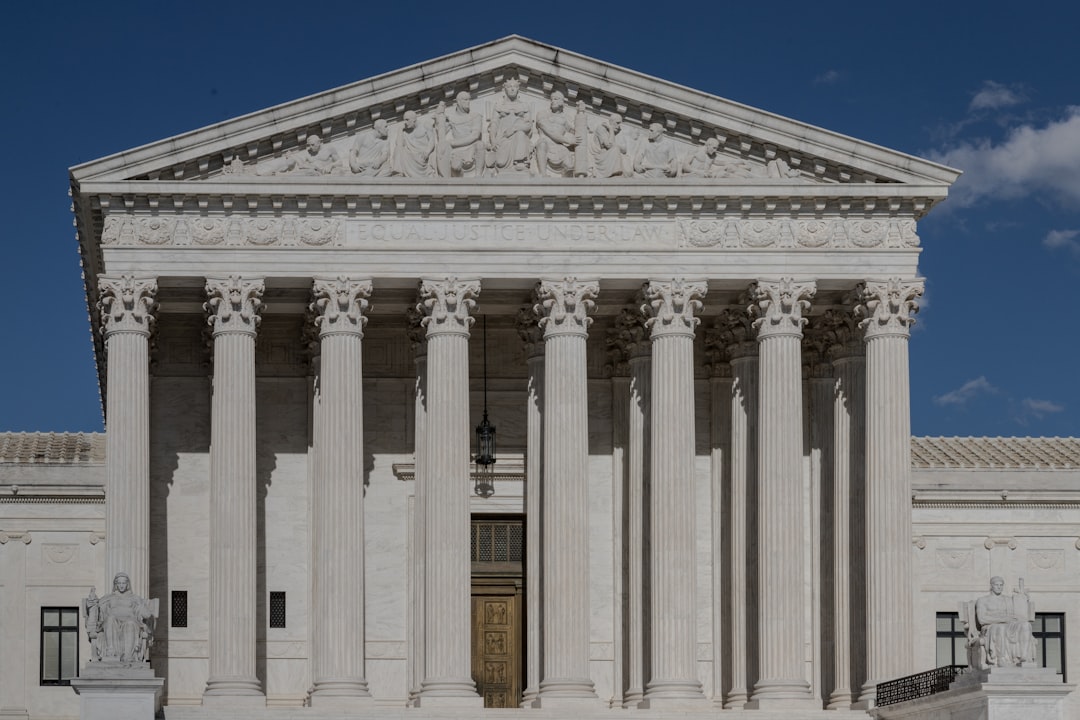
A Christian Therapist Takes on State Regulation (Image Credits: Unsplash)
Washington – The U.S. Supreme Court issued a significant ruling on Tuesday that challenges the constitutionality of state laws prohibiting conversion therapy for minors. In an 8-1 decision, the justices determined that Colorado’s ban on such practices raises serious First Amendment concerns by regulating counselors’ speech.[1][2] The decision sends the case back to lower courts for further review under a stricter legal standard. This outcome could reshape similar restrictions across more than two dozen states.[3]
A Christian Therapist Takes on State Regulation
Kaley Chiles, a licensed counselor based in Colorado Springs, brought the challenge after Colorado enacted its Minor Conversion Therapy Law in 2019. The statute barred mental health professionals from offering conversion therapy to clients under 18, a practice aimed at altering sexual orientation or gender identity.[4] Chiles argued that the law imposed a viewpoint-based restriction on her faith-informed talk therapy sessions.
Lower courts, including the 10th U.S. Circuit Court of Appeals, had upheld the ban by classifying it as a regulation of professional conduct rather than protected speech. That approach applied a lenient rational basis review, which the law easily satisfied. Chiles appealed, contending that her counseling involved pure expression deserving heightened protection.[4]
Justices Focus on Speech Versus Conduct Debate
The Supreme Court zeroed in on whether conversion therapy constitutes speech or regulable conduct. Justice Neil Gorsuch, writing for the majority, emphasized that the Colorado law targeted counselors’ viewpoints by silencing messages that question LGBTQ+ identities while permitting affirming ones.[1] This distinction triggered strict scrutiny, a test few government restrictions survive.
During oral arguments in October 2025, a majority of justices expressed skepticism toward the state’s position. They questioned how a law could regulate therapy without infringing on the communicative content of counseling sessions. The court rejected Colorado’s claim that all therapy falls outside First Amendment safeguards as mere professional services.[5]
Only one justice dissented, underscoring the broad consensus on the free speech implications. The ruling did not fully invalidate the law but remanded it for reevaluation under the demanding strict scrutiny framework.[6]
Origins and Spread of State Bans
California led the way in 2012 as the first state to prohibit conversion therapy for minors, sparking a wave of similar legislation. By 2026, approximately 24 states had enacted comparable measures, often citing studies deeming the practice ineffective and harmful.[7] These laws typically targeted licensed providers and carried penalties like fines or license revocation.
Proponents viewed the bans as essential protections for vulnerable youth. Critics, including religious groups, maintained that families should access counseling aligned with their beliefs. Chiles clarified that her methods avoided outdated coercive techniques, focusing instead on exploratory talk therapy.[6]
- California: Enacted SB 1172 in 2012, the nation’s first ban.
- Colorado: Passed in 2019, prohibiting practices for those under 18.
- Other states: Include New York, New Jersey, and Oregon among two dozen with restrictions.
- Exemptions: Often apply to non-licensed clergy or purely religious counseling.
Broader Ramifications for Mental Health Regulation
The decision marks the latest instance where the court has prioritized free speech claims in professional contexts. It echoes prior rulings protecting expressive activities amid regulatory disputes. States now face hurdles in defending bans that distinguish between therapeutic viewpoints.[8]
Legal experts anticipate challenges to laws in states like California, where earlier court battles upheld similar measures. The 9th Circuit previously affirmed California’s ban, but this Supreme Court guidance could prompt fresh litigation. No enforcement actions had occurred under Colorado’s law prior to the suit.[7]
| State | Year Enacted |
|
|---|