
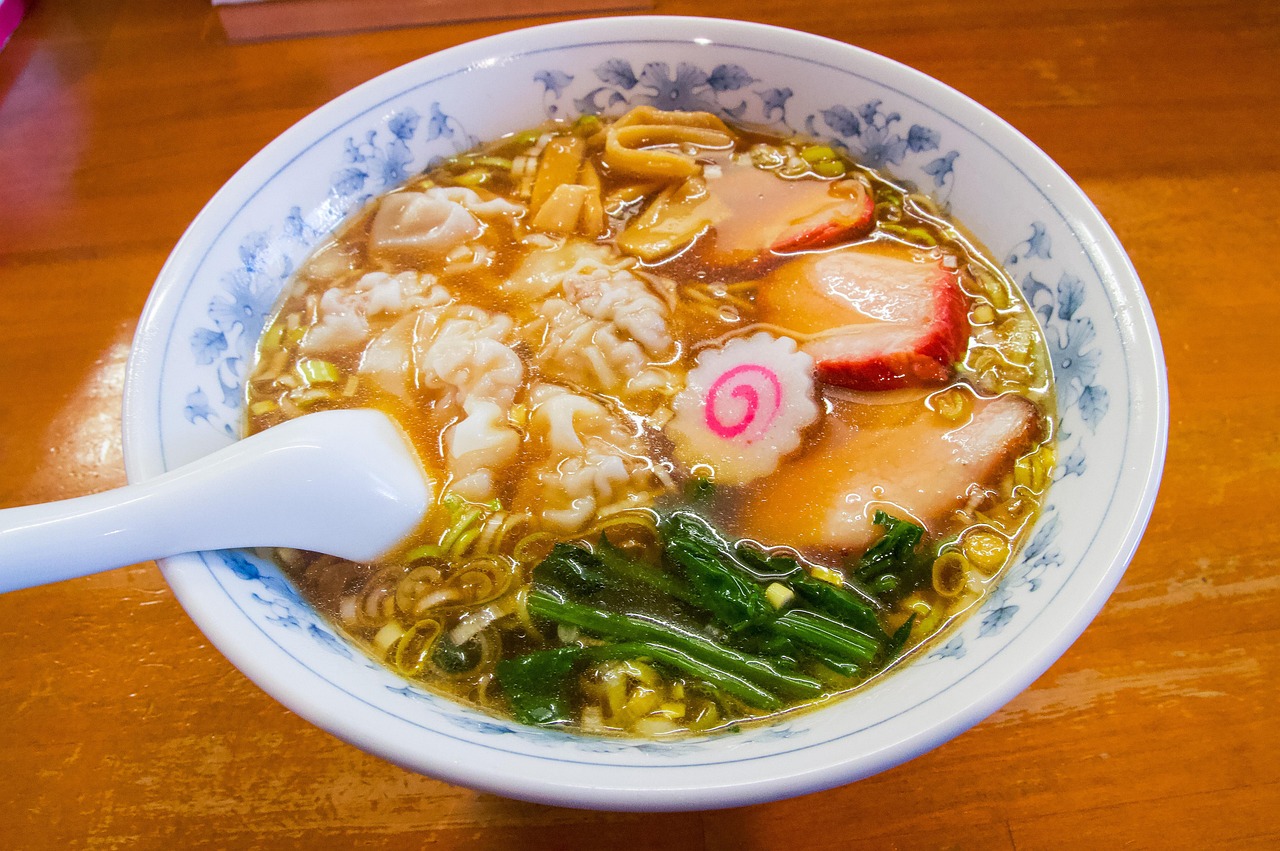
Essential Strategies for Ramen Success (Image Credits: Pixabay)
Tokyo – Home to thousands of ramen outlets, the city offers an unparalleled array of noodle soups, from traditional shoyu and tonkotsu to inventive modern takes. Travelers and locals alike flock to renowned spots where long lines signal exceptional quality. This selection highlights eight standout shops that deliver unforgettable bowls, blending elite accolades with surprising innovations.[1]
Essential Strategies for Ramen Success
Popular ramen shops in Tokyo often feature queues, so visitors arrive 30 minutes before opening or during mid-afternoon lulls. Most use ticket vending machines that accept cash, typically 1,000 or 2,000 yen bills; larger denominations work at some locations. Public transport proves efficient with IC cards like Suica or Pasmo for easy navigation between neighborhoods.
Ramen etiquette remains strict. Customers avoid photographing the kitchen, staff, or fellow diners. Shops cluster in areas such as Shinjuku, Ginza, and Kichijoji, allowing efficient tours. Planning with a map helps maximize the experience.[1]
Michelin-Caliber Refinements
Konjiki Hototogisu in Shinjuku earned a Michelin star for its shoyu and shio ramen. Diners savor a triple soup blending pork broth, wa-dashi, and clam dashi, enhanced by truffle sauce and porcini elements. Homemade noodles pair with sous-vide pork and menma in an 11-seat counter overlooking a hidden kitchen. Prices start at 850 yen, with egg additions around 950 yen.[1]
Ramenya Toybox in Minowa holds Bib Gourmand status with its pure chicken shoyu ramen. The broth derives solely from Nagoya Cochin chicken and water, topped with chicken skin oil, crunchy menma, and juicy chashu. Open Tuesday to Sunday, bowls cost 800 yen. The intimate eight-seat space emphasizes precise, orchestral preparation.
Shichisai in Hatchobori specializes in MSG-free Kitakata-style niboshi ramen. Dried sardines deliver a distinctive kick in the light shoyu base, accompanied by pork belly, bouncy noodles, and scallions. At 820 yen, it appeals for its clean flavors and visible noodle-making. The shop previously received Michelin recommendations.[1]
Spicy and Meaty Innovations
Kikanbo in Kanda dominates with customizable spicy miso-tonkotsu ramen. Spice levels range from mild to extreme, served in iron bowls for the hottest, with bean sprouts, menma, and pork belly. Original portions run 880 yen. Thematic decor and spice sales add to the allure.
Matador in Kitasenju offers a rare shoyu beef ramen, using beef bone broth with roast beef slices and brisket. Thinner noodles and a golden ajitama egg complement the sweet profile at 900 yen. Non-pork seekers appreciate the full-view bar seating.
| Shop | Type | Price (yen) |
|---|---|---|
| Kikanbo | Spicy Miso-Tonkotsu | 880 |
| Matador | Shoyu Beef | 900 |
Dipping Delights and Creamy Comforts
Fuunji near Shinjuku Station excels in tsukemen, featuring slick, bouncy cold noodles for dipping into a thick chicken-fish soup laced with fish powder and nori. At 800 yen, the layered umami draws consistent crowds. The self-taught chef maintains a fast-paced, homely vibe.
Kagari in Ginza pioneered creamy tori-paitan chicken ramen, priced from 1,000 yen. The rich broth highlights chicken depth, served during lunch and dinner shifts. Monthly closures require checking social media updates.
Musashiya in Kichijoji serves iekei-style ramen, a creamy shoyu-tonkotsu blend customizable for broth thickness and noodle firmness. Topped with chashu, leeks, spinach, and seaweed, it costs 700 yen. Late hours extend to 1:30 a.m. on weekdays.[1]
Key Takeaways
- Target Michelin spots like Konjiki Hototogisu for refined luxury under 1,000 yen.
- Embrace spice at Kikanbo or uniqueness like Matador’s beef ramen.
- Plan around lines and etiquette for smooth visits across Tokyo’s neighborhoods.
Tokyo’s ramen landscape rewards the prepared explorer with bowls that linger in memory. These eight venues showcase the spectrum from prestigious to playful. What is your favorite ramen style, or which shop calls to you first? Share in the comments.