
Most people treat a layover like a sentence – a dead stretch of time to survive with overpriced coffee and a desperate phone charger hunt. But talk to anyone who has logged serious miles over several decades, and they’ll tell you the layover is where smart travel actually happens. The habits that separate a worn-out rookie from a composed, well-rested 60-something aren’t expensive or complicated. They’re just things most people never think to do until they’ve done it wrong enough times to learn.
What’s surprising is how many of these habits go completely against what first-timers assume. Sitting down the moment you land? Staying glued to the gate? Skipping the lounge because it “looks like it’s not worth it”? Every one of those instincts costs you something – comfort, money, energy, or occasionally your entire connection. Here are the 16 layover habits experienced travelers over 60 have quietly figured out – and that most newcomers won’t discover until much later.
#16 – They Walk the Terminal Before Sitting Down
The moment most rookies land at a connecting airport, they find the nearest seat and collapse into it. Seasoned travelers do the exact opposite – they walk first, deliberately. Deep vein thrombosis (DVT) is a real risk on long flights, where you’re barely moving your legs for hours at a stretch, and a lap or two around the terminal right after landing is the single fastest way to reset your circulation and your head. Movement keeps blood flowing and dramatically lowers the physical cost of the next leg.
Physical activity is also a natural stress reliever – light movement like a 10-minute terminal walk can reduce anxiety, clear mental fog, and genuinely improve your mood before you even think about finding the gate. Experienced travelers treat those first 10–15 minutes as movement time, not rest time. It sounds backward until you try it once and realize you arrive at the gate loose and clear-headed instead of stiff and depleted. The difference is noticeable by the time you land at your final destination.
Fast Facts
- DVT risk rises meaningfully on flights lasting 4+ hours, according to the World Health Organization.
- Even a 10-minute walk after landing helps restore circulation compressed by hours of sitting.
- Movement also counters the mental fog that builds up in low-humidity, pressurized cabin air.
- Veteran travelers pair the walk with a quick scan of the terminal layout – two tasks, one loop.
#15 – They Carry an Empty Water Bottle Through Security

This one baffles rookies every time. Why haul an empty bottle through the TSA line? Because most airplane cabins hover around 20 percent humidity – sometimes as low as 10 percent, which is drier than the Sahara – and the dehydration clock starts ticking before you ever board. Refilling a water bottle airside costs nothing. Buying water past security runs $4 to $6 a pop, every single flight, every single layover.
On long-haul flights, passengers can lose roughly 8 percent of total body water just from the dry cabin air pulling moisture from skin and the respiratory system – all while sitting completely still. Doctors routinely suggest packing an empty water bottle in your carry-on so you aren’t dependent on tiny beverage cart cups to stay hydrated over a multi-hour flight. Seasoned travelers over 60 treat this as non-negotiable. It weighs nothing, saves money every trip, and the difference in how you feel at arrival is not subtle.
#14 – They Know Exactly How to Get Into a Lounge Without Elite Status
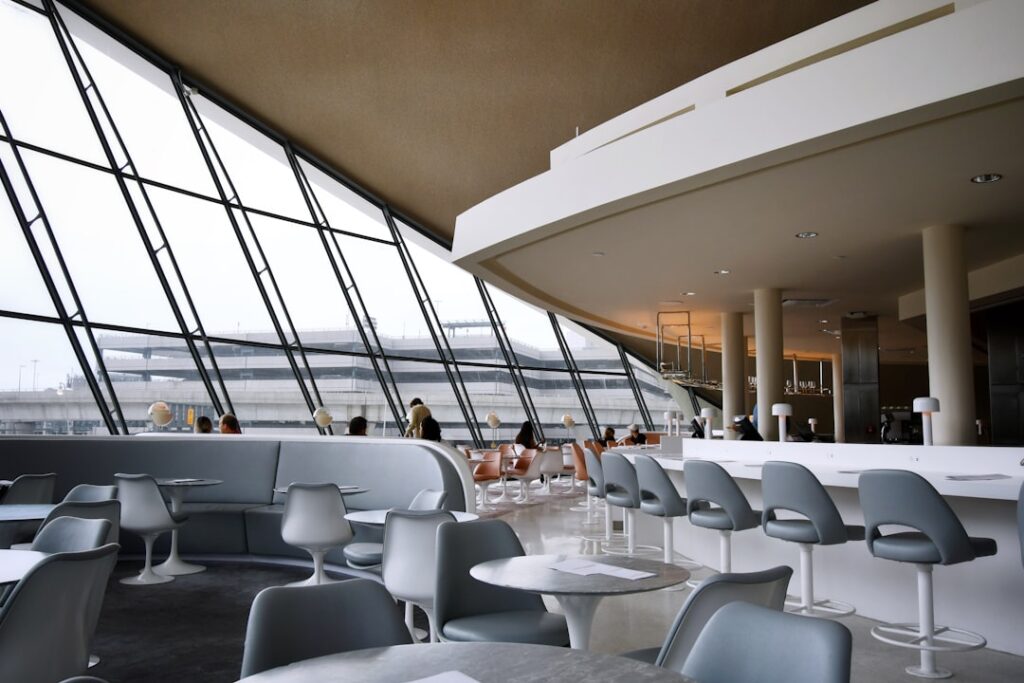
Most travelers glance at a lounge door and assume it’s reserved for first-class flyers and corporate road warriors with six-figure travel budgets. That assumption is quietly outdated. Cards like the Chase Sapphire Reserve, Capital One Venture X, and American Express Platinum all carry lounge access as a standard benefit – no elite status required, no special application. Priority Pass alone covers over 1,300 lounges worldwide and is bundled with several of those cards at no additional charge.
Airports can be genuinely chaotic – long security lines, overpriced food, crowded waiting areas, constant gate announcements – and an airport lounge cuts through all of it with quiet seating, complimentary food and drinks, reliable Wi-Fi, charging stations, and sometimes showers or spa services. If you’re facing a long layover or a delayed flight, a United Club day pass runs $59, an American Admirals Club day pass is $79, and Alaska Lounge passes go for $65 – all available to the general public. Experienced travelers over 60 do the math once and never go back.
Quick Compare
| Access Route | Approx. Cost | Network Size |
|---|---|---|
| United Club day pass | $59 (app only) | United hubs only |
| American Admirals Club day pass | $79 | American hubs |
| Alaska Lounge day pass | $65 | 6 airports |
| Priority Pass (via credit card) | Included w/ select cards | 1,300+ lounges worldwide |
#13 – They Pre-Stash Their Coins and Small Items Before the Security Line
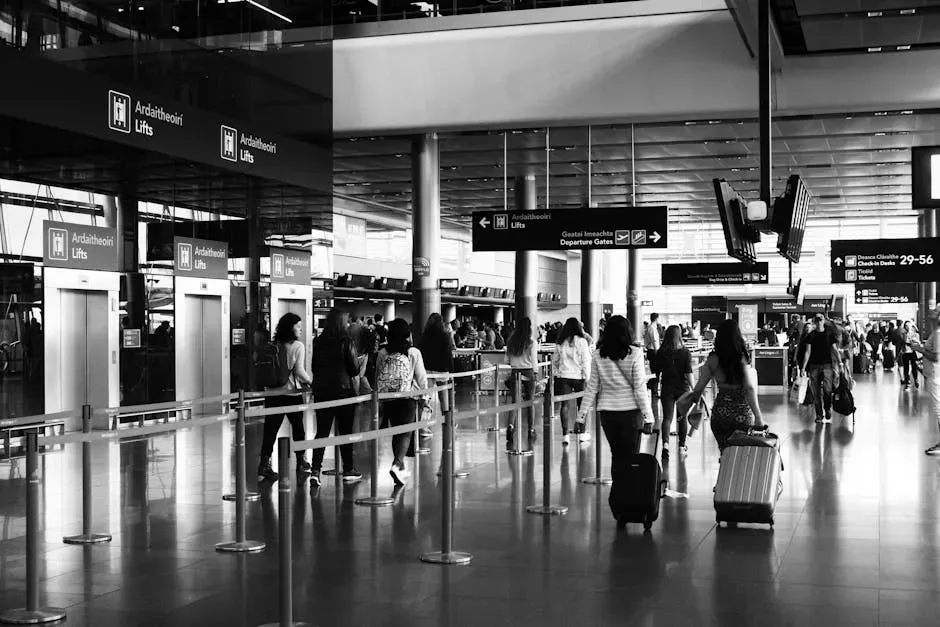
Watch any rookie approach a TSA scanner and you’ll see the same predictable scramble – pockets emptied into bins at the last second, watches unclasped in a panic, wallets fumbled, keys dropped on the belt. The line backs up, people get flustered, and small items quietly vanish in the rush to grab shoes and laptops on the other side. Coins, cash, and cards slip through bins unnoticed more often than most people realize.
Experienced travelers do one simple thing before they ever join the security queue: everything from their pockets goes into a zippered pouch inside their carry-on. The habit takes about 30 seconds and eliminates one of the most common, avoidable stressors in the entire airport experience. Once you’re close to the scanner, there’s nothing to fish out, nothing to drop, and nothing to leave behind. Simple – but most people still won’t do it until they’ve lost something they cared about.
#12 – They Build a Return Buffer Into Every Layover Plan
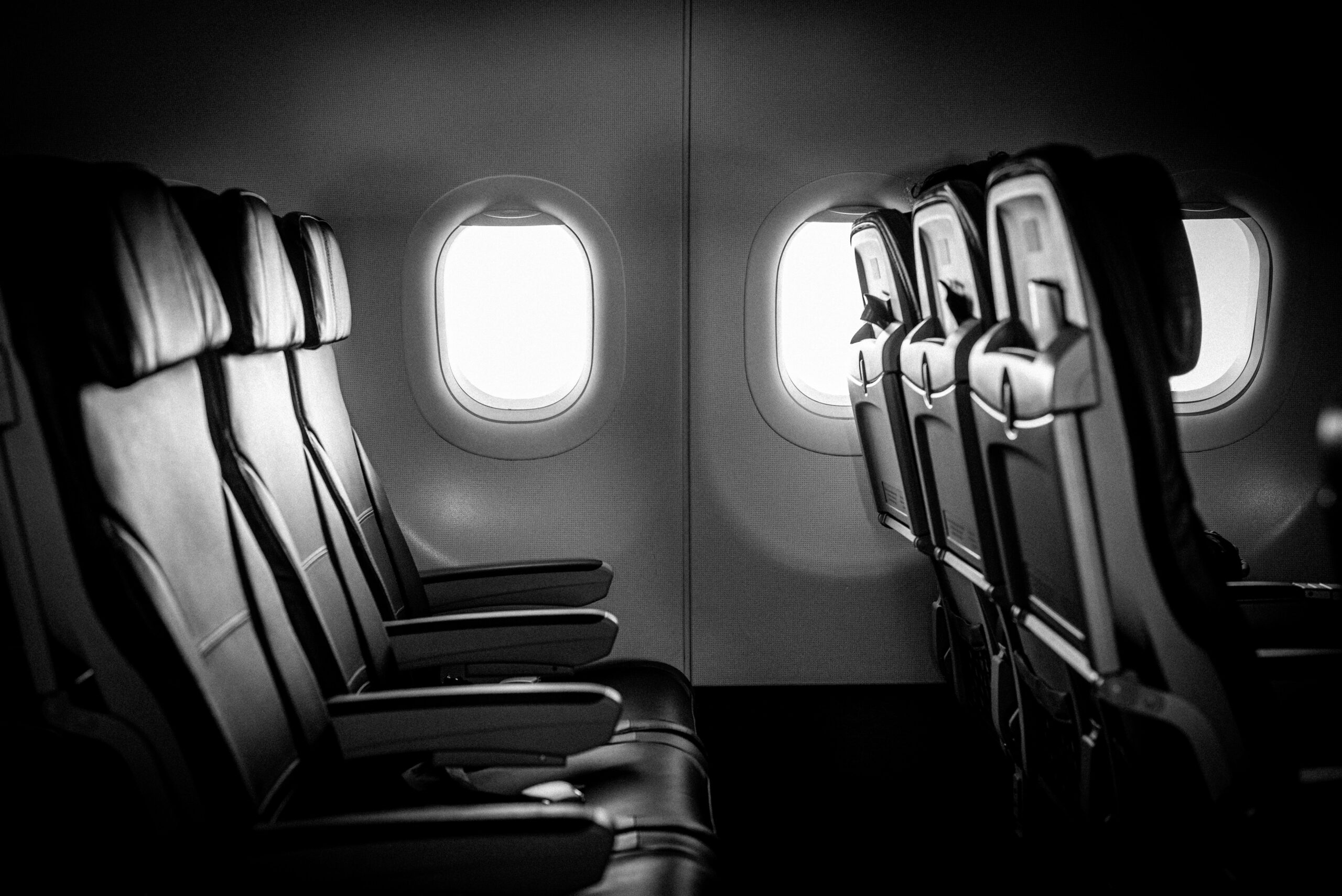
Rookies calculate layover time as one single open block. Experienced travelers split it in three. The smart approach is carving out a real exploration or rest window in the middle, then protecting a 60-to-90-minute return buffer at the end to clear security and navigate the terminal without any margin for disaster. That buffer isn’t wasted time – it’s the thing that keeps a comfortable layover from turning into a full-speed sprint to a gate.
Most missed connections aren’t caused by layovers that were too short. They’re caused by travelers who didn’t account for how long it actually takes to get back through security and reach the next gate at a large airport. Hartsfield-Jackson in Atlanta, O’Hare in Chicago, and Dallas Fort Worth are enormous – underestimate the walk back and even a three-hour layover can turn catastrophic. Experienced travelers plan for the worst-case scenario, not the best-case one. Rookies plan for nothing and hope it works out.
#11 – They Research the Airport the Night Before, Not After They Land

This is the habit that separates genuine veterans from casual frequent flyers. Spending 10 minutes the night before departure looking up your layover airport reveals shower facilities, sleeping pods, meditation rooms, quiet zones, on-site gyms, free city tours, and the exact location of the lounge – all things you’d otherwise discover by accident, if at all. Knowing where everything is before you land means zero wasted time once you hit the ground.
Airports have evolved significantly. Many now offer wellness centers, local cultural showcases, and dedicated relaxation spaces that turn layovers into actual mini experiences rather than purgatory between flights. Most travelers never find these amenities because they never looked. Experienced travelers over 60 treat airport research the same way they’d research a hotel: a quick scan the night before pays dividends for hours the next day. Rookies wander the terminal for 40 minutes and then sit by the gate wondering what to do.
Worth Knowing
- Most major airport websites list terminal maps, lounge locations, shower facilities, and dining options by concourse.
- Apps like GateGuru and LoungeBuddy let you search amenities before you ever leave home.
- Sleeping pod services like Minute Suites (available at select U.S. airports) can be pre-booked online.
- Some airports publish real-time security wait times – worth checking the night before a tight connection.
#10 – They Use the Airline App and Have the Customer Service Number Saved
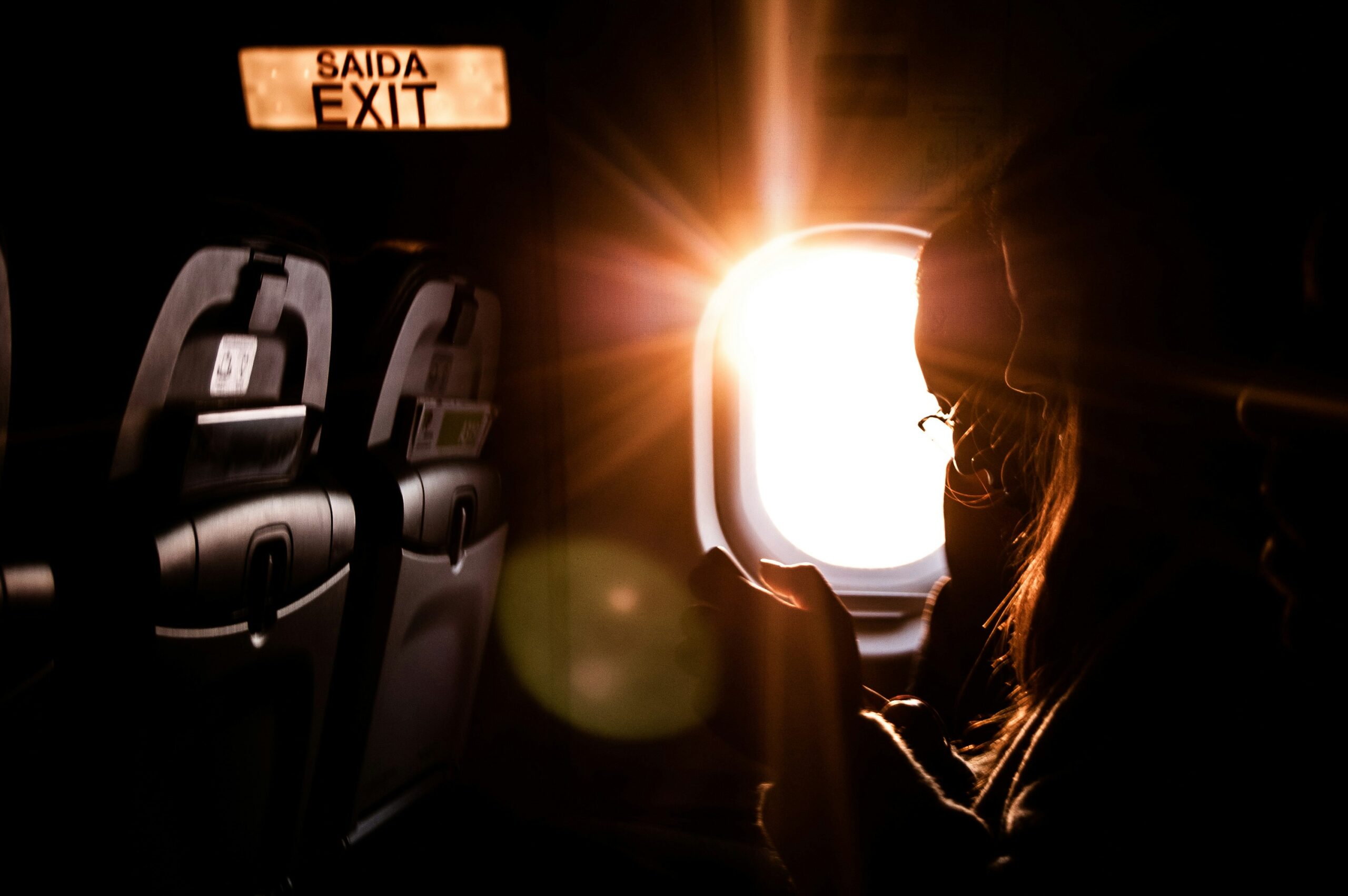
When a flight gets delayed or cancelled, the visual is always the same: a wall of frustrated passengers crowded around one overwhelmed gate agent while the line stretches back 40 people deep. The experienced traveler over 60 is not in that line. They’ve already called the airline’s customer service number directly – because calling often gets you rebooked or rerouted before most people have even reached the front of the physical queue.
Getting rebooked 15 minutes into a delay while everyone else is still standing in line is one of the most powerful advantages in travel – and it costs nothing but a phone number saved before departure. The airline app handles the rest in real time: seat upgrades, gate changes, boarding pass access, and status alerts the moment something shifts. Rookies find this out only after they’ve been stuck in a cancelled-flight line for two hours once. Veterans prep it before they leave the house.
#9 – They Eat Light and Smart – Not Whatever’s Closest

The default airport food move for most travelers: find the nearest place, order the saltiest thing available, eat fast, feel terrible for the next four hours. Experienced travelers know better. Salty fare like pretzels, fast food, and airport sandwiches adds to dehydration that’s already building from cabin air – nutritionists suggest leaning toward water-rich foods and avoiding the heavy, greasy options that leave you bloated and sluggish before you even board.
Veterans over 60 often pack their own snacks – specifically hydrating ones like fruit or raw vegetables – because they’ve learned the hard way that airport food choices compound every uncomfortable symptom of long-haul flying. It sounds like a minor detail until you’re four hours into the next leg feeling like you swallowed a brick. Eating smart during a layover isn’t about being precious. It’s about not making your own flight worse when the fix costs almost nothing.
#8 – They Change Their Watch to the Destination Time Zone at Departure
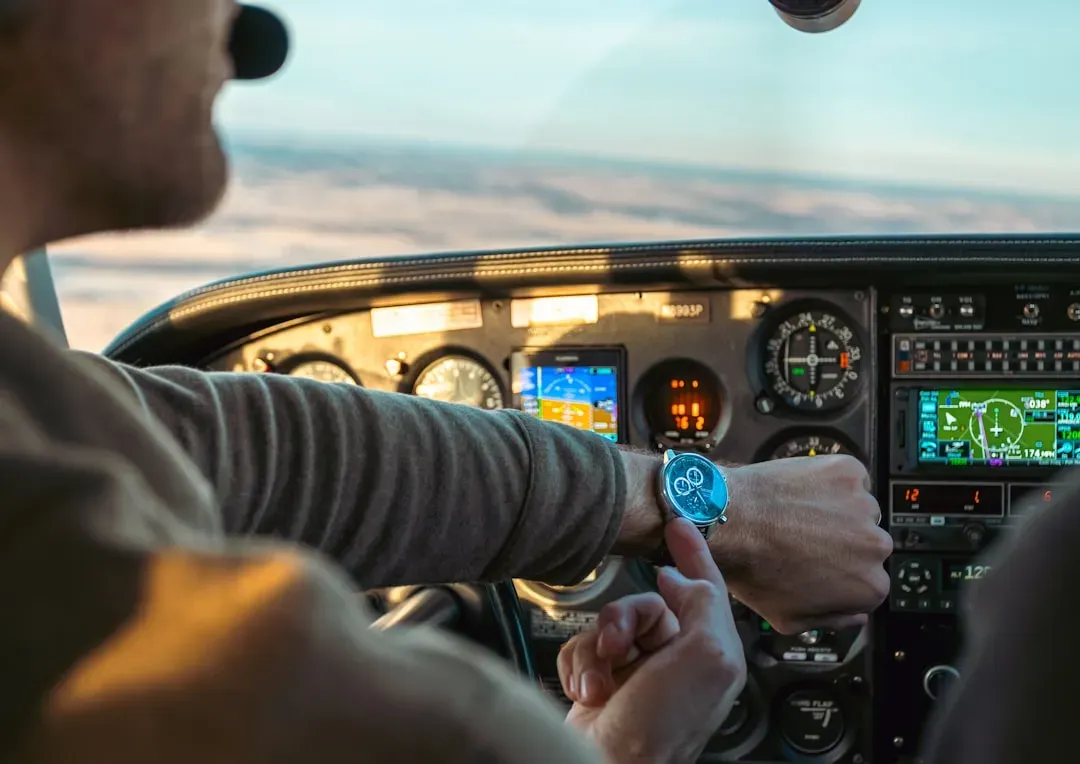
Most travelers flip their phone clock to the destination’s time zone when they land. By then, the opportunity to get a head start on jet lag has already passed. Changing your watch to the destination’s time zone before you board is a psychological shift, but a powerful one – syncing your meal timing and rest windows to the new schedule during the flight makes a measurable difference in how quickly your body adjusts after landing.
Dehydration makes jet lag significantly worse – lack of fluids makes it harder for your body to adapt to new time zones and amplifies fatigue, mental fog, and poor sleep quality. Experienced travelers treat the layover itself as the reset window: the right time to start moving on the new schedule, drink extra water, and take a short walk to shake off the previous leg before the next one begins. Rookies don’t think about any of this until they’re lying awake at 3 a.m. on day two wondering why they feel so wrecked.
At a Glance: The Layover Reset Checklist
- Switch watch (and mindset) to destination time zone before boarding the next leg.
- Eat and drink according to the new time zone – not your departure city’s schedule.
- Take a walk to shake off the previous leg before settling at the gate.
- Skip the nightcap on evening flights; alcohol accelerates dehydration and disrupts sleep cycles.
- Use the layover to nap only if it aligns with nighttime at your destination.
#7 – They Use Airport Shower Facilities Like a Secret Weapon
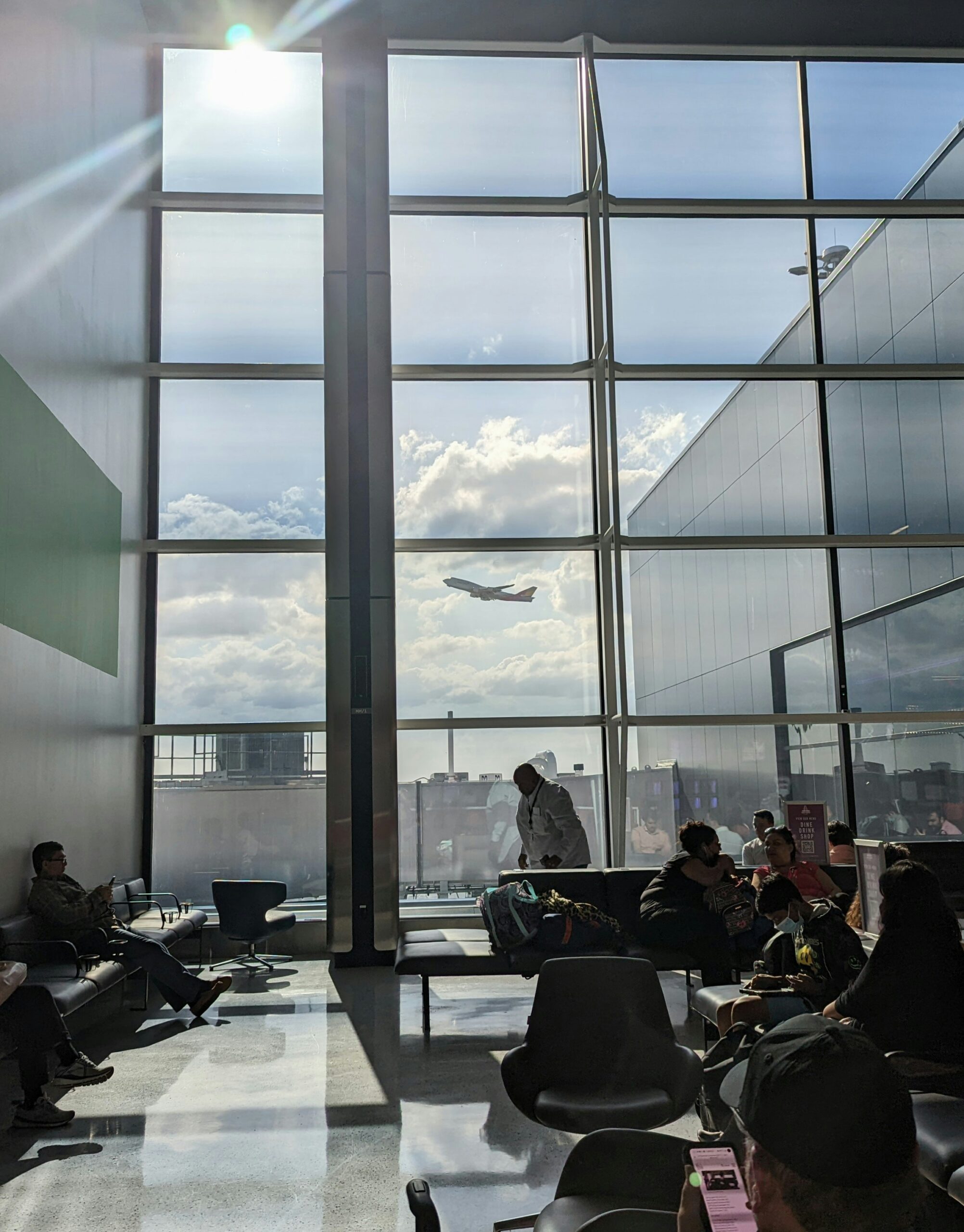
This is the one habit rookies consistently think sounds unnecessary – until they try it once after a red-eye or a long international leg. A shower during a layover doesn’t just feel good. It functionally resets your body and brain. Warm water promotes better blood circulation, helps reduce the physical sluggishness of long flights, and genuinely prepares you for the next several hours in a way that no amount of coffee actually replicates.
Most lounges include shower access in the standard entry fee – meaning if you’re already paying for lounge access, the shower is effectively free. Many major international airports have also invested in standalone shower facilities open to all passengers. Experienced travelers over 60 use these routinely after overnight flights or long international legs. Rookies don’t even know they exist – and they board the next flight still wearing the last one. That gap in experience shows up immediately on arrival.
#6 – They Wear Compression Socks on Every Single Flight

This is the habit that gets the most eye-rolls from younger travelers – until those same younger travelers start noticing swollen ankles and heavy legs after long flights and quietly order a pair. A Cochrane review of data from 2,918 people across 12 randomized clinical trials found high-certainty evidence that compression stockings reduced the risk of DVT on flights longer than four hours. That’s a meaningful number, not a marketing claim.
The real trick that separates experienced travelers: they put the socks on before the flight, not once their feet start swelling at cruising altitude. By that point, you’ve already missed most of the preventive benefit. Paired with walking laps during the layover, compression socks are one of the simplest habits any traveler over 60 can adopt to arrive feeling physically capable instead of genuinely wrecked. The first time you skip them after years of wearing them, you remember exactly why you started.
#5 – They Explore Beyond the Terminal When the Clock Allows
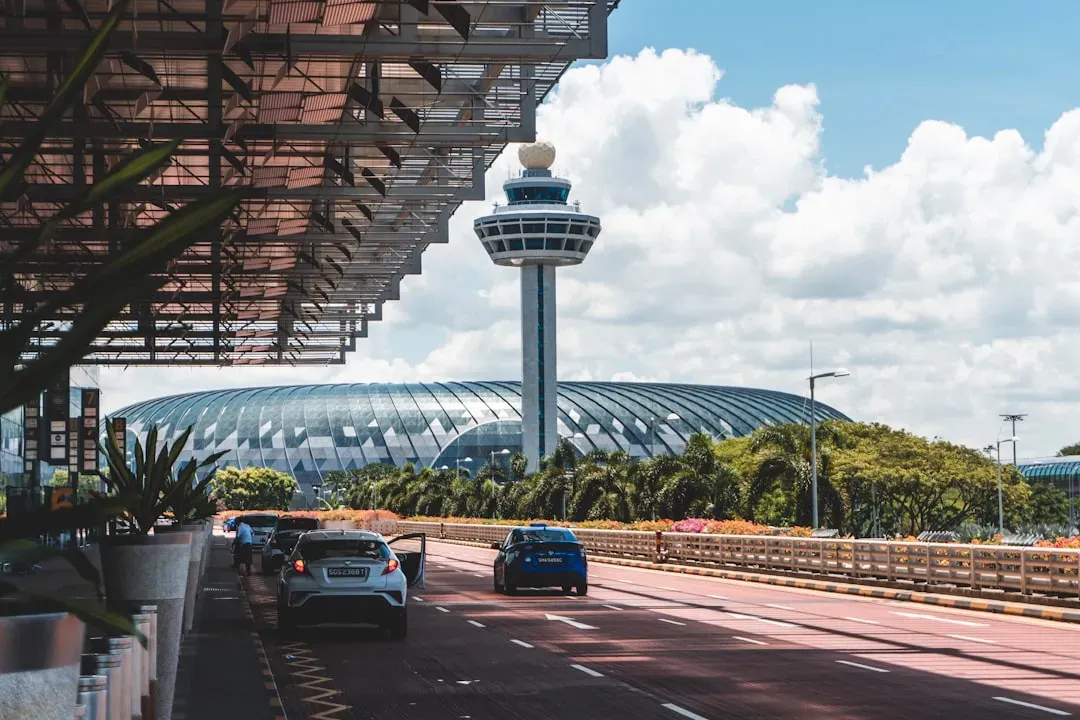
Most travelers with a four-hour layover sit in the terminal for four hours. Experienced travelers with a longer layover sometimes aren’t even in the building. Singapore’s Changi Airport offers a completely free guided city tour lasting 2.5 hours for transit passengers with layovers between 5.5 and 24 hours – covering iconic landmarks like Merlion Park, Gardens by the Bay, and Marina Bay Sands, with four distinct itineraries to choose from. Turkish Airlines runs a similar program called Touristanbul, organizing short city excursions specifically optimized for layover durations at Istanbul Airport.
The key is knowing the visa rules for the connecting country before you arrive and always protecting that 90-minute return buffer. Veterans research this the night before departure. Rookies assume it’s too complicated and spend four hours watching the same terminal ceiling. Some of the best travel memories from experienced over-60 travelers didn’t happen at a destination – they happened during a layover most people would have wasted entirely.
Why It Stands Out: Singapore’s Free Layover Tour
- Completely free – no booking fee, no catch – for transit passengers at Changi Airport.
- Requires a layover of at least 5.5 hours and less than 24 hours to qualify.
- Four tour itineraries available: City Sights, Heritage & Culture, Singapore River, and Sentosa Discovery.
- U.S. passport holders do not need a visa for the Singapore city tour stopover.
- Pre-book up to 60 days in advance online, or register at the tour booth after landing.
The world is a book, and those who do not travel read only one page.
Saint Augustine
#4 – They Use Luggage Storage to Move Freely

Nothing kills a layover faster than dragging a heavy carry-on through every terminal loop, every bathroom visit, every food court line. Smart travelers check whether the airport has left luggage storage or lockers – most major international airports do – so they can drop their bags and move freely, whether that means exploring the city or simply walking the terminal without 20 pounds on their shoulder. Even without leaving the building, dropping a bag at storage changes the entire physical experience of a long layover.
Most major international airports offer luggage storage for $5 to $15 for several hours – a fraction of what that freedom is worth in terms of comfort and reduced physical strain, especially for travelers who are managing back, shoulder, or hip issues. Experienced travelers over 60 know their bodies will thank them by the time they land at the final destination. Rookies drag everything everywhere because it simply never occurred to them to let it go for a few hours.
#3 – They Use Quiet Rooms and Meditation Spaces to Actually Decompress

Most travelers manage airport stress by scrolling their phones until boarding – which turns out to be one of the worst things you can do for your nervous system before a long flight. As of 2024, over 40 international airports have implemented designated meditation or quiet areas, reflecting a growing recognition that mental well-being is a genuine part of the travel experience. These rooms are almost always empty. Almost no one knows they exist.
Research suggests that just 10 minutes of focused quiet can positively impact concentration and calm for up to an hour afterward – meaning a short stop in the airport’s meditation room before boarding could change how the entire next flight feels. Experienced travelers over 60 treat these spaces like a tactical advantage, not a luxury. Airports like Doha’s Hamad International and Frankfurt Airport offer dedicated wellness lounges and yoga rooms that most passengers walk right past. Seasoned travelers don’t walk past them. They walk in.
#2 – They Have Trip Delay Coverage – and They Actually Use It

This one hits differently for travelers over 60, because the financial and logistical stakes of a disrupted trip are simply higher. And the gap between knowing you have trip delay coverage and actually filing a claim is enormous. Many travelers forget that trip delays are covered under their travel insurance and absorb the cost of meals, hotels, and rebooking fees out of pocket – every single time. That’s money left on the table on every disrupted trip.
Seasoned travelers don’t just carry trip delay coverage – they photograph receipts for every meal, hotel, and transport expense the moment a delay is officially declared, because insurers require documentation filed promptly. Coverage typically kicks in after 3 to 6 hours depending on the policy. Rookies think about this two weeks after the fact, when the receipts are long gone. Experienced travelers over 60 treat travel insurance paperwork the same way they treat packing medications: it happens before departure, not during the crisis.
Fast Facts: Trip Delay Coverage
- Most policies require the delay to hit 3–6 hours before coverage kicks in – know your threshold before you travel.
- Covered expenses typically include meals, hotels, and ground transportation during the delay.
- Photograph or scan every receipt immediately – insurers can and do deny undocumented claims.
- Some premium travel credit cards include trip delay reimbursement as a built-in benefit, no separate policy needed.
- File the claim promptly – many policies have a short submission window after the disruption occurs.
#1 – They Never Sit Down After Landing – They Confirm the Onward Flight First
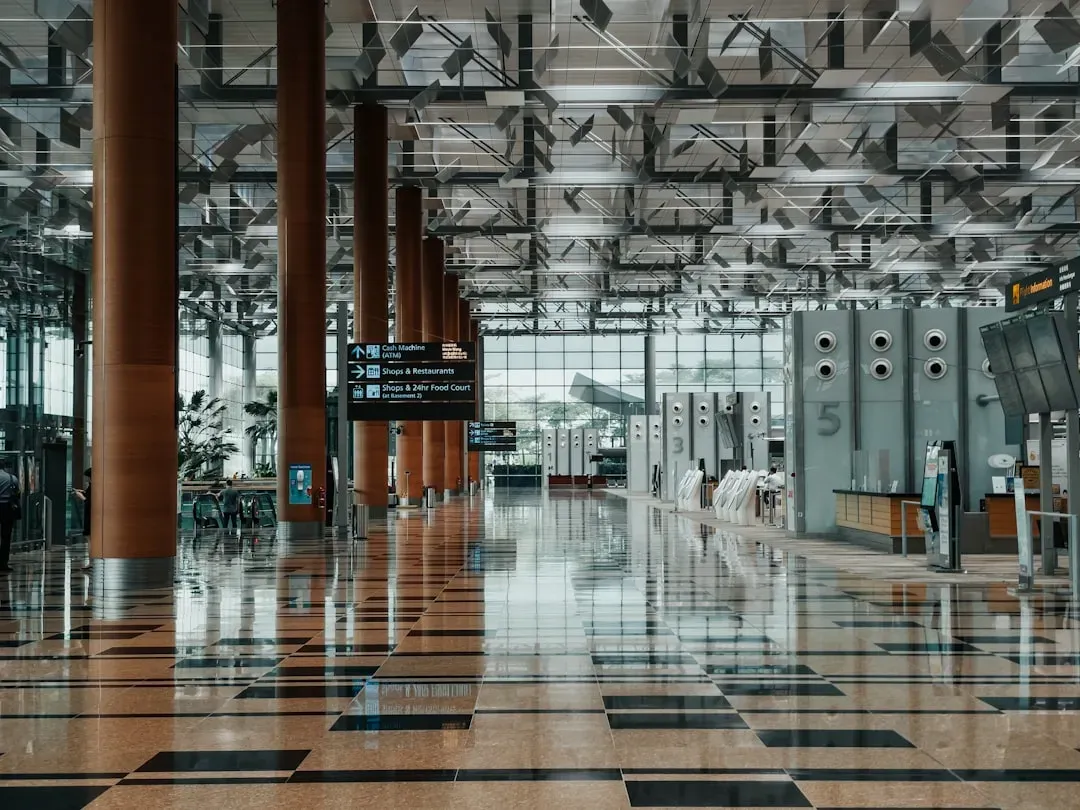
Here it is: the single habit that has saved more trips than any other on this list. The instinct of a rookie after landing a connection is to find the next gate and sit down. The instinct of a seasoned traveler over 60 is to immediately verify the onward flight is on time, confirm the gate hasn’t changed, and check in for it if they haven’t already. Airlines overbook flights, gate changes happen in the window between your arrival and your connection’s departure, and passengers occasionally get bumped simply because they were the last to confirm. That five-minute check costs nothing and has an enormous failure-prevention ceiling.
Experienced travelers treat those first minutes after landing as an intelligence-gathering exercise, not a rest break. Confirm the gate. Check the status. Verify the check-in. Only then do they find water, find a seat, and breathe. Rookies skip all of that – and sometimes discover at 20 minutes to departure that their gate moved two terminals away, or that the flight they assumed they were confirmed on has been quietly reassigned. The travelers who never get caught like that aren’t luckier than everyone else. They just check first.
The gap between a stressed layover and a smooth one almost never comes down to luck. It comes down to a handful of habits experienced travelers have quietly assembled over years of trial, error, and at least one genuinely bad travel day. Whether it’s the compression socks, the walking lap before sitting, the app-first phone call during a delay, or the simple refillable water bottle – every one of these moves costs almost nothing and pays off on every single trip. Which of these did you already know? And which one are you using next time?