

Most people assume boarding a plane is simple: wait for your group, walk down the jet bridge, find your seat. But watch any gate closely and you’ll notice something strange – a small cluster of calm, unhurried travelers who never scramble, never crowd the podium, and somehow always end up settled first with bin space to spare. They’re not lucky. They’re retired frequent flyers who spent decades learning a system most passengers never bother to study.
The gap between “knows the boarding process” and “guesses at the boarding process” is bigger than most flyers realize, and airlines rarely explain it out loud. Here’s what those seasoned travelers actually do differently, starting with the smallest habits and building to the one mental shift that changes everything.
#16 – They Never Check a Bag If They Can Help It
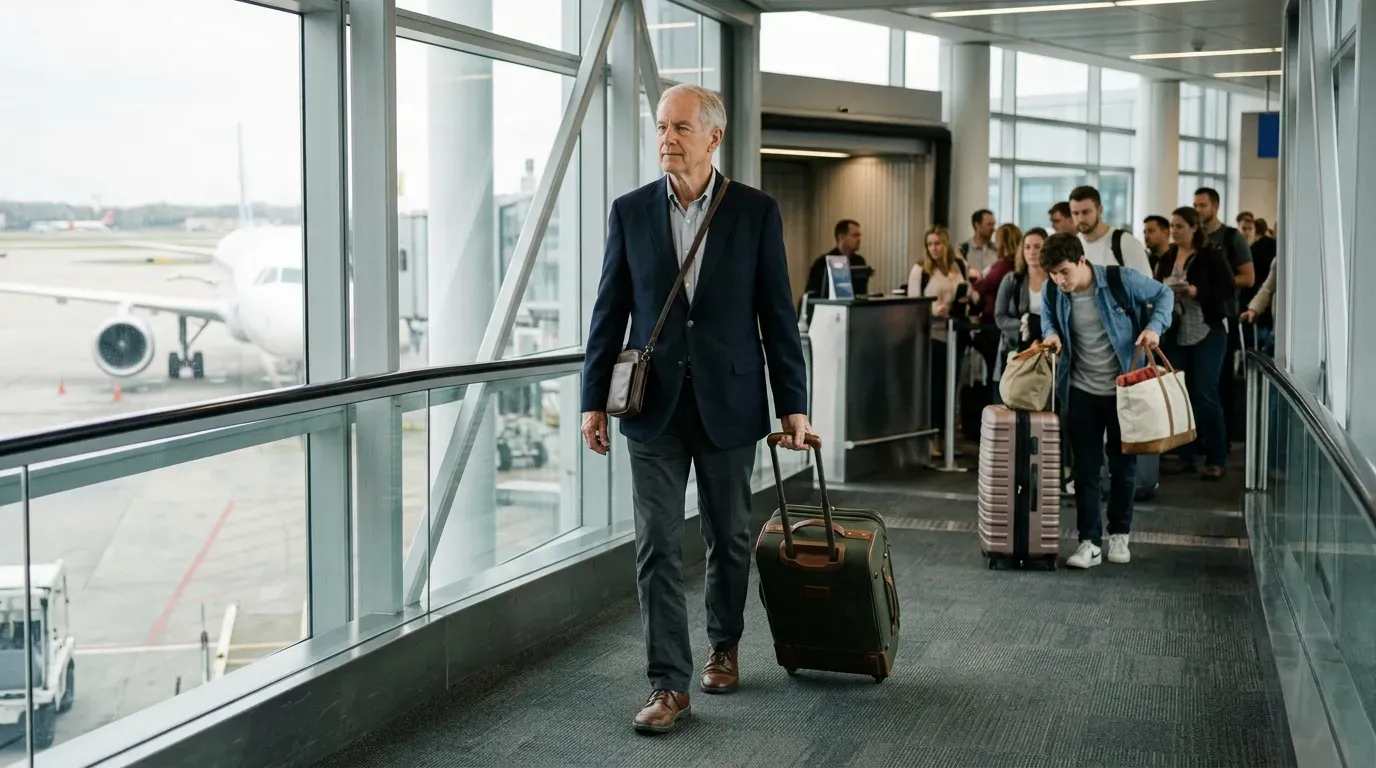
Retired road warriors treat checked luggage as a last resort, not a default. Traveling carry-on only means skipping the bag drop line entirely and walking straight to security, which shaves real time off any airport visit. It also removes the anxiety of watching a carousel spin without your suitcase on it.
First-timers often overpack “just in case,” then get stuck wrestling an oversized bag through a jet bridge. Experienced flyers know a smaller bag is the single easiest way to control your own boarding experience instead of leaving it up to chance. That single decision cascades into faster security, faster boarding, and faster exits – which matters even more once you see what a full overhead bin actually does to a flight.
#15 – They Check In the Instant the Window Opens
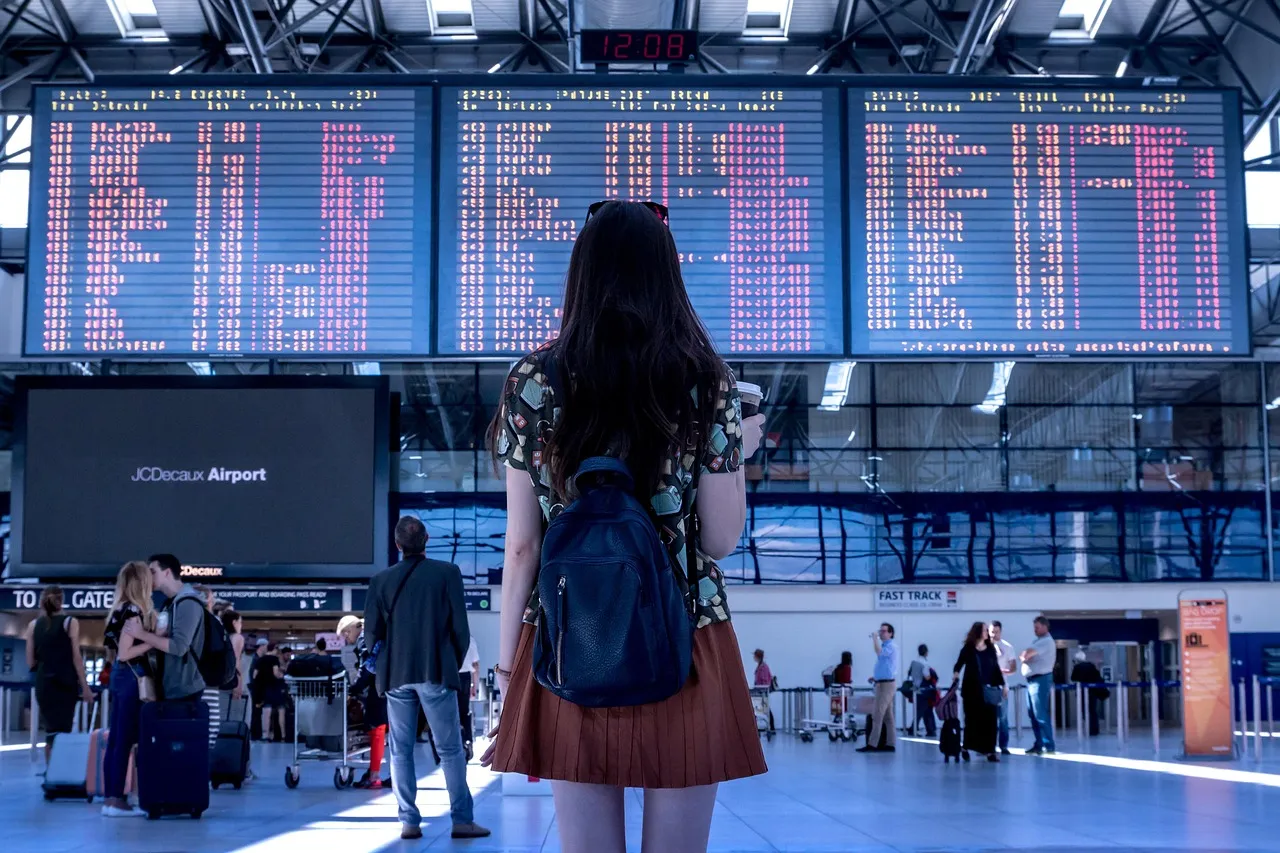
Veteran flyers set alarms for check-in, not just for their flight. Most airlines let travelers prepare for boarding up to 24 hours in advance, and some even let them select their seats, which eliminates long lines and checkpoint stress later. Checking in at exactly the 24-hour mark, rather than casually the morning of, often means better seat availability and a smoother path through the app.
Newer travelers frequently check in at the airport out of habit, missing the early window entirely. That single missed hour can mean the difference between a decent seat and a middle seat in the last row. The 24-hour mark isn’t a suggestion – it’s a small, timed window that seasoned flyers treat like a countdown clock.
#14 – They Pick Seats Based on Bathroom Math, Not Views
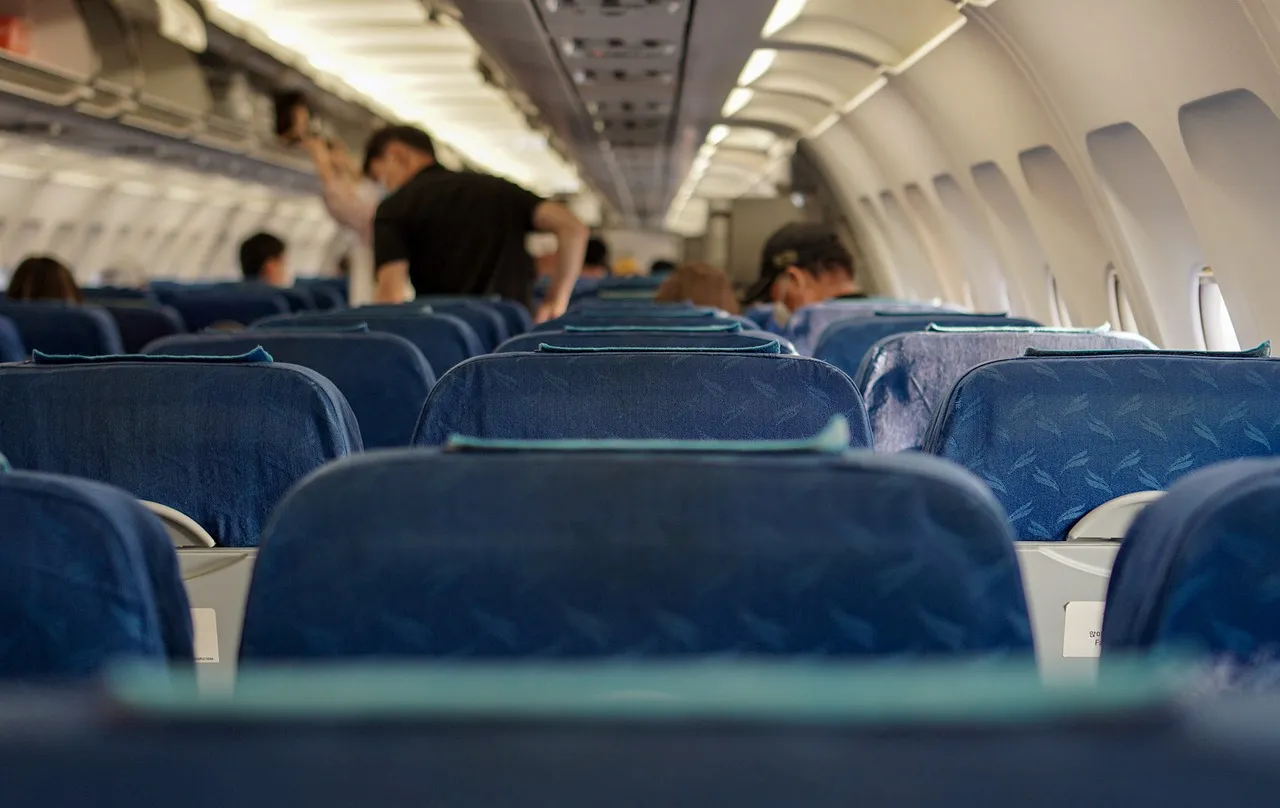
It sounds unglamorous, but experienced flyers choose seats with strategy, not sentiment. Staying hydrated on a flight means frequent trips to the restroom, so locking in an aisle seat saves both the traveler and their seatmates the trouble. It’s a small logistical decision that has nothing to do with the view and everything to do with comfort over several hours.
First-timers often grab a window seat for the photo opportunity, then spend the flight climbing over two strangers. Retired flyers treat seat selection as a comfort calculation, not a scenic one. That mindset carries straight into how they think about boarding order itself, which is where things get more interesting.
#13 – They Know Boarding Groups Are a Credit Card Game
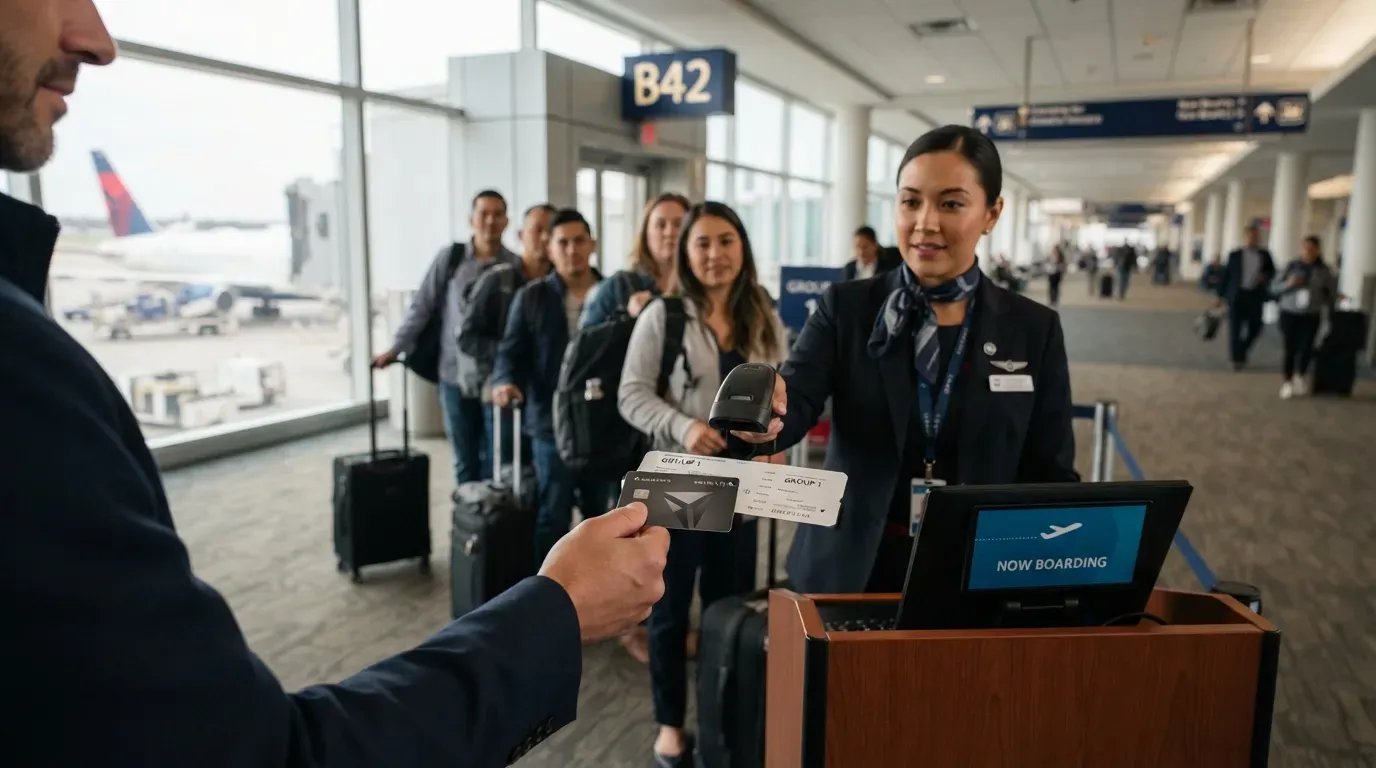
Here’s something most casual flyers never clock: boarding priority is heavily tied to plastic in your wallet, not just miles in the air. Co-branded airline credit cards typically move passengers up two to four boarding groups, and it’s considered the easiest boarding upgrade available. A Chase United card or a Delta Amex can shift someone from the back of the line to the middle without a single extra flight flown.
Newcomers assume boarding order is purely about status earned in the sky. The truth is a piece of plastic can outrank actual loyalty, and veterans know exactly which card gets them where. It’s a mildly controversial system, and one plenty of frequent flyers openly resent even as they use it.
#12 – They Memorize Delta’s Zone Hierarchy Before They Ever Reach the Gate
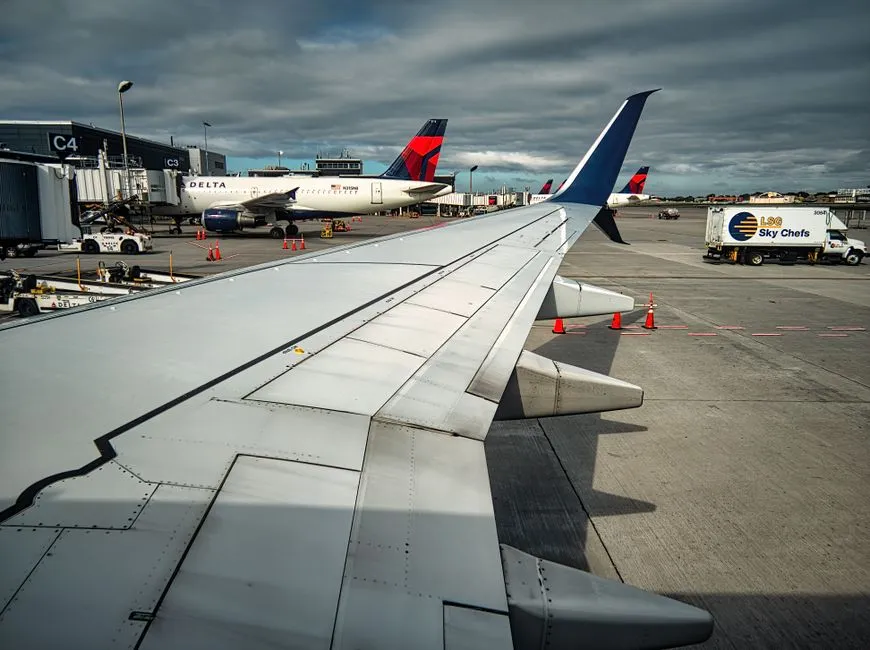
Delta flyers who’ve been at this a while don’t wait for the gate screen to tell them where they stand. Delta switched to a numbered zone system with 8 zones plus pre-boarding in early 2025, running from Zone 1 for Delta One and first class down through Zone 5 for Silver Medallion members and anyone with a Delta co-branded American Express card. Knowing that ranking cold means never being caught off guard when a zone is called.
First-time Delta passengers often stare blankly at their boarding pass, unsure what “Zone 5” even means relative to everyone else. Veterans know the co-branded Amex jump into Zone 5 is one of the quietest perks in the entire system, and it costs nothing extra once you already carry the card.
At a Glance: Delta’s Zone Order
- Zone 1 – Delta One and First Class board first
- Zone 2 – Diamond Medallion members and Premium Select
- Zone 3 – Delta Comfort+ passengers
- Zone 5 – Silver Medallion members and Delta Amex cardholders
- Zone 8 – Basic Economy, boarding dead last
#11 – They Track American’s Nine-Group Maze Like a Second Language
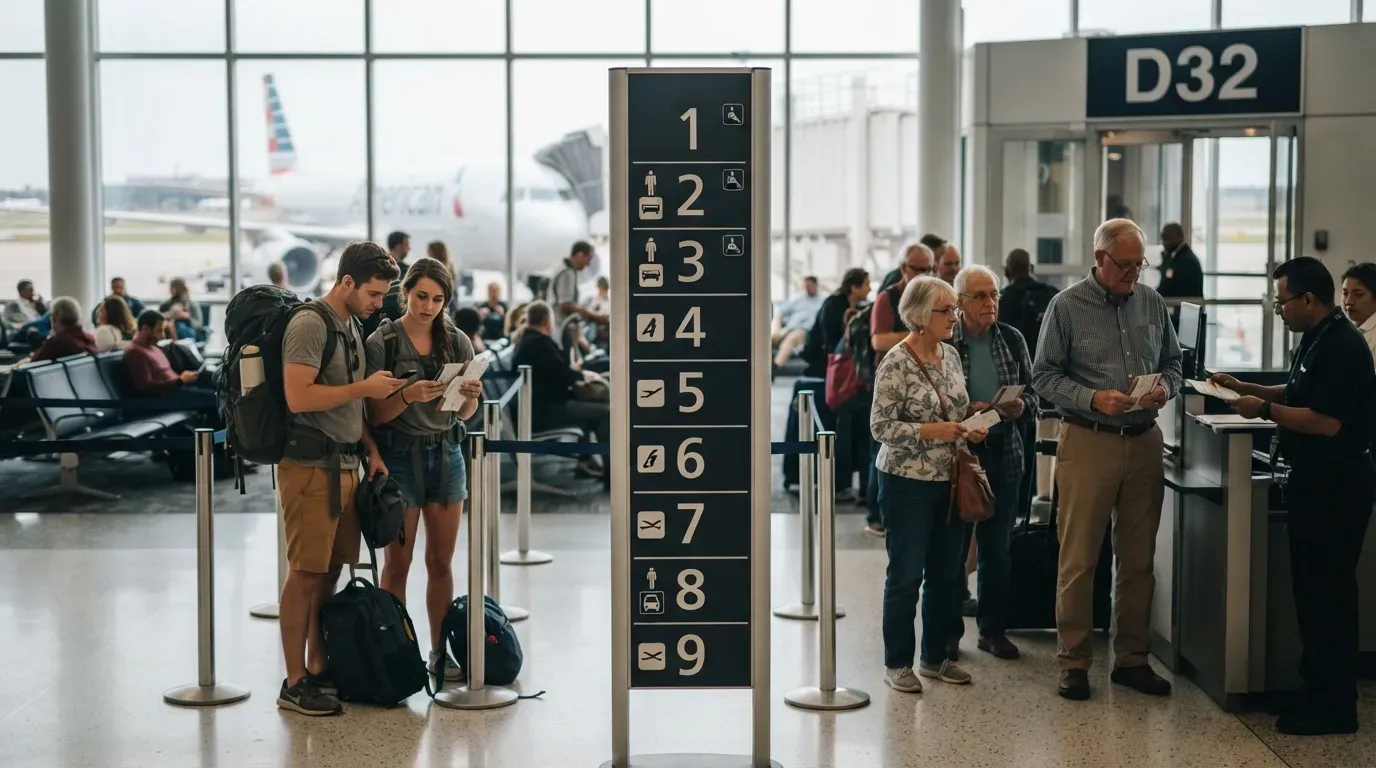
American Airlines runs the most complicated boarding lineup of any major U.S. carrier, and retired flyers treat memorizing it like a small act of self-defense. American has the most groups of any major carrier – nine numbered groups plus pre-boarding – after expanding to this system on May 1, 2025. Knowing exactly which group you’re in before you reach the gate means no awkward hesitation when it’s called.
First-timers often don’t realize there’s a difference between Group 4 and Group 5 until they’re standing in the wrong line getting waved back. Nine separate tiers is a lot to track, but experienced American flyers treat it as routine, not confusing. It’s also a small preview of just how much boarding has changed industry-wide in the last two years.
#10 – They Watched Southwest’s Entire System Flip Overnight
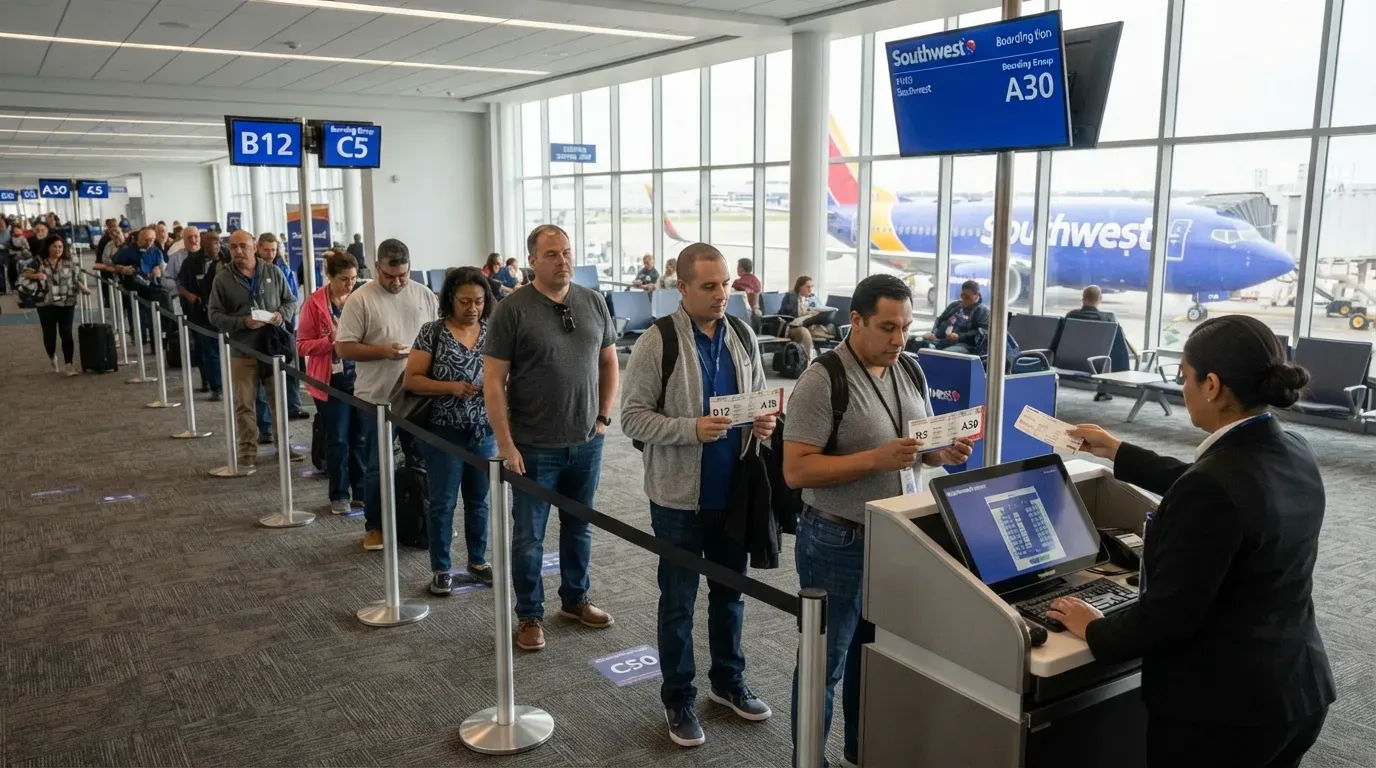
For decades, Southwest’s open-seating free-for-all was practically a badge of honor among veteran flyers who knew how to work it. That era is officially over. Southwest switched to assigned seating and eight numbered boarding groups on January 27, 2026, ending the old A/B/C open-seating system entirely. You now pick a seat at booking and simply board when your group is called.
First-timers flying Southwest today have no idea the airline used to work completely differently. Retired frequent flyers who mastered the old system had to relearn boarding almost from scratch, and many still grumble about losing the strategy game they’d spent years perfecting.
Quick Compare: Southwest Then vs. Now
- Before Jan. 27, 2026: Open seating, with boarding position based on check-in time or an EarlyBird purchase
- Now: Assigned seats chosen at booking, sorted into eight numbered boarding groups
- Before: A-List members could jump between groups if they booked or changed flights close to departure
- Now: Seat and boarding group are both locked in long before anyone reaches the gate
#9 – They Know the WILMA Trick Before United Even Announces It
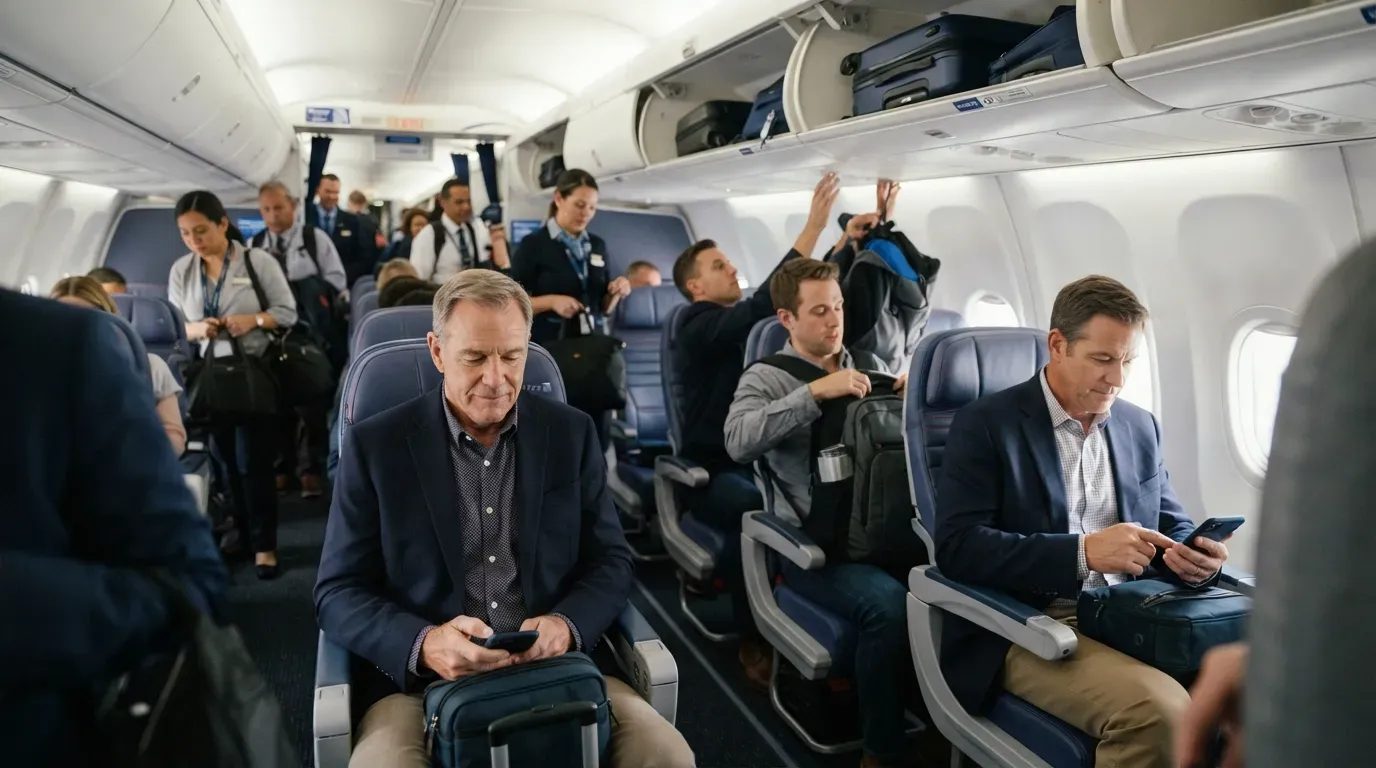
United’s boarding process got a quiet overhaul that most casual travelers have never heard of. United has six numbered boarding groups plus a pre-boarding call, and Groups 3 through 5 now use the WILMA system – window, middle, aisle – introduced in October 2025 to speed up the process. That means window-seat passengers board before middle, and middle boards before aisle, all within economy.
First-timers assigned to Group 4 often assume boarding order is random luck. It isn’t – it’s sorted by exactly where your seat sits in the row, and knowing that in advance means never being surprised by which group gets called next. Retired flyers use that same logic to predict, almost to the minute, when they’ll actually be walking down the jet bridge.
#8 – They Show Up at the Gate at the 60-Minute Mark, Not a Second Sooner
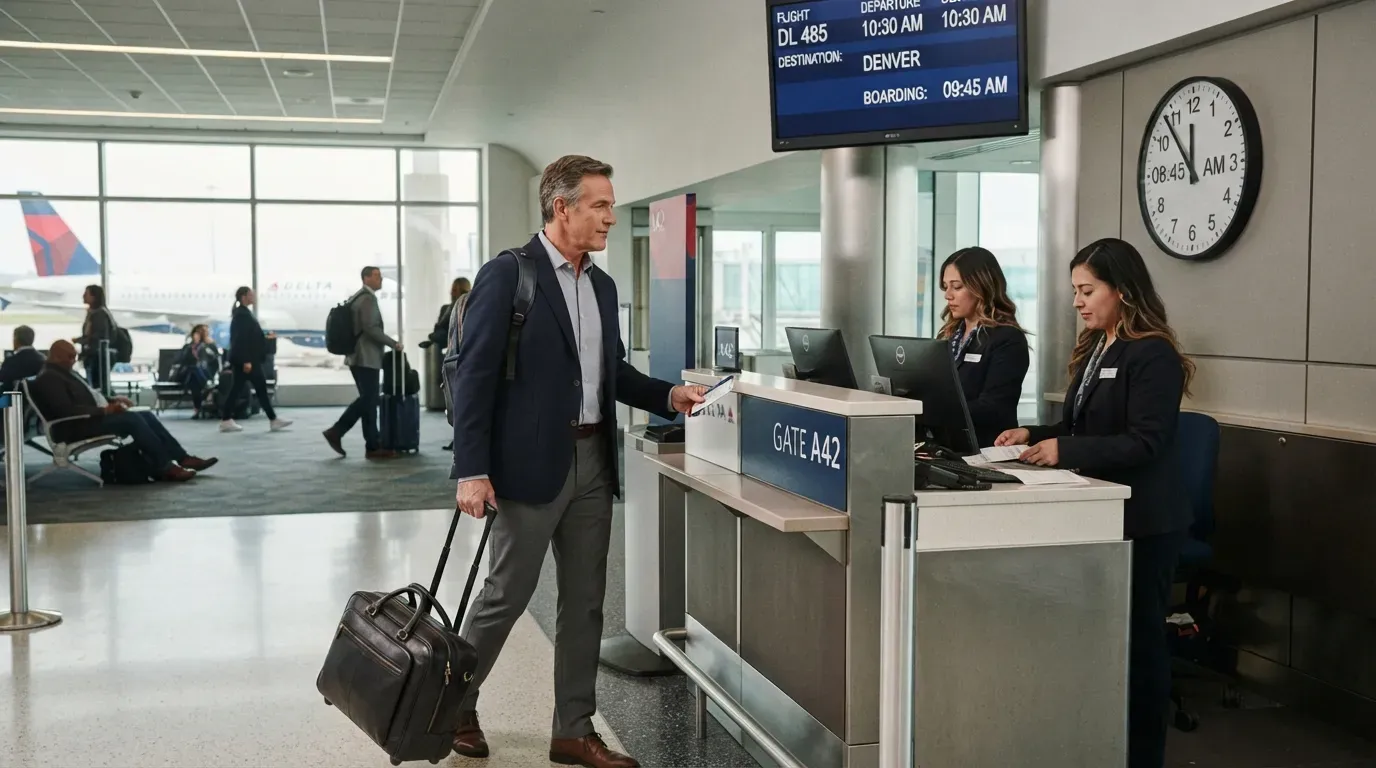
There’s a very specific window seasoned flyers treat as sacred. Most travelers either camp at the gate two hours ahead, when the agent isn’t even assigned yet, or arrive right at boarding time – but the sweet spot is roughly 60 minutes before boarding, when gate agents are actively working the flight and seat changes are still possible. Arrive after that window closes, and those conversations are over for good.
First-timers either panic-arrive absurdly early or cut it dangerously close, missing the actual opportunity entirely. That narrow 60-minute window is where upgrades, standby moves, and seat swaps quietly get decided, and almost nobody outside frequent flyer circles seems to know it exists.
#7 – They Fix Their Known Traveler Number Before It Costs Them PreCheck
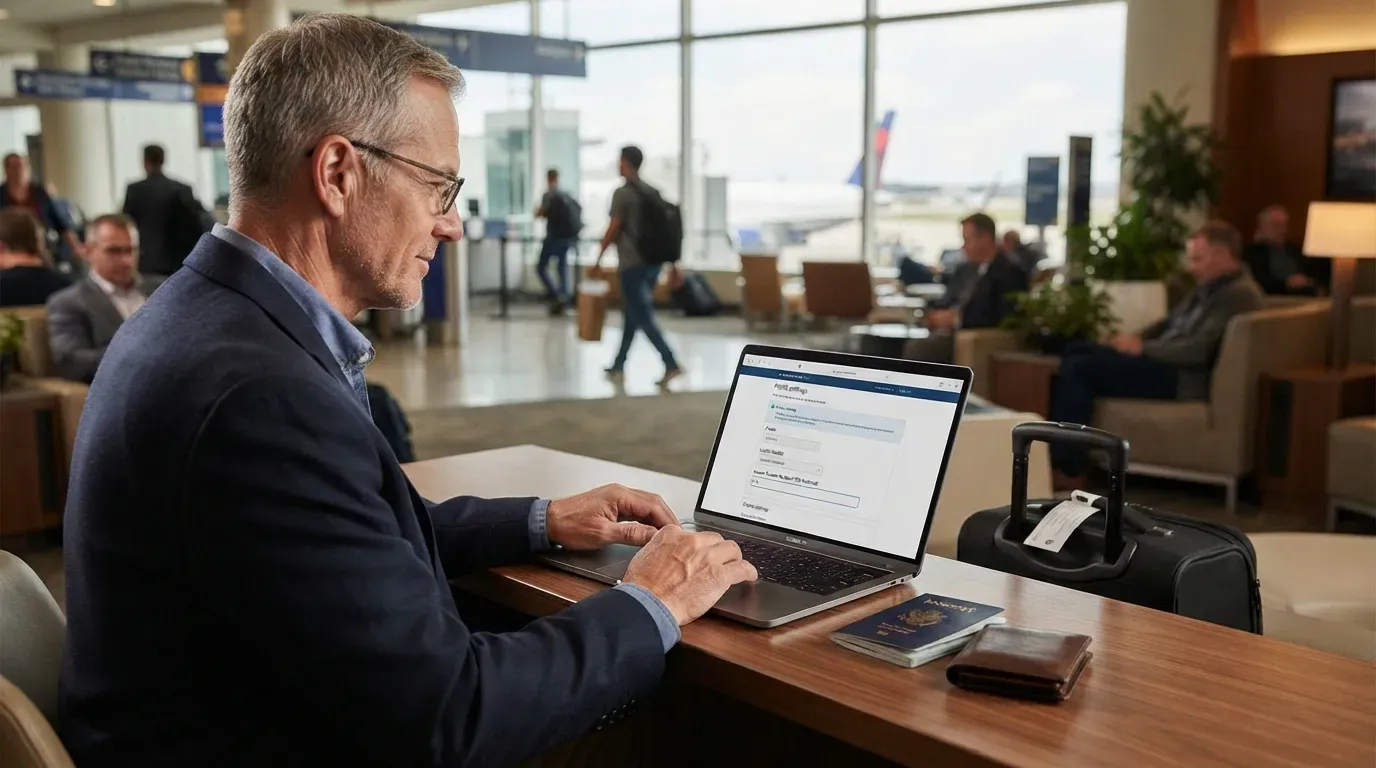
This one trips up more people than almost anything else at the airport. A common mistake quietly strips travelers of their TSA PreCheck benefits on every flight: forgetting to attach their Known Traveler Number to the reservation, since PreCheck benefits aren’t automatic and the KTN must be entered correctly for the indicator to appear on the boarding pass. Even a single mismatched middle initial can trigger a flag.
First-timers with PreCheck often don’t realize why it “randomly” didn’t show up on a given trip. Veterans save their KTN directly into every airline loyalty profile so it auto-populates every single time, removing the guesswork entirely before it becomes a security-line surprise.
Fast Facts: Fixing a Missing PreCheck Indicator
- Add your Known Traveler Number to every airline profile you fly with, not just one
- Double-check your name matches your ID exactly, including middle initials
- Re-check the boarding pass the moment it prints if the indicator is missing
- Call the airline directly before departure if the fix doesn’t show up in time
#6 – They Treat Gate Agents Like Actual Humans, Not Obstacles
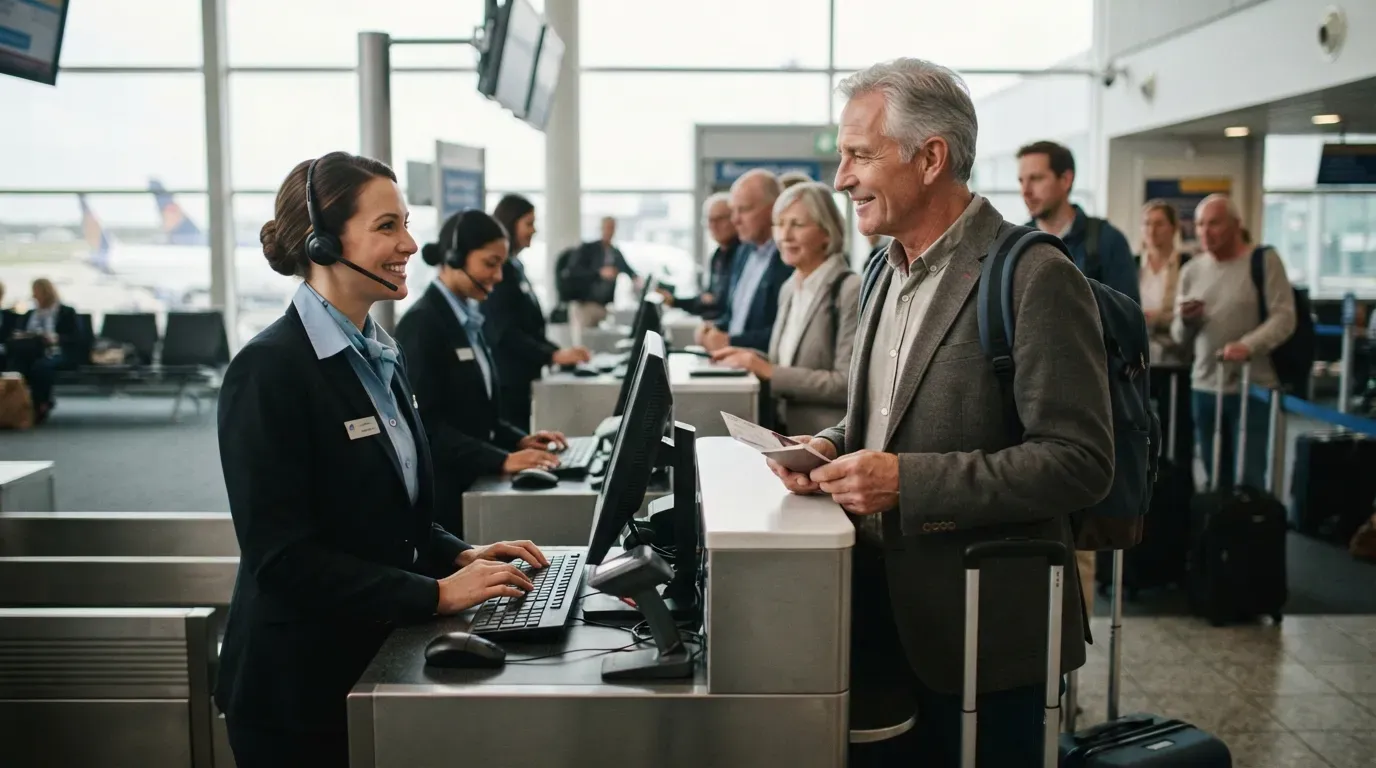
This sounds obvious, and yet almost nobody actually does it. Most passengers are politely transactional at best and visibly impatient at worst, while the travelers who consistently get better outcomes treat gate agents like actual human beings under real pressure – because gate agents coordinate with operations teams, manage oversold flights, and make real-time decisions about who gets what. They can, and do, leave notes on a traveler’s profile that follow them onto future flights.
First-timers sometimes vent frustration at the counter, not realizing that agent controls the very upgrades and standby seats they want. A little basic kindness quietly outperforms complaining almost every single time. It’s a controversial opinion in some circles, but seasoned flyers swear it’s the single most underrated boarding move there is.
#5 – They Ask About Upgrades at the Right Moment, Never During Boarding
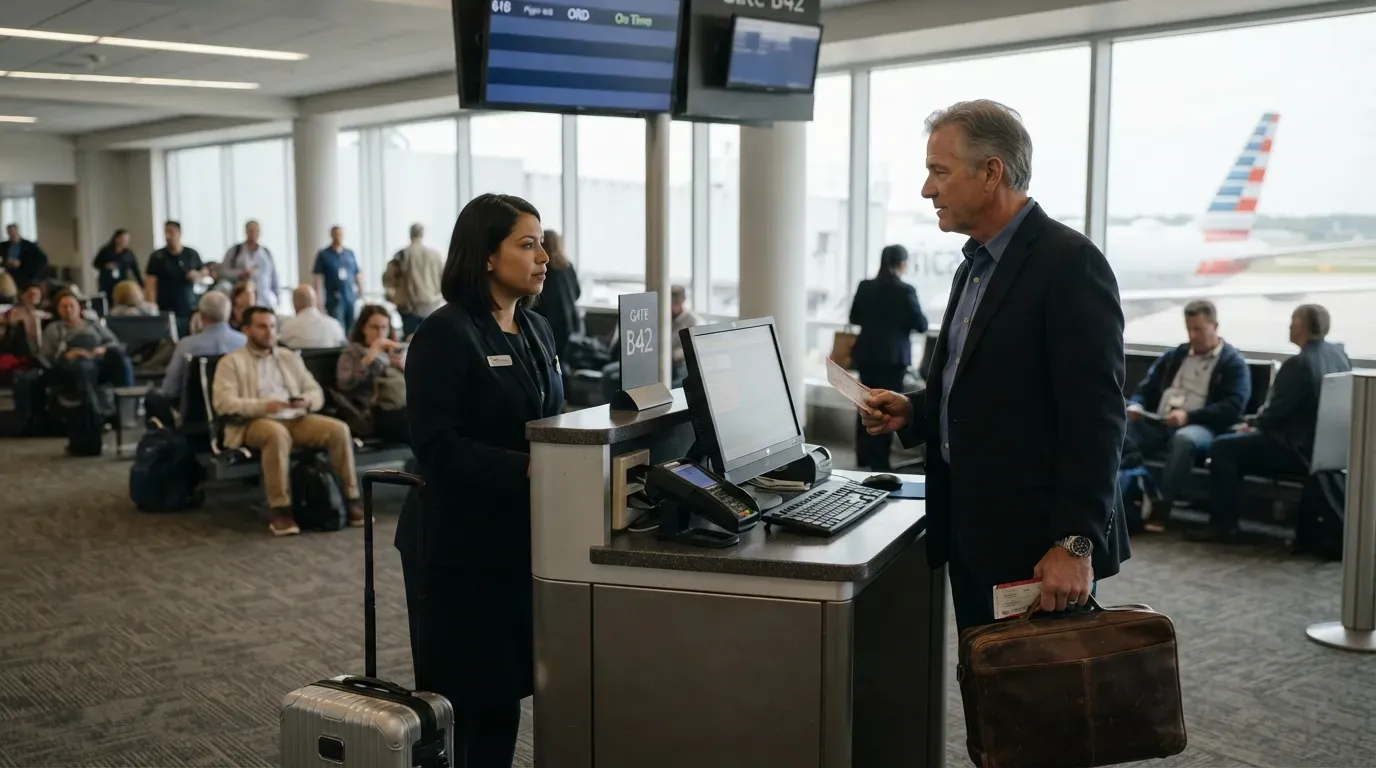
Timing an upgrade request is its own small art form. Airlines sometimes offer last-minute upgrades at the gate when premium seats remain unsold close to departure, and these are far cheaper than buying up in advance – politely asking at the right moment can work, but the wrong moment is during active boarding or immediately after a delay announcement. Veterans know exactly which few minutes to catch an agent before that window disappears.
First-timers often ask right as boarding starts, when agents are the most overwhelmed and least able to help. Asking too late is functionally the same as never asking at all, and it’s one of the most common missed opportunities at any gate in America.
#4 – They Volunteer to Get Bumped Instead of Fighting for a Seat
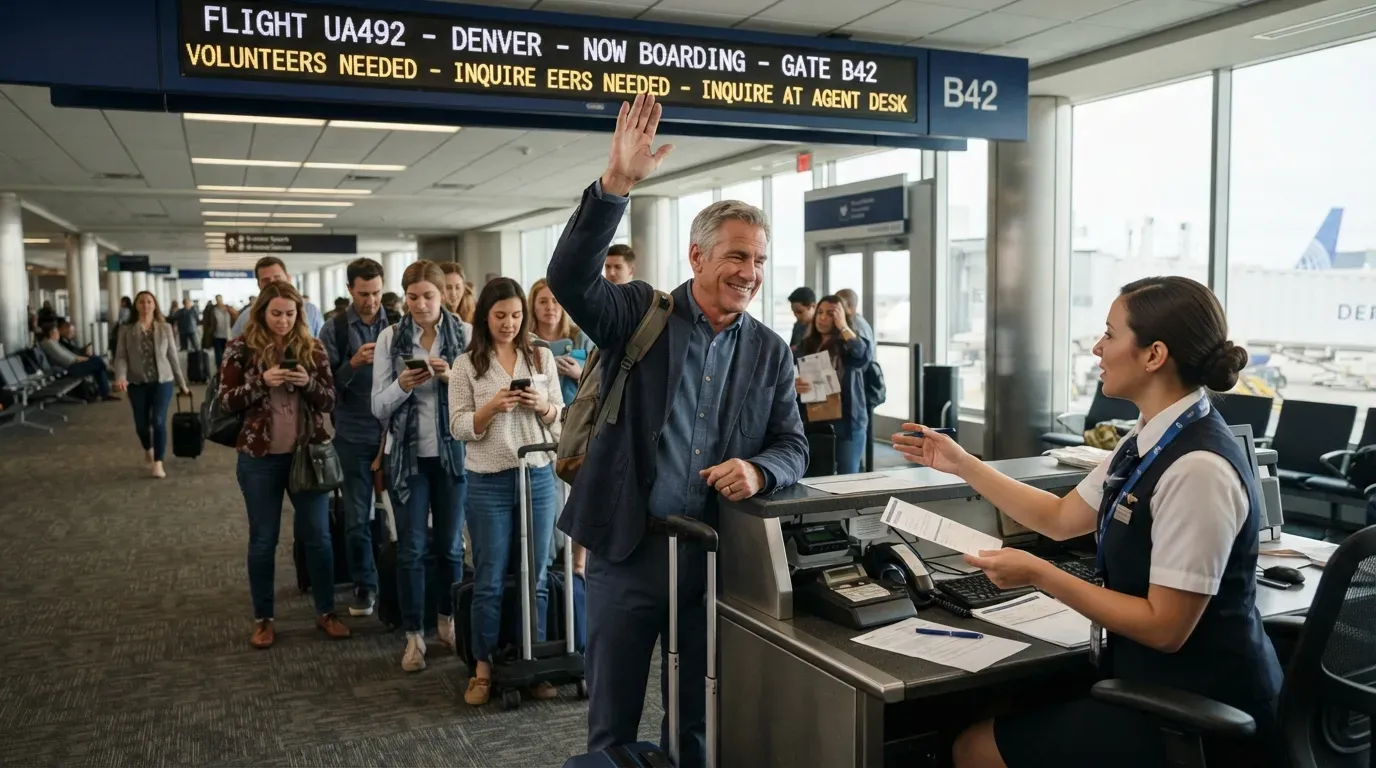
Here’s a habit that confuses almost every first-time flyer watching it happen. Sometimes airlines overbook flights and ask for volunteers to take a later flight, and experienced travelers who aren’t on a strict schedule will volunteer to be bumped off their flight. Rather than treating an overbooked flight as bad luck, veterans treat it as a quiet opportunity.
First-timers often panic when a gate agent asks for volunteers, assuming it’s always a loss. It’s frequently the opposite – a flexible traveler can turn an oversold flight into free vouchers, upgrades, or cash, simply by raising a hand at the right moment instead of standing there confused.
#3 – They Refuse to Stand Up the Second Boarding Begins
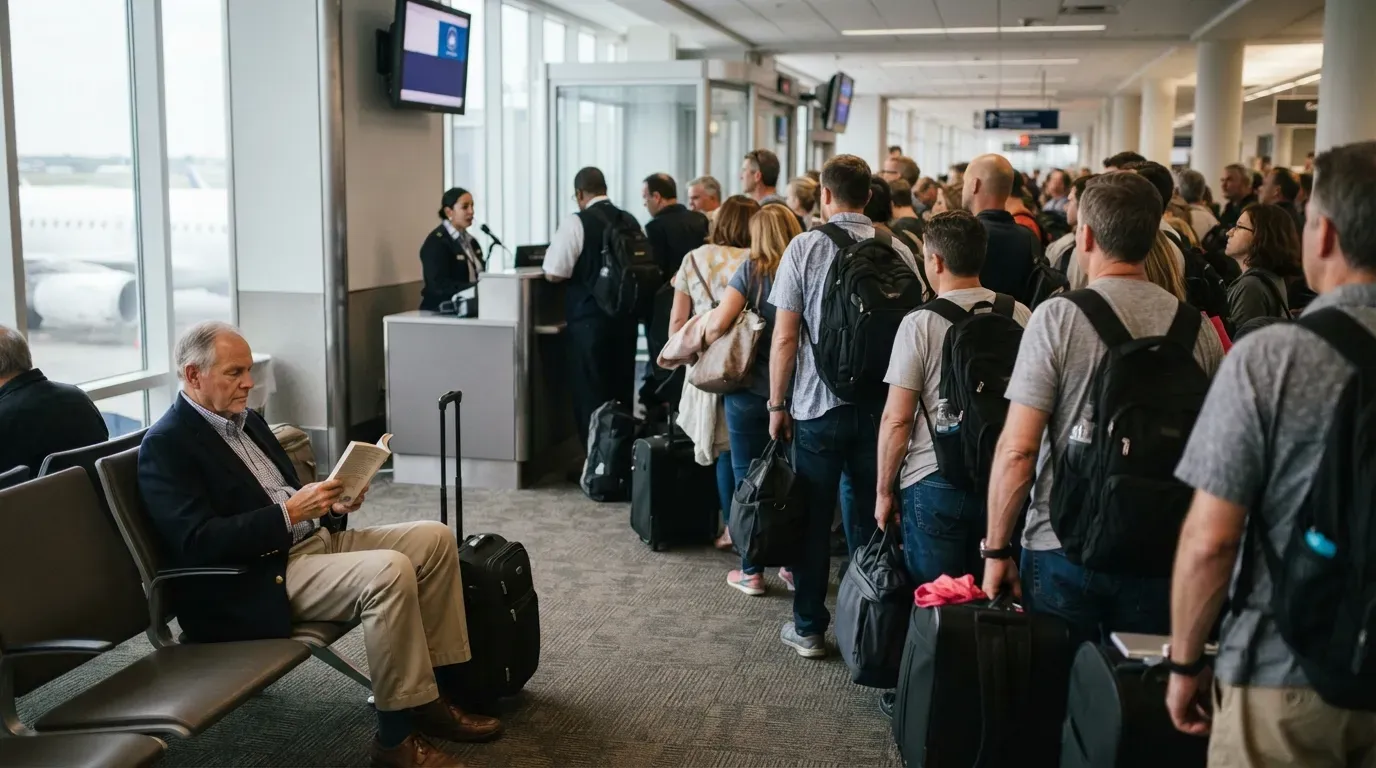
This is the single most visible difference between a nervous first-timer and a seasoned flyer, and it happens at every single gate in the country. Experienced travelers stay seated until their specific group or zone is actually called, refusing to join the crowd that clogs the boarding lane the instant an announcement starts. No matter what you do, standing up and blocking the path to the plane as soon as boarding starts only slows everyone else down.
First-timers often leap up reflexively at the first announcement, creating exactly the kind of gate congestion known in the industry as “gate lice.” Staying seated until your group is actually called is one of the simplest, least glamorous tricks in the entire book, and it works precisely because almost nobody else bothers to do it.
#2 – They Sometimes Board Dead Last on Purpose
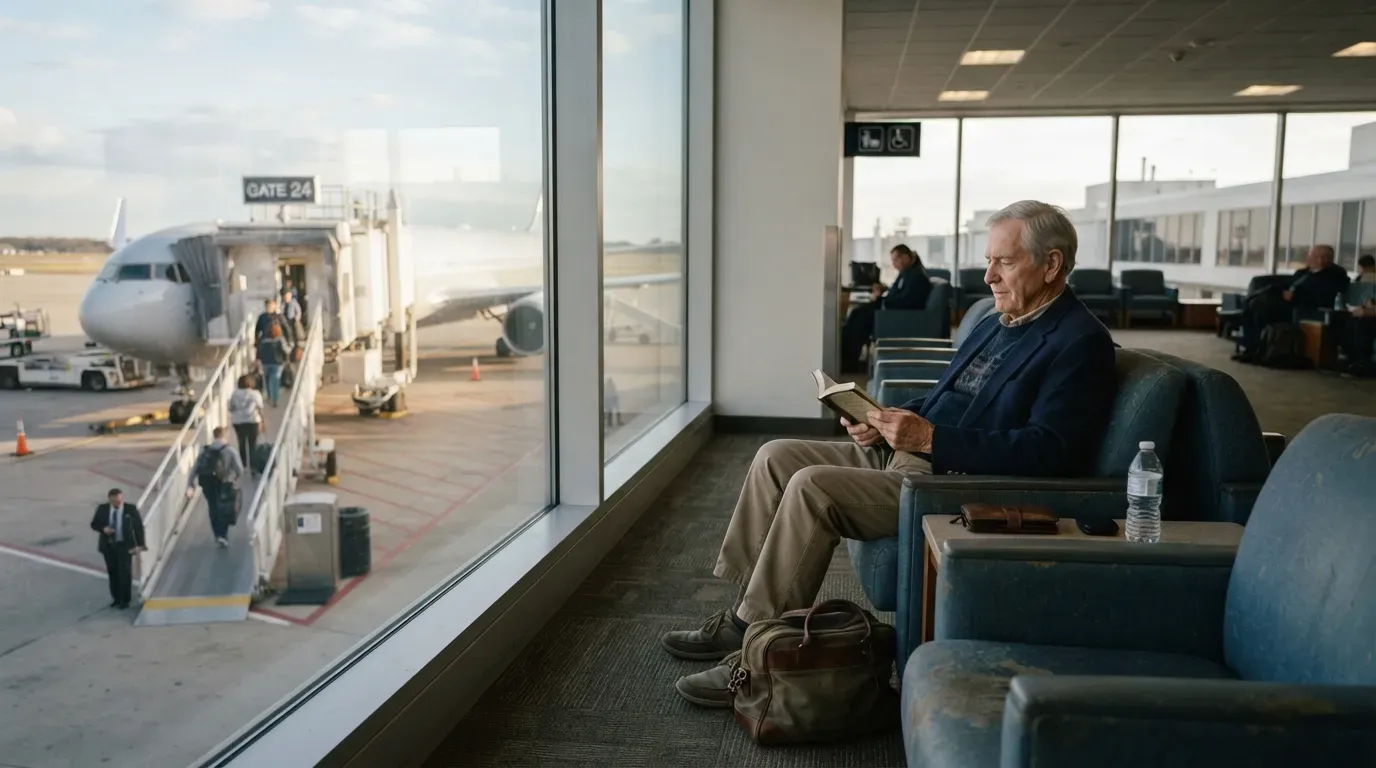
Here’s the move that genuinely confuses new travelers the most: some seasoned flyers deliberately skip early boarding altogether. If they already have an assigned seat and no bag that needs overhead bin space, there’s simply no advantage to standing in a crowded jet bridge any earlier than necessary. Waiting it out in a terminal seat, rather than a cramped aircraft seat, is often the more comfortable choice.
First-timers assume earlier is always better, rushing to join whatever group gets called first regardless of need. Retired flyers know that boarding priority only matters if you actually need bin space or extra time – otherwise it’s just extra minutes spent sitting in a metal tube instead of a terminal chair. It’s a quietly controversial stance among status-obsessed travelers, but plenty of veterans swear by it anyway.
#1 – They Know the Whole System Was Never Really About Speed
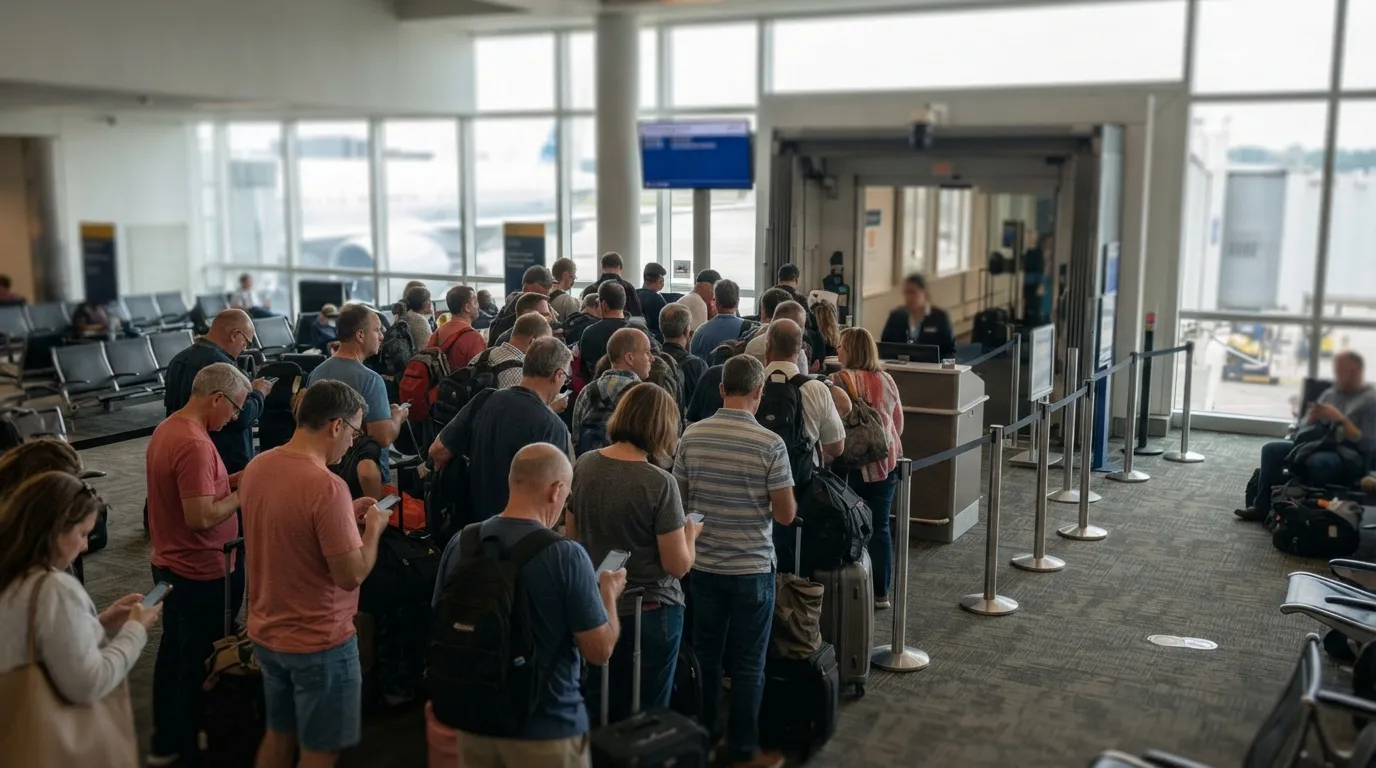
This is the realization that changes how a retired frequent flyer sees every gate they’ll ever stand at again. Despite airlines touting efficiency, the boarding process at U.S. airlines functions largely as an extension of their credit card business – a way to make elite members and cardholders feel special – and separating passengers into nearly a dozen groups doesn’t necessarily speed anything up, especially when people crowd the gate and don’t listen to announcements.
First-timers assume more boarding groups must mean a smarter, faster system. The uncomfortable truth is that boarding order is largely a marketing tool dressed up as logistics, designed to reward loyalty program spending as much as it organizes an aircraft. Once you see that, every “Group 6” and “Zone 8” on a boarding pass reads completely differently.
Worth Knowing
- More boarding groups doesn’t automatically mean faster boarding – it often just means more chances to feel prioritized
- Co-branded credit card partnerships are among the most profitable pieces of any major airline’s business
- Every major U.S. carrier has overhauled its boarding system at least once since 2024
- The clearest boarding upgrade rarely comes from flying more – it comes from the right card in your wallet
None of these moves require insider connections or decades of status – just attention to details airlines rarely spell out clearly. From the 60-minute gate window to the quiet credit card jump into a better zone, the pattern is the same: the people who look effortlessly calm at the airport simply learned the system’s actual rules instead of guessing at them. The boarding pass in your hand is more negotiable than it looks.
Which one of these surprised you the most? Drop your own boarding trick in the comments – the next first-timer scrolling past might need it.